Why material decides how long a hacky sack lasts
A bargain supermarket bag often looks fine for a week — then it goes soft, leaks, or loses its shape. Regular play means shoe hits, ground contact, and weather. Better materials keep the bag round, pleasant on the foot, and predictable in the air. Experienced players also care about grip, weight, and flex; all of that starts with shell + fill.
Shell vs fill: two jobs, one bag
The shell must resist tears, hold shape, and give usable grip. The fill sets weight, soft/hard feel, and how the bag “settles” after a kick. Only the combination makes a durable, enjoyable footbag — for beginners or advanced freestyle.
Shell materials compared
Suede — the control classic
Common on traditional freestyle footbags: soft surface, natural grip on the shoe.
Pros: grip for stalls, holds shape well, breathable natural feel
Cons: sensitive to moisture, usually costs more than basic synthetics
Synthetics — outdoor toughness
Nylon, polyester, microfibre and similar: tear-resistant, easy to wipe, better in wet or rough outdoor use.
Pros: weather resistance, colour options, durable for the price
Cons: less grip than suede; cheap weaves can fray
Crocheted cotton — soft and casual
Popular with beginners and casual circles: handmade look, soft on bare feet, easy to patch.
Pros: friendly feel, repairable, expressive colours
Cons: wears faster under hard freestyle; shape softens sooner
Fill materials in detail
Sand — even weight and control
Sand moulds to the shell and gives a calm flight path — great for controlled passes and short stops. Weak seams will leak.
Pros: even feel, good control, inexpensive
Cons: hates moisture; escapes through bad stitching
Plastic pellets — durable balance
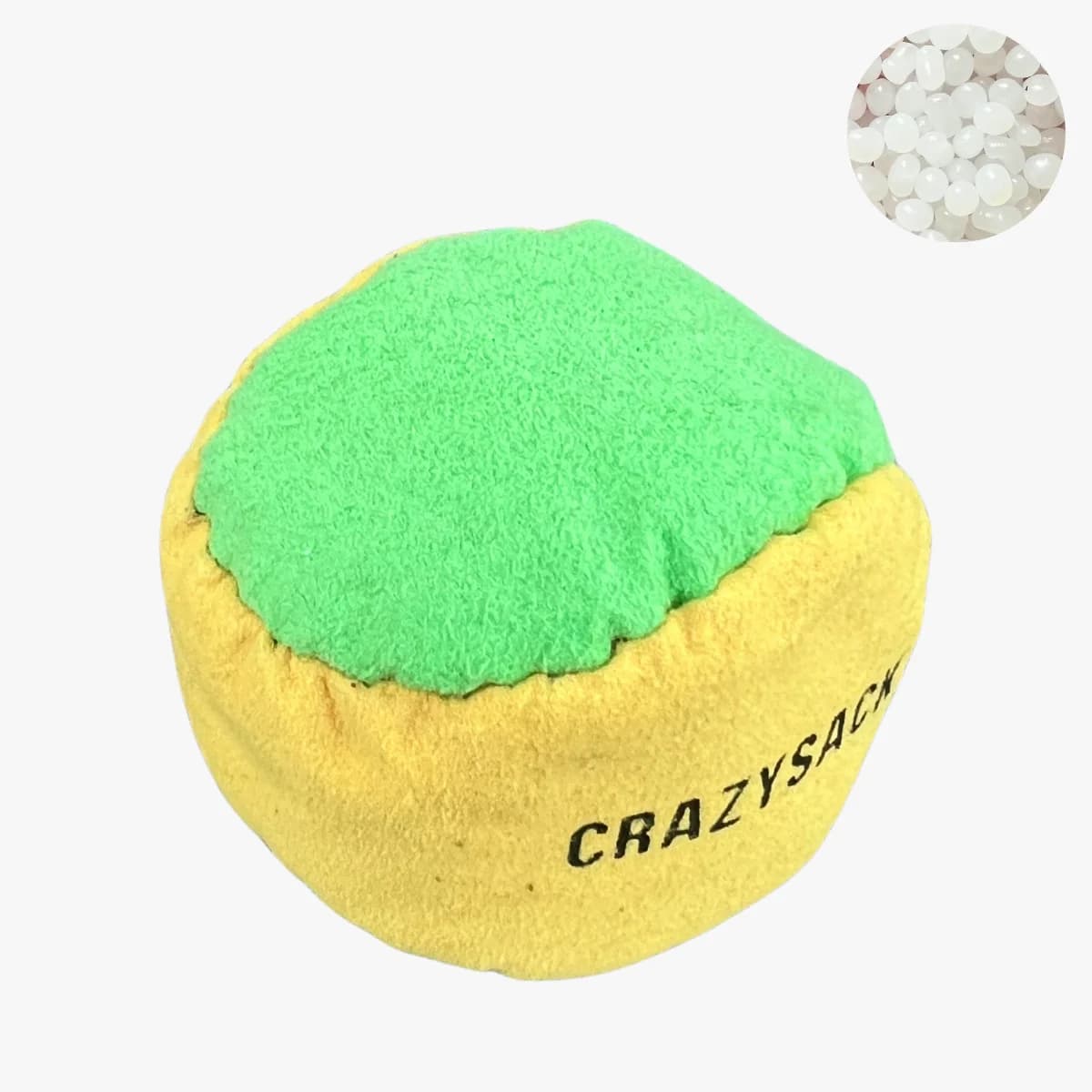
Spherical beads that keep shape and do not soak up water like sand. Common in synthetic bags.
Pros: moisture-resistant, long-lived, indoor/outdoor
Cons: a bit livelier than sand; slightly less “parked” for precision stalls
Metal beads — for heavy, precise play
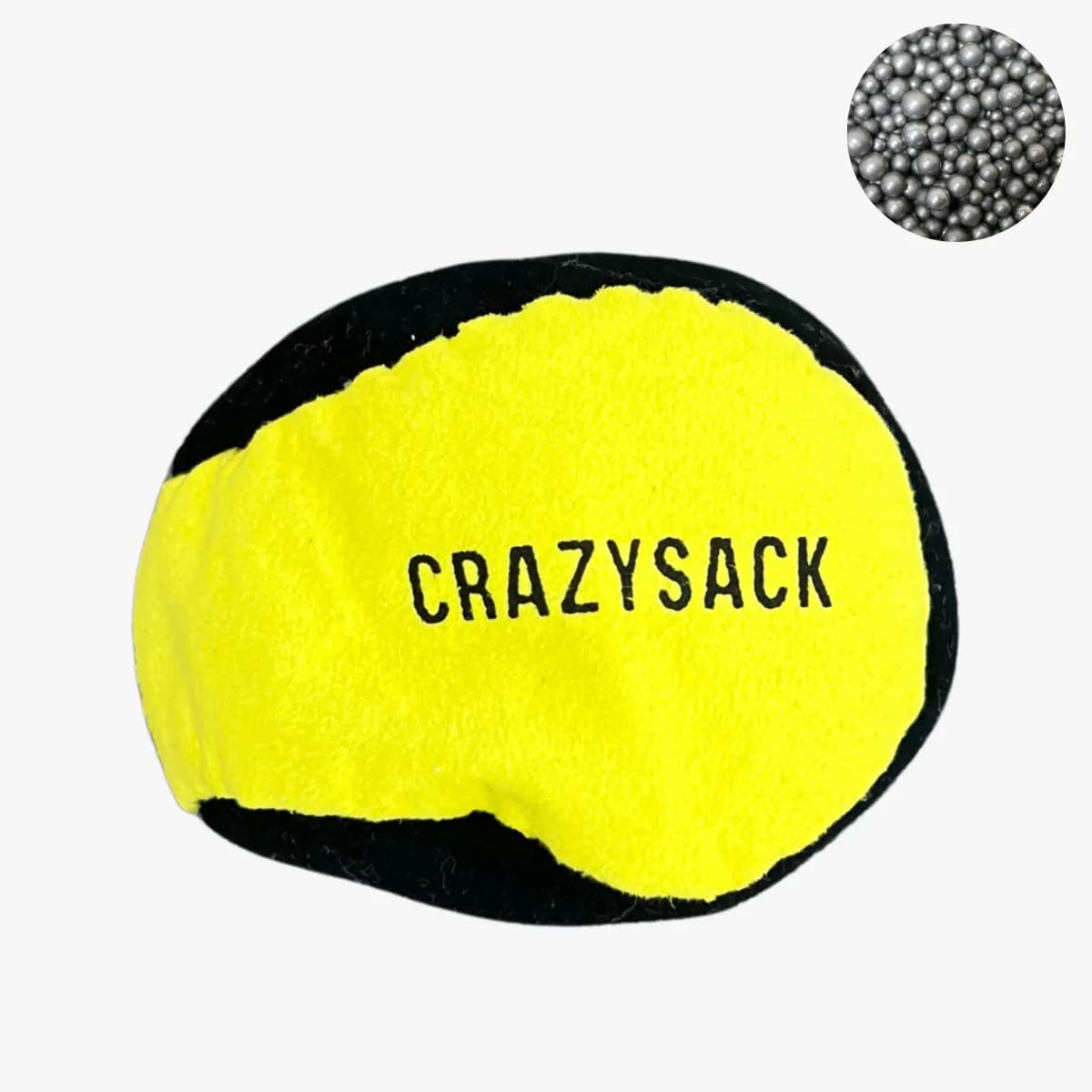
Steel (or similar) fill for advanced players who want high weight and rock-solid form. Not a kids’ first bag.
Pros: control for experienced players, very durable form
Cons: heavy; harder landings on rigid floors
Construction and stitching
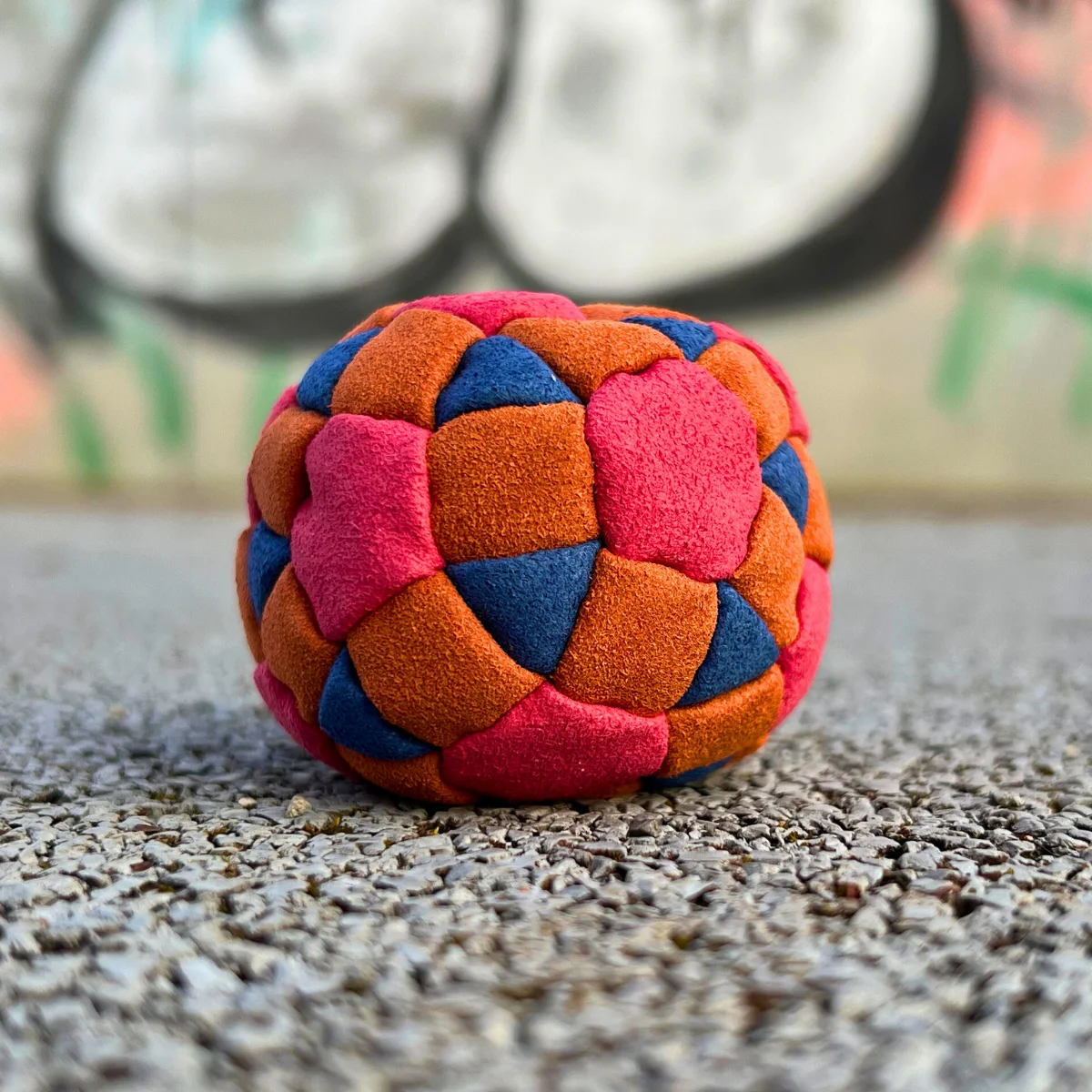
Material quality fails first at the seams. Double stitching and tight, even stitches keep fill inside. Panel count also matters: ~32 panels approach a sphere; fewer panels are chunkier and often easier for beginners to read.
Recommended combos by player type
Beginners — soft shell + sand
Crocheted cotton or soft fabric with sand: forgiving, controllable, good for learning contact without fighting the bag.
Intermediate — suede + pellets
Grip for tricks plus fill that keeps shape through longer sessions.
Advanced — tough synthetic + metal (or dense freestyle builds)
Maximum durability and control for complex freestyle; higher weight demands cleaner technique.
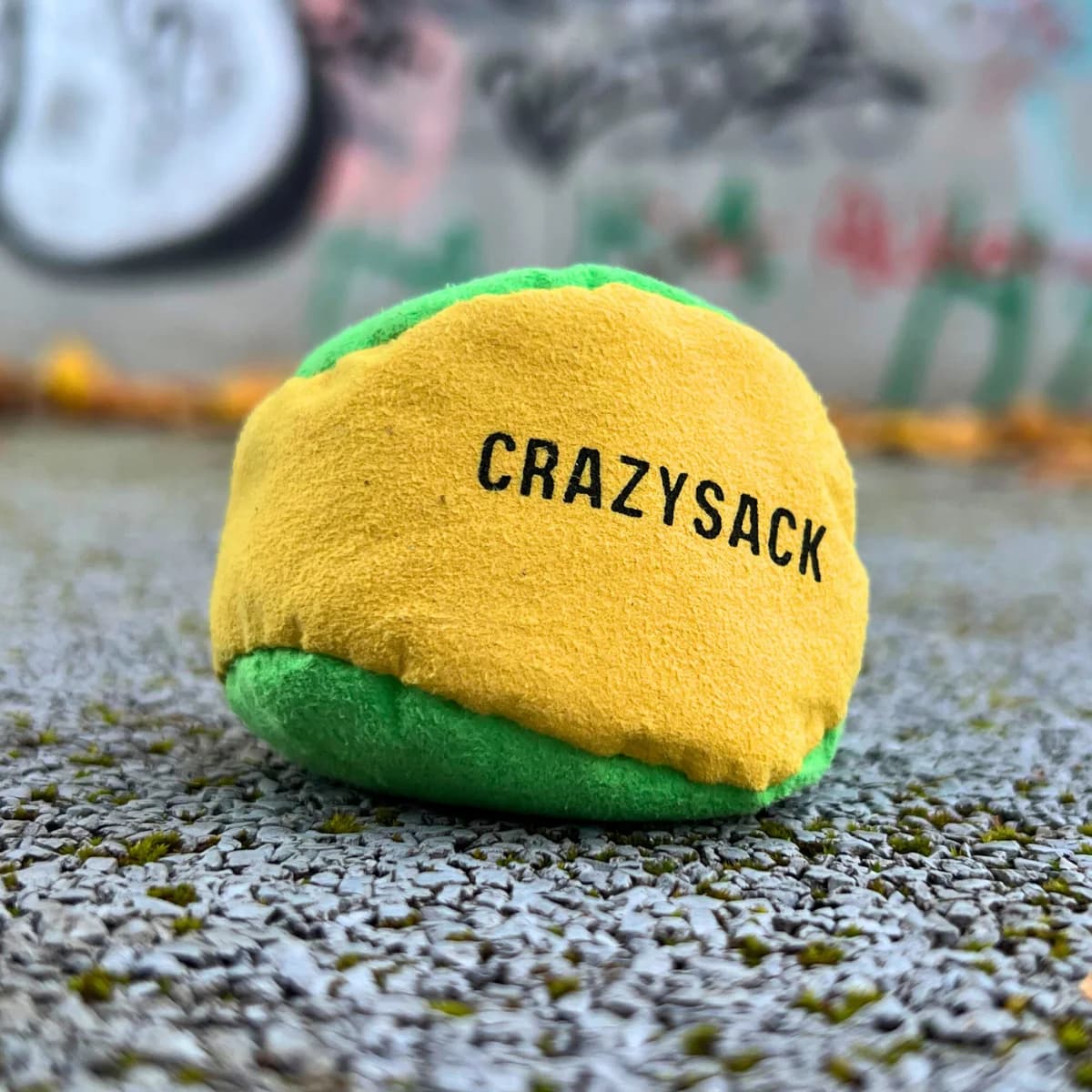
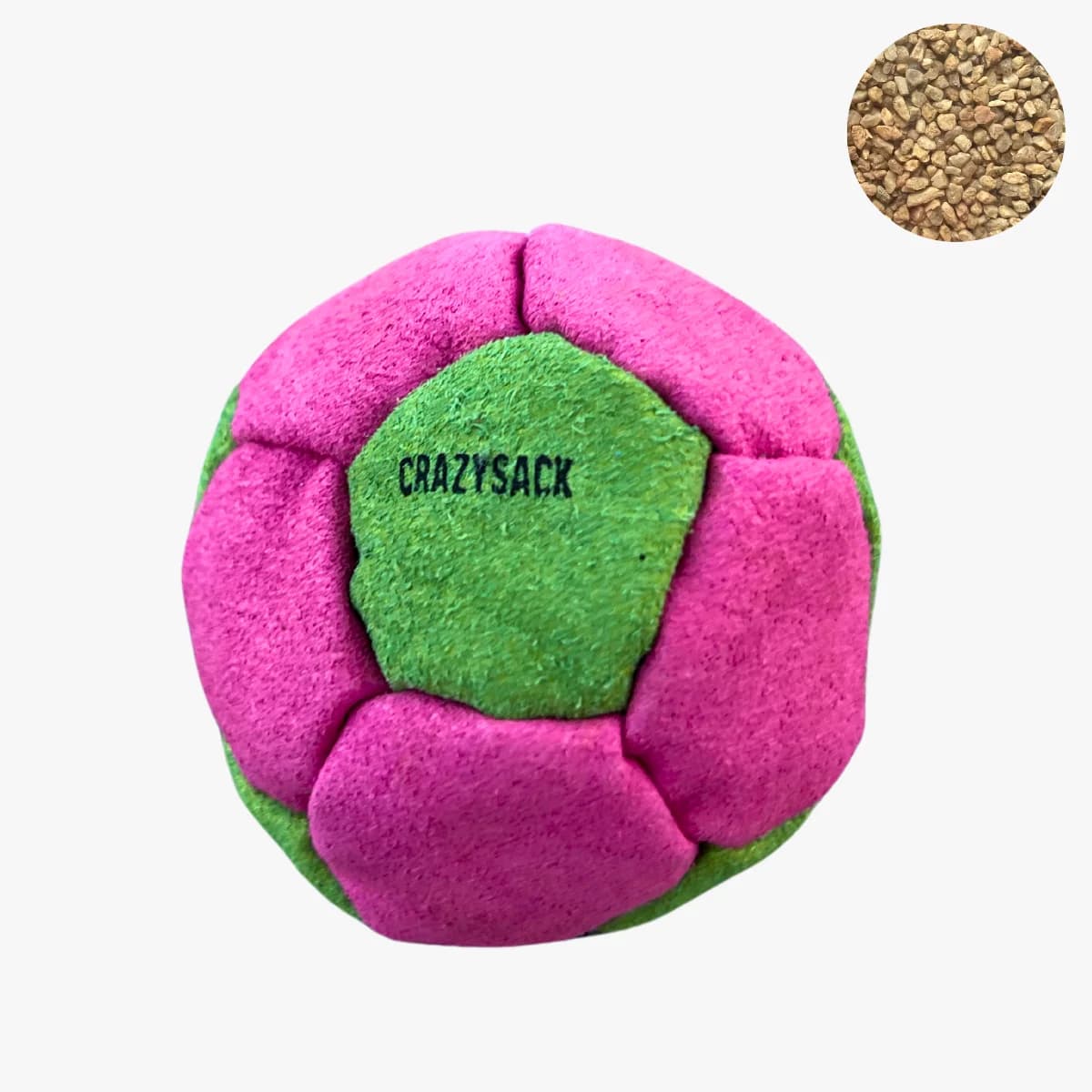
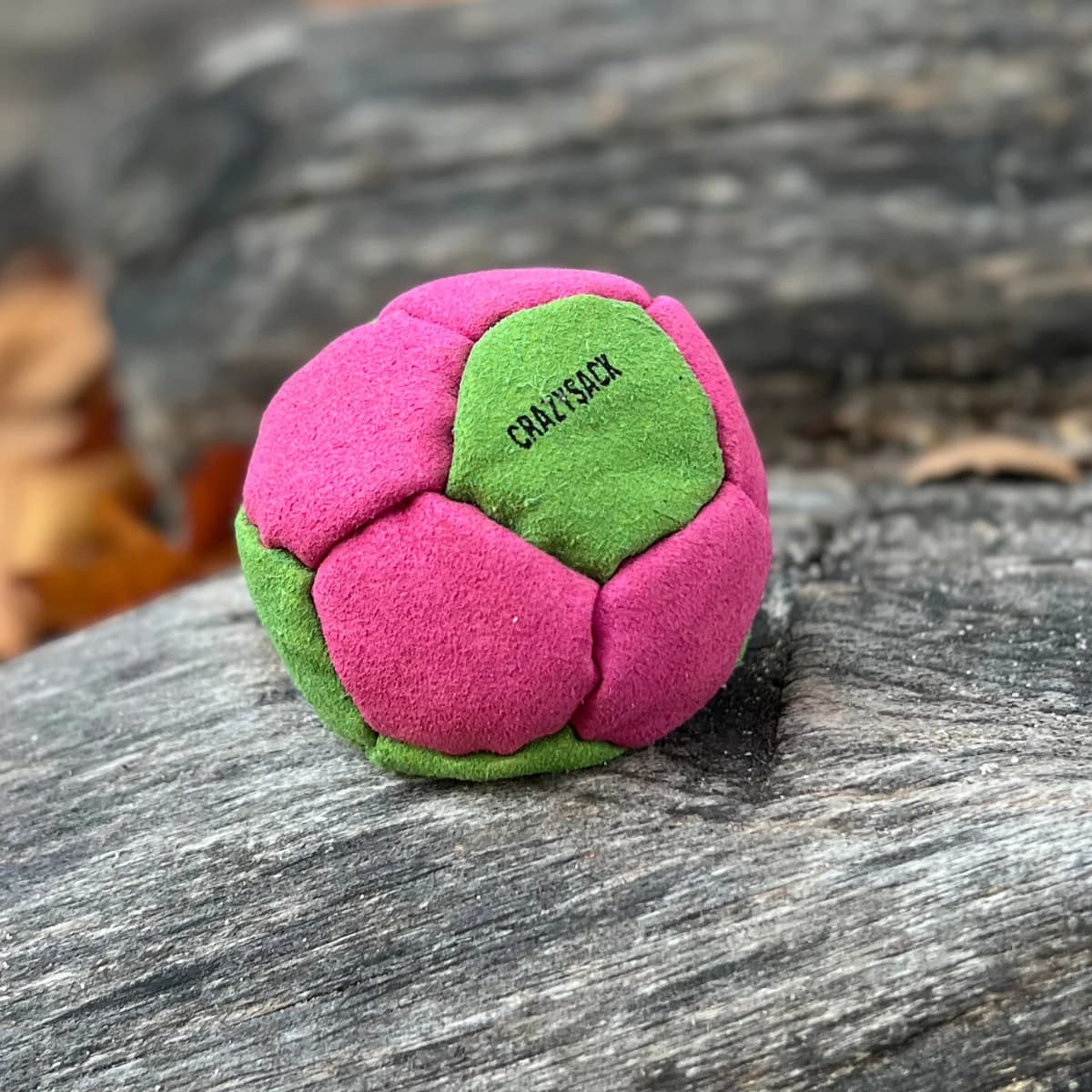
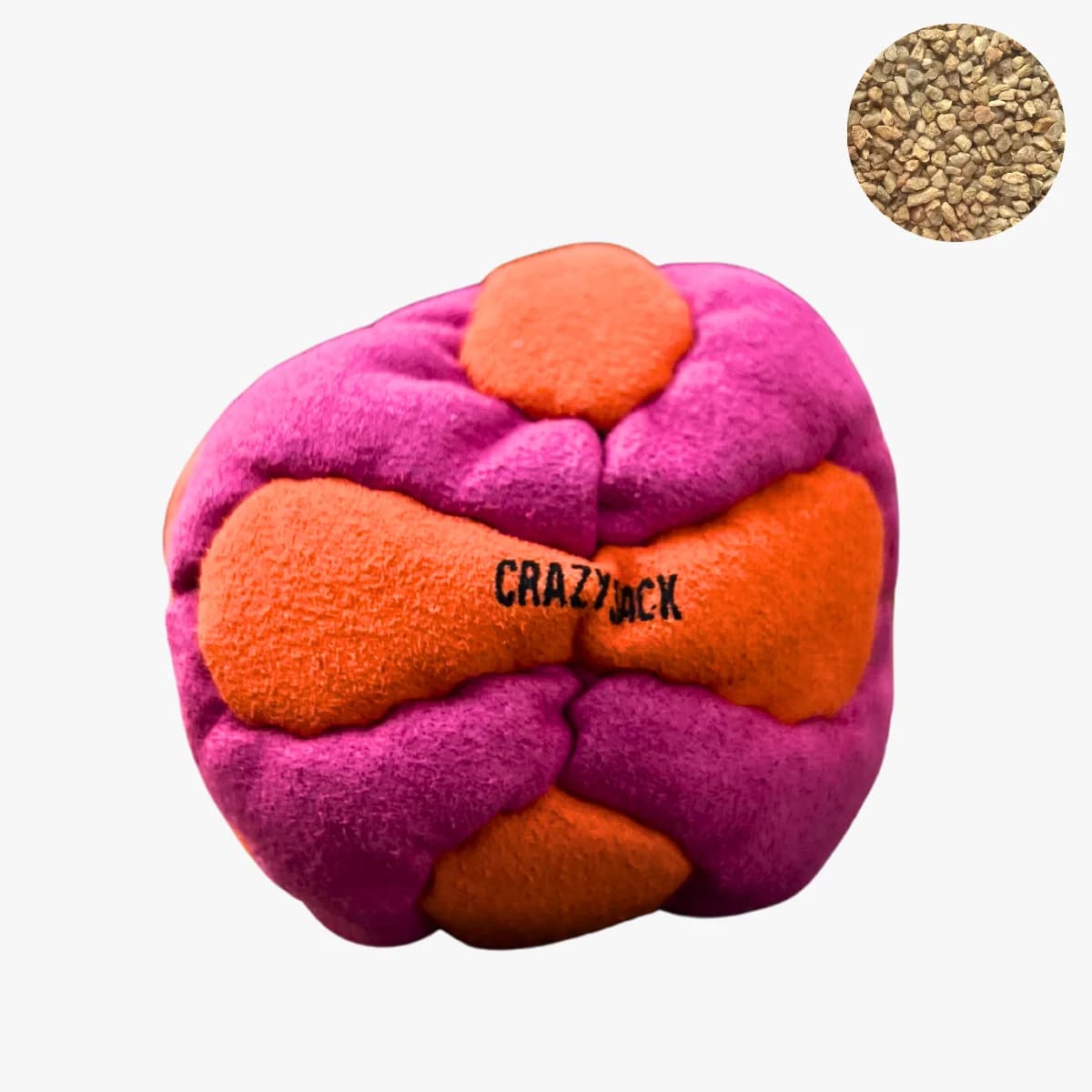
Compare real builds in our Crazysack shop — panels and fills are listed so you can match this matrix without guesswork.
Takeaway
Longevity is a materials decision: shell that survives your surface, fill that matches your tricks, stitching that does not quit first. Soft and cheap is fine for a first week; if you play weekly, quality shell + fill + seams pays for itself in bags you do not replace.
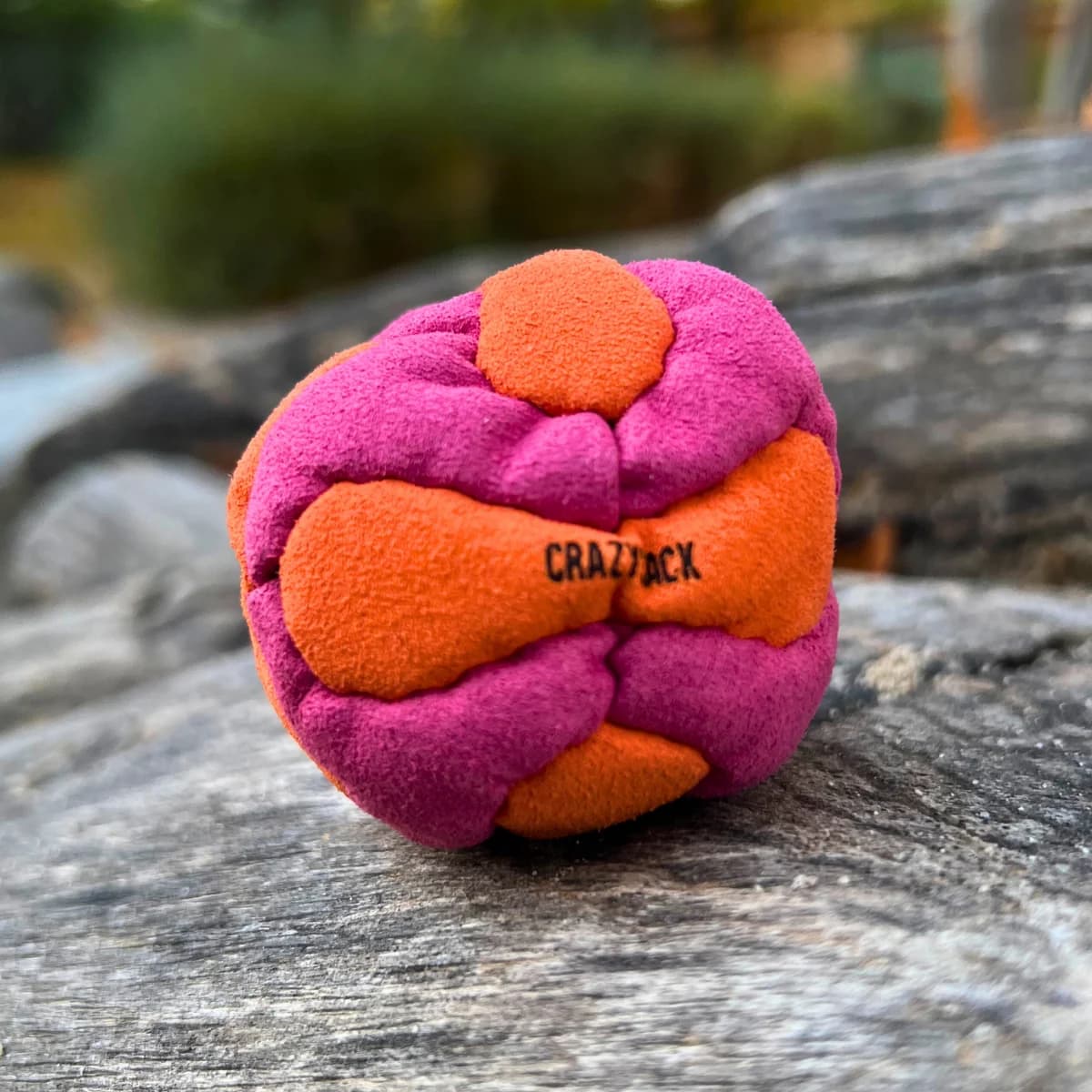
Matching footbags from our shop
Hand-stitched in Germany, ready to ship.
You might also like
Best Footbag Materials: Which One Fits You?
Ultrasuede, suede, cotton, or synthetic leather — how shell material changes grip, durability, and which footbag suits freestyle or circle play.
2 min read
How Hacky Sacks Make Your Evening Wind-Down Calmer
Turn after-work stress into light play: how a footbag helps you switch off, move gently, and reclaim your evenings.
3 min read
Why Footbags Make a Genuinely Rewarding Hobby
Fitness, creativity, community, and almost zero gear — why footbags (hacky sacks) enrich daily life for kids, adults, and families alike.
1 min read