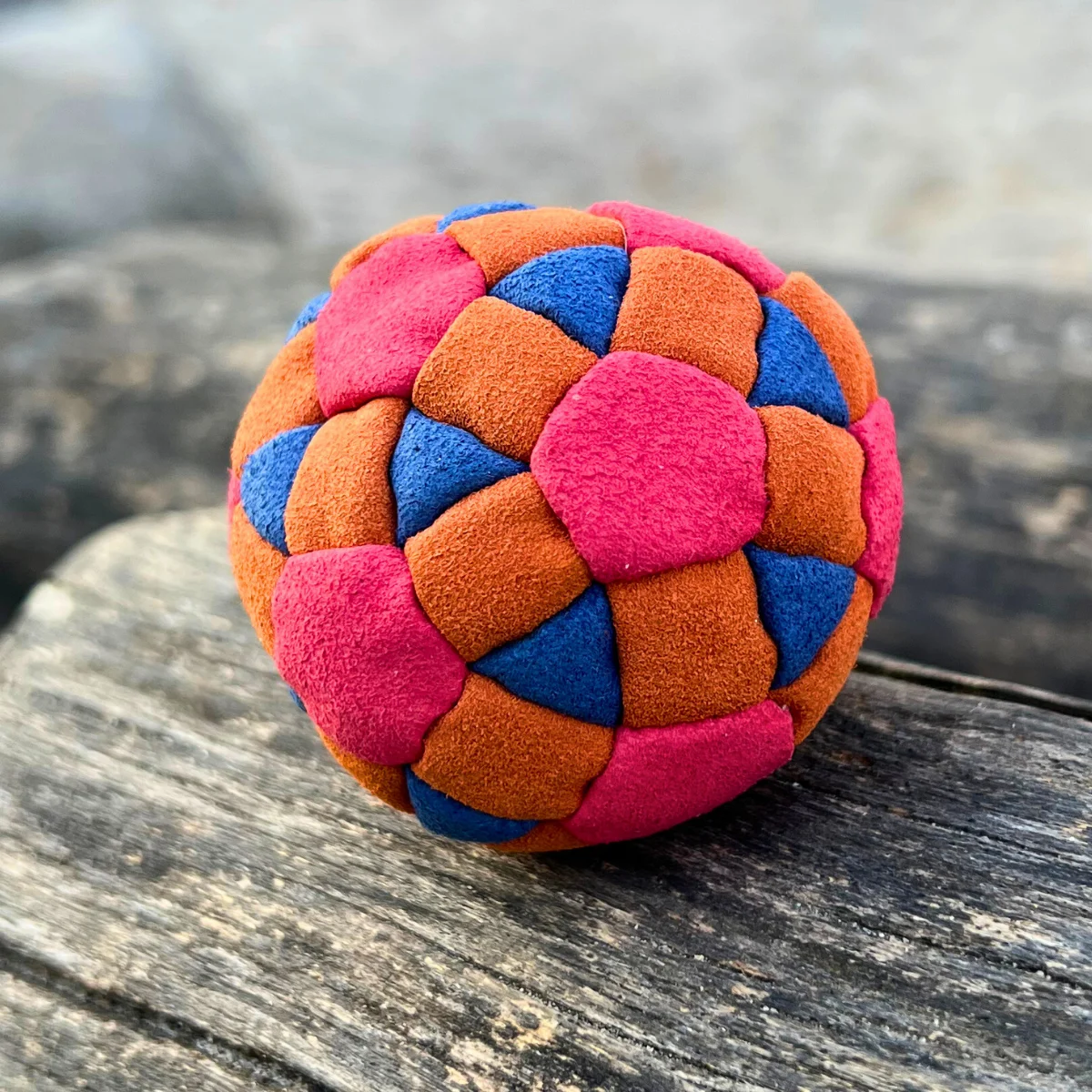
Why structured training matters at pro level
Footbag as a serious sport
Footbag (hacky sack) left the park circle long ago. At a competitive level, body control, focus, and clean technique decide who keeps the bag alive under pressure. Knowing tricks is not enough — you need a plan that builds skill, power, and endurance together.
Strong players do more than grind the same combo. They train the whole body, stay mobile, and sharpen reaction speed so sessions stay sharp late into a contest. Below: drills and habits for advanced and pro players — whether you chase podiums or simply want your freestyle to feel sharper every week.
Technique: precision and control
Train both sides
Most players lean on a strong side. At a higher level, that habit becomes a ceiling. Working the weak side unlocks new lines and keeps you from getting stuck mid-combo.
- Pick 3–5 tricks you already own and run them only on the weak side.
- Raise difficulty gradually; keep the motion clean before you chase speed.
- Use a mirror or phone footage for honest feedback.
Over time you stop thinking about “which foot” — the movement just happens, and complex strings feel safer.
Linking and transitions
Advanced play is about flow, not isolated moves. Linking puts the chain first: how one trick hands off to the next.
- Start simple: Toe → Mirage → Ducking Clipper.
- Build into denser strings, e.g. Blender → Torque → Ripwalk.
- Practice to music so rhythm becomes part of the move.
Transitions take patience, but they buy the control that looks effortless on stage.
Strength and conditioning behind the tricks
Legs and core
Almost every kick loads quads, calves, and hamstrings. Your core keeps balance when the bag is off-center. Useful lifts and holds:
- Squats (bodyweight or loaded)
- Lunges for hip mobility
- Leg raises for hip flexors and lower abs
- Planks and Russian twists for the core
Two to three strength sessions a week improve tricks and cut overload injuries.
Conditioning for long sessions
Endurance keeps form alive when the clock runs. Delay fatigue; keep quality after minute five.
- Intervals: 30s sprint / 90s walk × 8
- Jump rope: 3 × 3 minutes with 1 minute rest
- HIIT circuit: 10 burpees, 20 mountain climbers, 10 squat jumps — 3 rounds
Scale to your level. Two sessions a week already change how you feel on the court.
Coordination and reaction for complex strings
Ball-sport coordination drills
Freestyle needs foot–eye timing at speed. Advanced options:
- Juggle with both feet while switching trick paths at random
- Single-leg stand on a balance pad while controlling the bag
- Net-style exchanges with a partner
You learn to adjust in real time and feel the bag earlier.
Reaction games with a partner or app
Top players read patterns and answer instantly. Extra reaction work helps:
- Partner tosses balls in random directions; you kick them back
- Reflex apps such as “Reflex Training” or “Flash Reflex”
- Mirror drills: partner moves, you answer as a reflection
Regular reaction work speeds thinking under pressure — a real edge in contests.
Mobility: the base for clean technique
Dynamic stretching before play
Warm joints and muscles before you go explosive:
- Front and side leg swings
- Alternating lunges with torso rotation
- Arm circles plus gentle trunk bends
Better range means fewer soft-tissue surprises on big moves.
Static stretching after
Cool down so tissues stay long and ready:
- Hamstring stretch
- Quad stretch standing or lying
- Hip-flexor lunge stretch
- Calf and ankle stretch at a wall or step
About 15 minutes after a session is enough to stay pliable — a pro habit, not a luxury.
Mental training: focus and visualization
Build mental strength
Calm focus and quiet confidence show up when the bag drops under lights. Useful tools:
- Breathing before a hard string
- Success visualization of the full trick
- Positive self-talk that names what you already do well
Mental reps raise contest stability and your tolerance for the inevitable miss.
Use visualization on purpose
Athletes across sports rehearse mentally. You can too:
- Quiet place, eyes closed, run the trick in detail
- Include direction, speed, posture, and rhythm
- Pair with breath work for sharper focus
New tricks stick faster when the nervous system has already “seen” them.
Wrap-up: train the whole athlete
Pro footbag is more than a trick list. Technique, strength, coordination, and mindset have to move together. Adapt the plan to your week, track sessions, set honest goals, and stay consistent.
Need a bag that keeps up with hard training? Browse our shop.
Structure your practice, and the spectacular lines — and the calm under pressure — follow. Grab the sack and raise the bar.
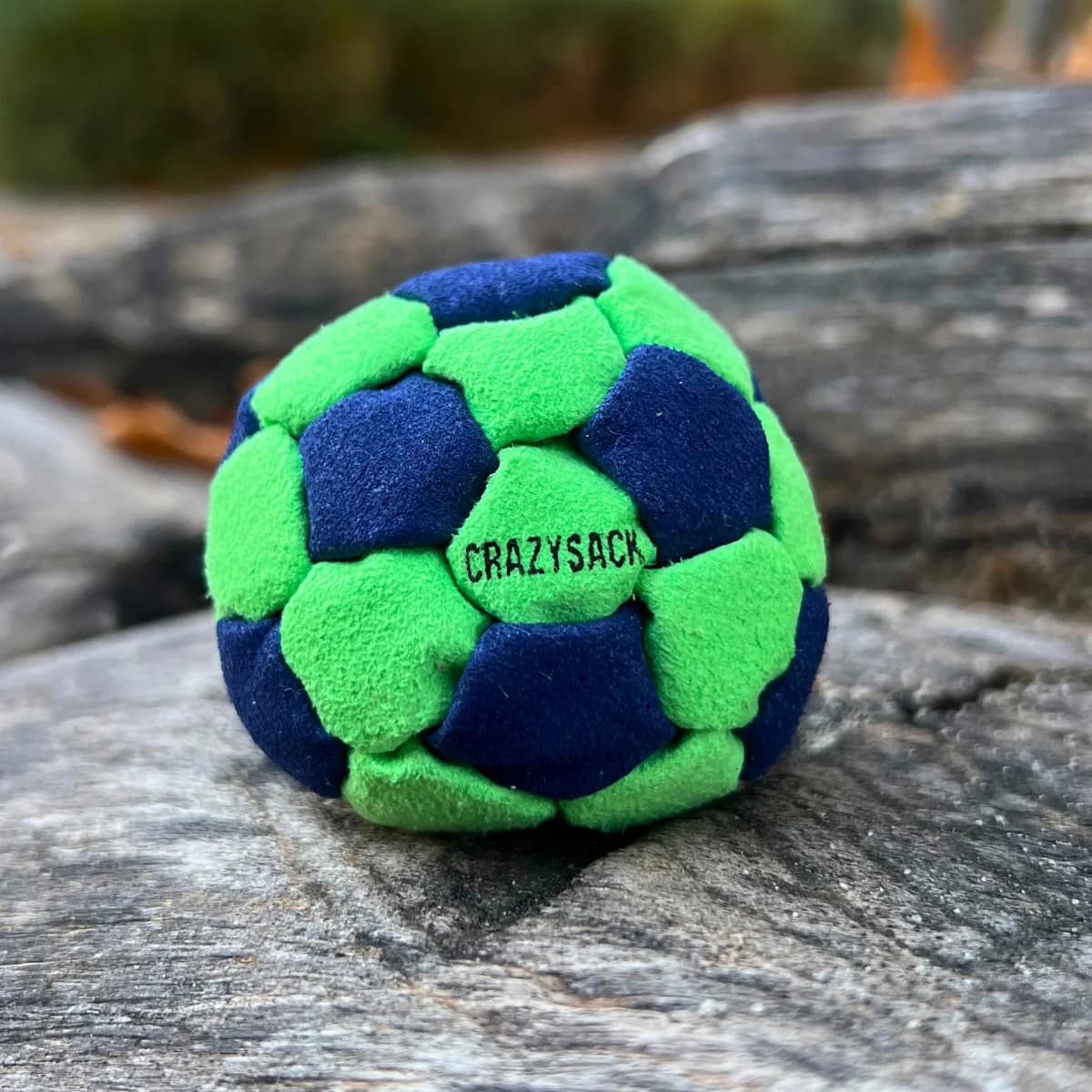
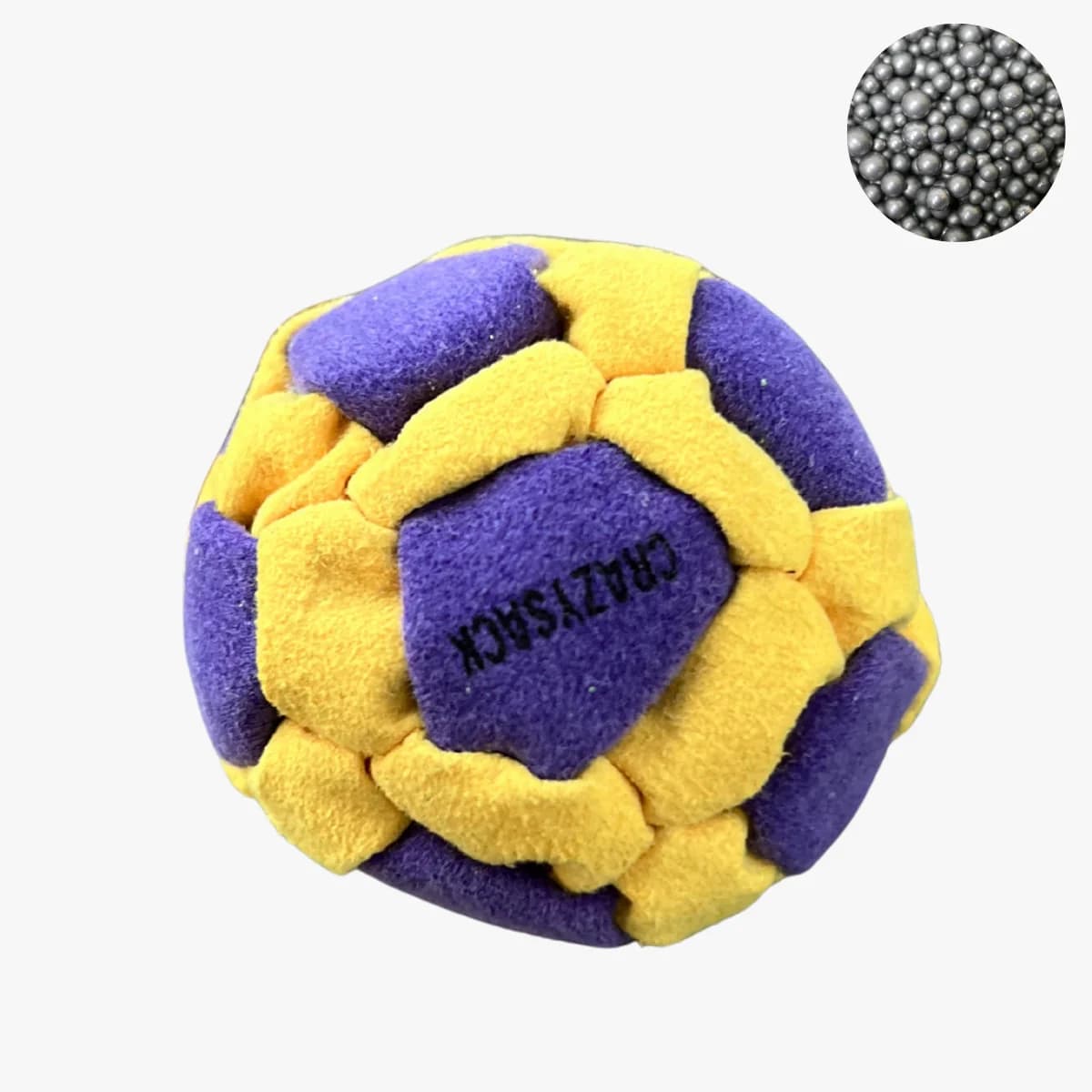
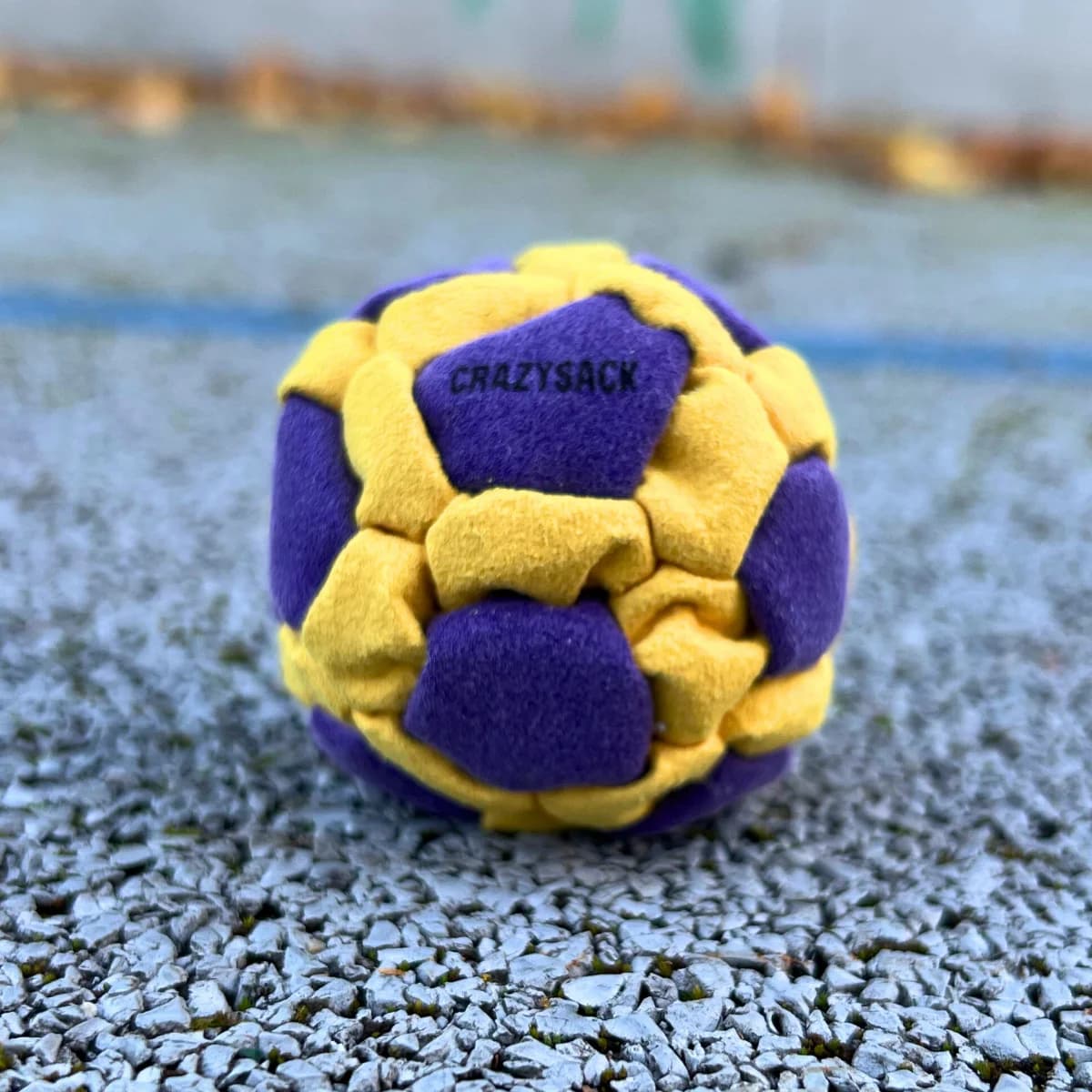
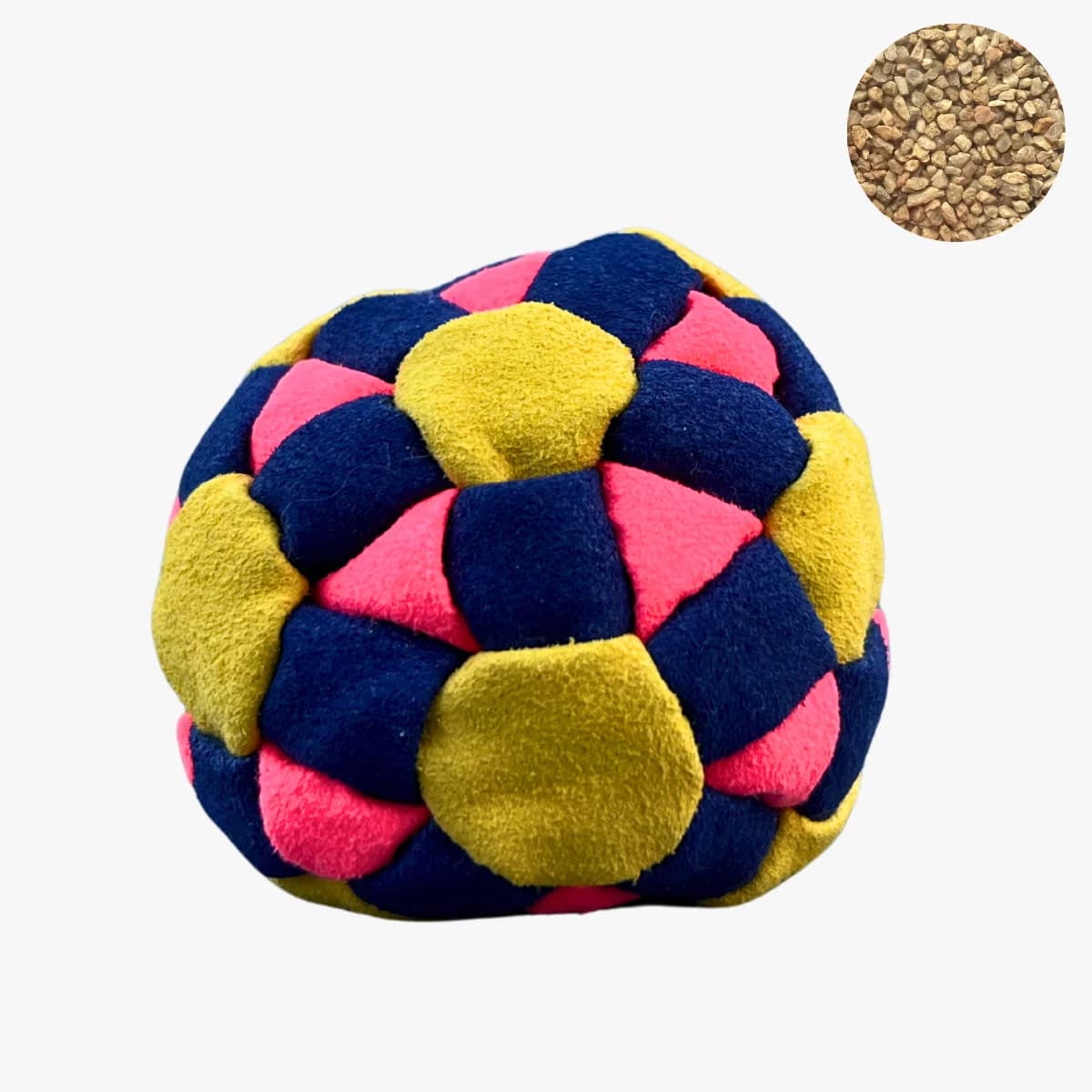
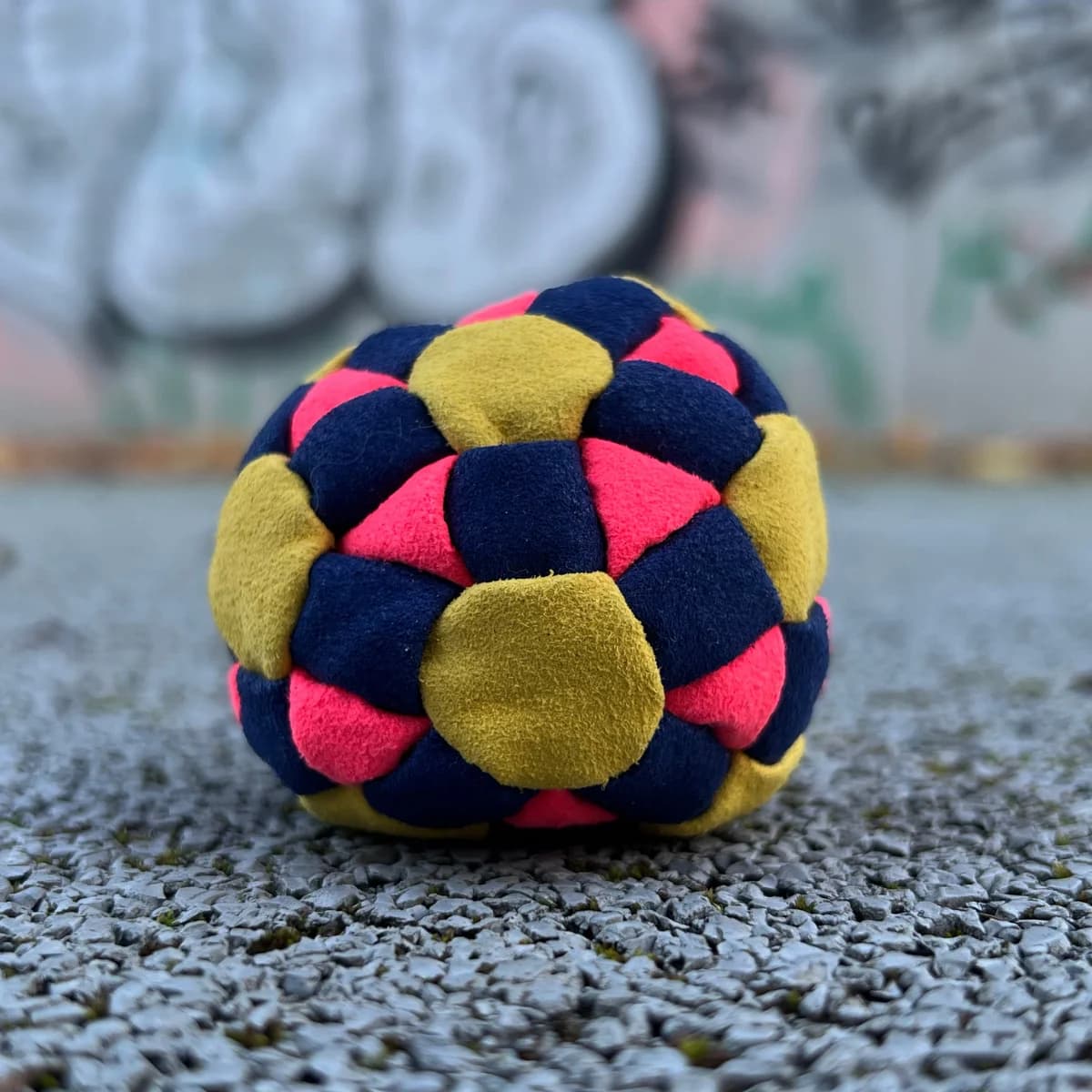
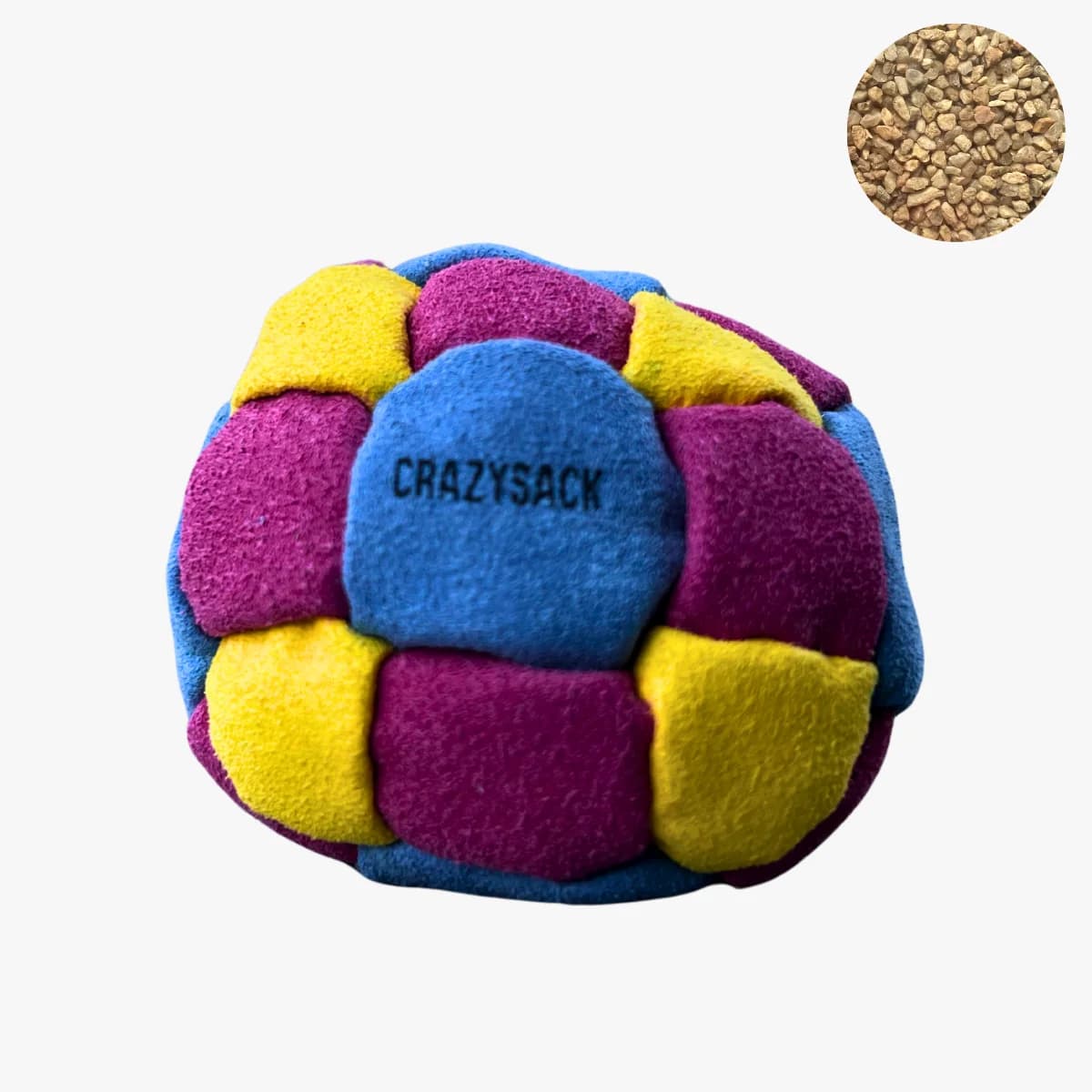
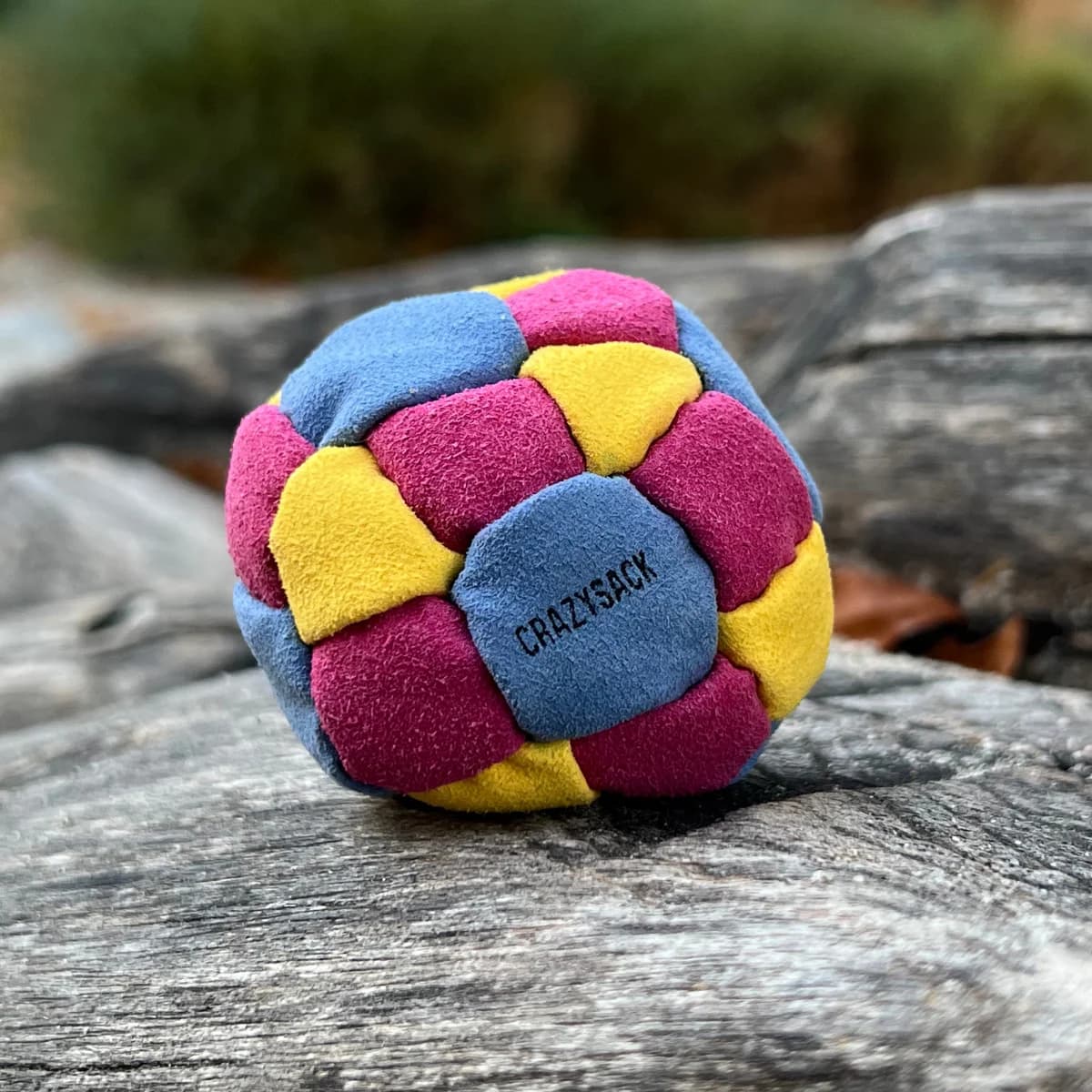
Matching footbags from our shop
Hand-stitched in Germany, ready to ship.

You might also like
Best Tutorials for Advanced Footbag Players
Pro-level footbag resources — Footbag.org videos, elite YouTube channels, structured courses, forums, Discord coaching, and how to train with tutorials.
2 min read
Best Exercises to Stay Fit with a Hacky Sack
Turn a footbag into a pocket workout — coordination drills, leg strength, partner games, and simple cardio plans for beginners and advanced players.
2 min read
Why Pros Love 42-Panel Hacky Sacks
More panels mean a rounder shape, smoother control, and cleaner stalls — why serious freestylers upgrade to 42-panel footbags.
1 min read