
Older roots than the brand name
Foot games with small balls go back centuries — skill play in China over two millennia ago, fibre spheres among Indigenous peoples in the Americas, sometimes with ritual meaning. The commercial hacky sack of today is much younger, but it sits in that long “keep it up without hands” line.
Oregon, 1972: the modern bag
John Stalberger and Mike Marshall (Oregon, USA) shaped a pellet-filled bag you could juggle with your feet — agility work for Marshall, easy solo-or-group play for Stalberger. They named it Hacky Sack. Marshall died in 1975 before the boom; Stalberger pushed the product forward, and youth and sport crowds adopted it fast.
1980s: Wham-O and world reach
Wham-O (of Frisbee fame) bought the rights and scaled marketing: demos at events, festivals, schools. Message: anyone can play, anywhere, almost no kit. It fit 80s youth culture — individuality, physical expression, park and playground freedom.
Culture, not just product
Circles traded tricks more than trophies. The 1990s grew a real subculture in the US and Canada, with tournaments and European scenes (Germany, France, Netherlands among them). Music and film of the era often framed the relaxed jam aesthetic — freestyle attitude as lifestyle, not only sport.
Technique and styles evolve
Keep-ups became art: Around the World, Sole Stall, Clipper Delay, and more. Shells and fills improved — leather and plastic pellets first; later synthetics and sand for different control. Circle kicking stayed the social default; freestyle footbag became its own performance discipline.
Quiet years — and a revival
Digital hobbies and new outdoor trends cooled mainstream hype after the 2000s. The IFPA and World Championships kept the competitive flame alive, especially in North America. Social video (Instagram, TikTok) now feeds a fresh generation; the tiny gear footprint also reads as a green, low-barrier hobby.
Why it still matters
From ritual foot games to 80s phenomenon to niche sport with a loud online clip culture — hacky sack keeps meaning freedom, creativity, and simple shared movement. One bag and a few minutes are enough to write your own chapter. Prefer a ready-made Crazysack build over improvising? Start in our shop.
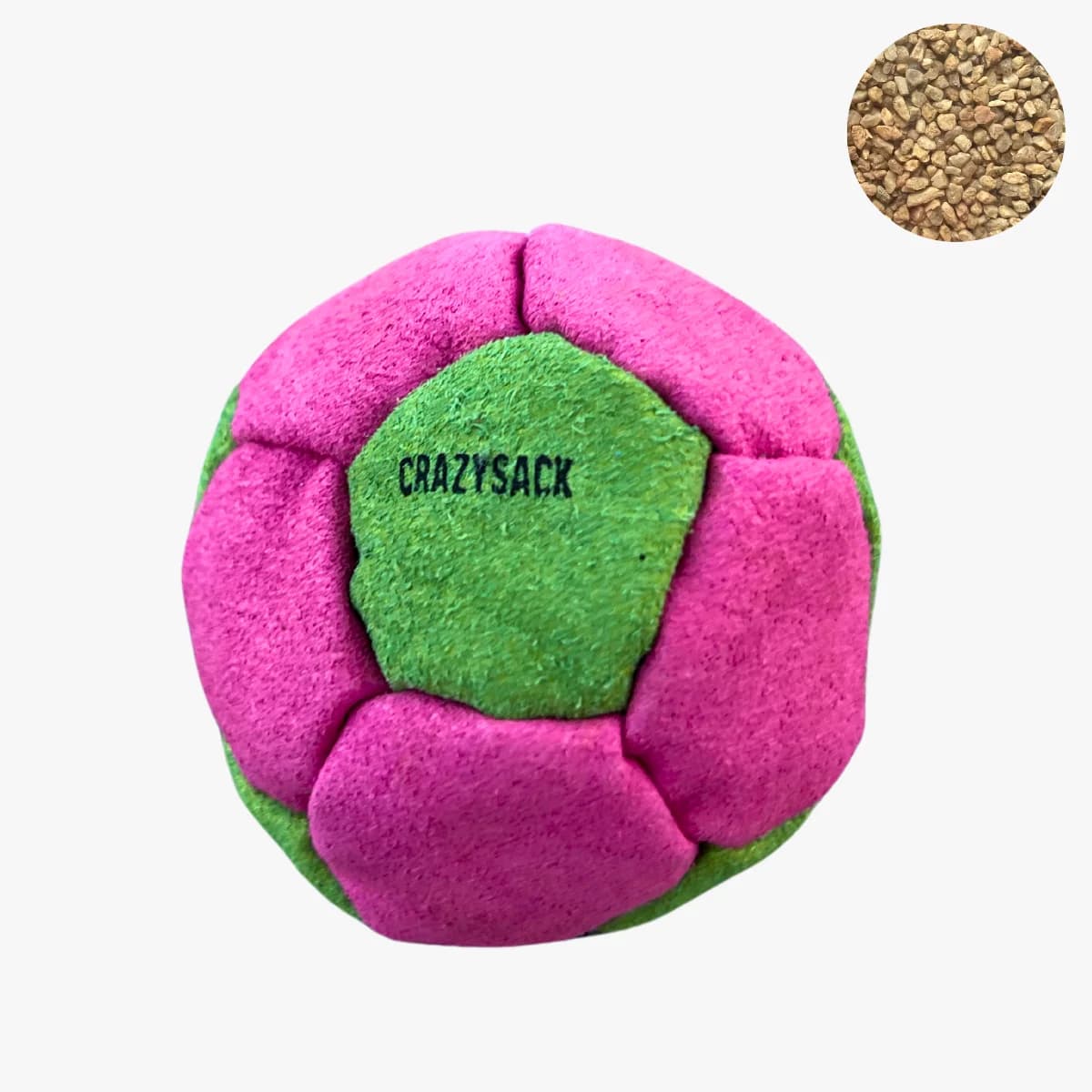
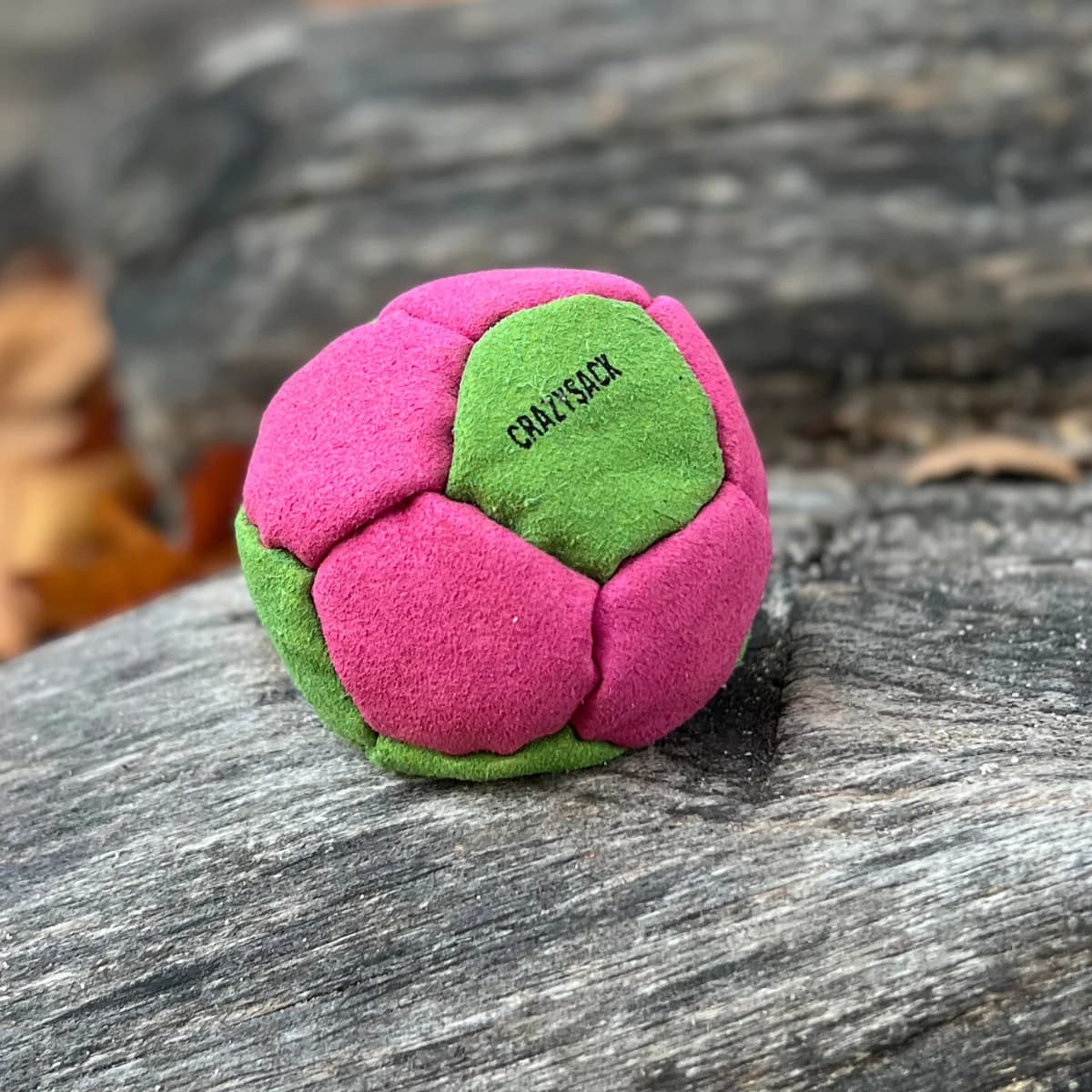
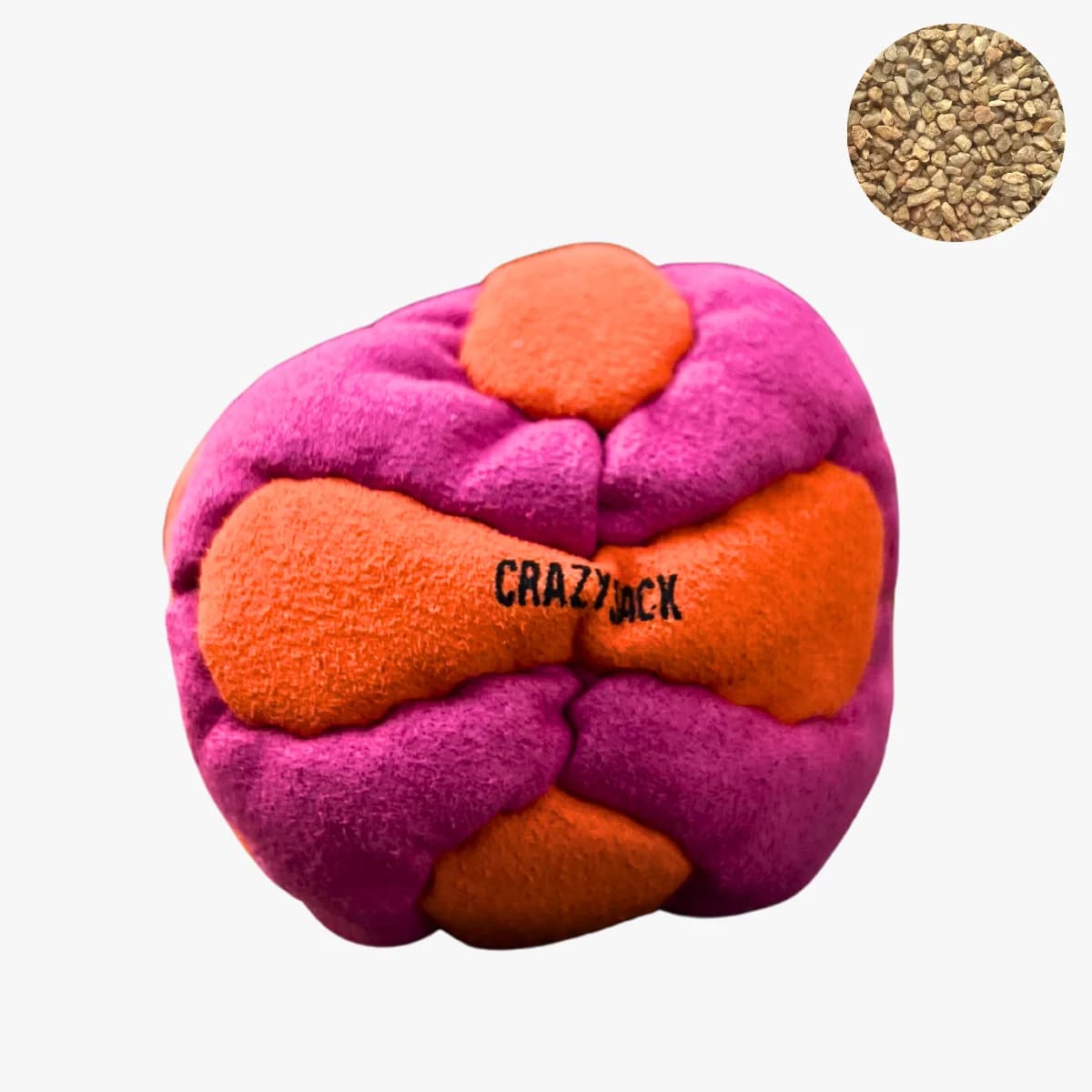
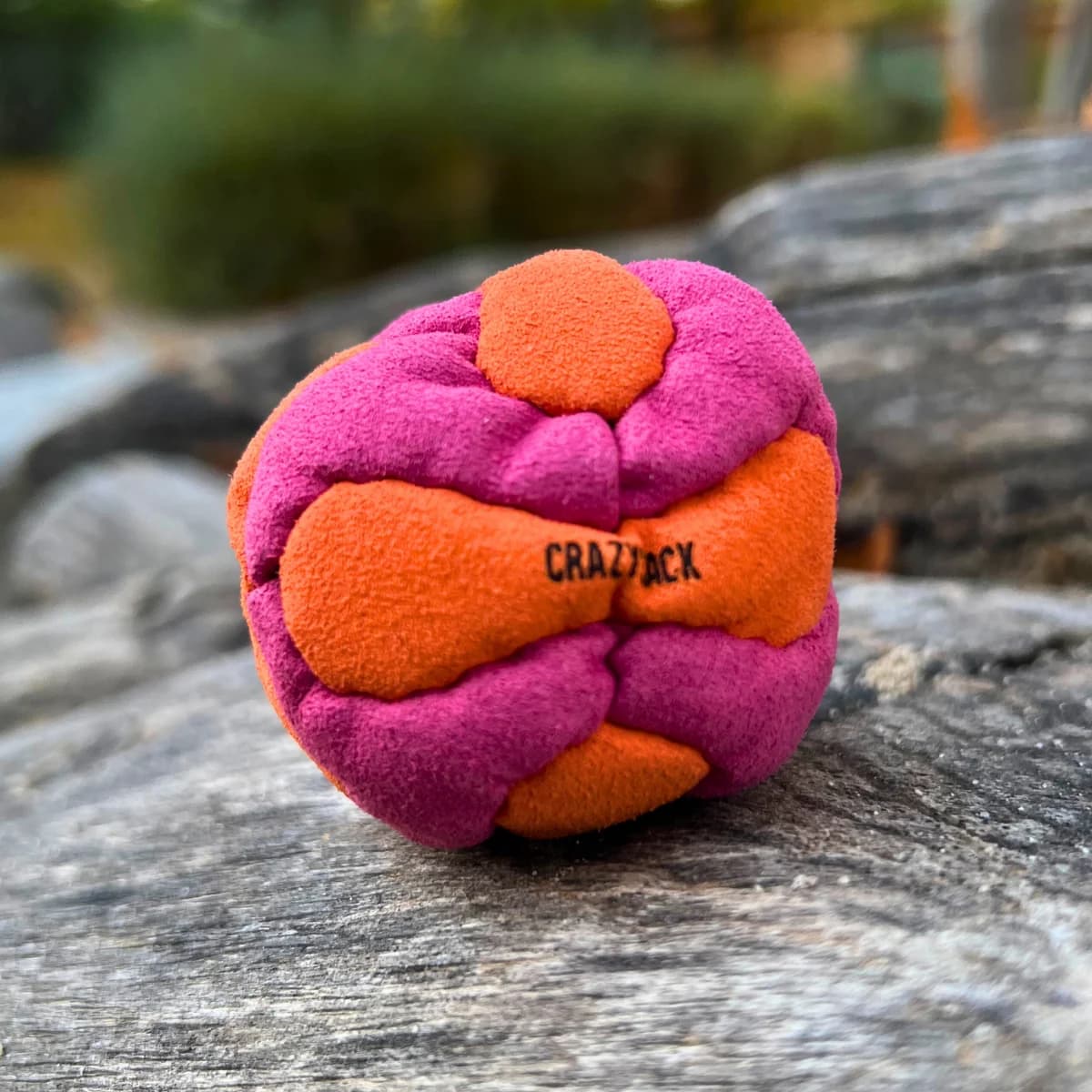
Matching footbags from our shop
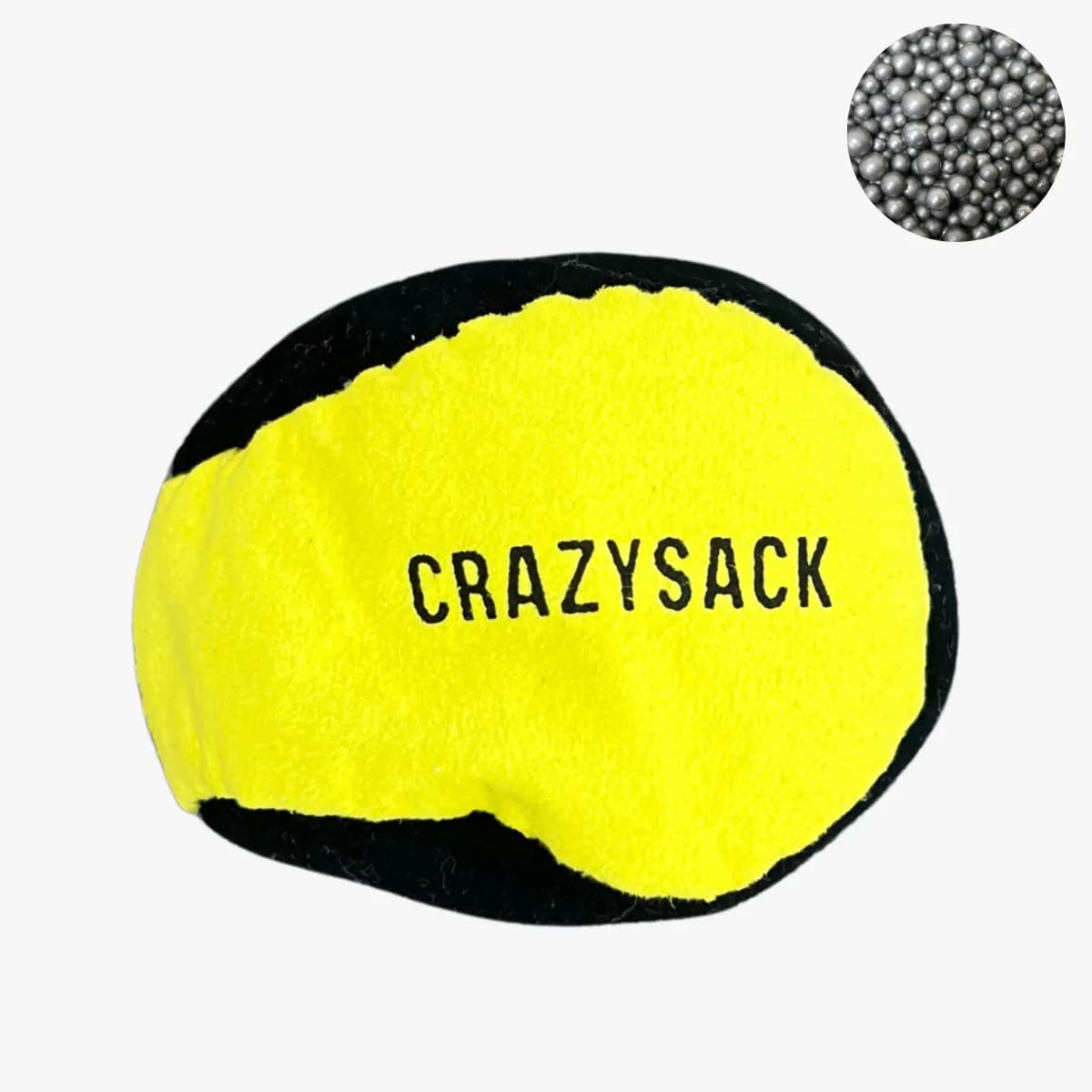
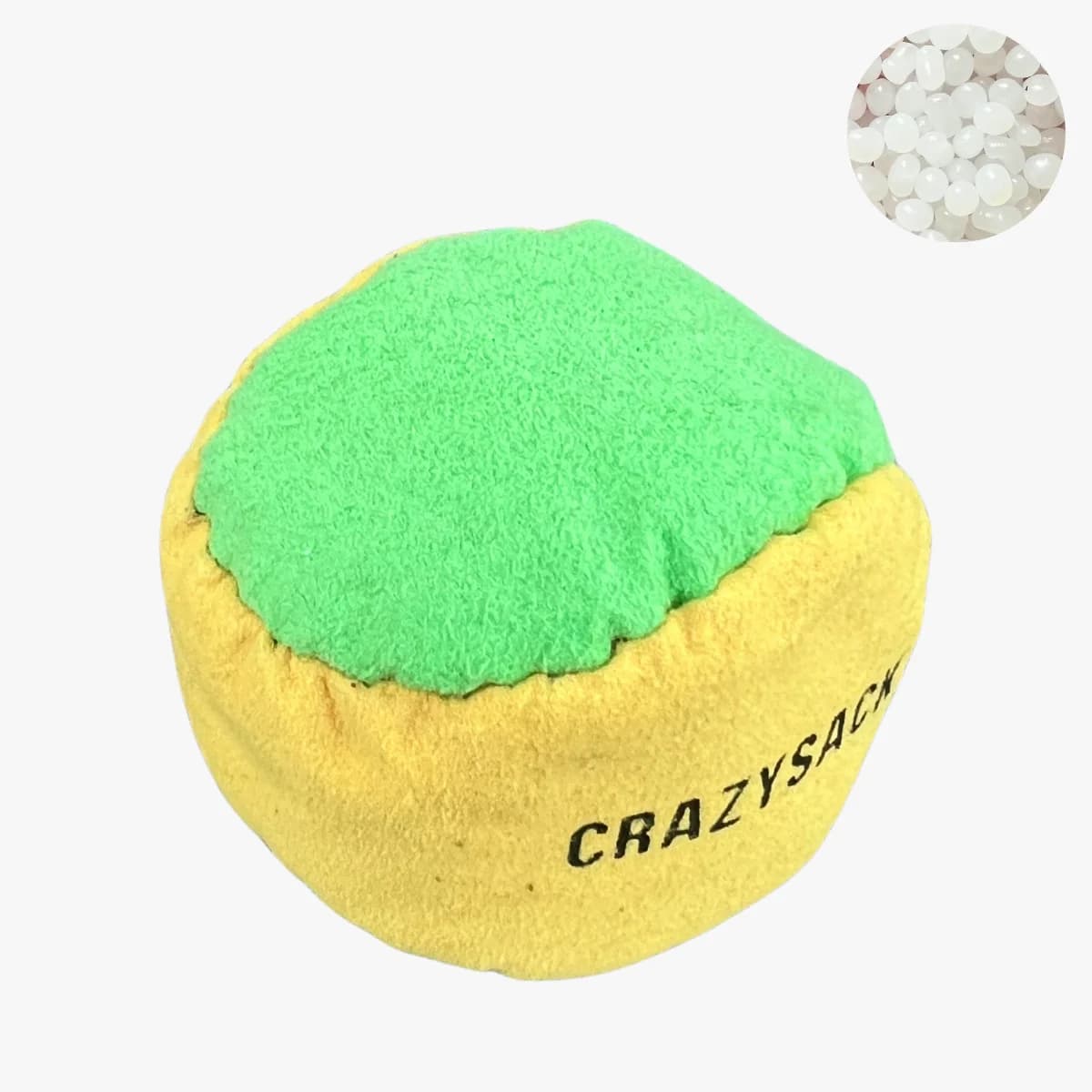
Hand-stitched in Germany, ready to ship.
You might also like
From Street Style to Competition: The Many Worlds of Hacky Sacks
Explore footbag culture from park circles and freestyle tricks to net games, shred contests, health benefits, and the players who shaped the scene.
1 min read
From Beginner to Pro: The Path to Hacky Sack Mastery
A clear progression from first kicks to freestyle tricks and group play — gear, basics, advanced moves, training habits, and community tips.
2 min read
How Hacky Sacks Make Your Evening Wind-Down Calmer
Turn after-work stress into light play: how a footbag helps you switch off, move gently, and reclaim your evenings.
3 min read