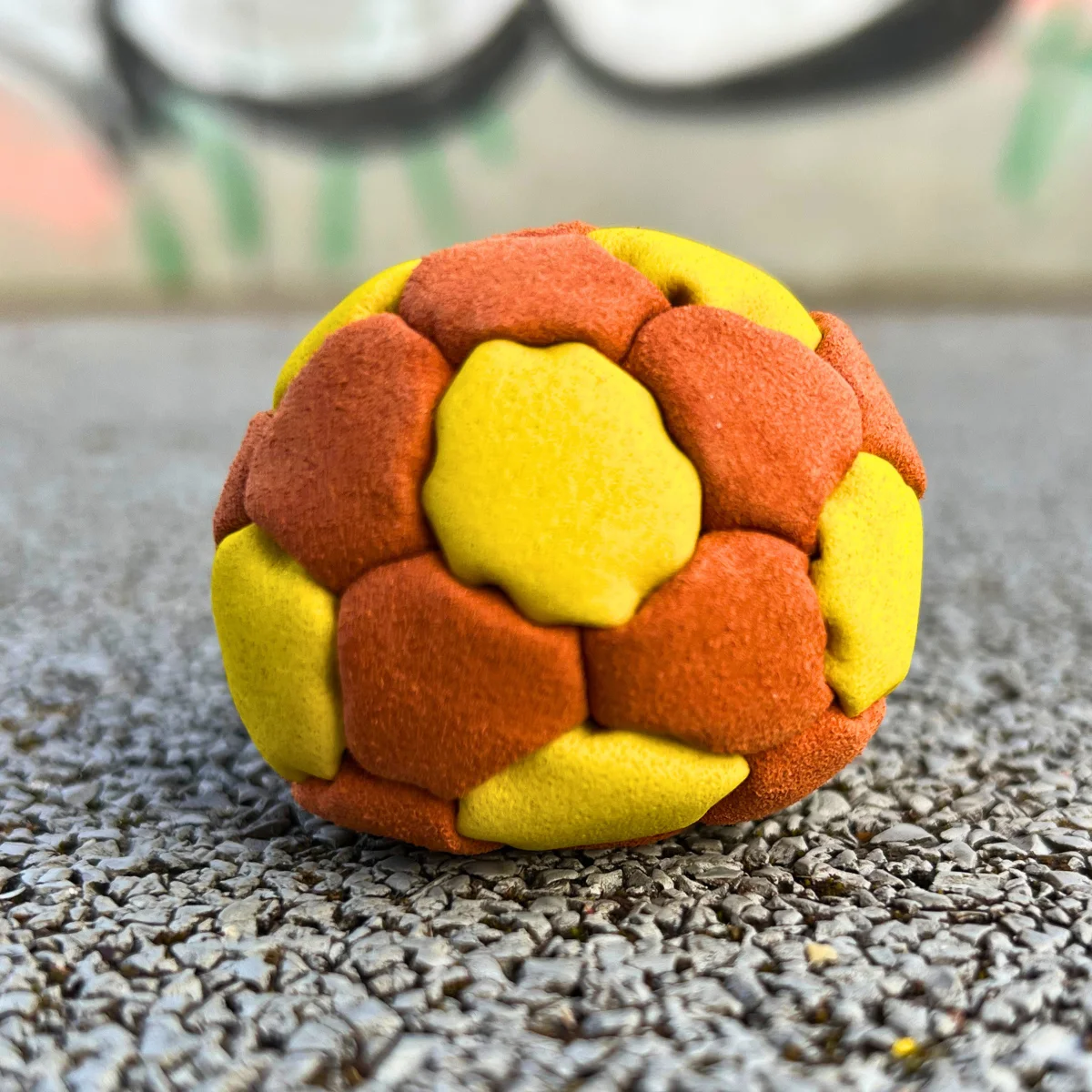
What footbags are
Origins and definition
Footbags (hacky sacks) are small bags filled with pellets or similar light media, kept aloft mainly with the feet. Popularized in the 1970s US by John Stalberger and Mike Marshall, the game grew from schoolyard circles into world championships and international leagues.
Easy to start; hard to master. Common formats include:
- Freestyle bags — small and soft for acrobatic tricks
- Net bags — larger and firmer for competitive net play
A flexible leisure sport
Youth, street performers, and serious athletes share the same low barrier: one bag, a little space. Coordination, endurance, and creativity keep sessions fresh. Parks, festivals, and pitches turn play into a social ritual — individual style inside a shared circle.
Footbag on the global map
Spread and organization
Associations exist in 30+ countries. The IFPA (International Footbag Players’ Association) runs worlds and regional events. Disciplines include:
- Freestyle — judged singles or pairs on technique and style
- Net — teams over a net, volleyball-adjacent
- Circle — cooperative keep-ups in a ring
Media without full commercialization
Compared with football or tennis, footbag stays lightly commercial — specialized bags, shoes, and apparel, but no mass-sport machine. Social media, though, exploded from the 2010s: YouTube, Instagram, and TikTok love the visual tricks. Tags like #footbag and #hackysack pull huge reach.
Crossovers with other sports
Breakers and freestylers warm up or perform with bags. Parkour and urban fitness use them for balance and foot feel. Football coaches borrow bag drills for fine motor control — some academies program them on purpose.
Culture and aesthetics
Creative self-expression
Freestyle values interpretation: personal combos, music-backed routines, clothing, and flow. Closer to breakdance or skateboarding than to stopwatch sports — freedom to stage yourself is the draw.
From niche symbol to broader scene
Long tied to nonconformist youth culture — festivals, skateparks, campuses in the ’80s and ’90s — footbag is shedding pure niche status. Newer players mix discipline with art without losing openness.
Style and merch
Wide pants, flat soles, playful accessories. Personalized bags become lifestyle objects as much as tools. Ready-made options live in our shop.
Health and athletic value
Coordination and body awareness
Constant foot juggling links brain and muscle. Players report better balance and faster reactions. For kids, play-shaped practice builds motor skills without dry drill culture.
Endurance and posture
Sessions look small from outside and feel like work inside — legs, core, and back clock in. Freestyle adds jumps, turns, and stretch. Some physios recommend it as a side tool for posture and stability.
Mental rest and social glue
Rhythm and immediate feedback invite flow — a meditative break from busy days. Circle play builds trust, mostly nonverbal communication, and a culture where drops are part of the game, not shame.
Schools and youth work
A teaching tool
Low entry means quick wins across ages. Teachers note better group dynamics after regular units — support, turn-taking, shared success.
Inclusion
Little kit and few prerequisites make footbag friendly across backgrounds and abilities; adapted forms exist for different needs. Difference reads as asset, not problem.
Curriculum hooks
Possible learning goals:
- Foundational motor skills
- Social cooperation
- Focus and discipline
- Creative expression through choreography and trick design
Flexible formats: technique blocks, group projects, or light contests.
Closing: more than a toy
Footbag earned a real place in modern sport culture — freestyle, net, pedagogy, and street play under one small shell. It braids sport, art, community, and health in a way that fits a restless age.
If you want something accessible, demanding, and open, give the bag a fair try. Keeping it up is the visible game; discovering how you move is the quieter one.
Matching footbags from our shop
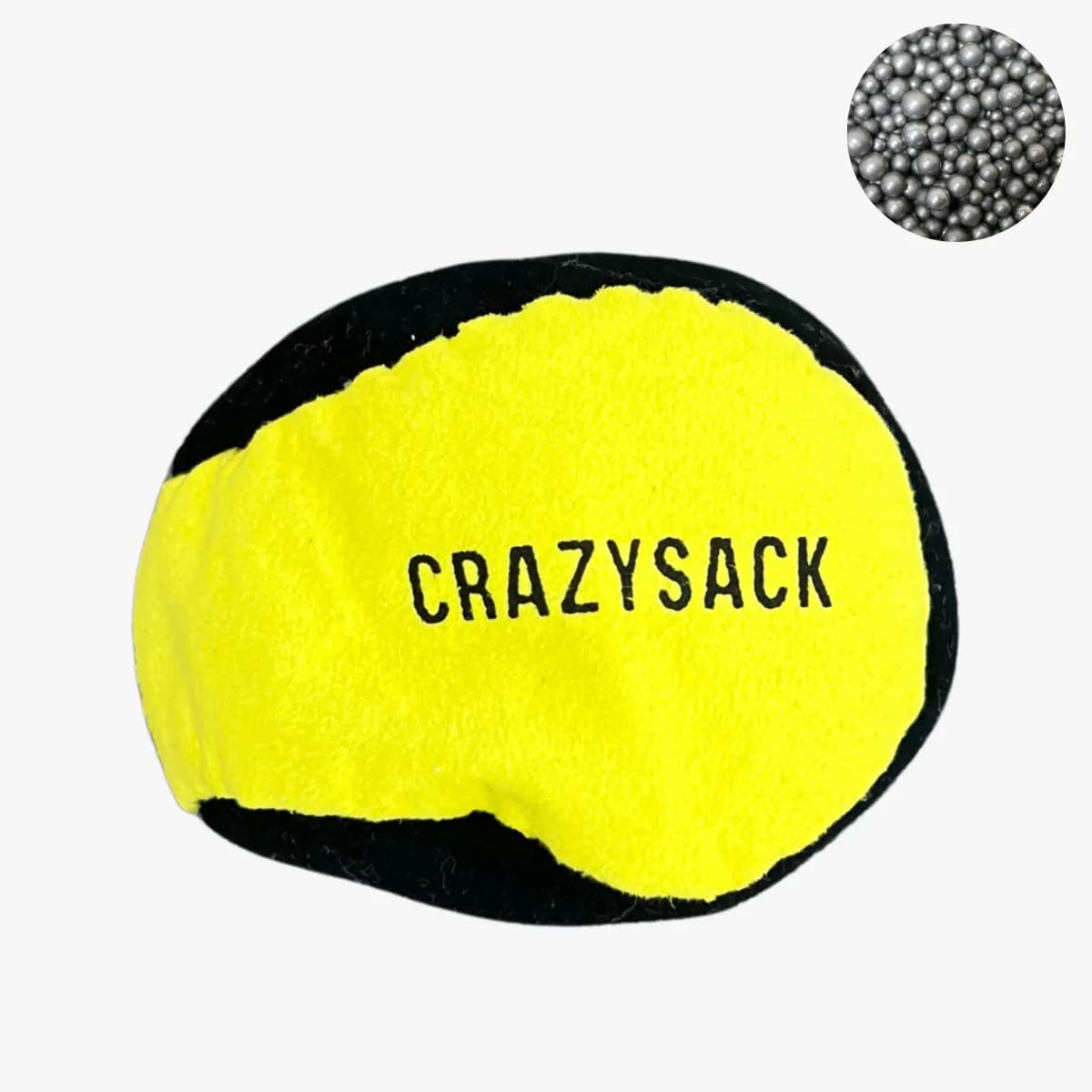
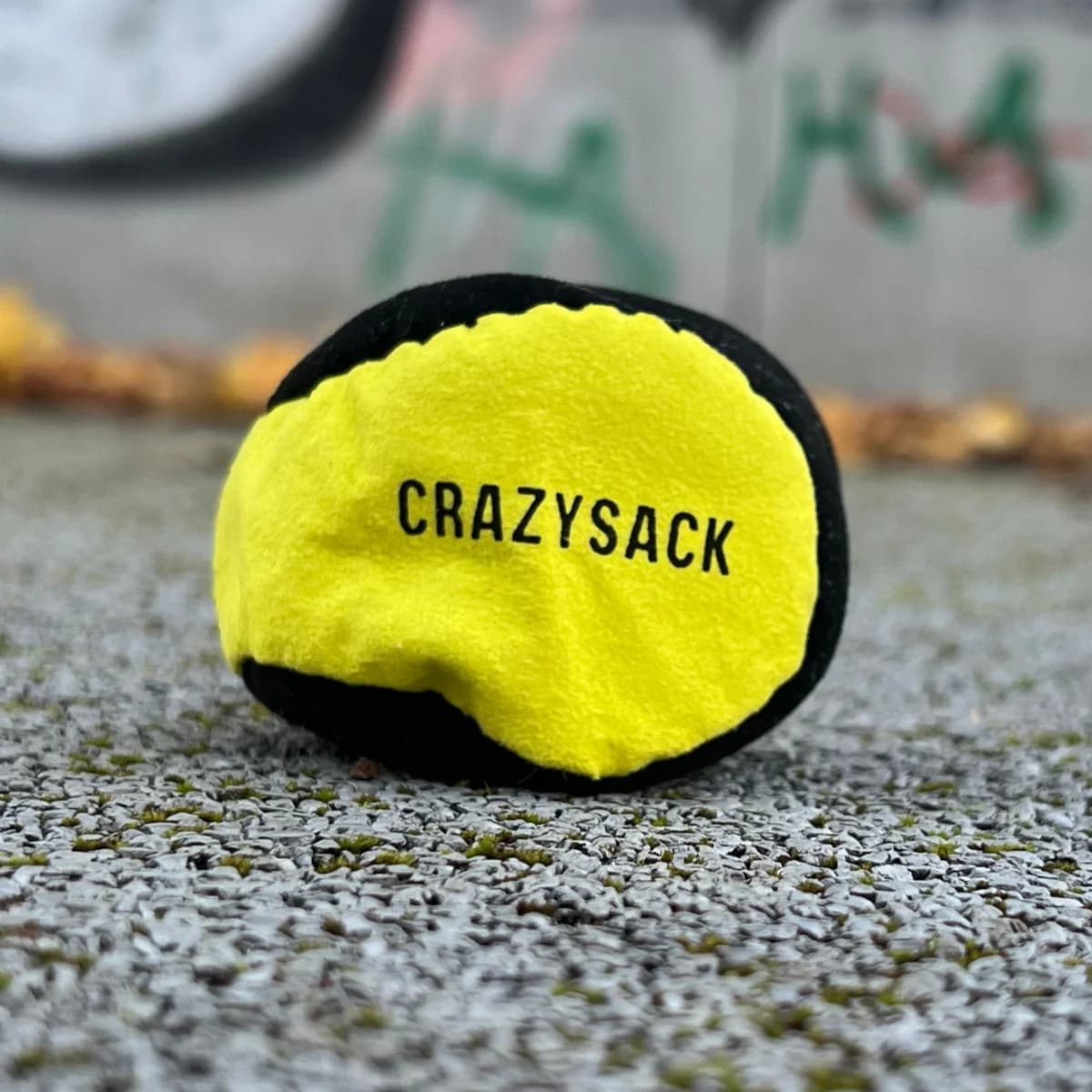
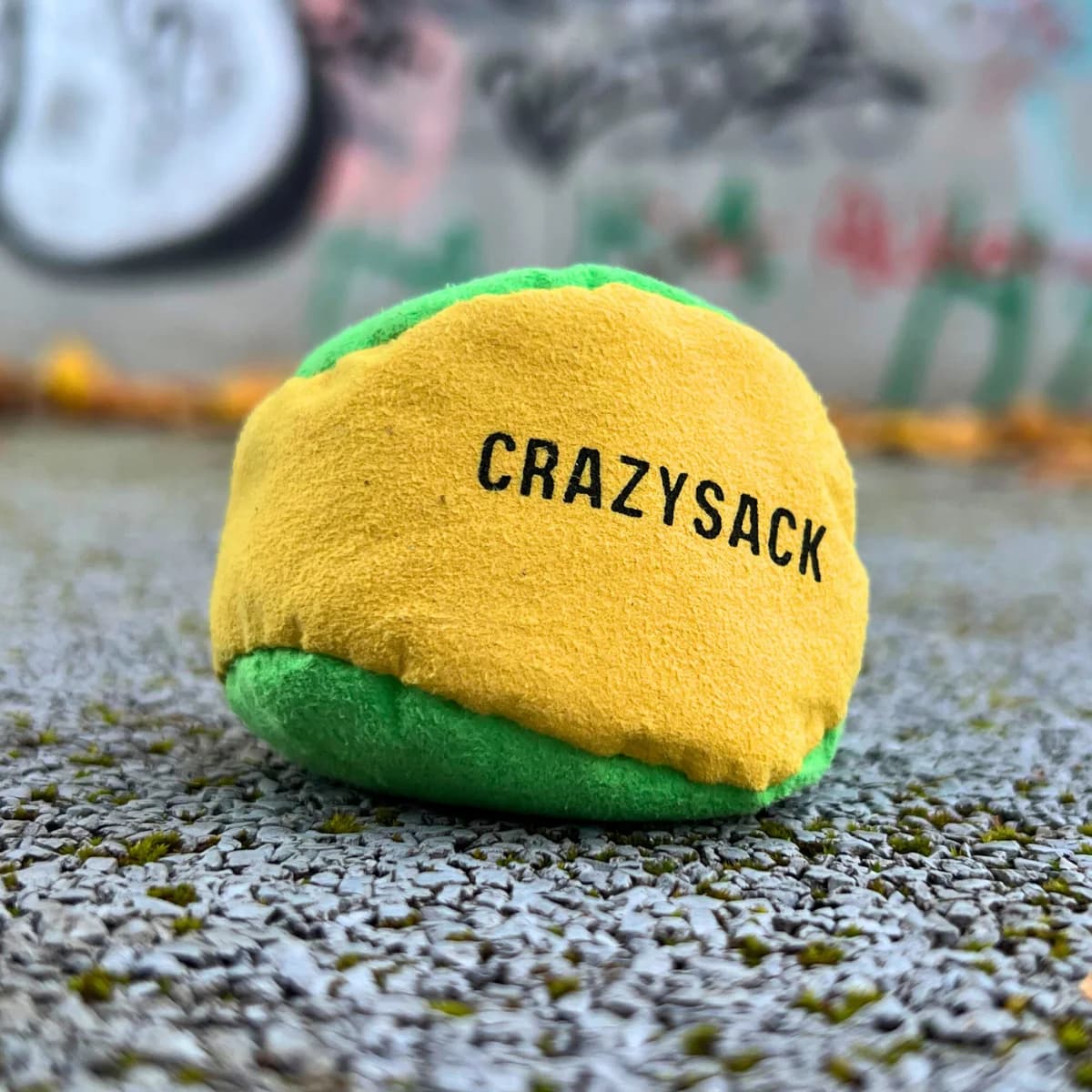
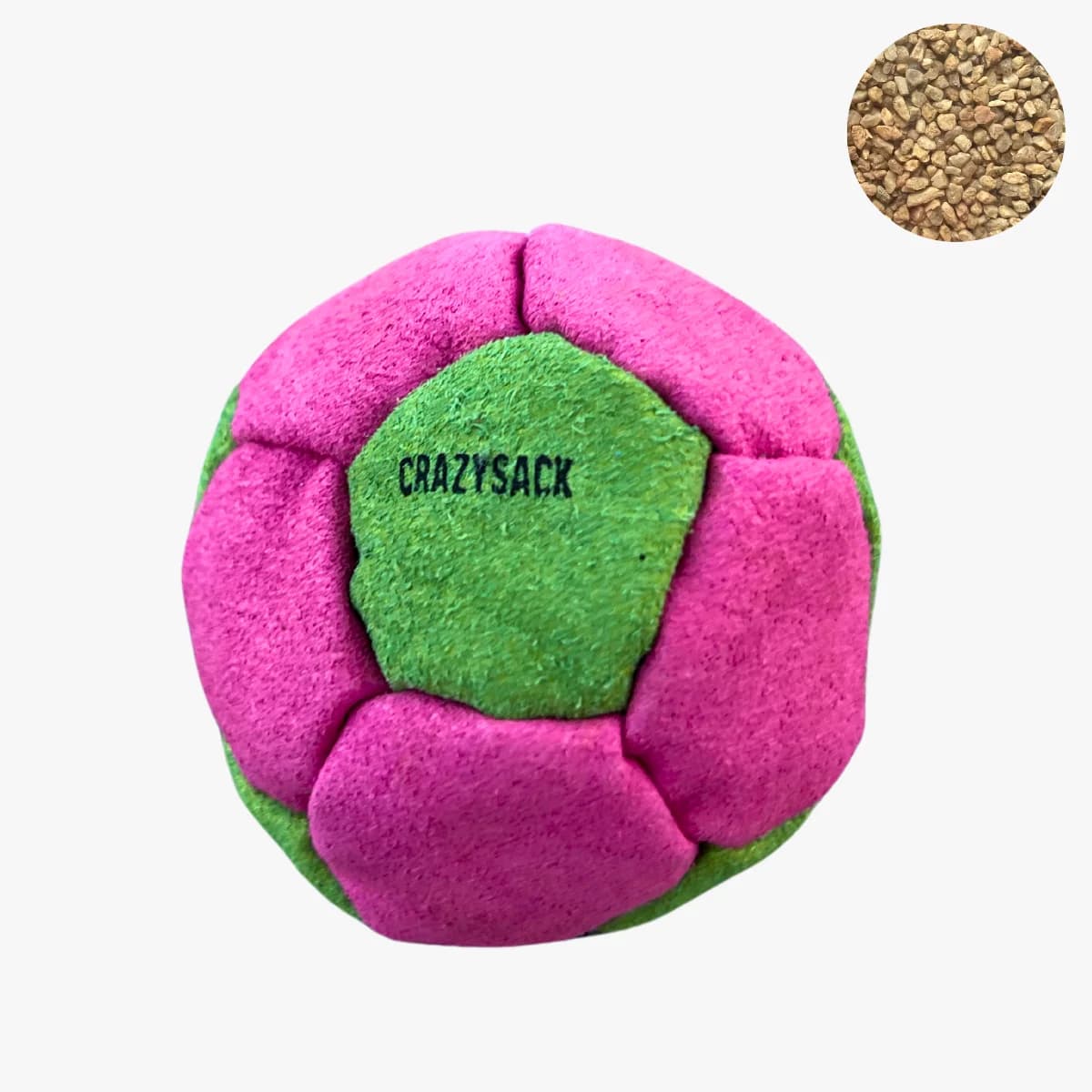
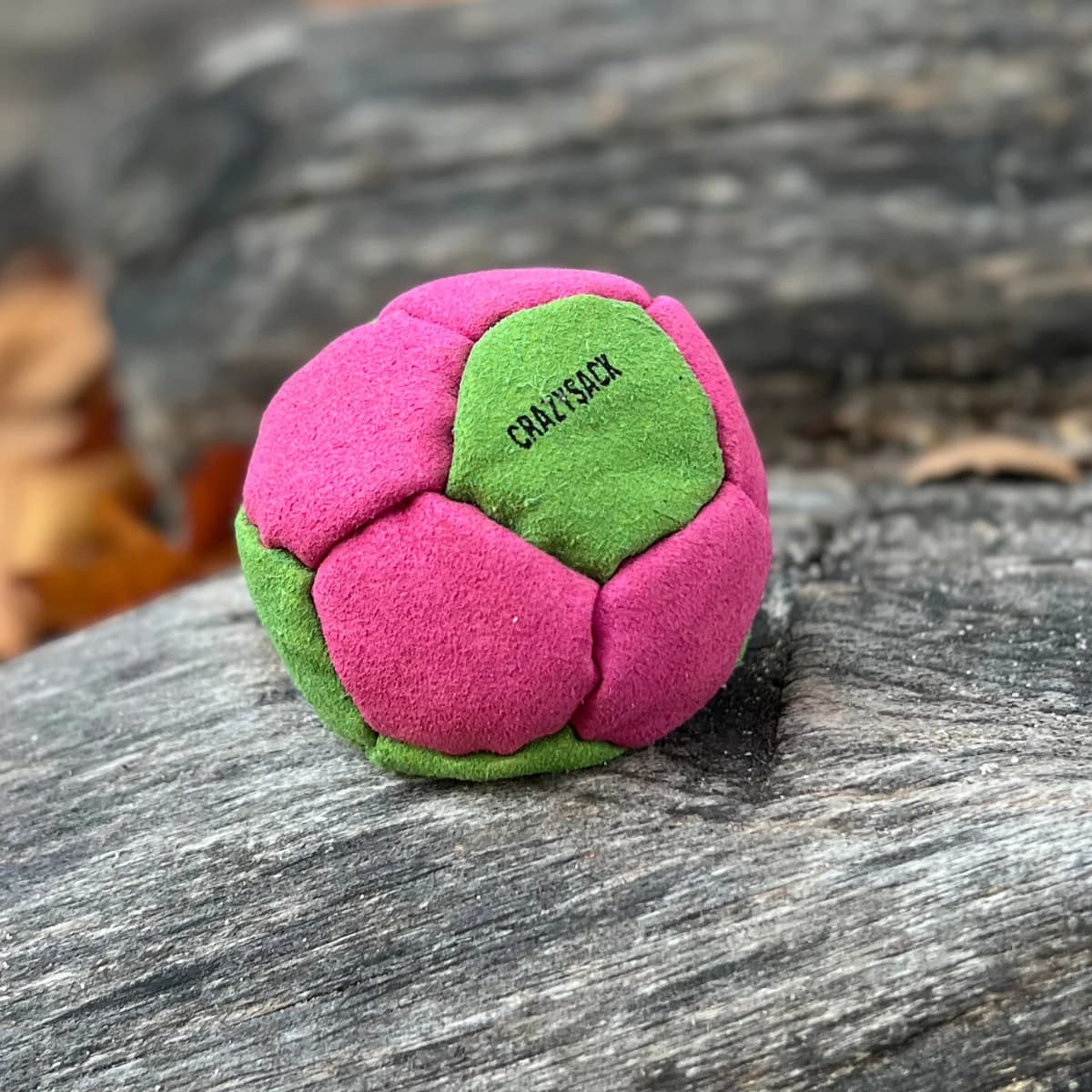
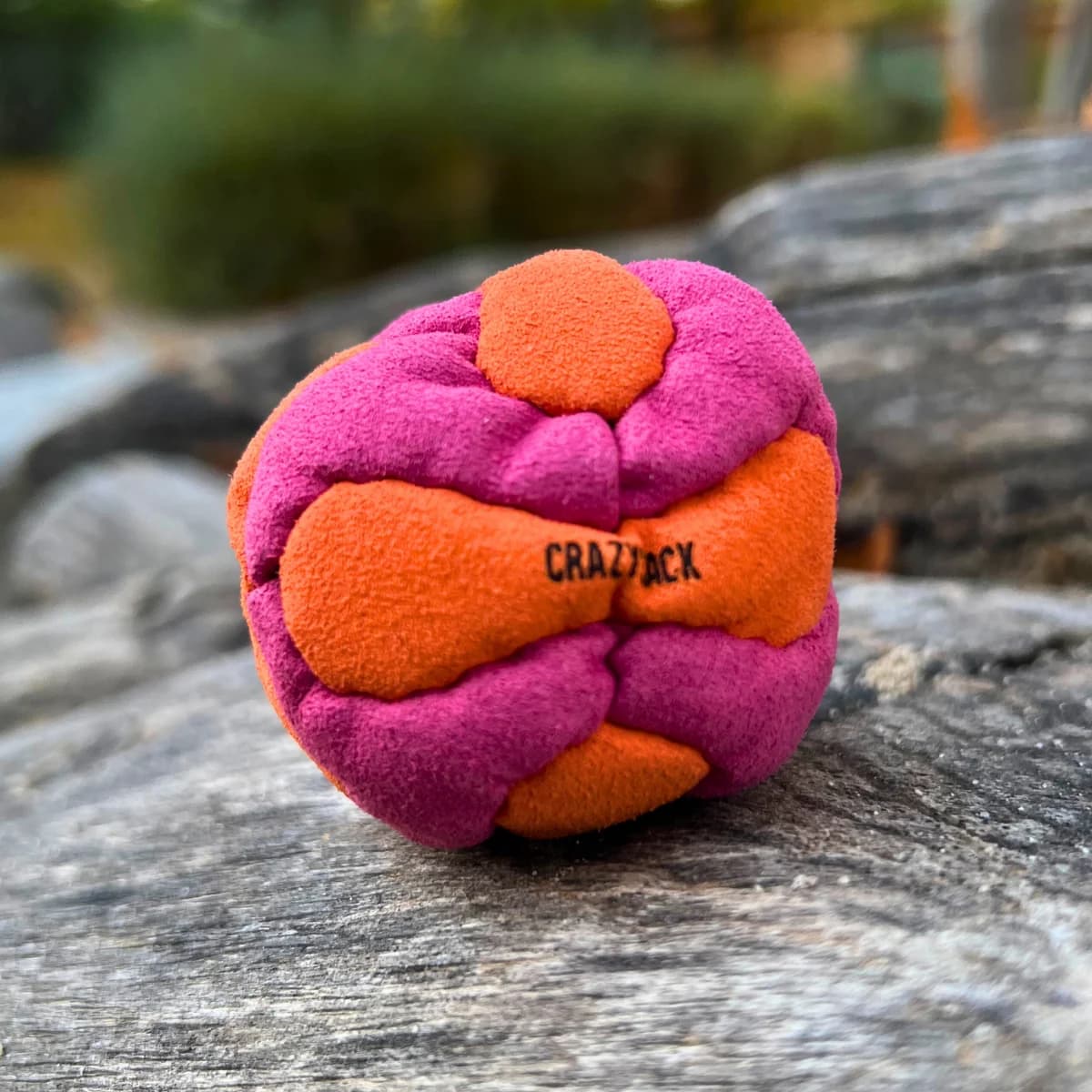
Hand-stitched in Germany, ready to ship.


You might also like
Why Handcraft Still Matters for Hacky Sacks
How handmade footbags deliver cleaner seams, unique character, and more thoughtful production than pure mass manufacturing.
2 min read
How Hacky Sacks Make Your Evening Wind-Down Calmer
Turn after-work stress into light play: how a footbag helps you switch off, move gently, and reclaim your evenings.
3 min read
Why Footbags Make a Genuinely Rewarding Hobby
Fitness, creativity, community, and almost zero gear — why footbags (hacky sacks) enrich daily life for kids, adults, and families alike.
1 min read