
A small bag with a serious training profile
A hacky sack (footbag) is a cloth pouch filled with pellets or beans, kept up mainly with the feet. Popularised in the 1970s US scene, it looks like casual play — and it is. It is also useful enough to show up in rehab, physio, and gym warm-ups because of how it loads coordination and attention at once.
Biomechanics: coordination and proprioception
Every kick asks toes through core (and sometimes shoulders on fancy stalls) to sync. The bag does not bounce like a ball; mass and soft shell make flight less predictable, so you practise rapid motor correction.
Proprioception — sensing limb position without staring — gets heavy reps. Joints, tendons, and muscles feed the brain constant position data. Players often feel steadier in other sports afterward: running, skiing, football — fewer “where is my foot?” surprises.
Brain training in disguise
Staying with the bag raises demand in prefrontal areas tied to attention and decisions. Short sessions leave many adults clearer-headed; some ADHD contexts use similar foot–focus drills for self-regulation support.
Sensorimotor loops through cerebellum and cortex also strengthen left–right hemisphere teamwork. Practical side effects people notice:
- Faster reactions
- Better multitasking under light load
- Finer foot control
- Stronger spatial sense
Functional fitness, warm-up, cool-down
Footbag is dynamic chain work: calves and feet, quads and glutes, core for balance, arms only if you add freestyle flair. Moderate pulse rise suits warm-ups; gentle keep-ups suit cool-downs — stretch, lower heart rate, drop stress without another screen.
Psychology and group dynamics
Rhythm plus focus often tips into flow — deep absorption that feels almost meditative. Circles add nonverbal timing, shared goals, and easy team-building energy. That is why workshops and classrooms keep adopting the bag.
What the research angle says
Sport-medicine and movement-science work (including UC-linked findings on multi-week footbag practice) points to gains in balance, reaction time, and posture. Broader observations: lower stress markers for some, better school readiness behaviours in kids, and useful return-to-play loading after certain injuries. Older adults can use soft play for fall-prevention style balance work.
Versus balance boards or reaction balls, a footbag wins on portability, tiny space needs, low injury risk, and age range.
Small sphere, large return
One tool hits coordination, stability, reactions, focus, and social play. Need a training bag that holds shape under daily reps? See options in our footbag shop. Once you start, the “toy” label rarely sticks — body and attention notice first.
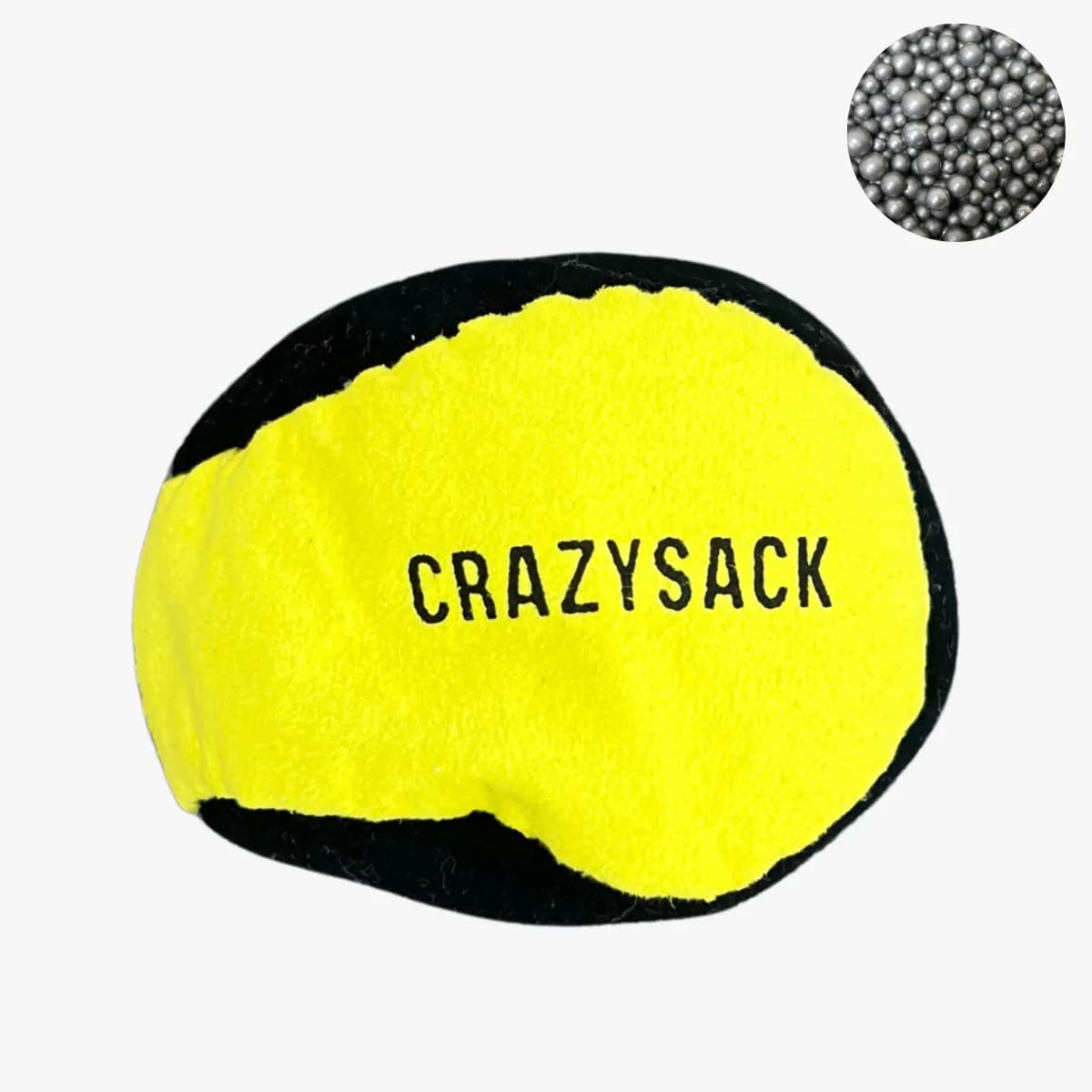
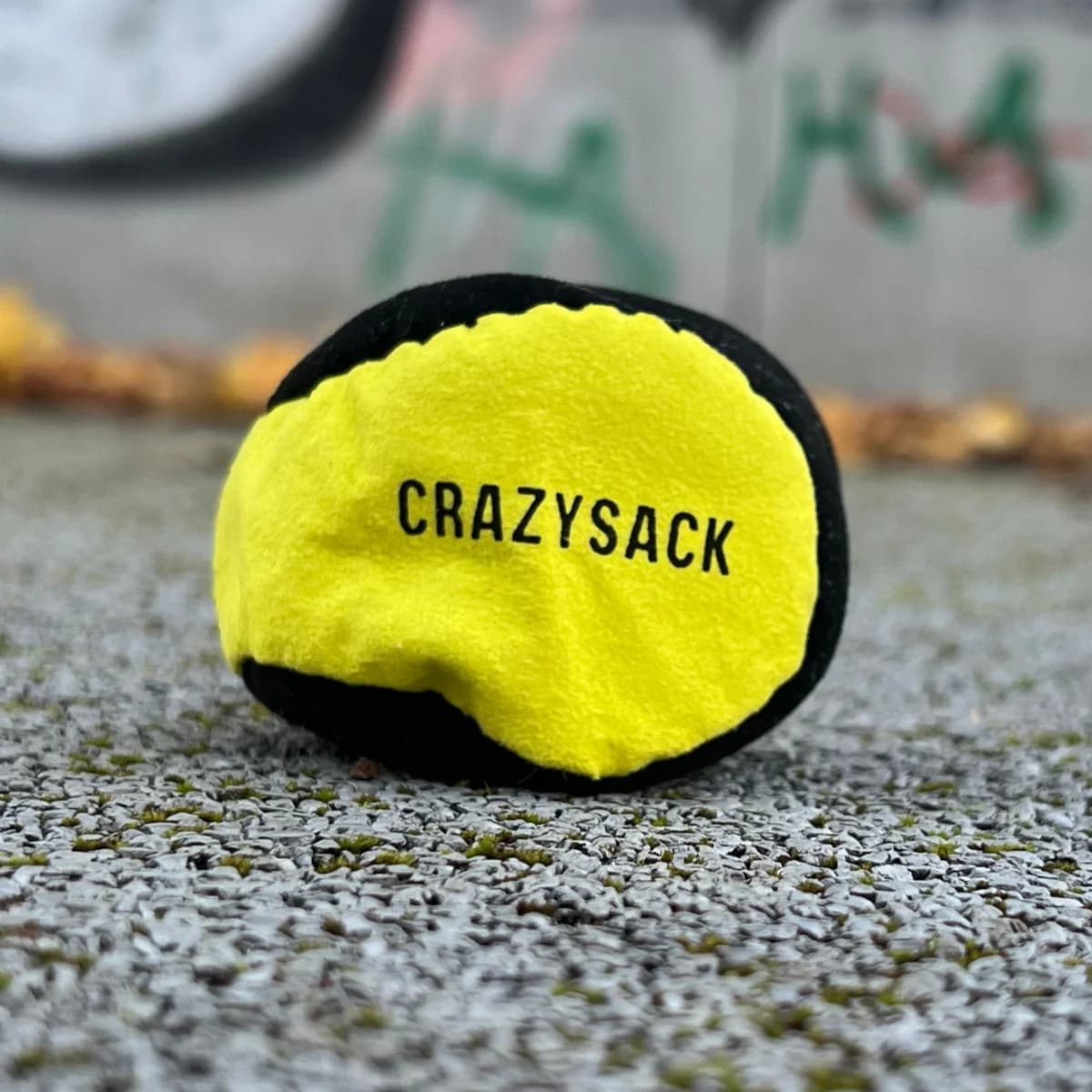
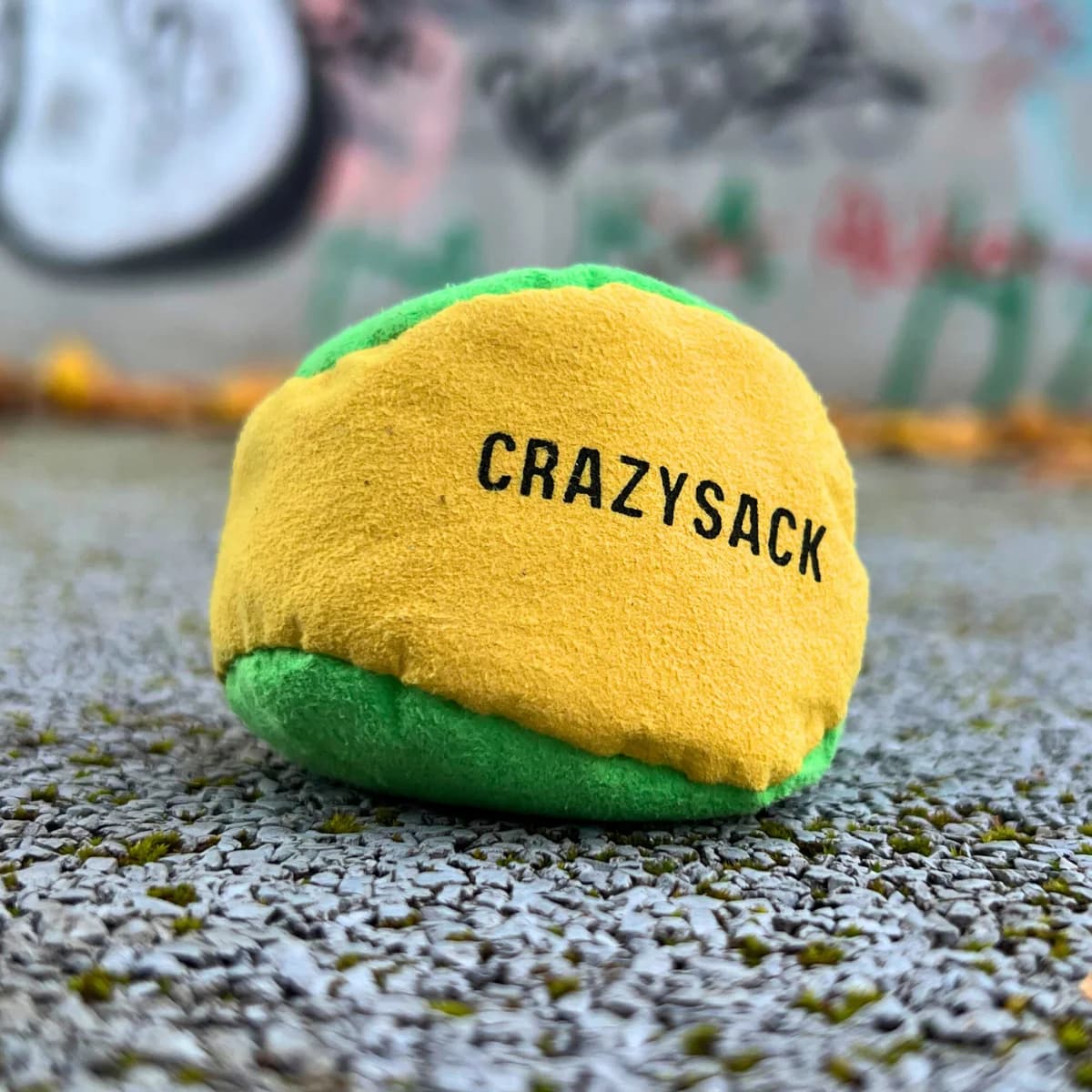
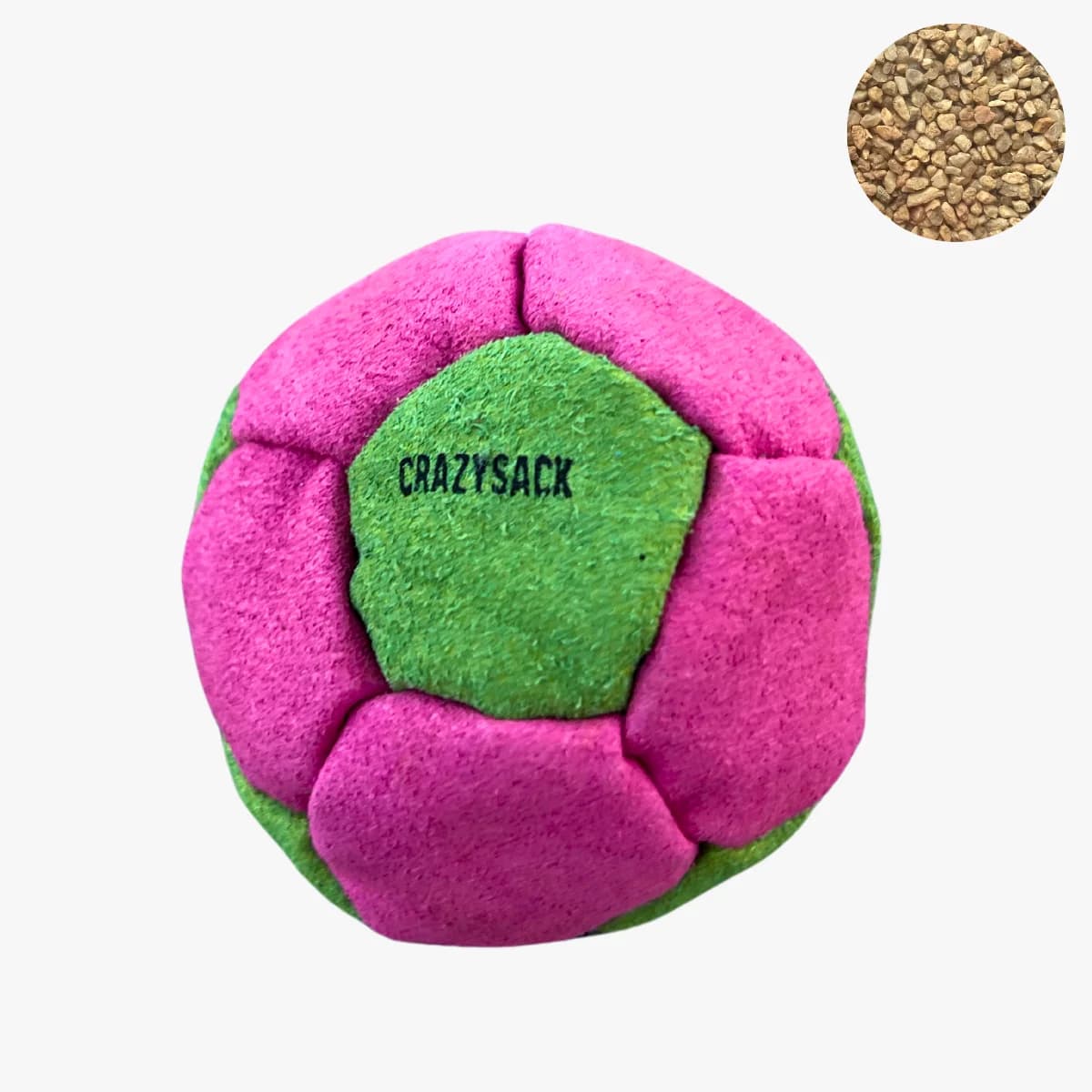
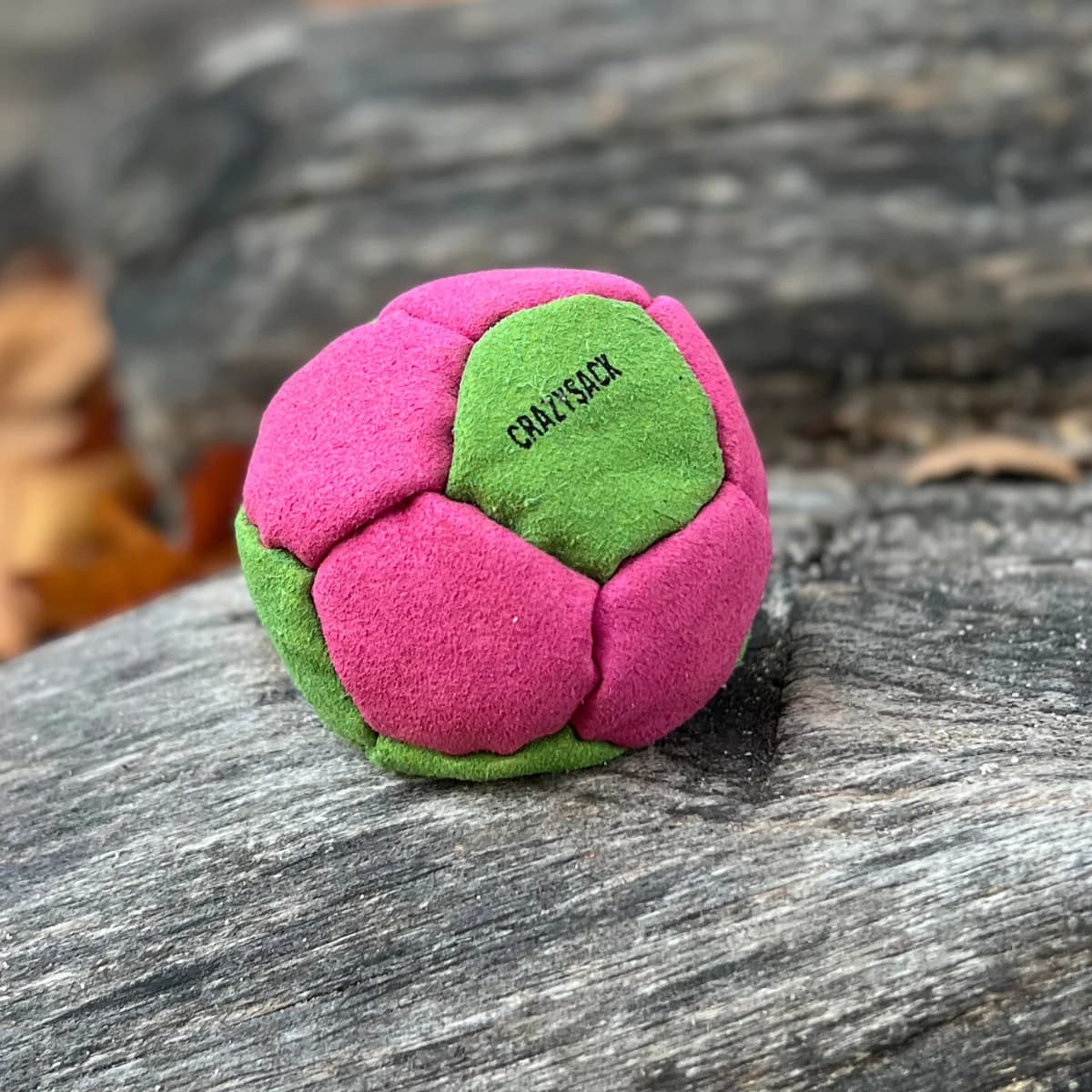
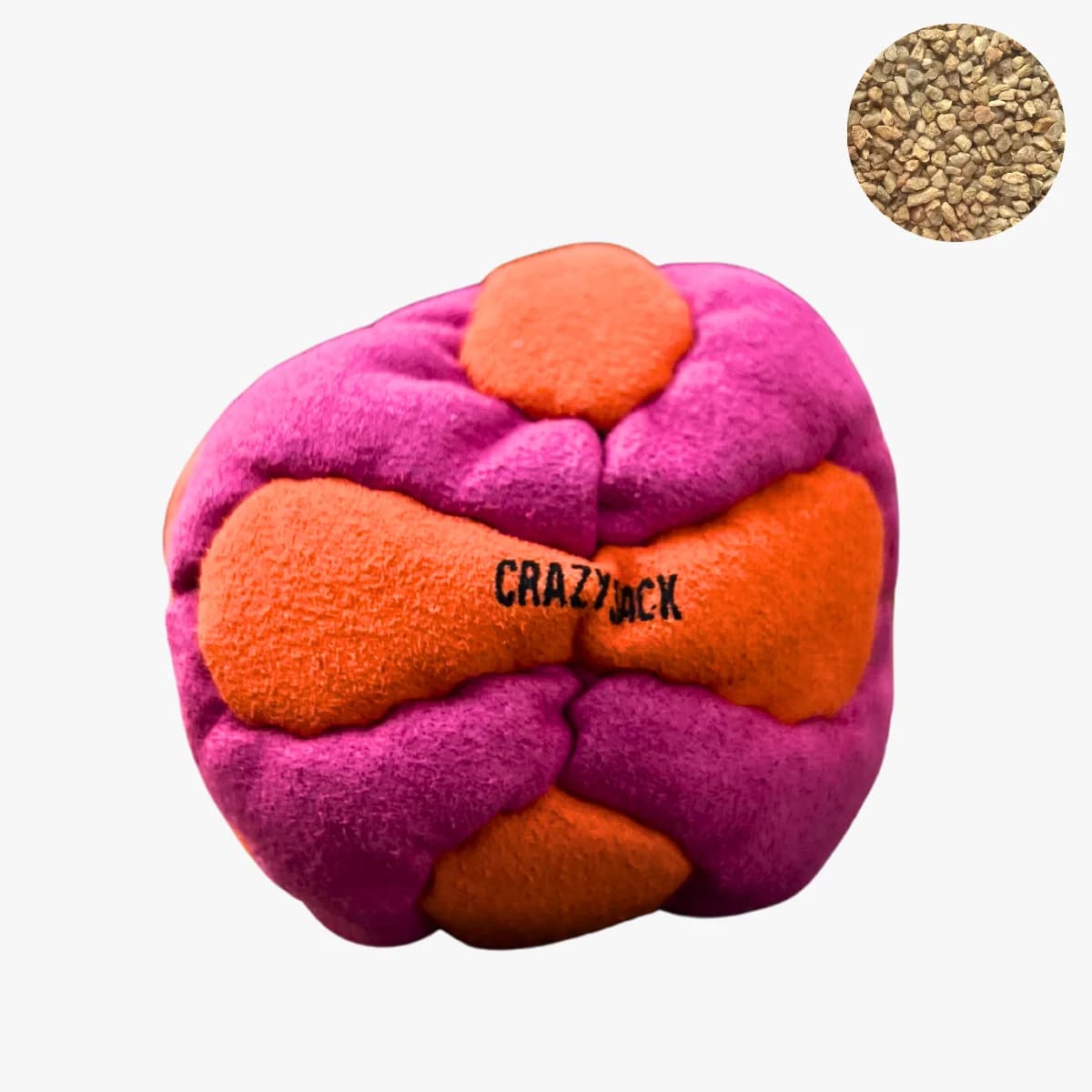
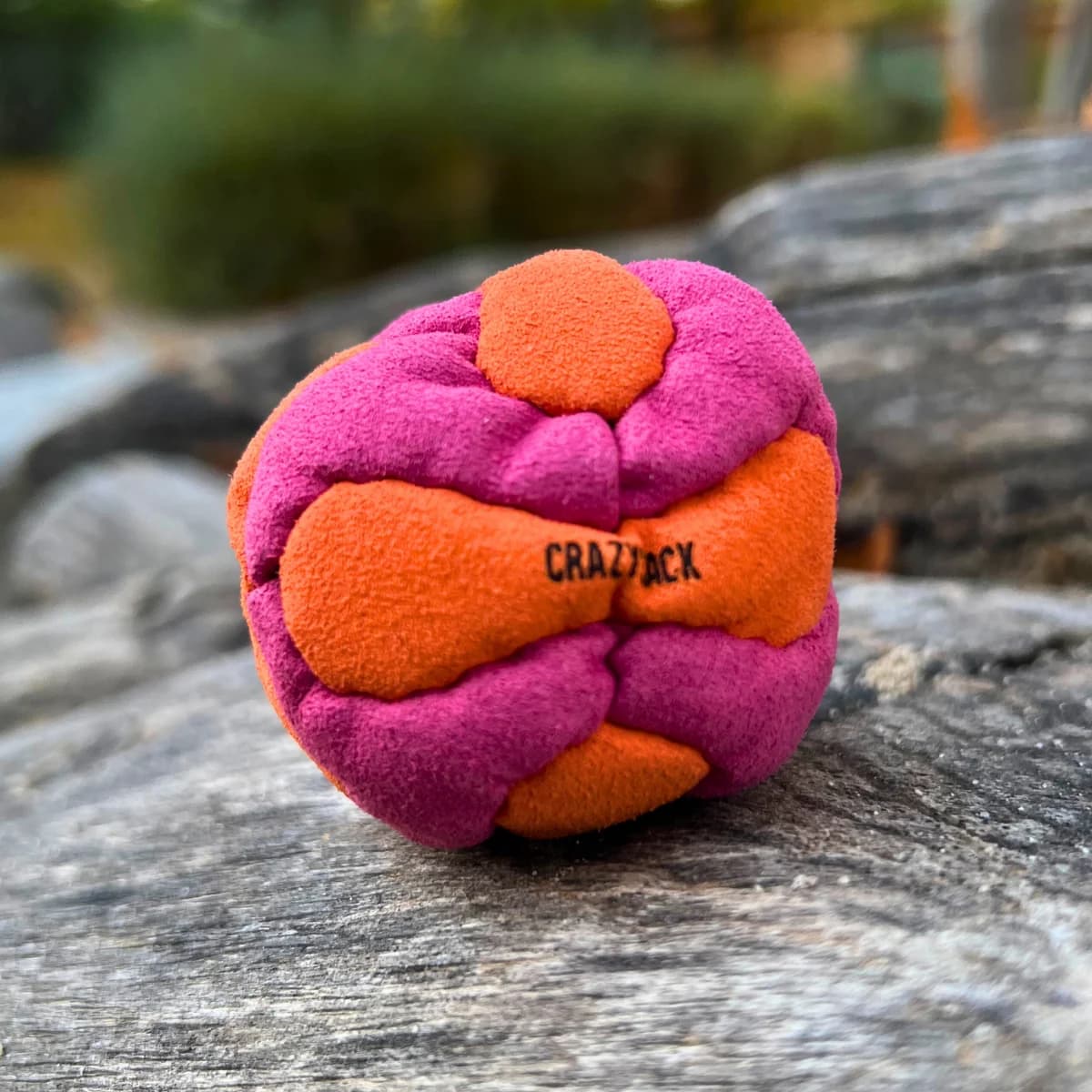
Matching footbags from our shop
Hand-stitched in Germany, ready to ship.

You might also like
How Hacky Sacks Make Your Evening Wind-Down Calmer
Turn after-work stress into light play: how a footbag helps you switch off, move gently, and reclaim your evenings.
3 min read
Why Footbags Make a Genuinely Rewarding Hobby
Fitness, creativity, community, and almost zero gear — why footbags (hacky sacks) enrich daily life for kids, adults, and families alike.
1 min read
Best Techniques to Kick and Catch a Hacky Sack
Inside and outside kicks, toe stalls, thigh catches, Around the World, Sole Pop — footbag throw-and-catch techniques for beginners and beyond.
2 min read