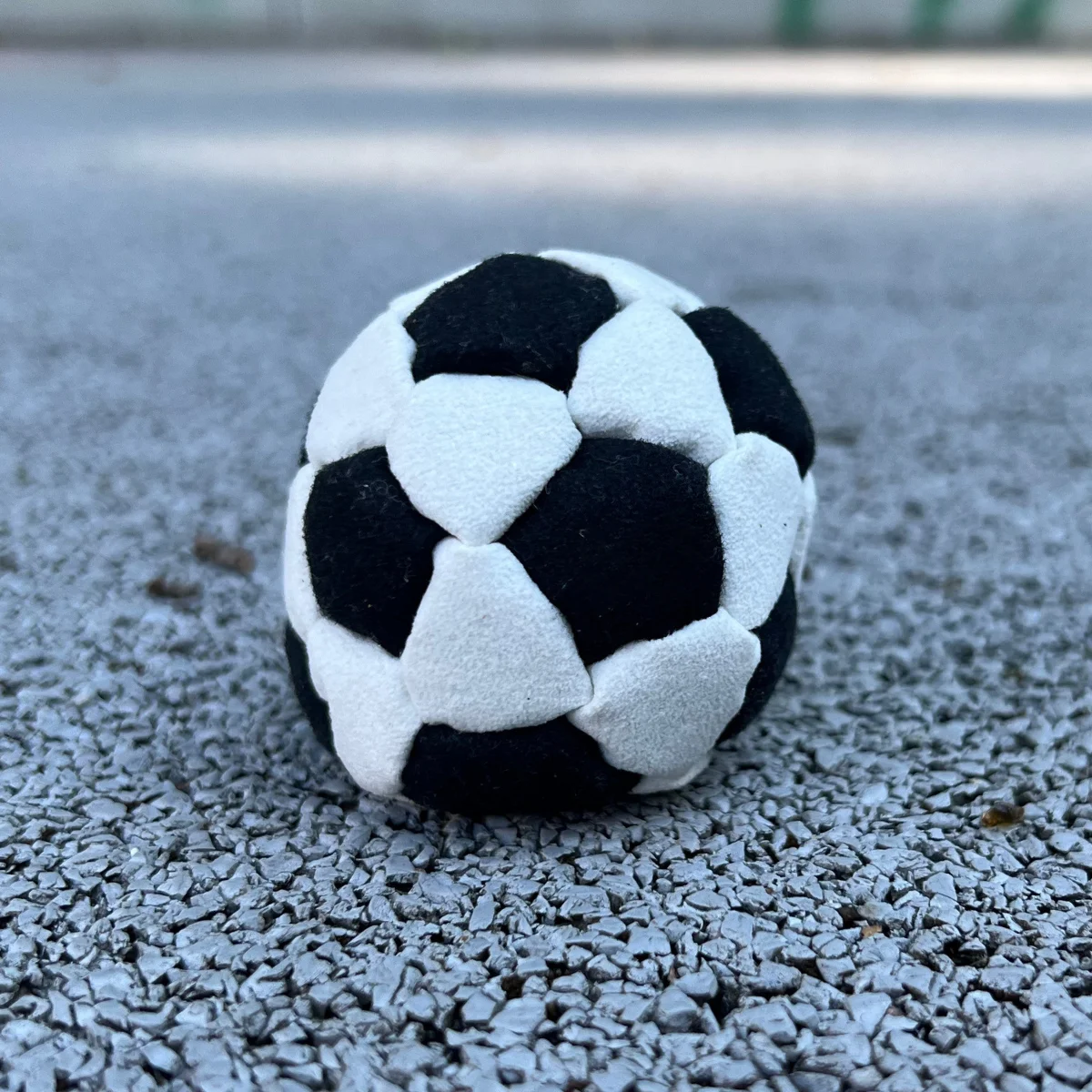
Footbag is entertaining — and it is also a sharp teambuilding tool. It pulls people into shared play and trains collaboration, communication, and mutual trust. Company offsite, school group, or friends: the circle strengthens how a team works together.
You need almost no gear, and any age can join. That flexibility means you can drop it into many contexts. Playing together makes each person’s role in the group visible and builds a lighter, more positive group feel.
What is footbag?
Players keep a small soft bag — the footbag — off the ground, mostly with the feet, sometimes with knees, shoulders, or head. The goal is to keep it moving and, when the group wants, stack creative tricks.
It looks simple; coordination and timing decide everything. Players must match each other’s movement so the bag stays controllable. That challenge works for beginners and experienced players alike.
Casual rounds often form a circle and chase long rallies. Competitive scenes also run contests that score complex freestyle and net play — useful context, but teambuilding usually stays in the friendly circle.
Why footbag fits teambuilding
Everyone has to watch everyone else. Miss the next contact and the rally dies — so attention and cooperation stay high. That constant interaction tightens the group.
Keeping the bag alive asks for physical skill and mental focus. People learn to rely on each other and combine different strengths. The shared effort produces a real sense of “we,” not a slide-deck slogan.
Loose rules help: participants can invent, laugh, and still chase a common goal. A bit of friendly competition keeps energy up without turning the room into a ranking exercise.
Communication and coordination
Much of the talk is non-verbal. Players decide in the moment and signal with body language — useful practice for any workplace where speed matters.
Adjusting to how others kick sharpens reflexes and group timing. Action and reaction sync the team into one unit instead of parallel solo acts.
Trust and responsibility
One drop can end the rally. That makes individual accountability obvious without a lecture. Players own their contacts and learn to trust that others will do the same.
Belonging grows when everyone feels needed. Those habits — trust, responsibility, showing up for the group — transfer beyond the circle.
Fun and motivation
The tone stays playful and dynamic. Challenge plus fun is a strong motivator: people want to join in and support each other’s attempts.
Light competition between mini-teams (longest rally, fewest drops) raises energy while still rewarding mutual help. When teambuilding feels like play, cooperation improves on its own.
How to run it
You need one or more footbags and open floor or outdoor space. Form a circle and start kicking. Icebreakers happen while coordination improves.
Scale difficulty: chase a target number of consecutive touches, or split into smaller teams racing for the longest keep-up. Variations keep attention high and collaboration tight.
Soft, durable bags for mixed skill levels are easy to grab from our shop before the session.
Bottom line
Footbag is a simple, effective way to grow team spirit — communication, trust, and coordination included. Office, school, or leisure: adapt the challenges to the group and watch people connect through shared play.
FAQ
Why does footbag work for teambuilding?
Shared goal, constant attention to others, and playful trust-building — the circle only works when the group works.
Who can use it?
Almost any group and fitness level. Rules stay light and scalable.
How do you set it up?
Bags, open space, circle up. Add rally targets or team vs team keep-ups as needed.
How much space?
Not much — meeting room, break area, or yard — as long as people can move without colliding.
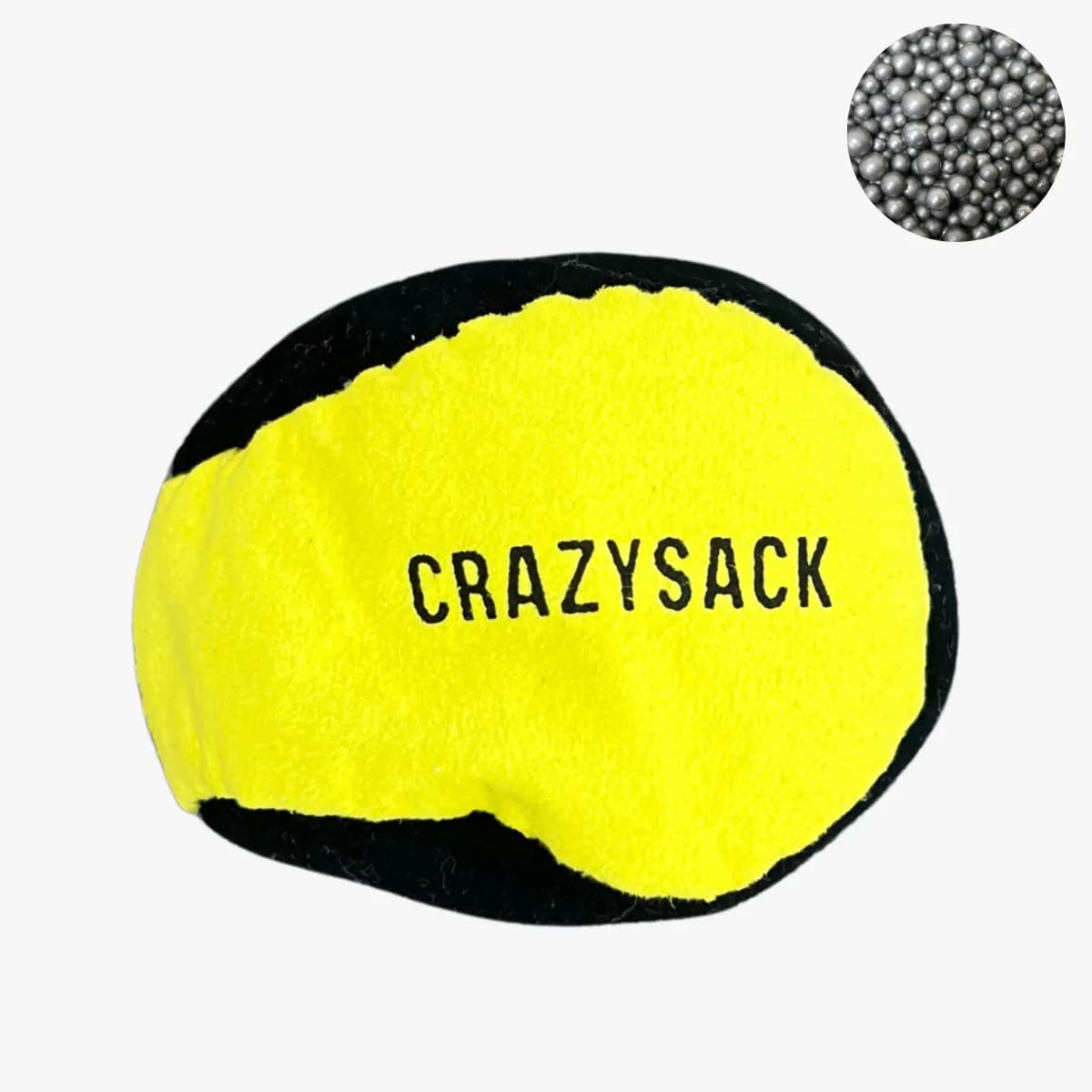
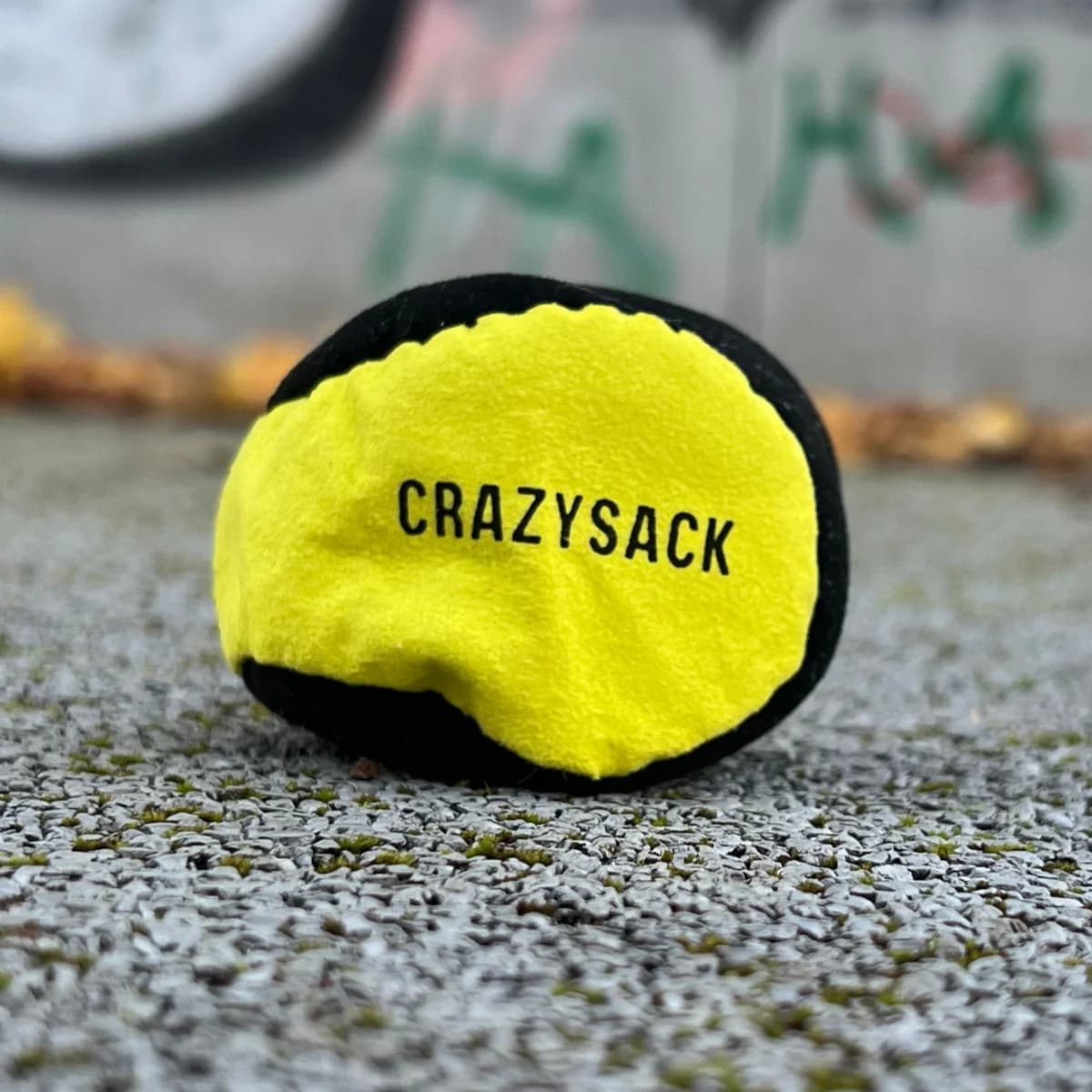
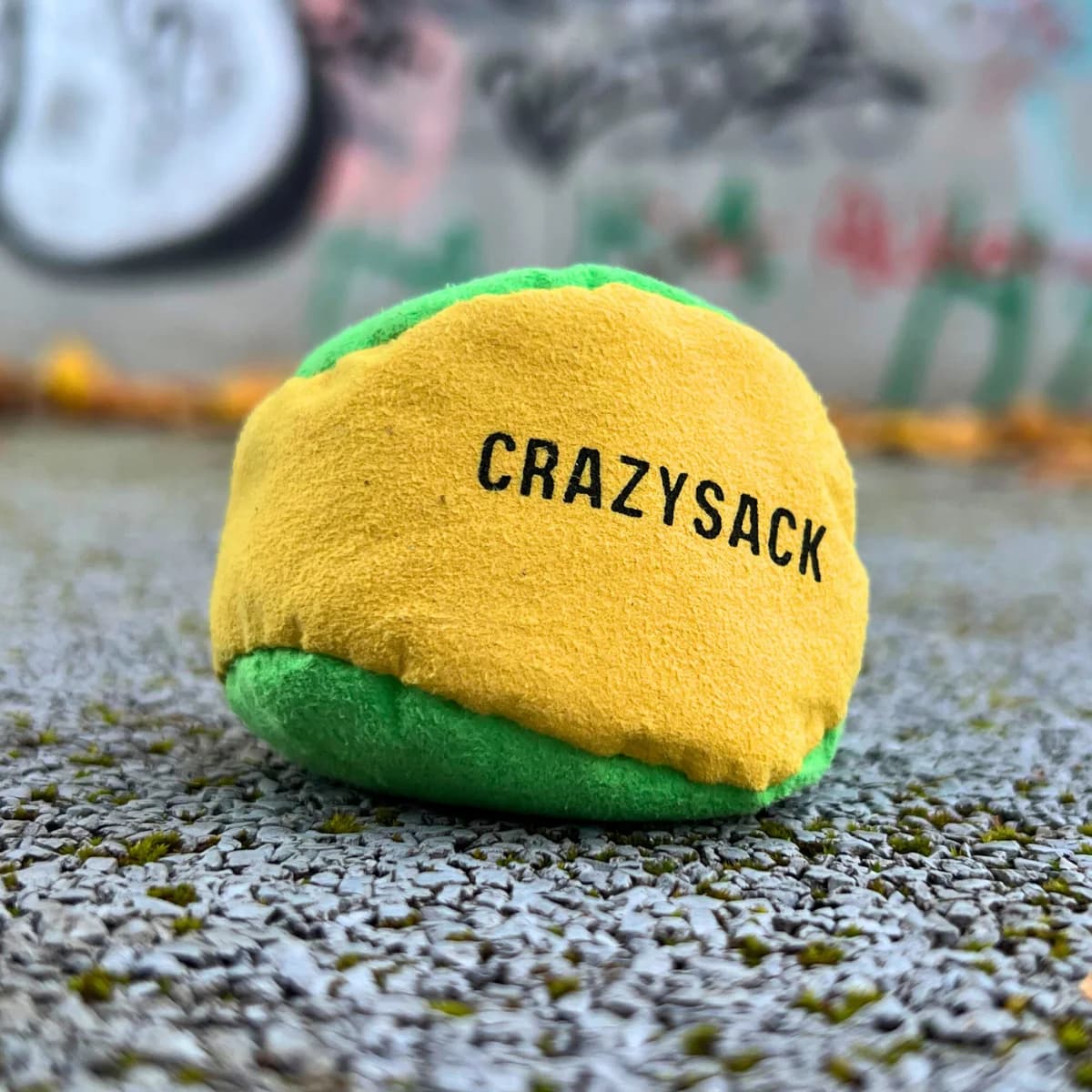
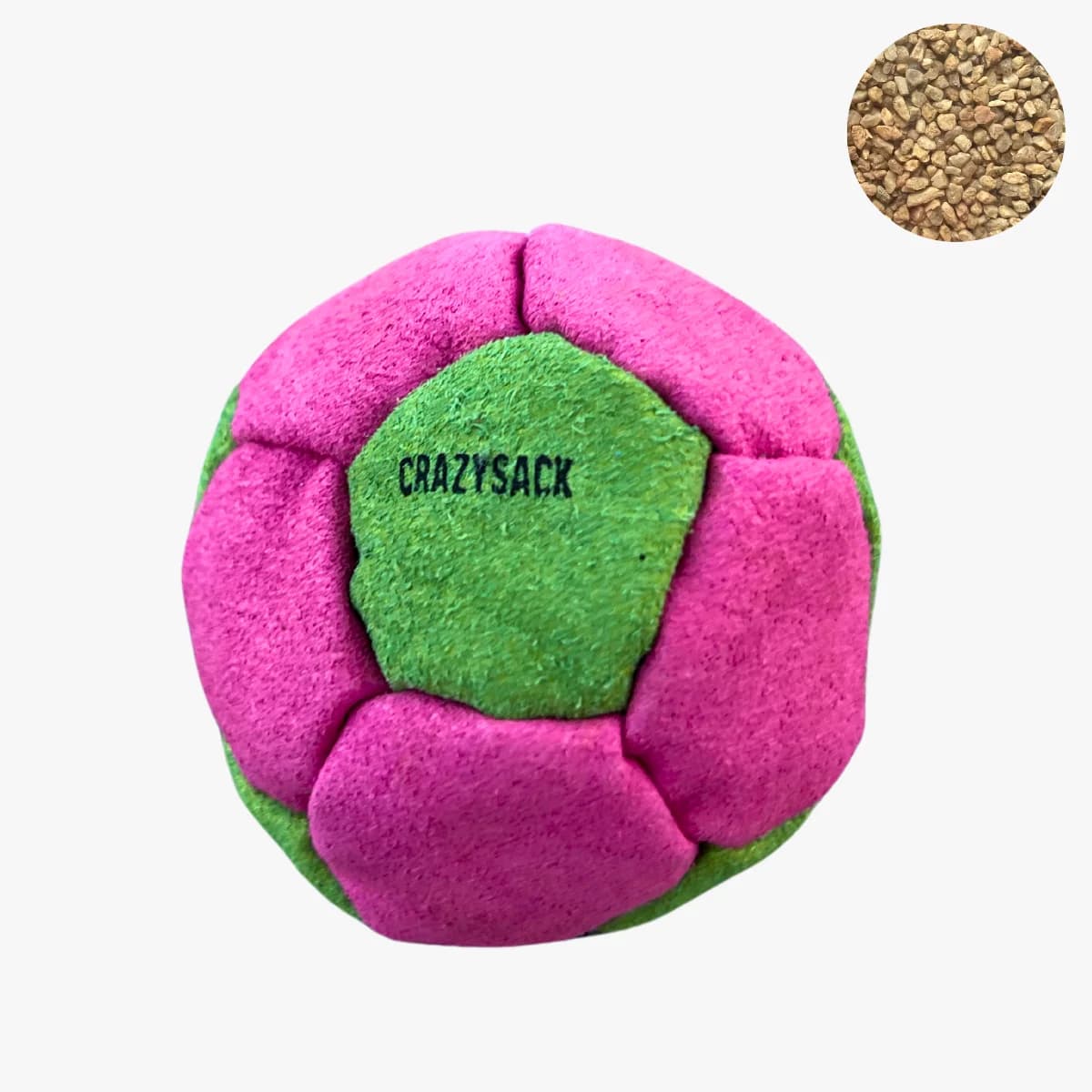
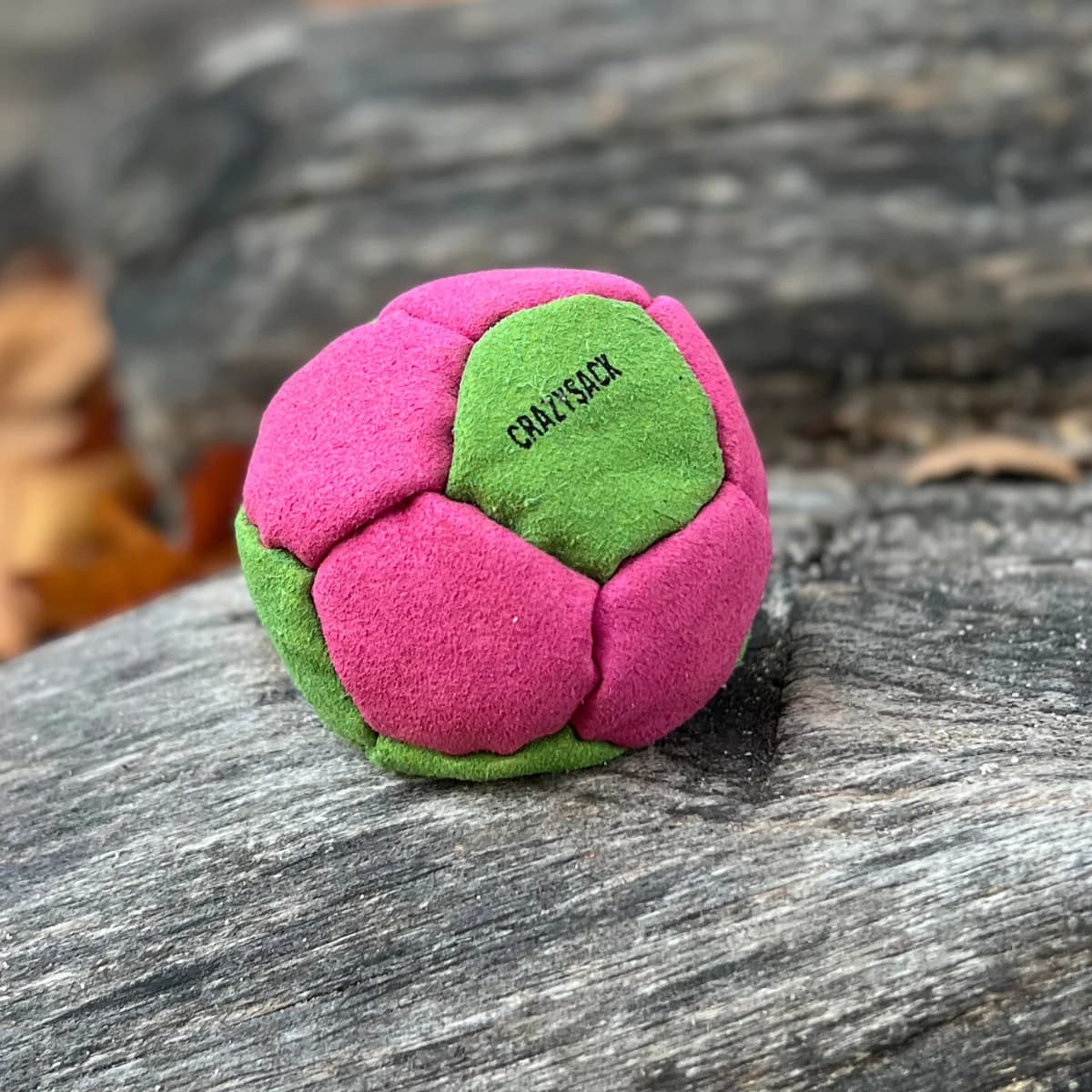
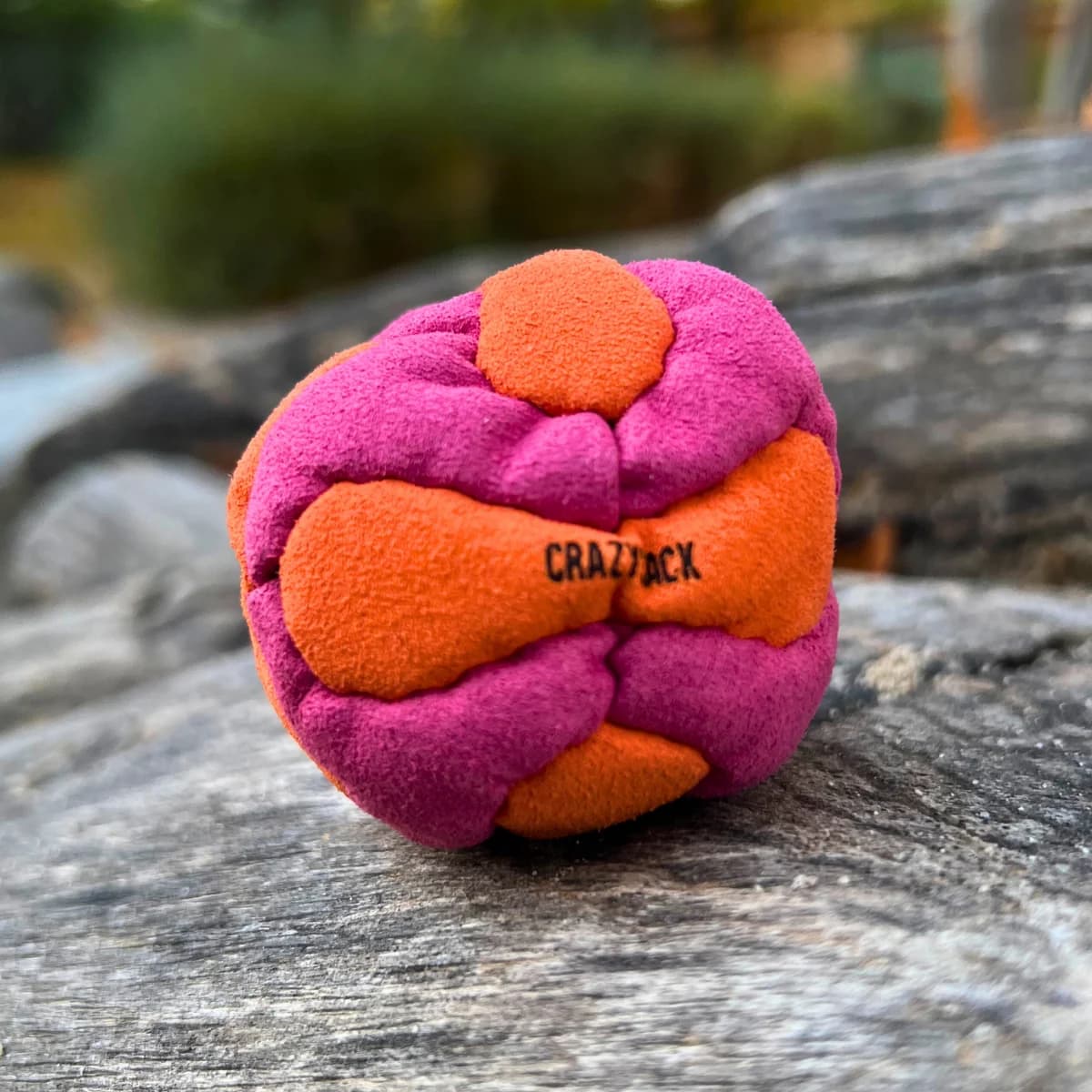
Matching footbags from our shop
Hand-stitched in Germany, ready to ship.


You might also like
Hacky Sacks as a Teambuilding Tool: How to Strengthen Your Team
Build trust, communication, and shared focus with hacky sack drills — a low-pressure teambuilding tool that gets colleagues moving and laughing together.
2 min read
How Hacky Sacks Make Your Evening Wind-Down Calmer
Turn after-work stress into light play: how a footbag helps you switch off, move gently, and reclaim your evenings.
3 min read
Why Footbags Make a Genuinely Rewarding Hobby
Fitness, creativity, community, and almost zero gear — why footbags (hacky sacks) enrich daily life for kids, adults, and families alike.
1 min read