Why footbag culture is global
What is footbag?
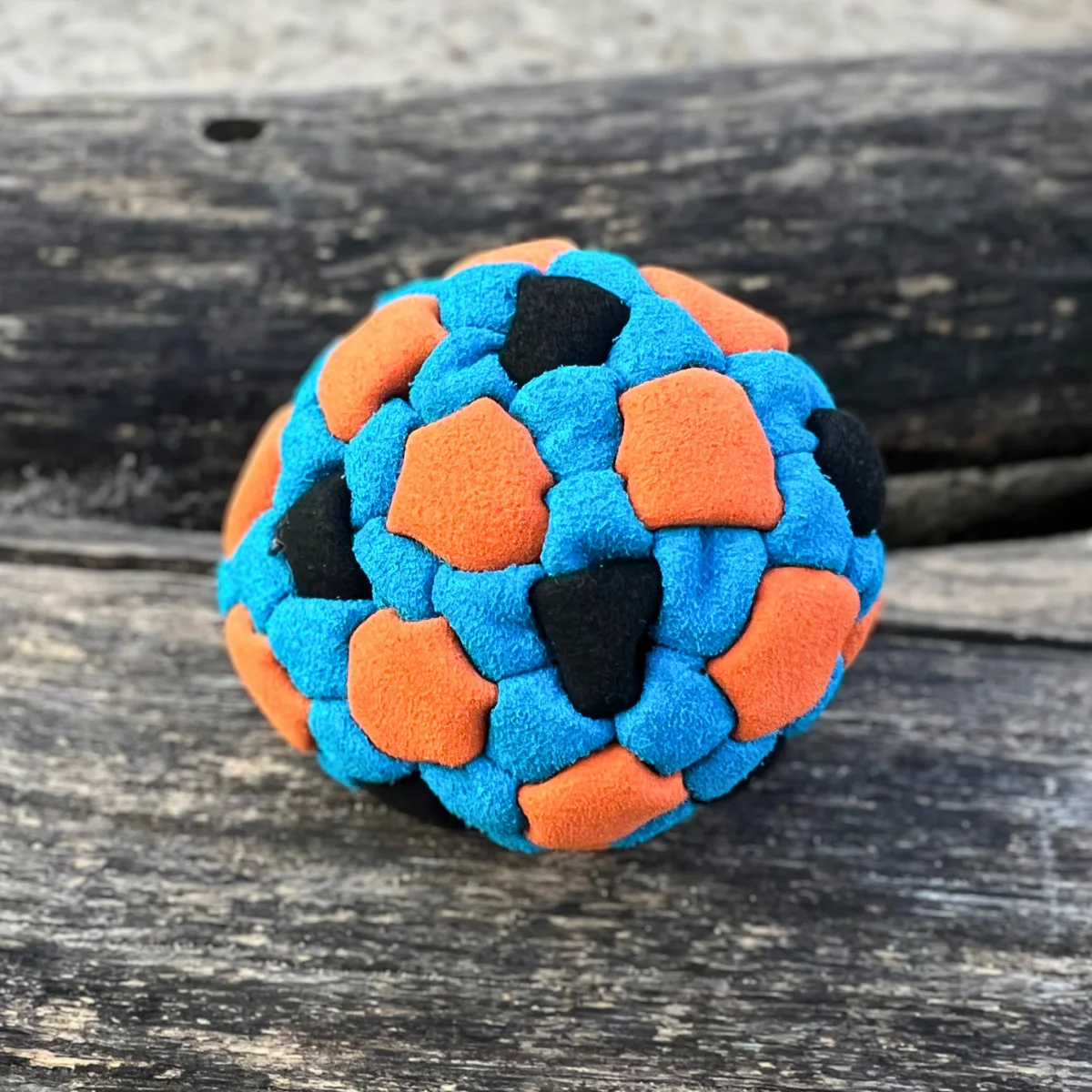
Footbag (hacky sack) blends skill, coordination, and group play. Born in the 1970s in the US, it now supports casual circles, dedicated athletes, and regular tournaments. The bag is usually fabric filled with plastic pellets, kept up with the feet. Two main competitive tracks:
- Freestyle: Tricks and routines, often to music, solo or in teams
- Net: Competitive play over a net, volleyball-adjacent
Active scenes, events, and growing communities exist in many countries.
United States — where it started
Birth of a movement
In Oregon, chiropractor John Stalberger and athlete Mike Marshall built a simple leg-strengthening game that spread through college towns and alternative-sport crowds. “Hacky Sack” became a trademark; “footbag” became the generic name. Clubs and international spread followed in the 1980s.
Organisation and tournaments
- Footbag Hall of Fame honours pioneers and top athletes
- US Open Footbag Championships platforms many levels
- IFPA (International Footbag Players’ Association) sets standards and grows the sport
The US remains a hub for innovation as well as origin story.
Europe — many scenes, one continent
Germany
Loyal scene since the 1990s: clubs, regular tournaments, active city groups in places like Berlin, Hamburg, and Munich.
- German Footbag Open — key national event with international guests
- School and club outreach for juniors
- Strong presence at sports days and festivals
Germany has hosted Worlds with athletes from 20+ nations.
Czechia — a quiet powerhouse
Prague and the Czech scene punch above their weight, especially in freestyle.
- Multiple freestyle world titles
- Dense club and coaching culture
- Czech Footbag Open draws international fields
Technically among the sharpest communities worldwide.
Asia — a growing market
Japan
Technique and aesthetics fit well with Japanese movement culture.
- Strong freestyle individuals
- Training ideas borrowed from practices like aikido and tai chi
- School and youth programmes
Japanese players bring a distinct philosophy onto international stages.
China and South Korea
Younger scenes, fast interest growth, low barrier to entry.
- Early clubs in Beijing and Seoul
- Big video-platform presence
- Coach education with international partners
Long term, both countries are set to matter more on the map.
Canada and South America
Canada
Active since the 1980s in cities like Toronto, Vancouver, and Montreal — freestyle and net, often tied to music and youth culture.
- Festival and street-culture links
- Solid training and tournament infrastructure
- Close exchange with the US scene
Creativity and teamwork define many Canadian crews.
Brazil
Rhythm leads. In São Paulo and Rio, footbag mixes with street art, dance, and sometimes capoeira.
- Freestyle flavoured by samba and funk
- Social value in underserved neighbourhoods
- School projects that use sport for inclusion
Brazil adds its own energy to the global mix.
Australia and New Zealand
Australia
Motivated pockets in Sydney and Melbourne — student and backpacker circles, beach and park sessions, crossover with slackline and frisbee. Laid-back training culture, open invite energy.
New Zealand
Early stage, groups forming especially around Wellington and Auckland. Focus: structures and school visibility. Youth interest and sports infrastructure are strong; Aussie partnerships are growing.
Africa — first sparks
South Africa
Leading African push from Cape Town and Johannesburg: workshops, school projects, social programmes.
- Youth inclusion projects
- Strong interest in disadvantaged communities
- First international contacts and contest travel
Shows how integrative the sport can be.
Wider potential
Elsewhere the sport is young, but social media and NGO/school partners help. Possible paths: ministry support, development programmes, regional tournaments. Africa could become a new centre if those pieces land.
Closing
Footbag is a small bag and a large network. Styles differ by local tradition; tournaments and exchange programmes keep people linked; social media closes the distance. Technique, rhythm, community spirit — each region adds something. That diversity is why the culture feels open and future-ready.
Curious which bag fits how you play? Explore builds in our shop.
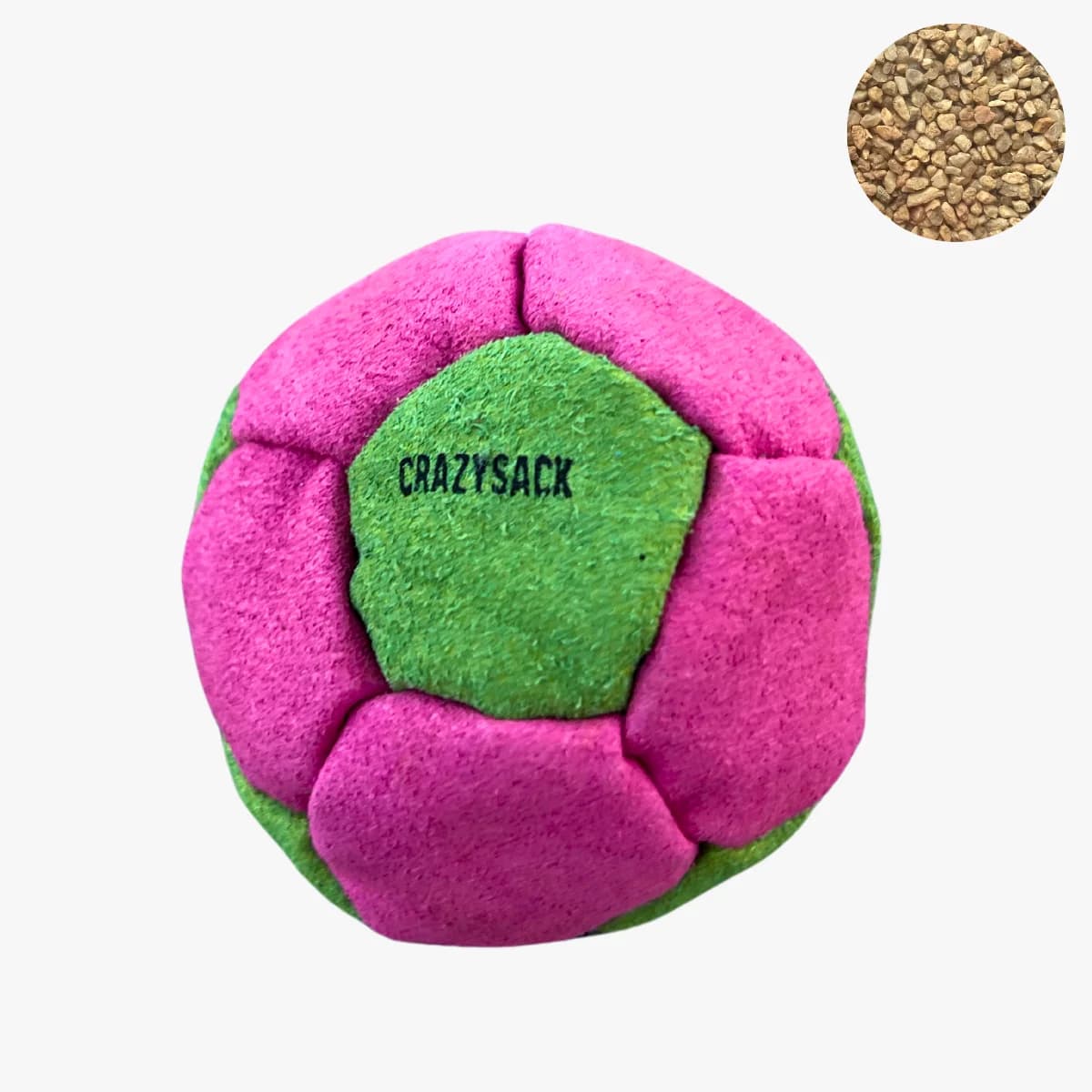
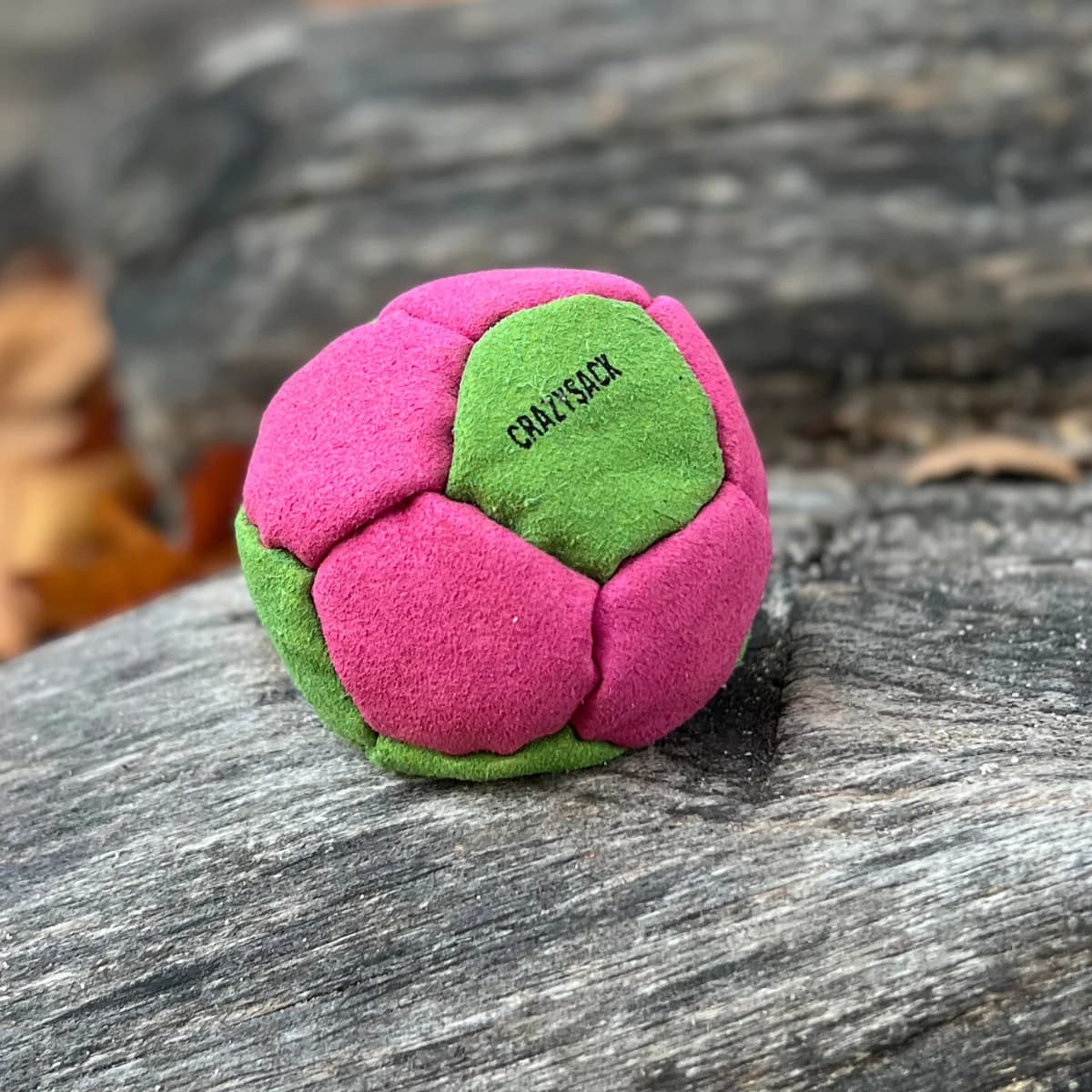
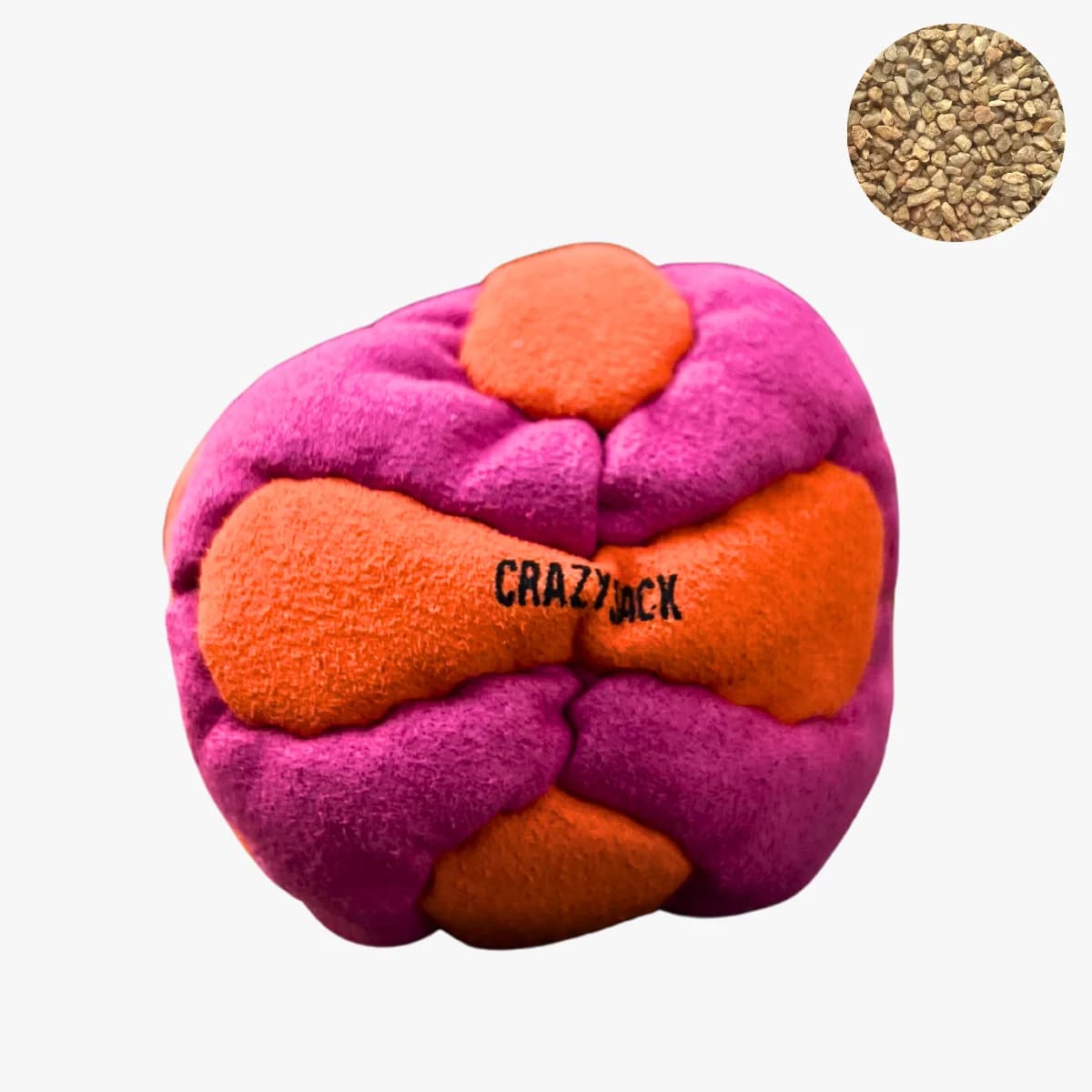
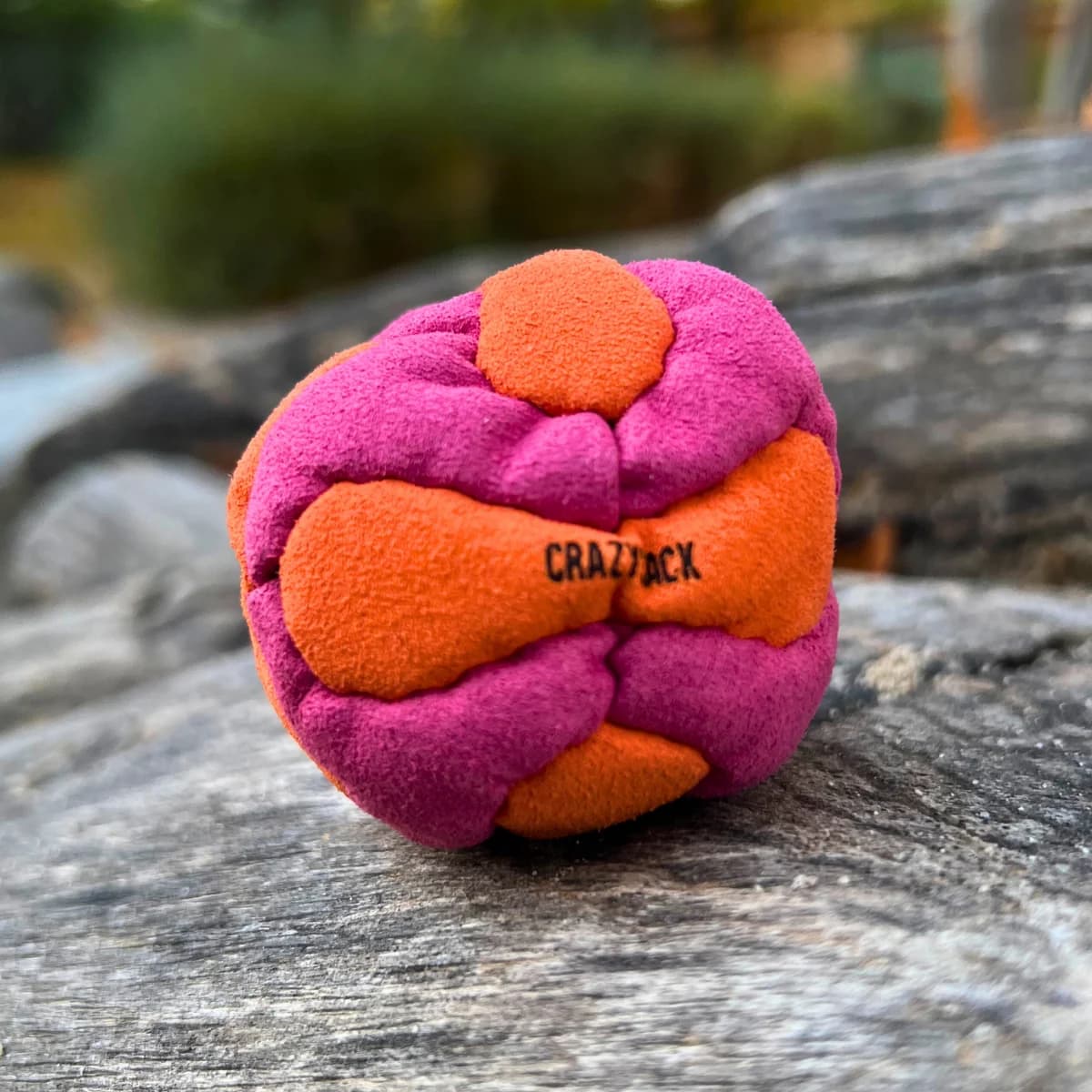
Matching footbags from our shop
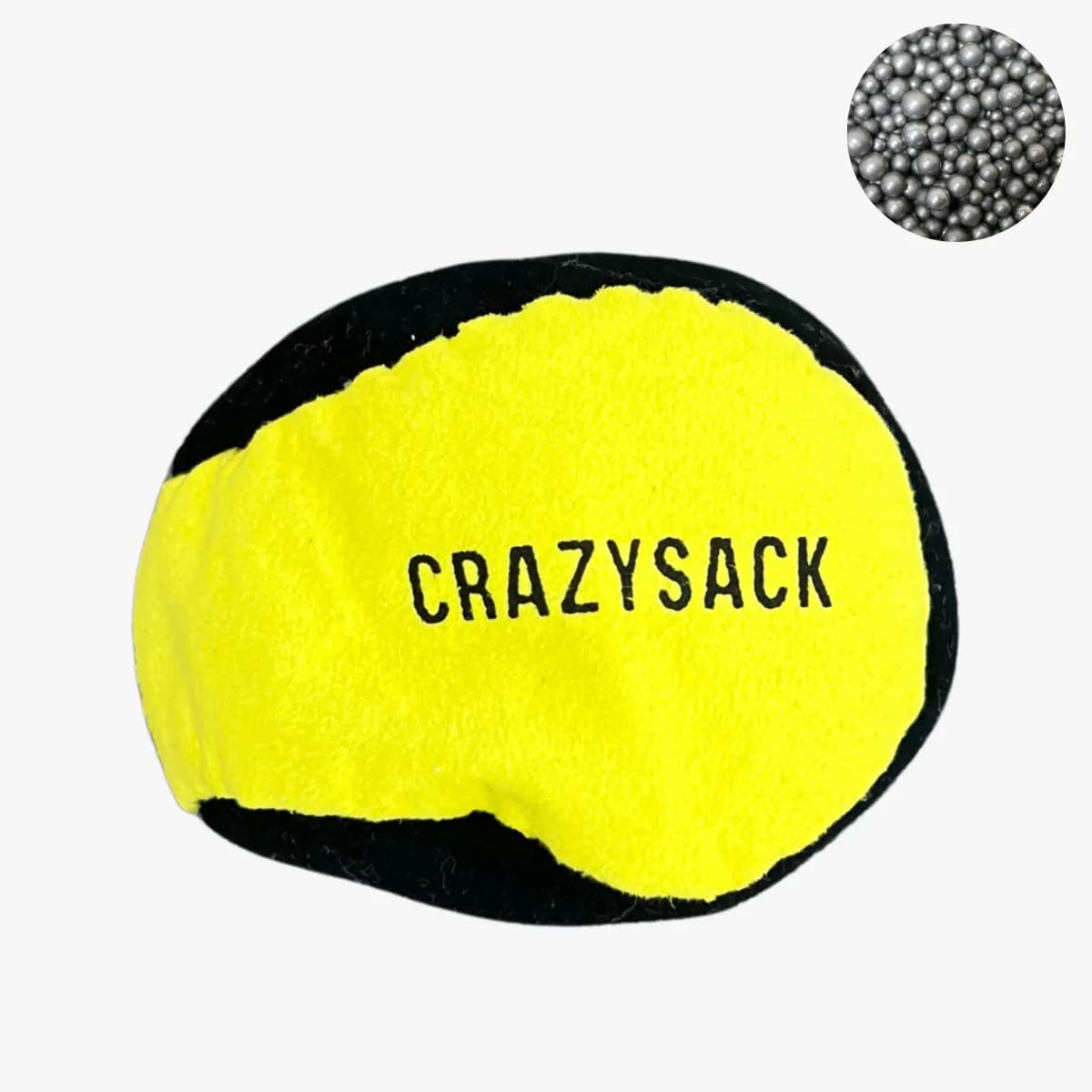
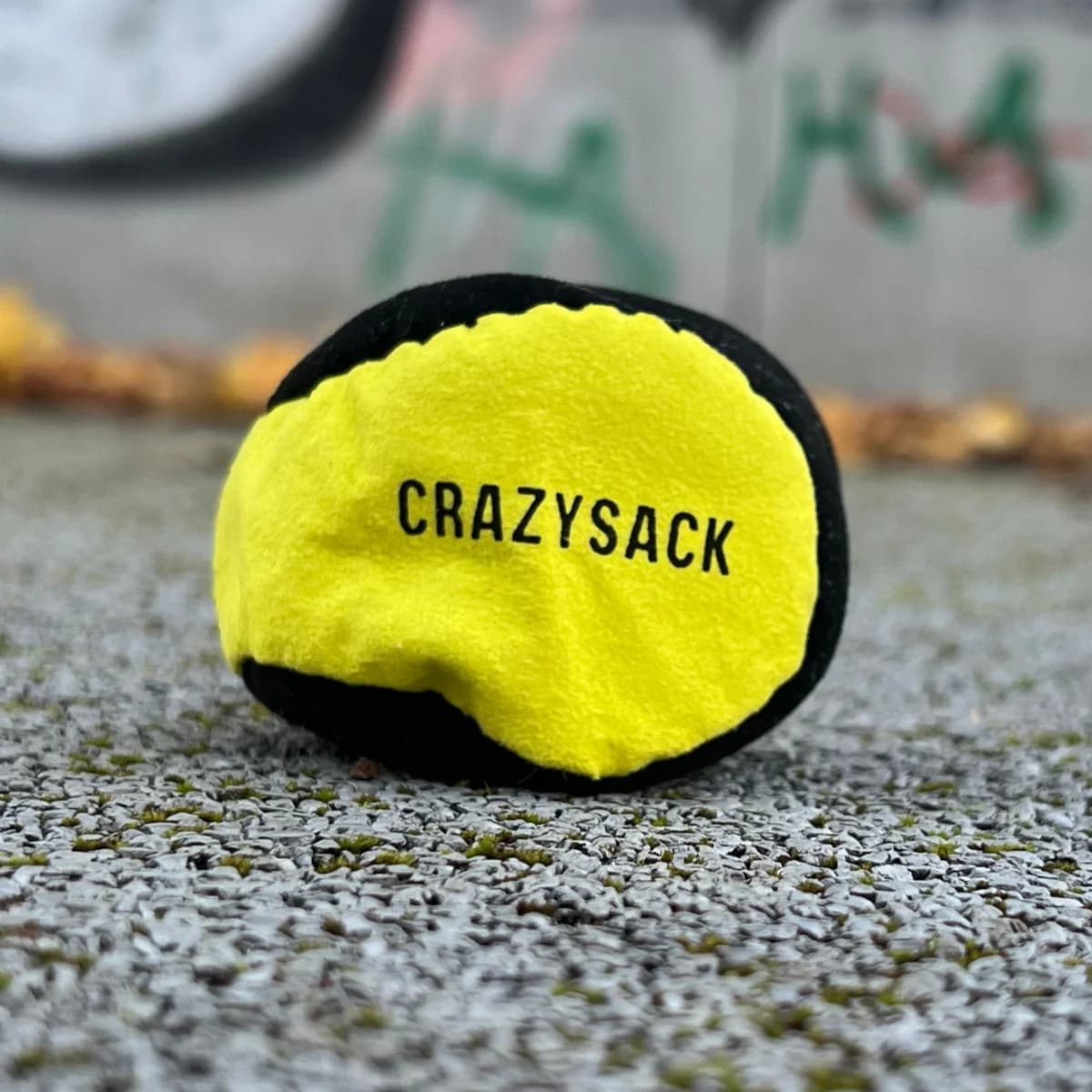
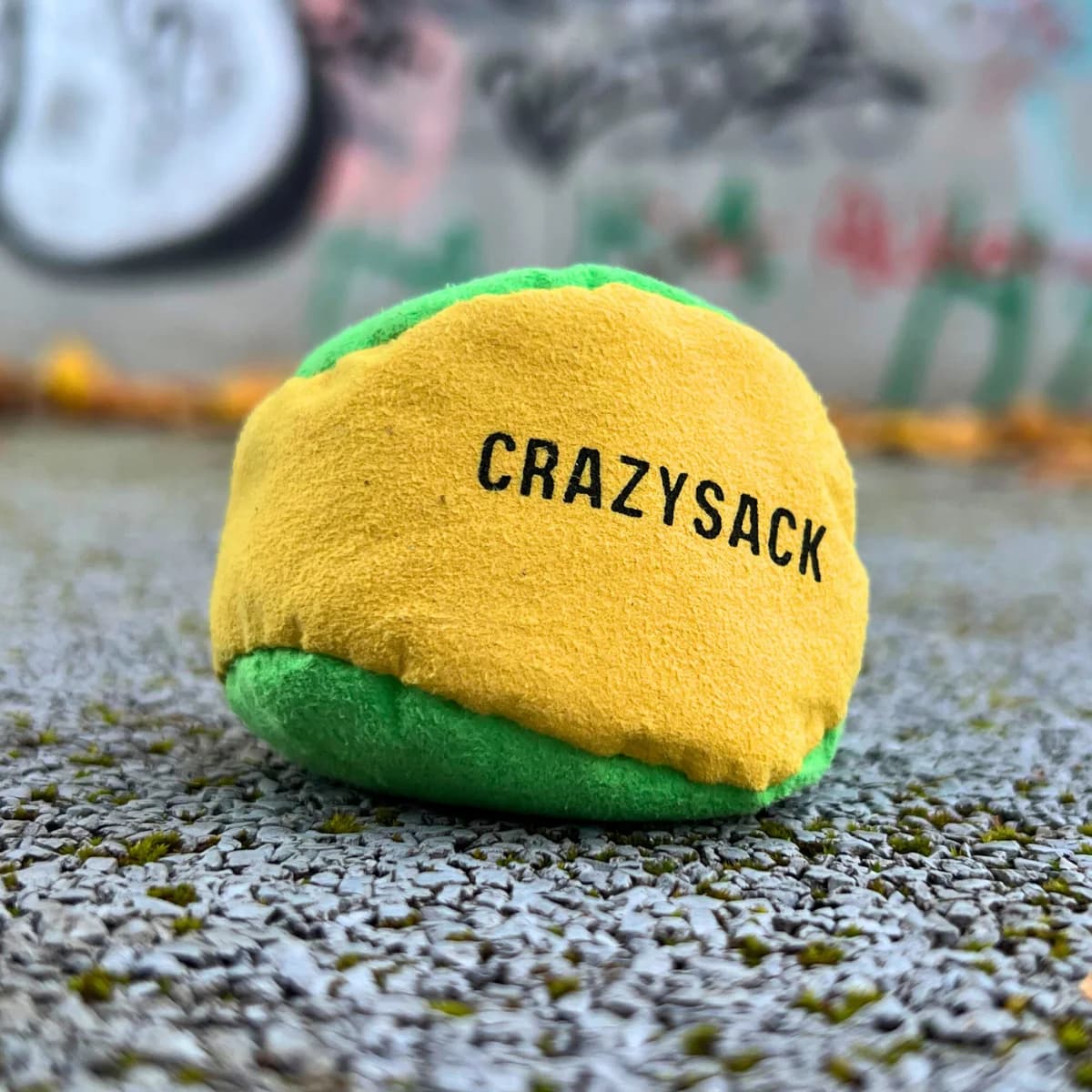
Hand-stitched in Germany, ready to ship.

You might also like
Footbag Events Worldwide: Major Contests and Festivals
A guide to the biggest footbag competitions and festivals — World Championships, regional opens, jams, shred fests, and campouts for every level.
2 min read
How Hacky Sacks Make Your Evening Wind-Down Calmer
Turn after-work stress into light play: how a footbag helps you switch off, move gently, and reclaim your evenings.
3 min read
Why Footbags Make a Genuinely Rewarding Hobby
Fitness, creativity, community, and almost zero gear — why footbags (hacky sacks) enrich daily life for kids, adults, and families alike.
1 min read