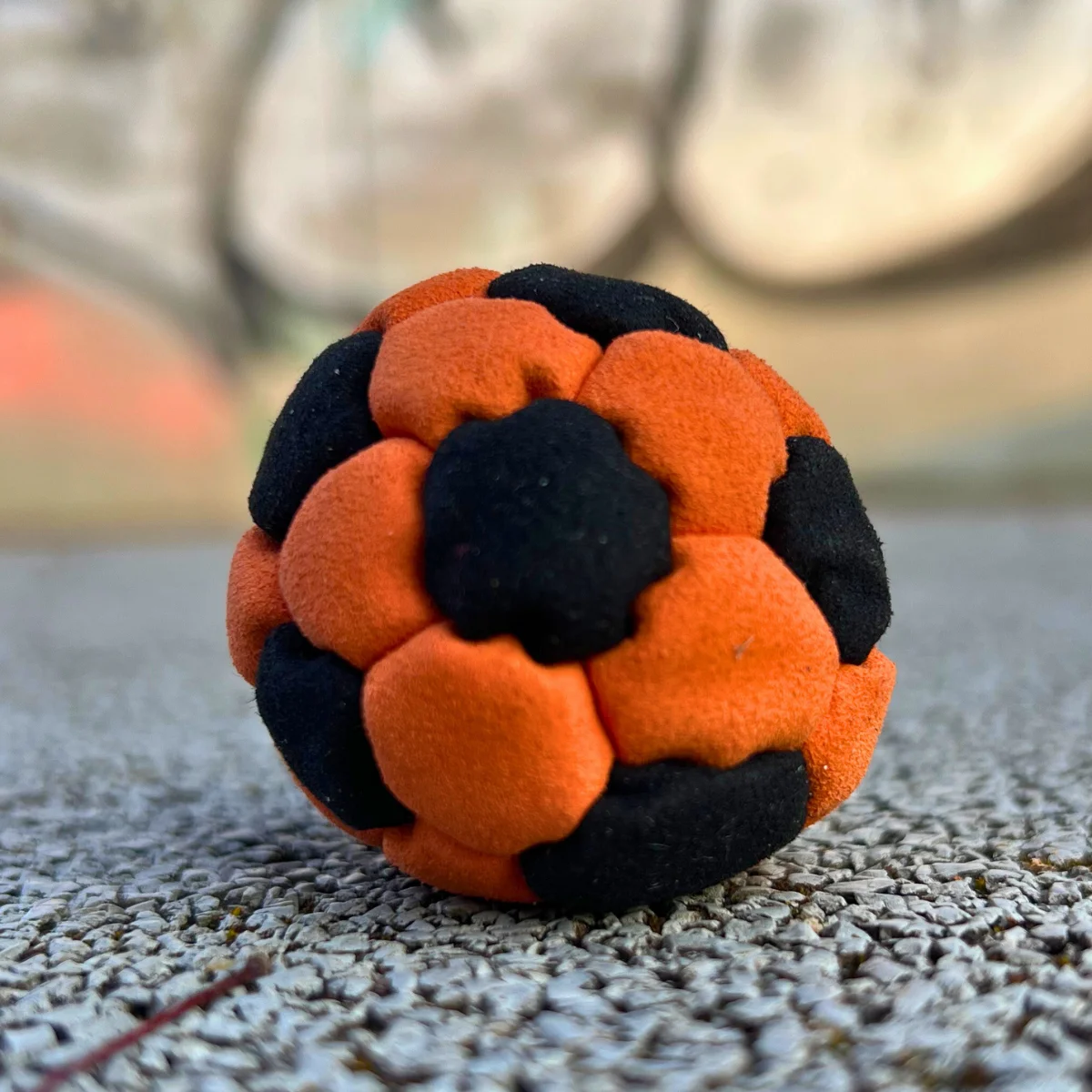
Footbag (hacky sack) trains coordination and light conditioning — park hobby or serious contest sport. First question most new players ask: what gear do I actually need? This guide covers essentials and optional extras for freestyle, circle kicks, and net, so you start with kit that helps instead of fights you.
The bag: centre of the kit
Material, size, fill, and seam count change how a bag plays. Match the model to your style:
- Freestyle bags: Smaller, lighter, often metal-bead fill for control — microfibre or suede shells
- Circle-kick bags: A bit larger and softer — great for beginners building touch
- Net bags: Tougher shell, larger diameter, livelier bounce for competitive net
Panel count matters. Higher counts (32, 62…) feel rounder and more controllable but can be less bombproof outdoors. Low counts (4–6) are tough for casual circles. Beginners usually do well with mid-size 12–26 panel bags — control without fragile construction.
Compare fills and panels in our shop.
Shoes: grip, flex, comfort
Shoes decide contact quality and session length.
- Flat, wide soles for stable stalls and outside contacts
- Soft uppers (suede or mesh) for feel
- Light weight so feet stay quick
Favourites in the scene include models like Adidas Rod Laver or Lonsdale Camden. On a budget, classic flat tennis shoes with abrasion-resistant uppers work. Skip thick cushioned lifestyle soles — they mute feel and wobble your base.
Clothing that moves
No uniform required — just freedom and breathability. Training shorts or joggers with room for high kicks; breathable tees or light tops. In cool weather, flexible hoodies or jackets.
- Avoid fabric so baggy it snags the bag
- Skip fiddly zippers and pocket flaps that catch mid-trick
- Prefer moisture-wicking fabrics for longer outdoor sessions
Fitted stretch shorts or leggings help if you want zero interference on intense drill sets.
Training aids
Optional tools that speed learning:
- Mirror or phone video for form checks
- Agility ladder for foot speed and reactions
- Balance board or cushion for ankle stability
A wall bounce drill keeps early kicks nearby. Stretch bands and light yoga help mobility and body tension. None of this is mandatory — useful when you train often.
Care and storage
- Store bags dry and out of harsh sun to avoid cracks and fatigue
- Air shoes; brush dirt; wipe bags with a damp cloth — never machine-wash the bag
- Wash tech clothing cool to preserve fabric performance
A small gym sack keeps everything ready. Separate bags by style so each keeps its shape. Quick checks before sessions avoid mid-jam surprises.
Extras for contest and serious freestyle
- Specialty bags tuned for certain trick families
- Training cameras for combo review
- Matching kits for team or show sets
Grip tape, custom insole work, or modified shoes show up at higher levels. Invest when goals justify it — better kit often keeps motivation high too.
Closing
Start with a suitable bag, flat shoes, and clothes that move. Add training tools and contest extras as the hobby deepens. Beginners: buy decent quality without overbuying. Ask the community, try a few bags, find your feel. The entry bar is low — and the creative side of footbag opens fastest when your gear stays out of the way.
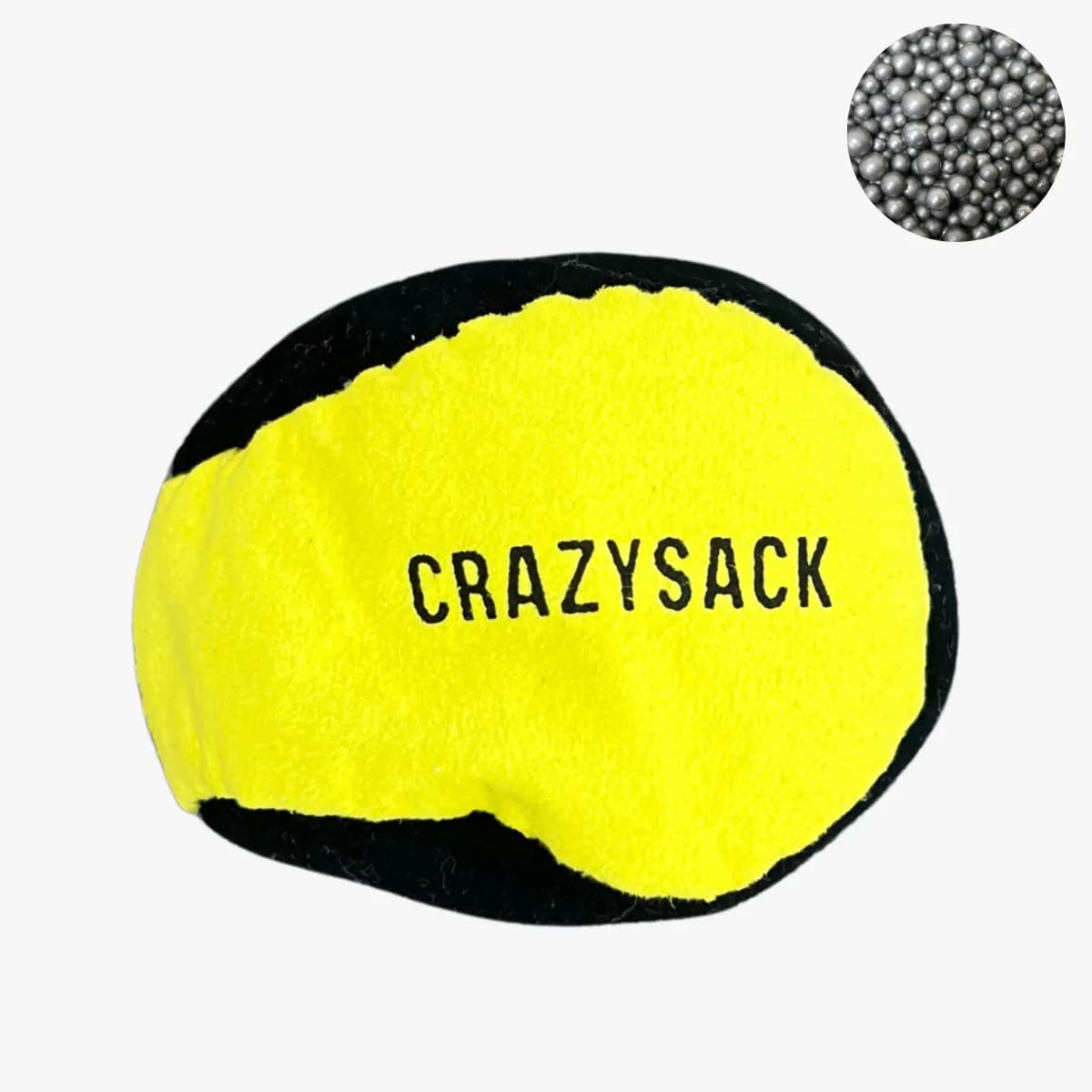
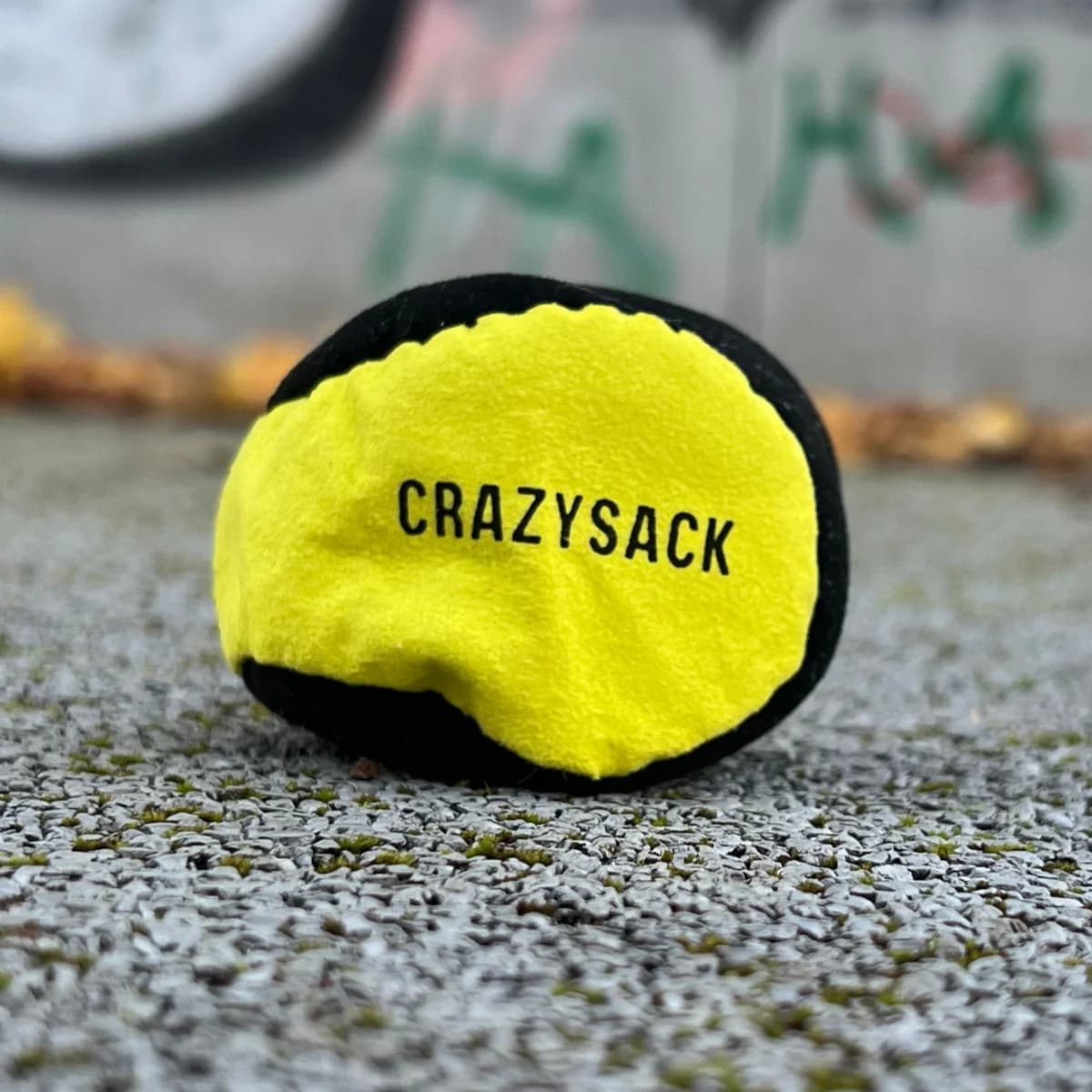
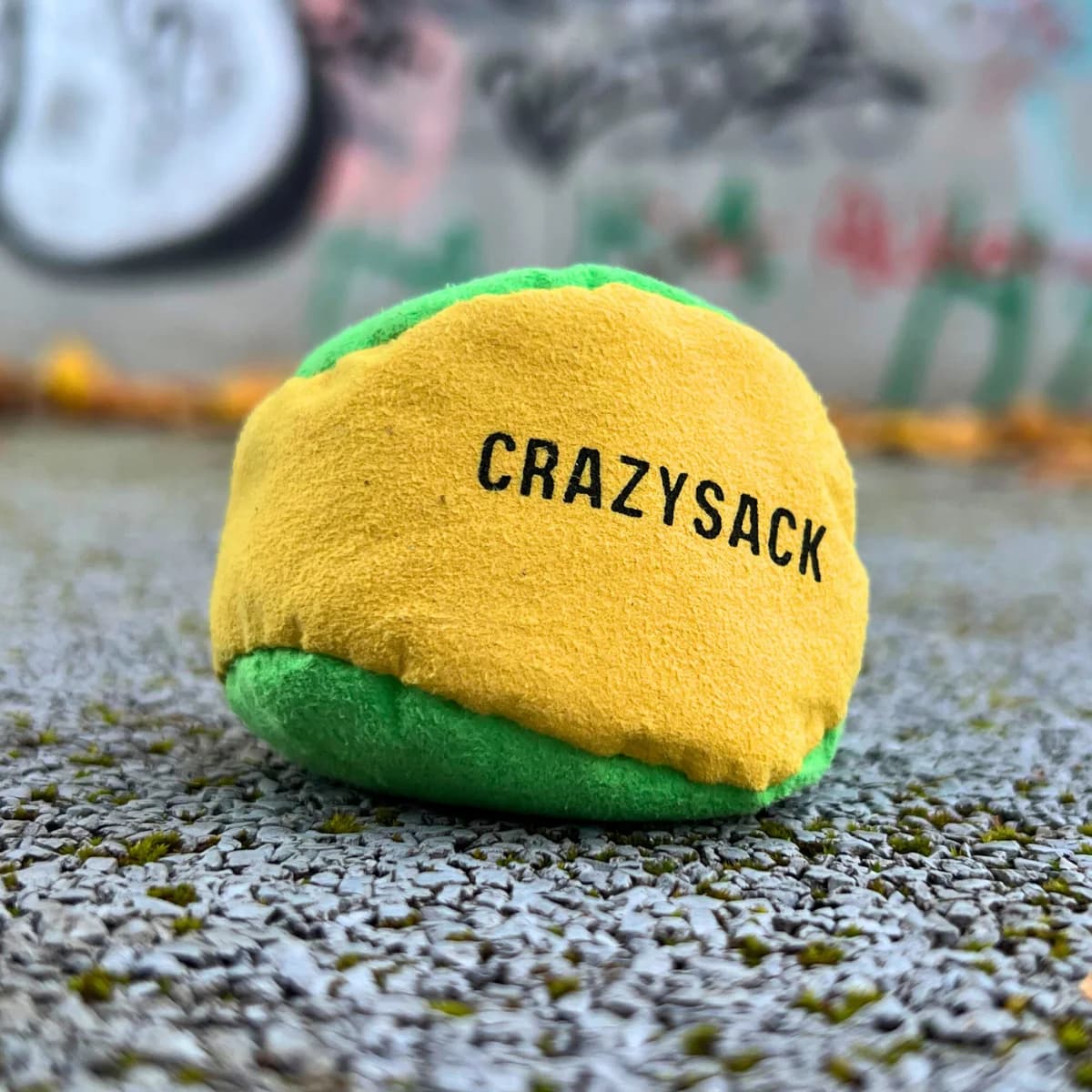
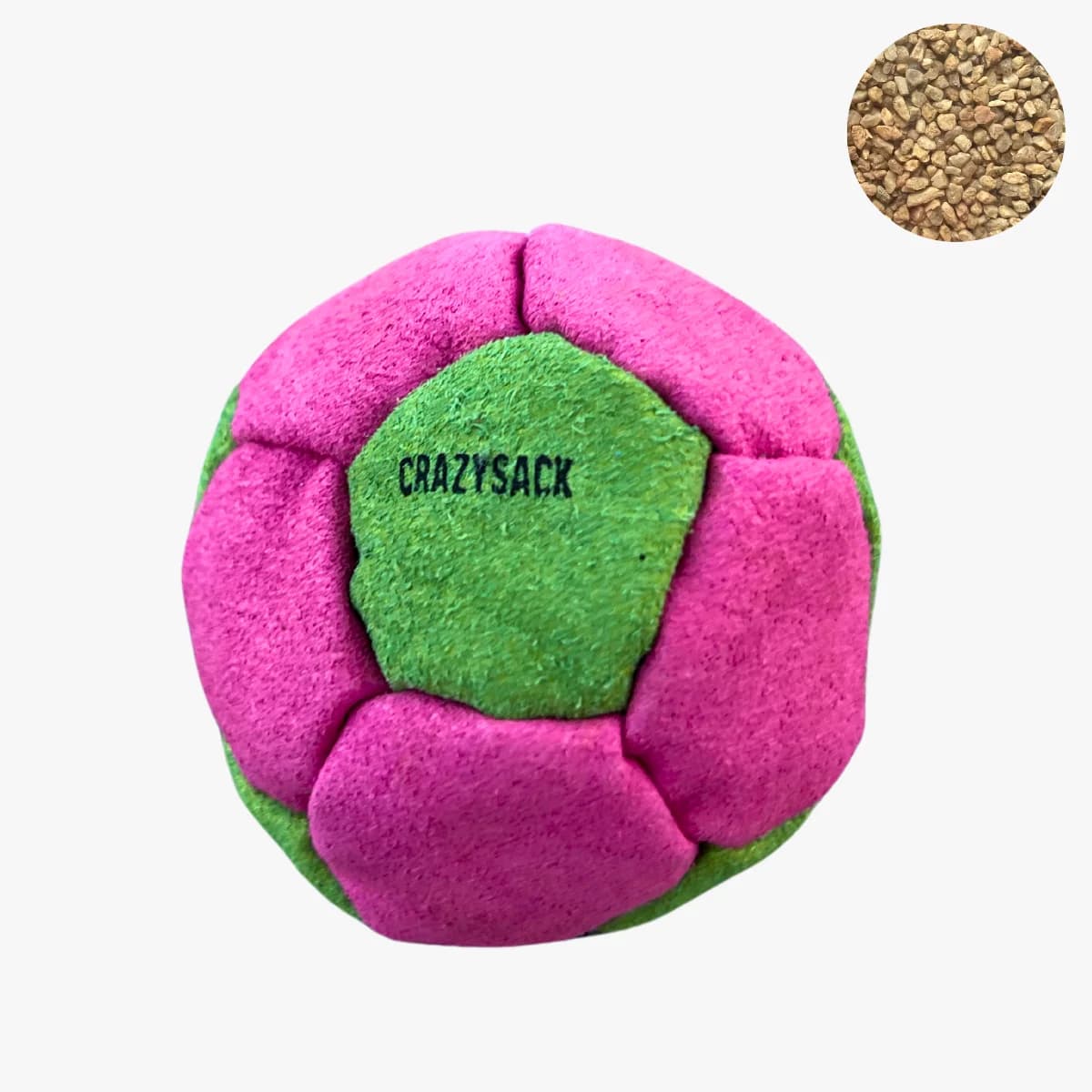
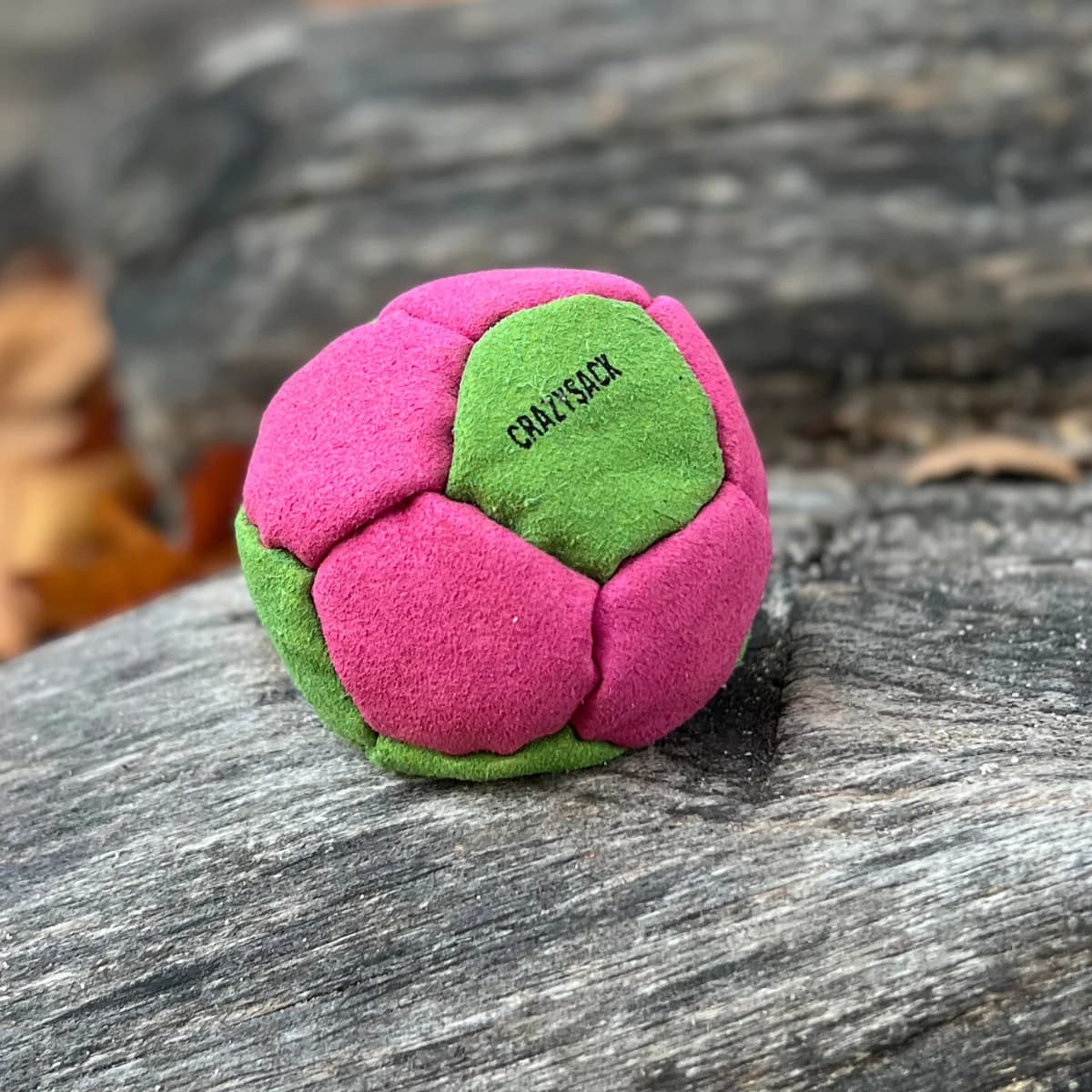
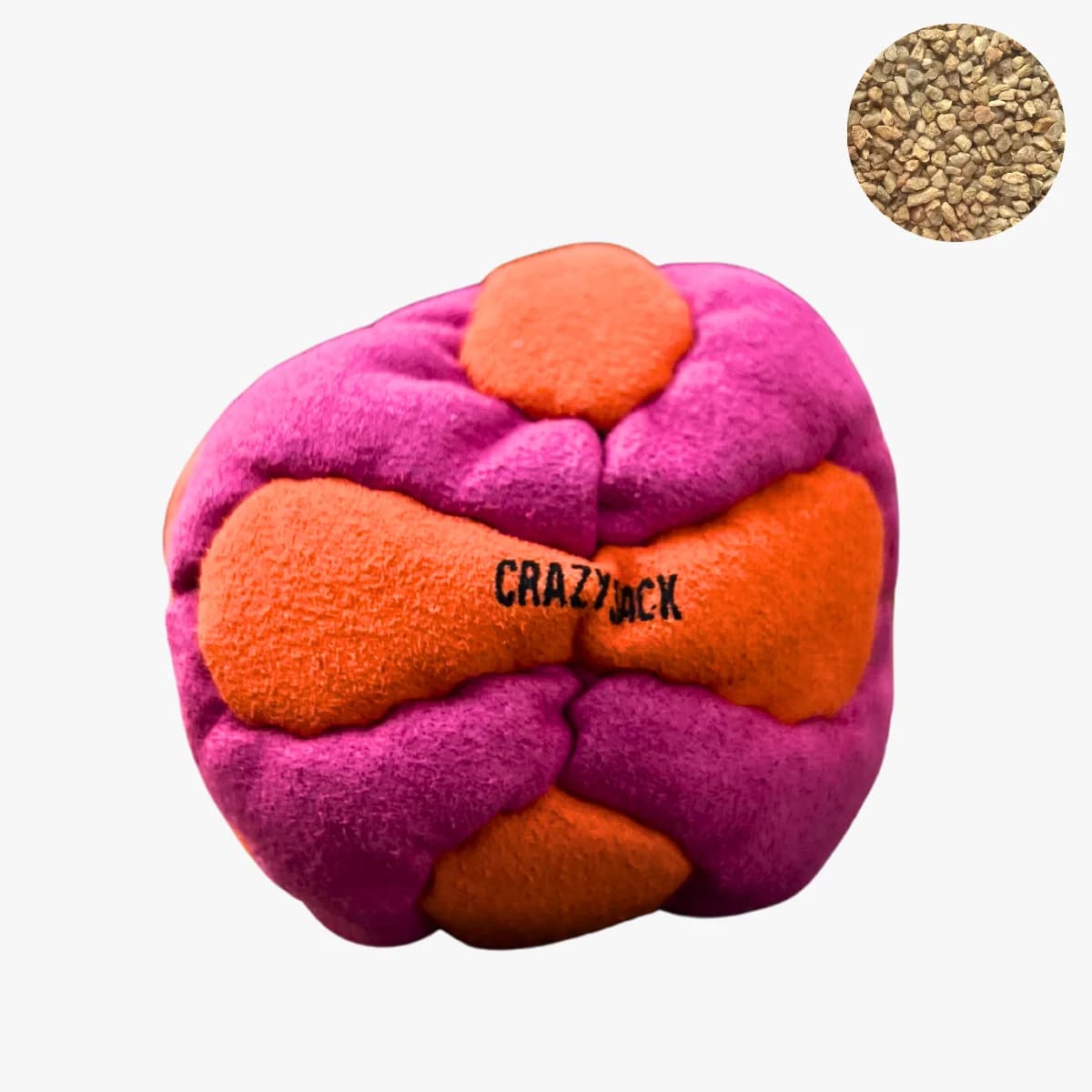
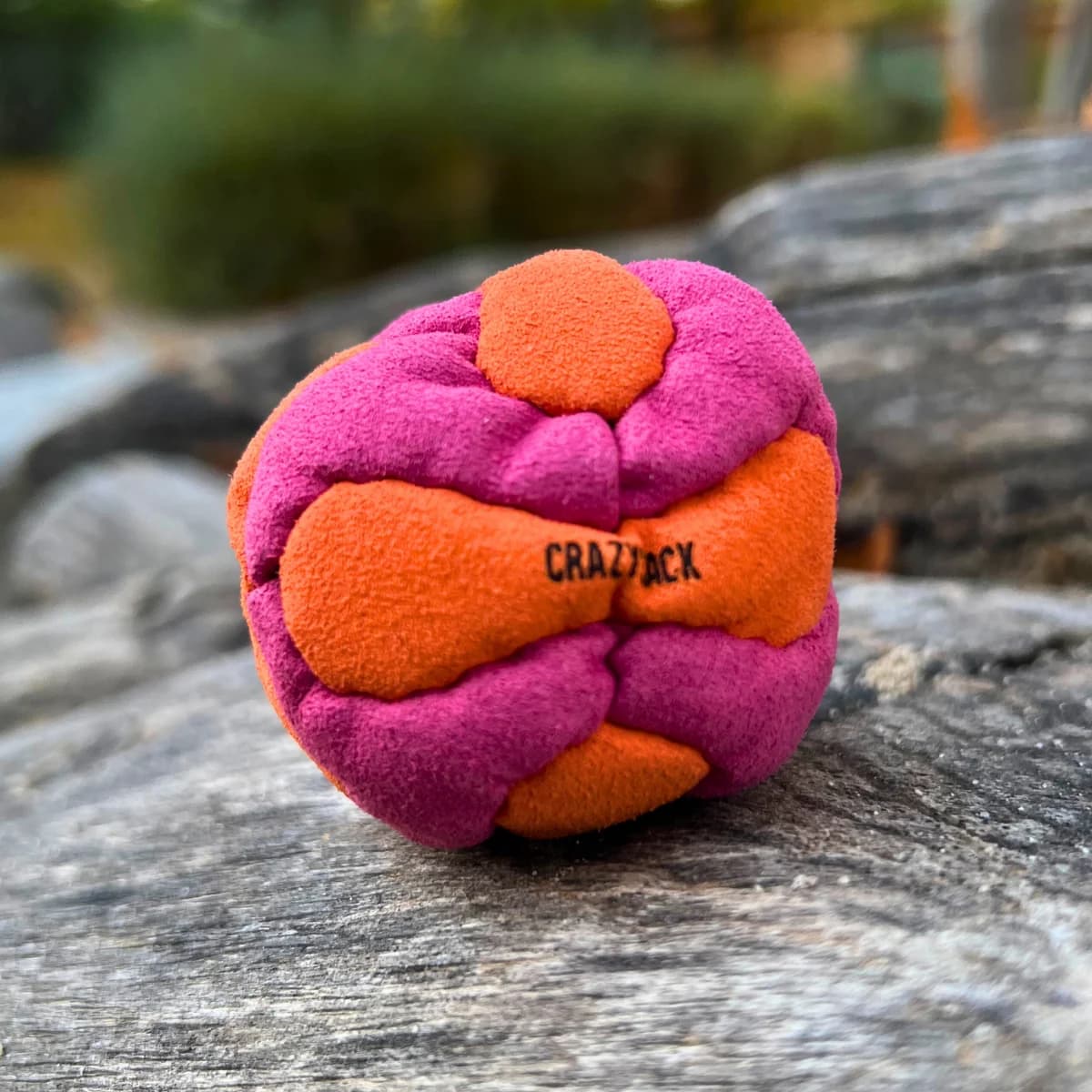
Matching footbags from our shop
Hand-stitched in Germany, ready to ship.

You might also like
How Hacky Sacks Make Your Evening Wind-Down Calmer
Turn after-work stress into light play: how a footbag helps you switch off, move gently, and reclaim your evenings.
3 min read
Why Footbags Make a Genuinely Rewarding Hobby
Fitness, creativity, community, and almost zero gear — why footbags (hacky sacks) enrich daily life for kids, adults, and families alike.
1 min read
Best Techniques to Kick and Catch a Hacky Sack
Inside and outside kicks, toe stalls, thigh catches, Around the World, Sole Pop — footbag throw-and-catch techniques for beginners and beyond.
2 min read