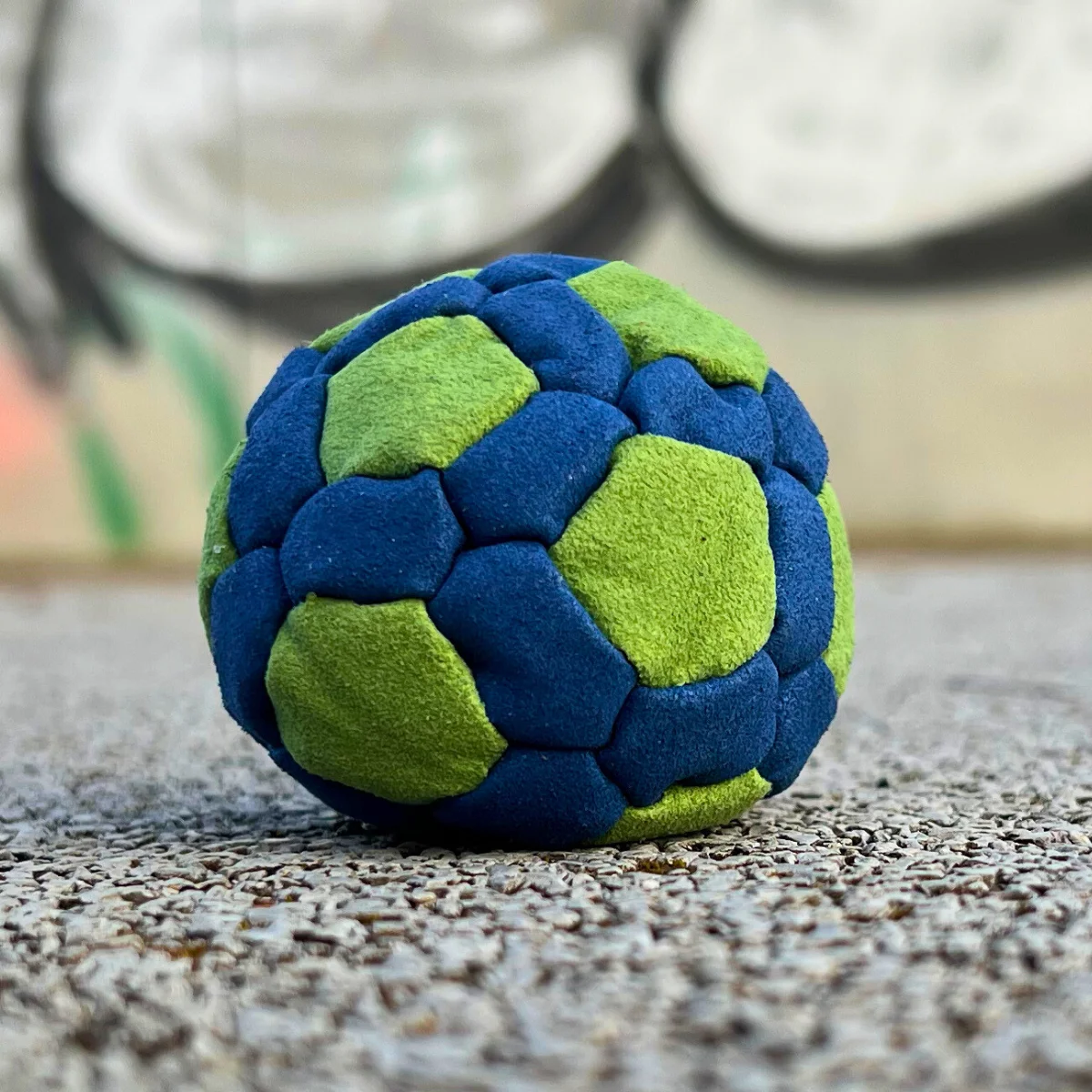
What is a hacky sack?
The pull of a footbag
A hacky sack — also called a footbag — is a small, filled pouch you keep in the air with your feet. The game took off in the US and now shows up in parks, schoolyards, and sports events around the world. It looks simple, but it quietly trains coordination, focus, and the kind of teamwork that happens when a circle of people share one ball.
You can play alone, with a friend, or in a group. You barely need experience to try the first kicks. And if you like making things with your hands, a footbag is one of the most satisfying DIY projects in the niche: a few panels of fabric, the right fill, and a bag that behaves the way you want it to. That is what this guide is for.
Why sew your own?
A homemade hacky sack is not only cheaper than many shop bags. It is personal. You choose the fabric, the weight, the fill, and the look. Upcycling old jeans, curtain scraps, or leftover leatherette keeps material out of the bin and gives the bag a story. It is also a solid weekend project with kids or friends — useful for anyone who wants a sport tool that matches how they actually play, not a one-size default from a shelf.
If you later decide you want a ready-made bag with consistent panels and fill, our shop has Crazysack footbags built for freestyle and everyday kicking. DIY and ready-made both have a place; this article is for the makers.
Materials for a homemade hacky sack
The basic kit
You do not need a studio. Most of this is already at home or cheap at a craft store:
- Fabric scraps (e.g. faux suede, denim, cotton, or microfibre)
- Matching sewing thread
- Needle or sewing machine
- Scissors or a rotary cutter
- Ruler and pencil for marking
- Fill (plastic pellets, rice, lentils, or bird sand)
That is enough for a durable, playable footbag. Optional extras: fabric paint, patches, or contrast stitching.
Choosing the fabric
Fabric decides grip, bounce, and how long the bag survives. Dense but flexible cloth works best — faux suede and sturdy cotton are reliable defaults. Microfibre can help if you rely on sole stops and control, because it grabs a little more. Avoid slippery, shiny fabrics: the bag will skate off the foot instead of settling where you put it.
Fill options
Fill sets the weight and how the bag flies:
- Fine quartz sand — heavy and controlled
- Lentils or beans — cheap and easy to find, less durable over time
- Rice — lighter, friendly for beginners
- Plastic beads/pellets — durable and relatively light, popular with more advanced players
Mixing two fills is fair game if you want a custom balance between heft and softness.
Build guide: your own hacky sack
Step 1: Prepare the pattern
A classic beginner bag uses six triangular panels sewn along their long edges. Aim for roughly 5–6 cm along each panel edge. No compass? Print a free six-panel template, transfer it to cardboard, and cut a lasting stencil. Clean fabric edges matter — ragged cuts mean puckers when you sew.
Step 2: Sew the panels
Place right sides together and sew panels in pairs along the long edges, then build the half-sphere step by step. Hand sewing needs short, even stitches so fill cannot escape later. Leave a small opening on the last seams for filling. On a machine, a straight or zigzag stitch is fine; a second pass on the seams adds insurance.
Step 3: Fill and close
Use a small funnel or a rolled paper cone. Fill the shell to about 70–90% — full enough for control, soft enough to give on contact. Close the opening carefully; this seam takes the most abuse in play. If fill leaks on day one, the bag will not last a season.
Design and personalisation
Make it one of a kind
Colour, pattern, and recycled cloth already change the character of a DIY footbag. Go further if you want:
- Patches or initials
- Textile paint or fabric markers
- Embroidery for advanced makers
- Contrast thread on the seams
A bag you sewed yourself tends to stay in the pocket longer than a random mass-market one — not only because it plays well, but because it feels like yours.
Keep the project low-waste
Old jeans, a worn leather jacket, or curtain leftovers make excellent panel stock. Natural fills (dried beans, sand) keep the materials list simple. And do not bin a torn bag too quickly: restitch a seam, swap the fill, or replace one panel. Repair is part of the DIY culture around footbags.
Care and storage
Keep it playable
Wipe light dirt with a damp cloth. Some fabric bags can go in a laundry bag on a gentle 30°C wash — check the cloth first. Dry in air, never on a hot radiator. Store cool and dry, out of harsh sun, especially after wet outdoor sessions.
Repair before replace
A loose stitch or small tear is a ten-minute fix if you catch it before the fill spills. Seasoned makers “upgrade” bags over time: new fill for a different feel, or a fresh panel when one face wears through.
DIY changes the feel of the game
More than a toy
A self-made hacky sack is a small craft object and a training tool at once. You decide the fabric hand-feel, the weight, and the look. Whether it is a gift, a rainy-day project, or a more sustainable way to play, DIY is a real alternative to buying another identical bag off the rack.
Prefer a bag that is already tuned for freestyle or sand fill? Browse our footbags — or keep sewing. Both paths belong in the same circle.
The community grows with you
Makers and players share patterns and photos in forums and social feeds. Steal ideas, post your own, and see what the circle kicks next. Enjoy the sewing, the fill, and the first clean stalls in the air.
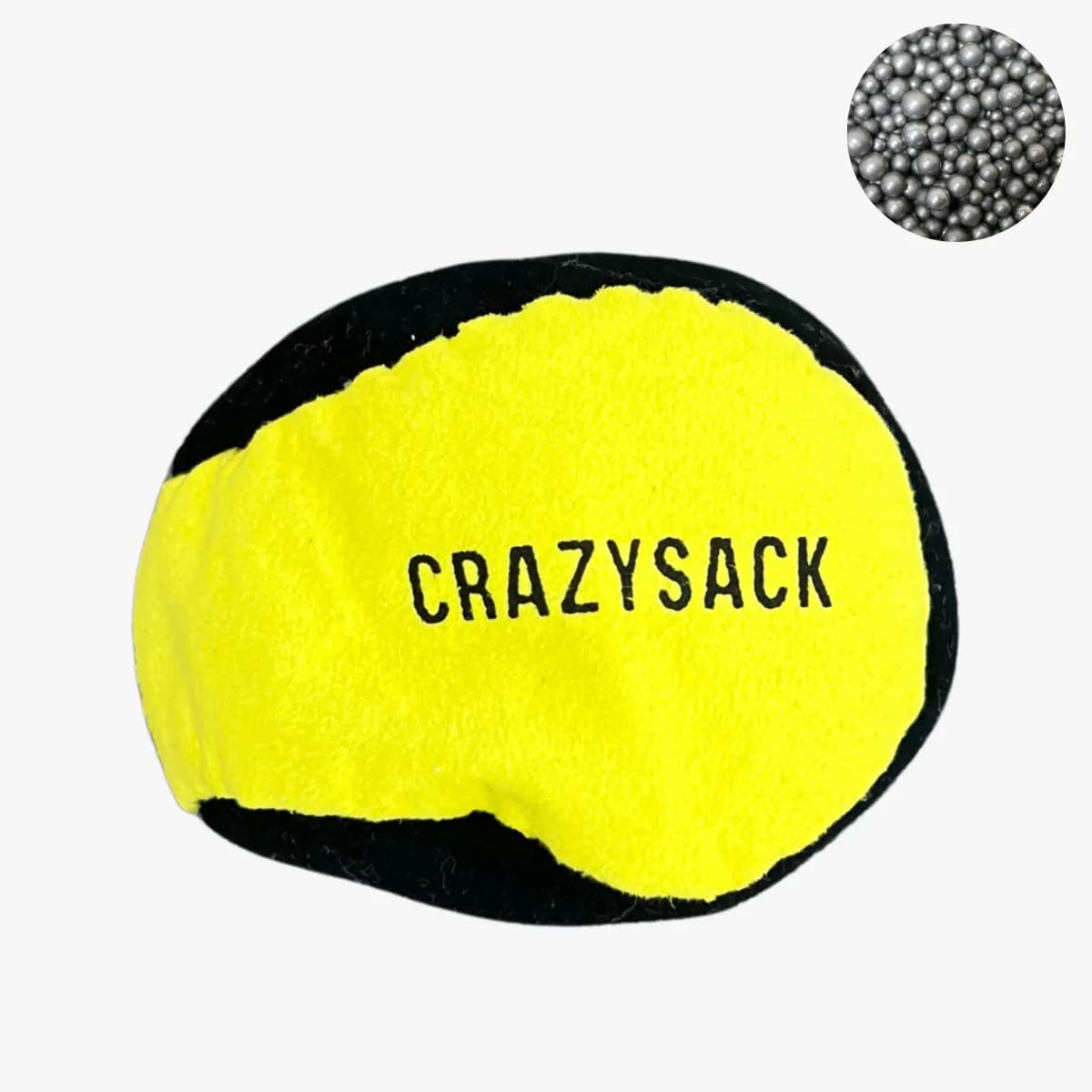
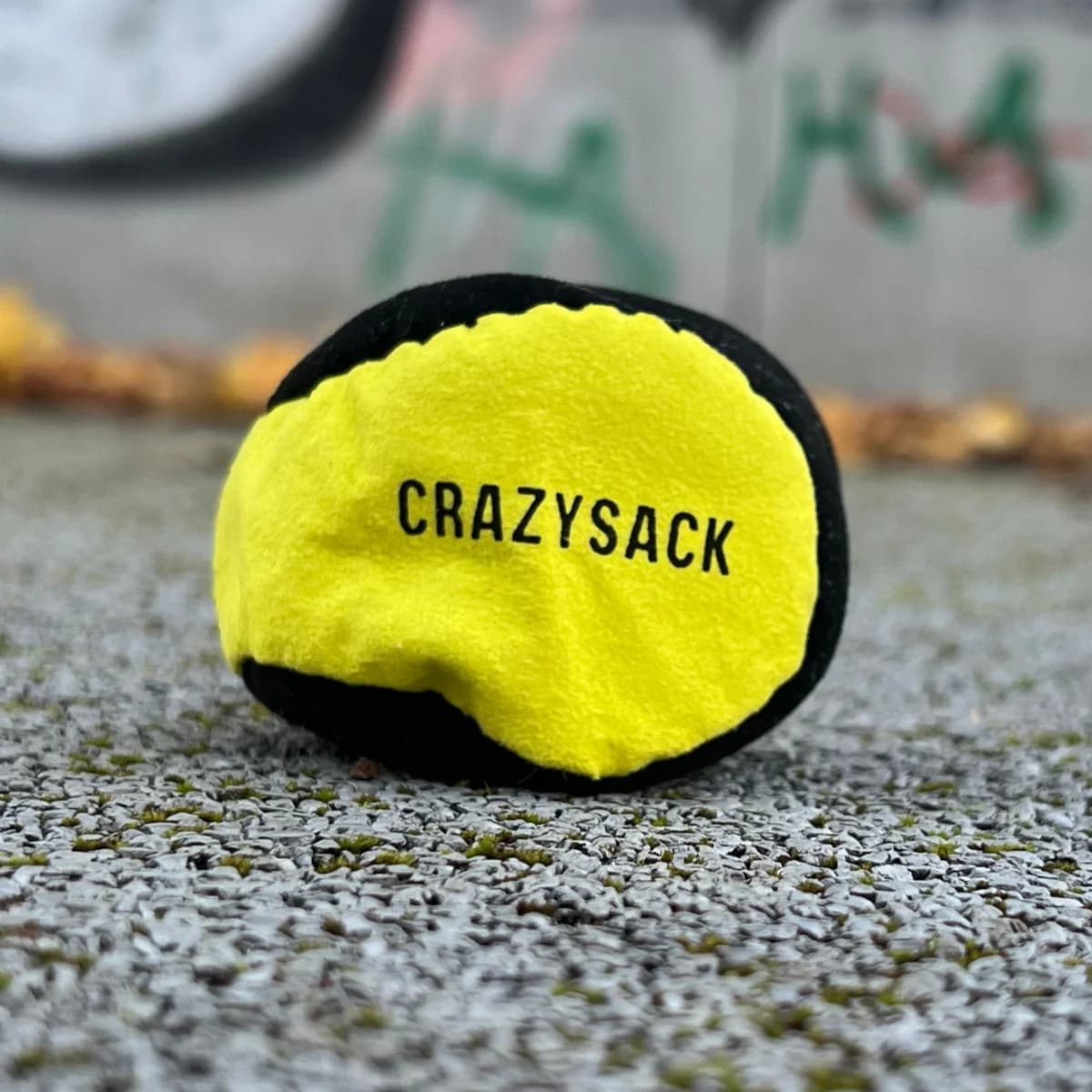
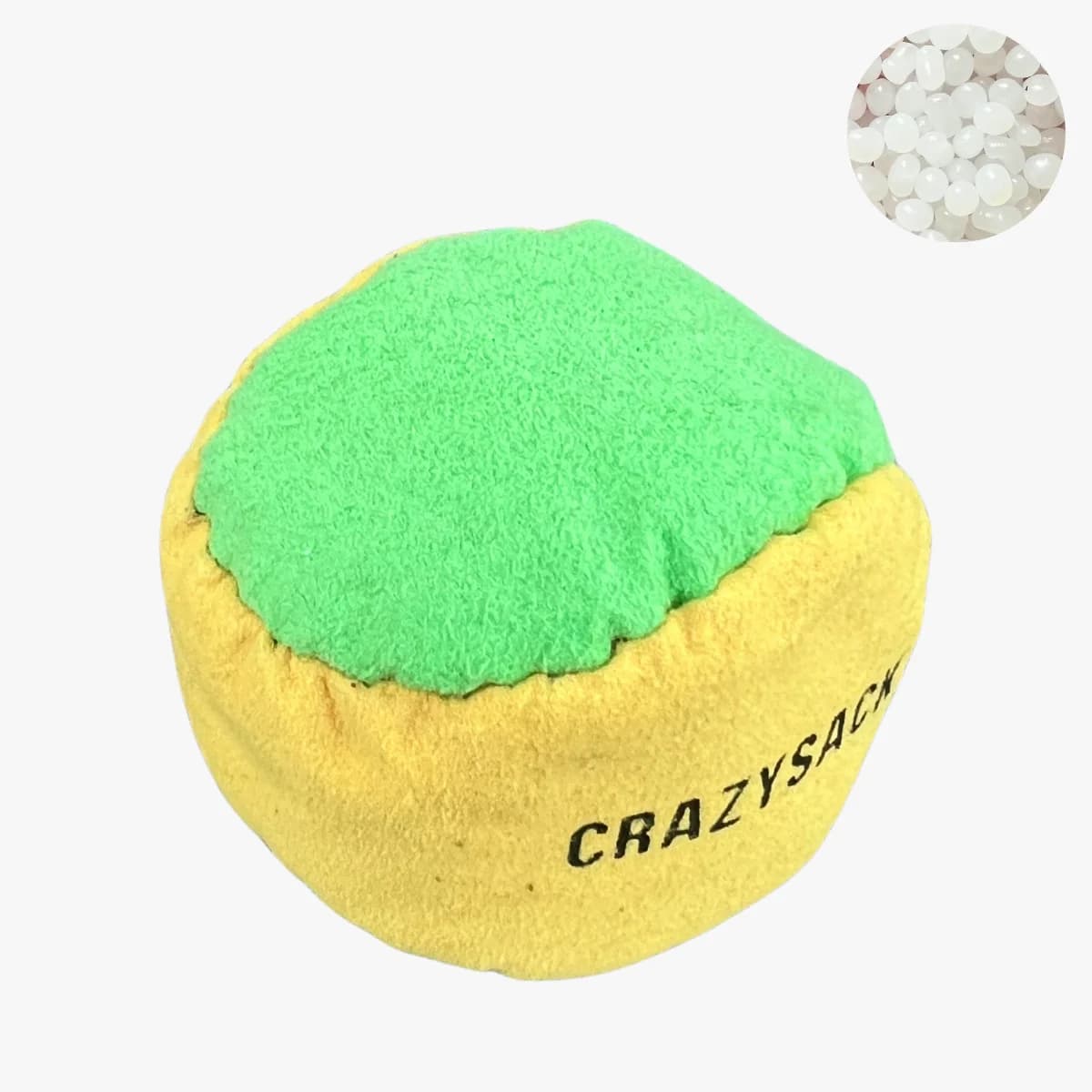
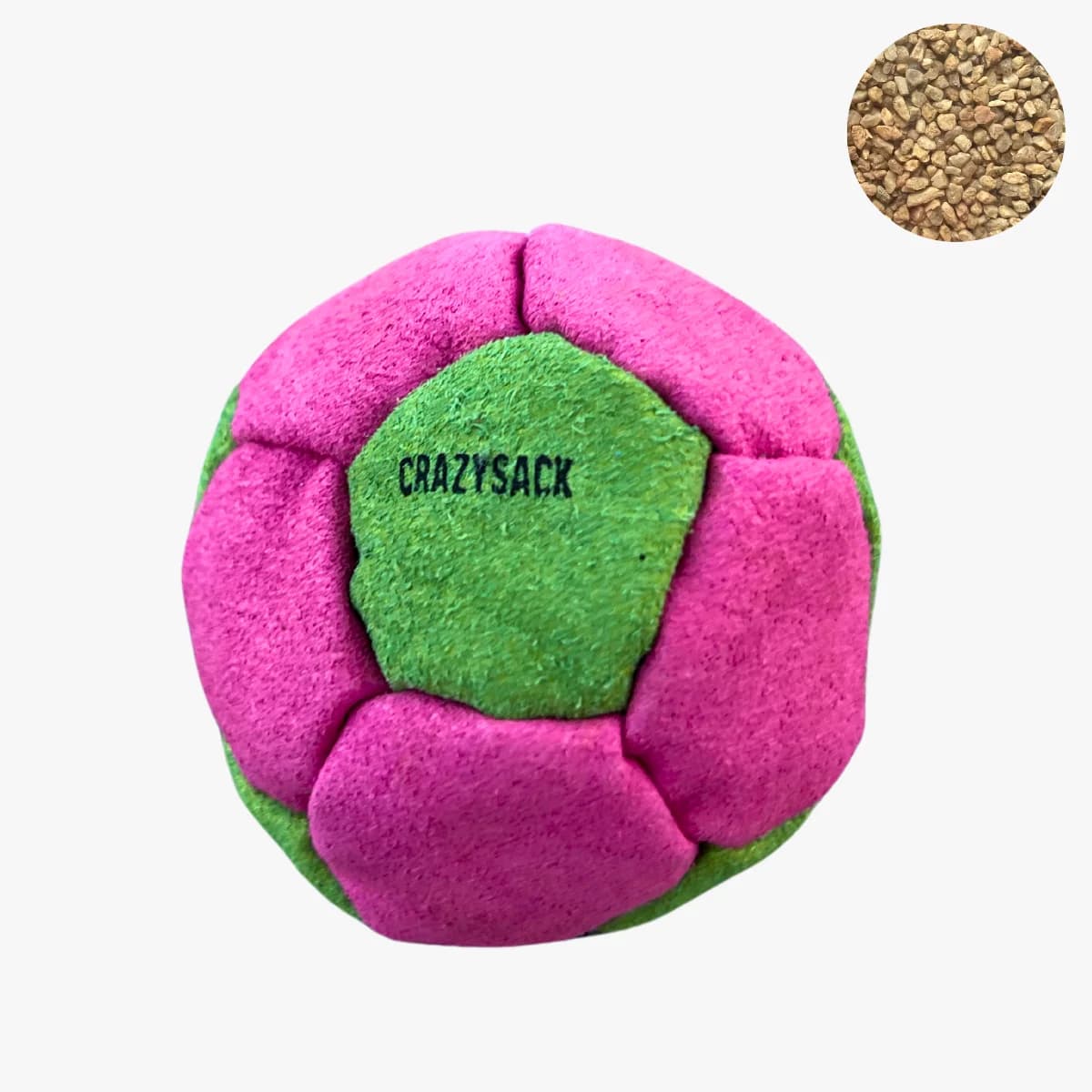
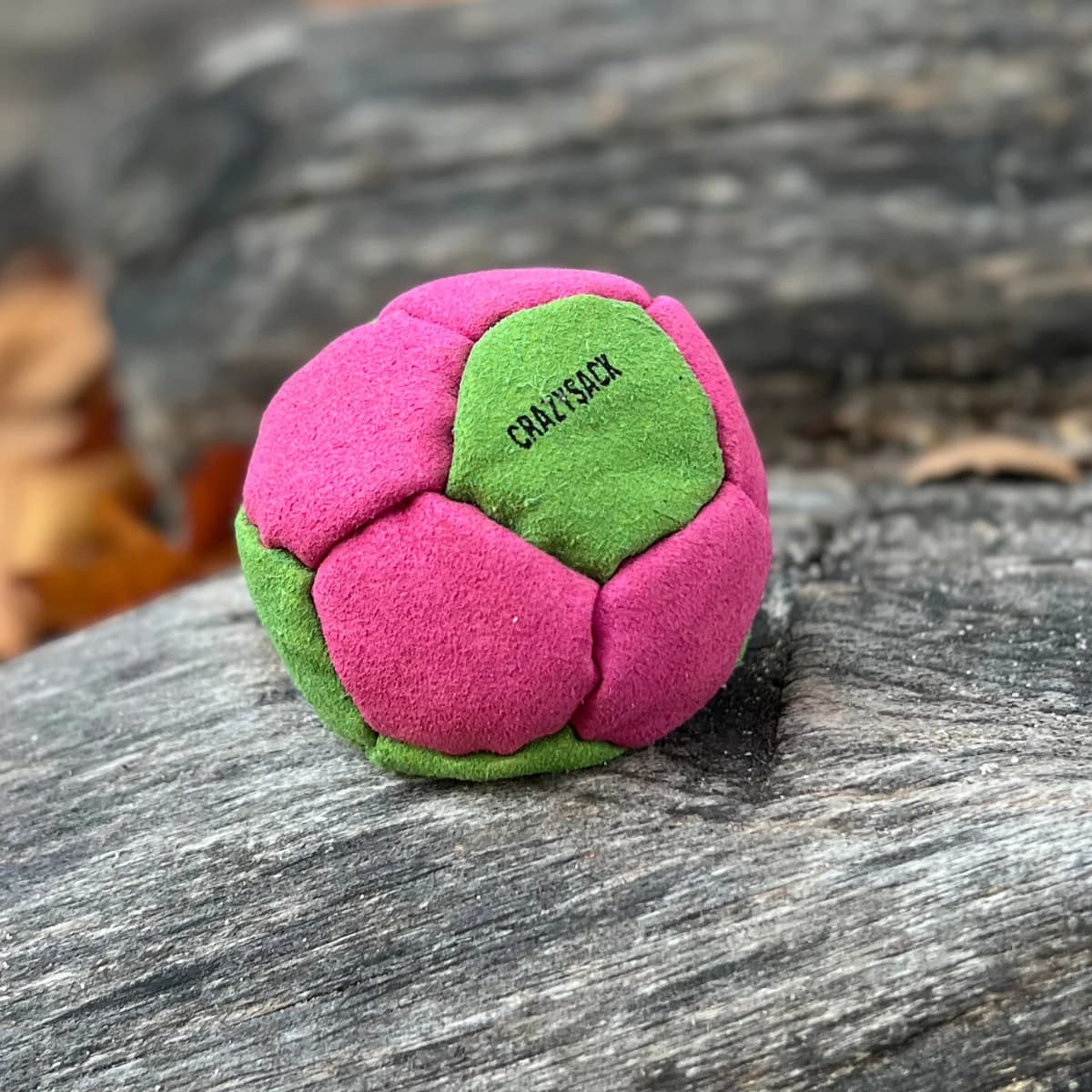
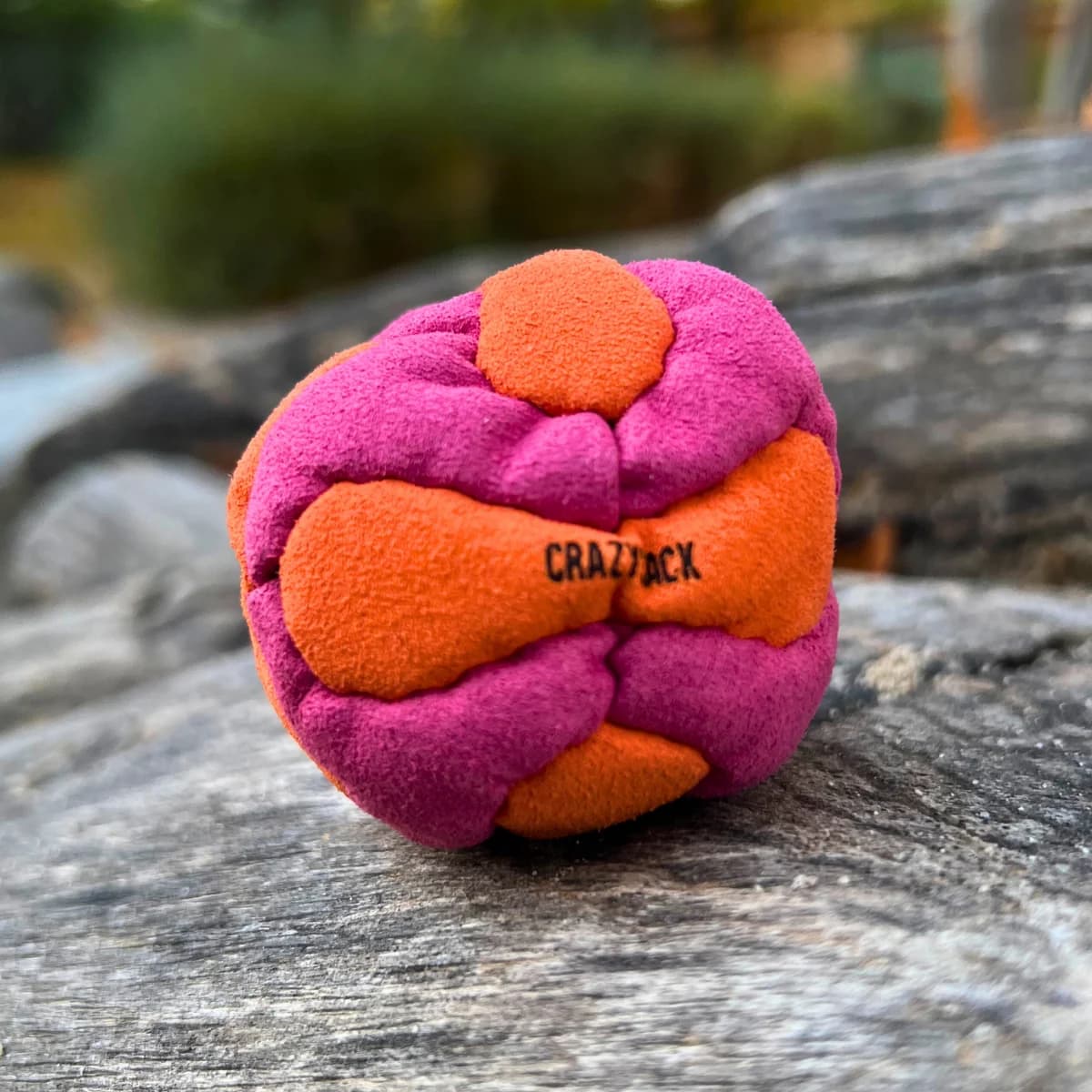
Matching footbags from our shop
Hand-stitched in Germany, ready to ship.


You might also like
DIY Hacky Sacks: Sew Your Own Footbag
Step-by-step guide to making a custom footbag — fabrics, fills, stitching, and care tips for a bag that plays the way you want.
2 min read
How Hacky Sacks Make Your Evening Wind-Down Calmer
Turn after-work stress into light play: how a footbag helps you switch off, move gently, and reclaim your evenings.
3 min read
Why Footbags Make a Genuinely Rewarding Hobby
Fitness, creativity, community, and almost zero gear — why footbags (hacky sacks) enrich daily life for kids, adults, and families alike.
1 min read