
More than a park toy
Hacky sacks (footbags) started as skill toys. Clinics, schools, and physiotherapy practices now use them because they pack movement, focus, and coordination into a soft, portable bag. No complex setup — just graded challenges that feel like play.
Motor coordination
For kids, older adults, or people recovering from injury, better coordination means daily life gets easier. A footbag makes that training engaging.
Hand–eye coordination
Tosses, catches, and controlled lifts link vision and fine motor control.
- Slow starts with low injury risk
- Useful after stroke or for kids building basics
- Scale distance and complexity as skills grow
Balance and body control
Foot work forces stance adjustments and core engagement.
- Helpful after lower-limb injuries
- Supports stability training for seniors
- Load can match the patient’s fitness
Cognitive side
Linking senses and movement also loads attention systems — useful when focus is the therapy goal.
Concentration
Keeping a bag alive demands sustained attention. Quick early wins keep kids engaged; adults often report less stress and sharper focus after regular sessions. Movement also supports cerebral blood flow tied to cognitive performance.
Problem-solving
Trick progressions need planning and fast resets. Misses build resilience; group drills add social problem-solving.
In physiotherapy
Therapists use footbags to hit multiple muscle groups while keeping motivation high.
Strength without heavy gear
Arms, legs, and trunk can all be targeted with gentle, variable loads — useful when big machines intimidate or are not yet appropriate. Good for post-op mobilisation and return from inactivity.
Motor memory
Repeated patterns help re-encode movement. Early success keeps adherence up; the approach is especially valued in neurological conditions such as Parkinson’s or MS when guided carefully.
In occupational therapy
OT focuses on fine motor skill and everyday function. Finger juggles and short throws train precision for writing, gripping, lacing shoes, or tool use — scaled to each patient. Bags travel easily, cost little, and fit solo or group sessions alongside balance or mobility work.
Bottom line
A small bag can support coordination, concentration, physio, and OT without feeling clinical. Playful progress keeps people coming back. Therapy teams looking for durable, well-filled options can start in our shop.
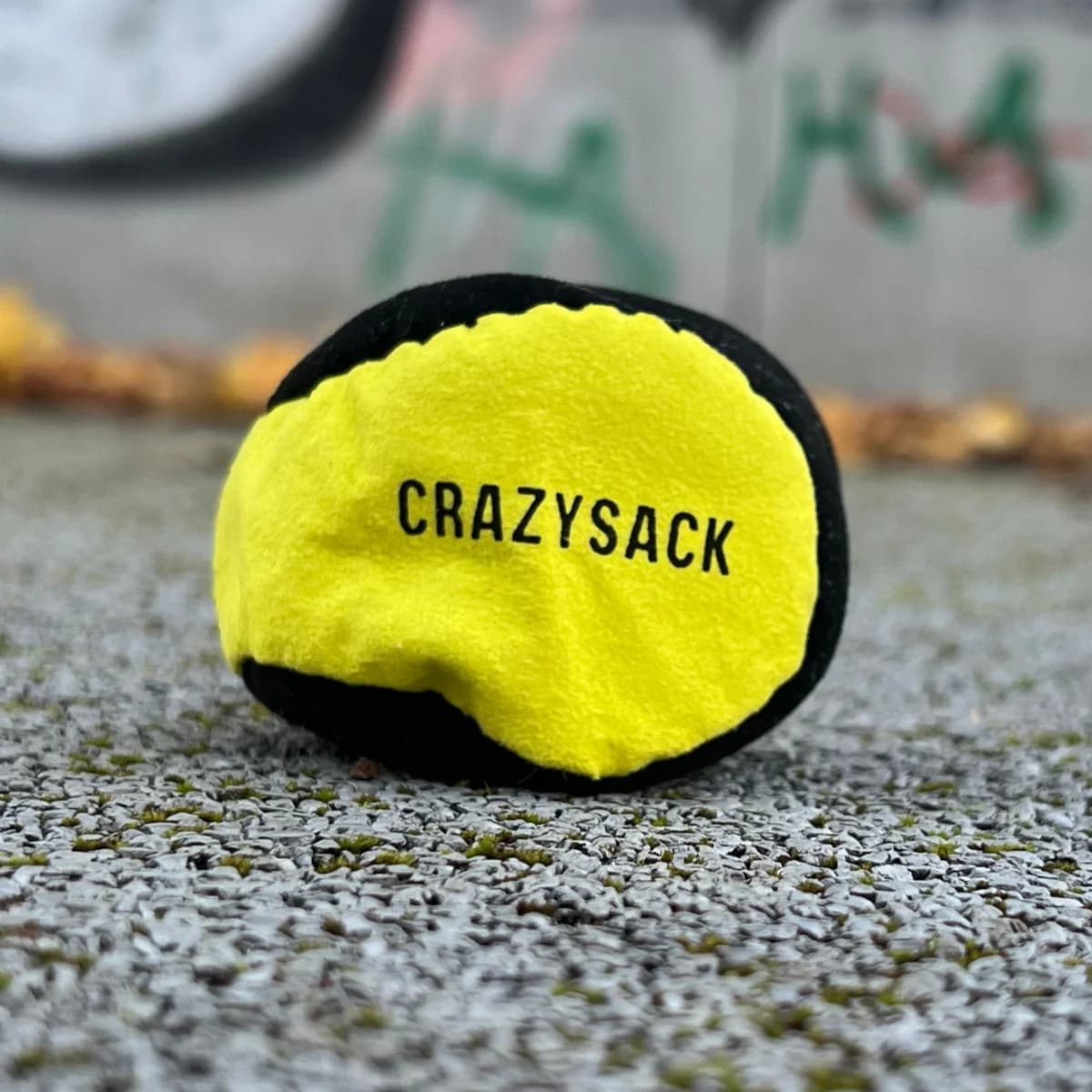
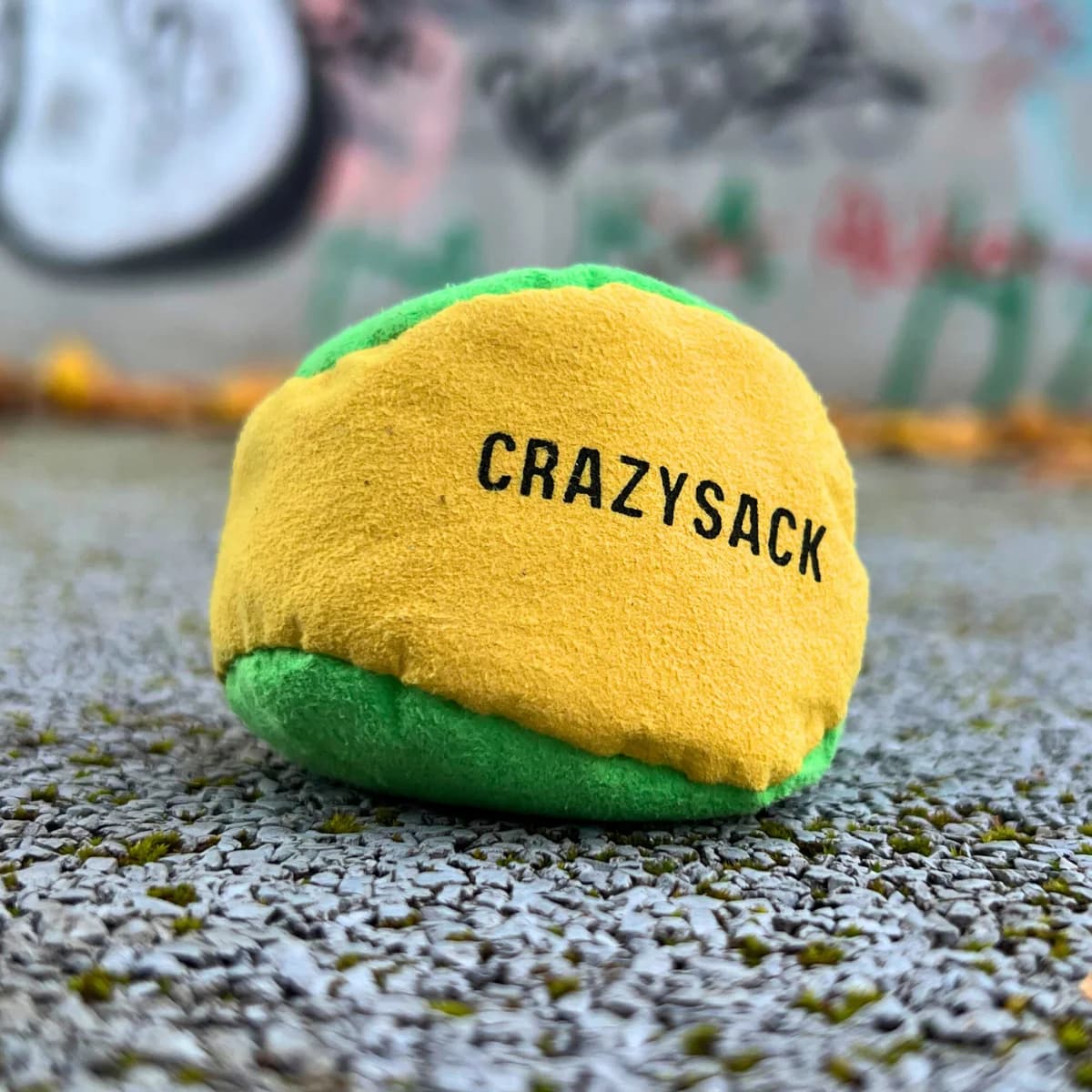
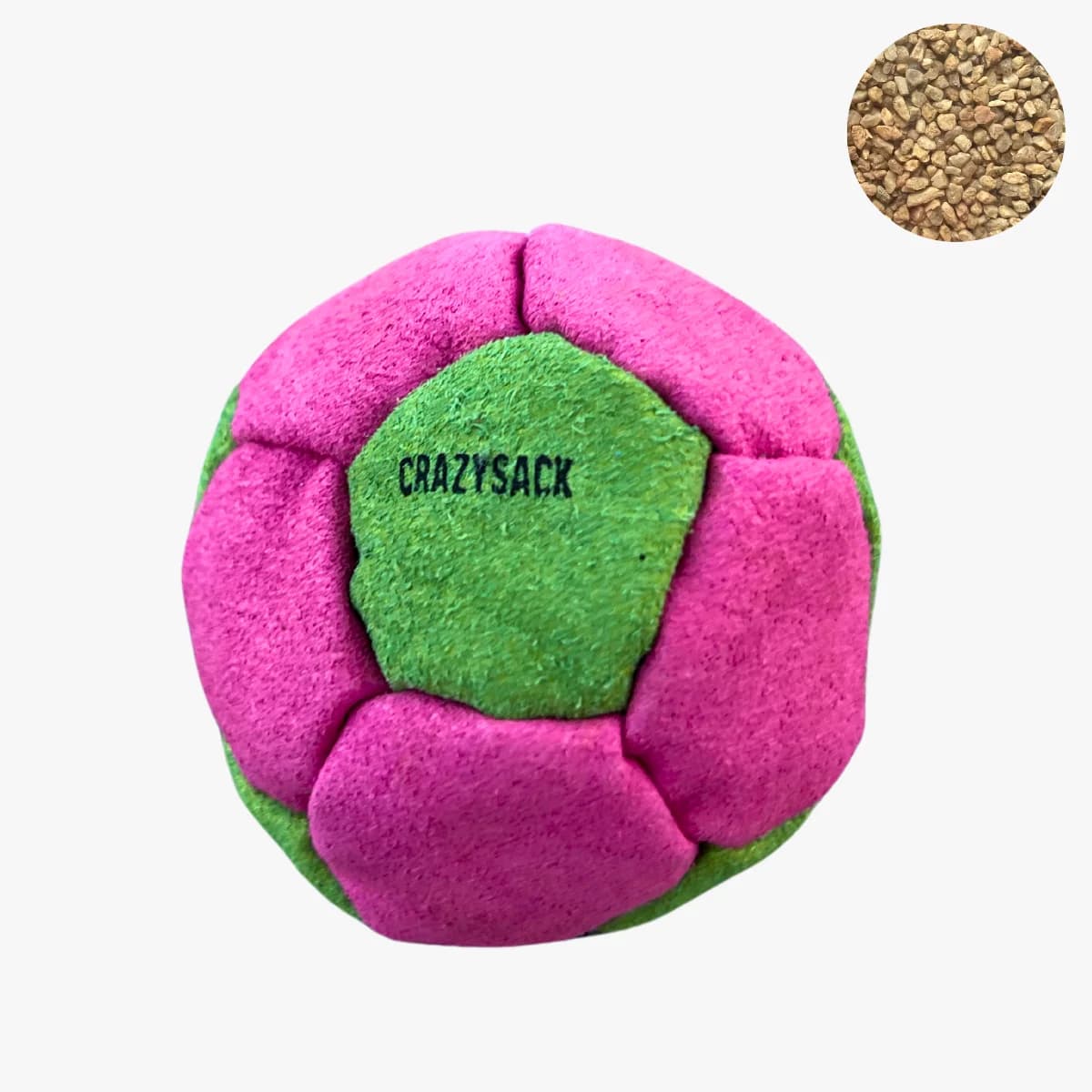
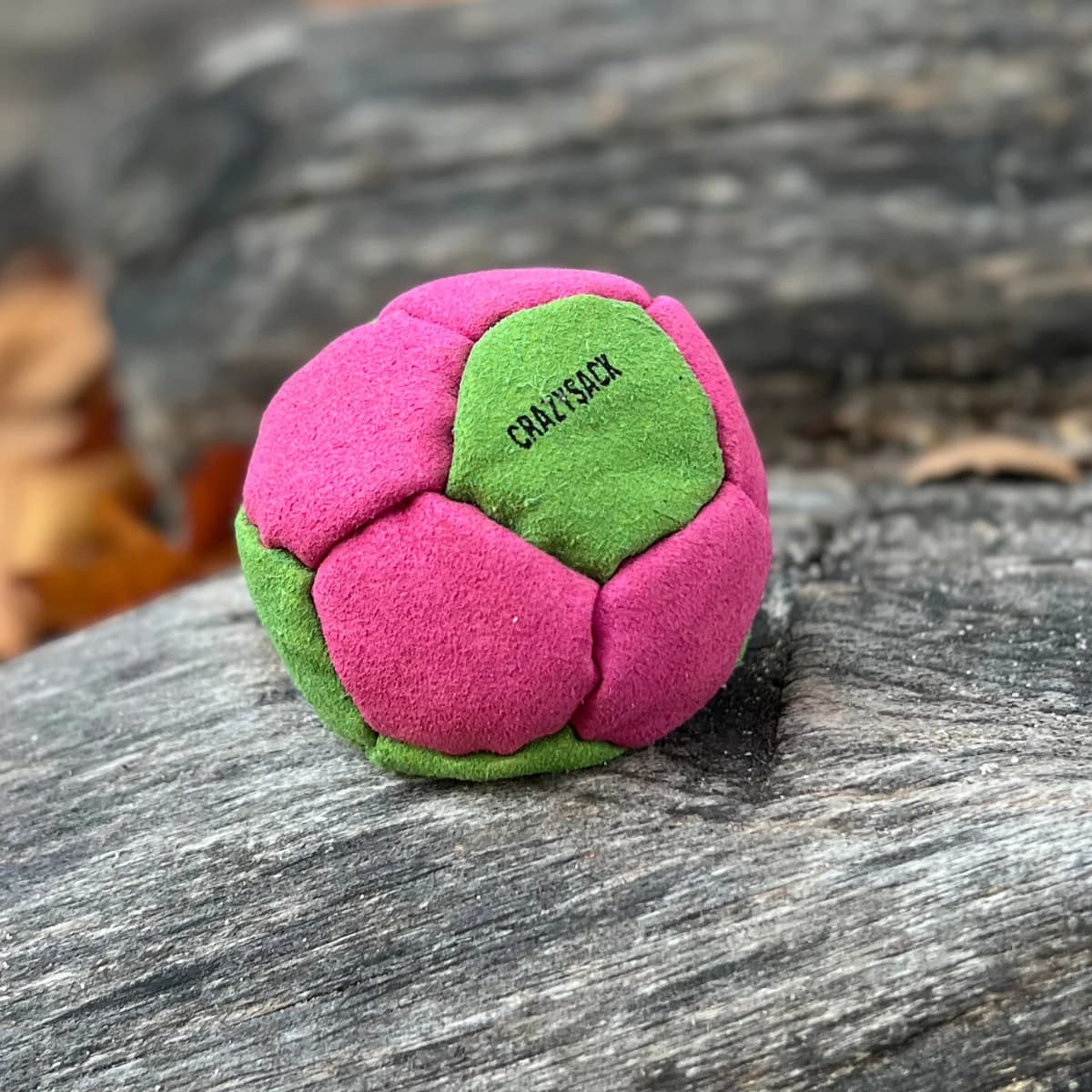
Matching footbags from our shop
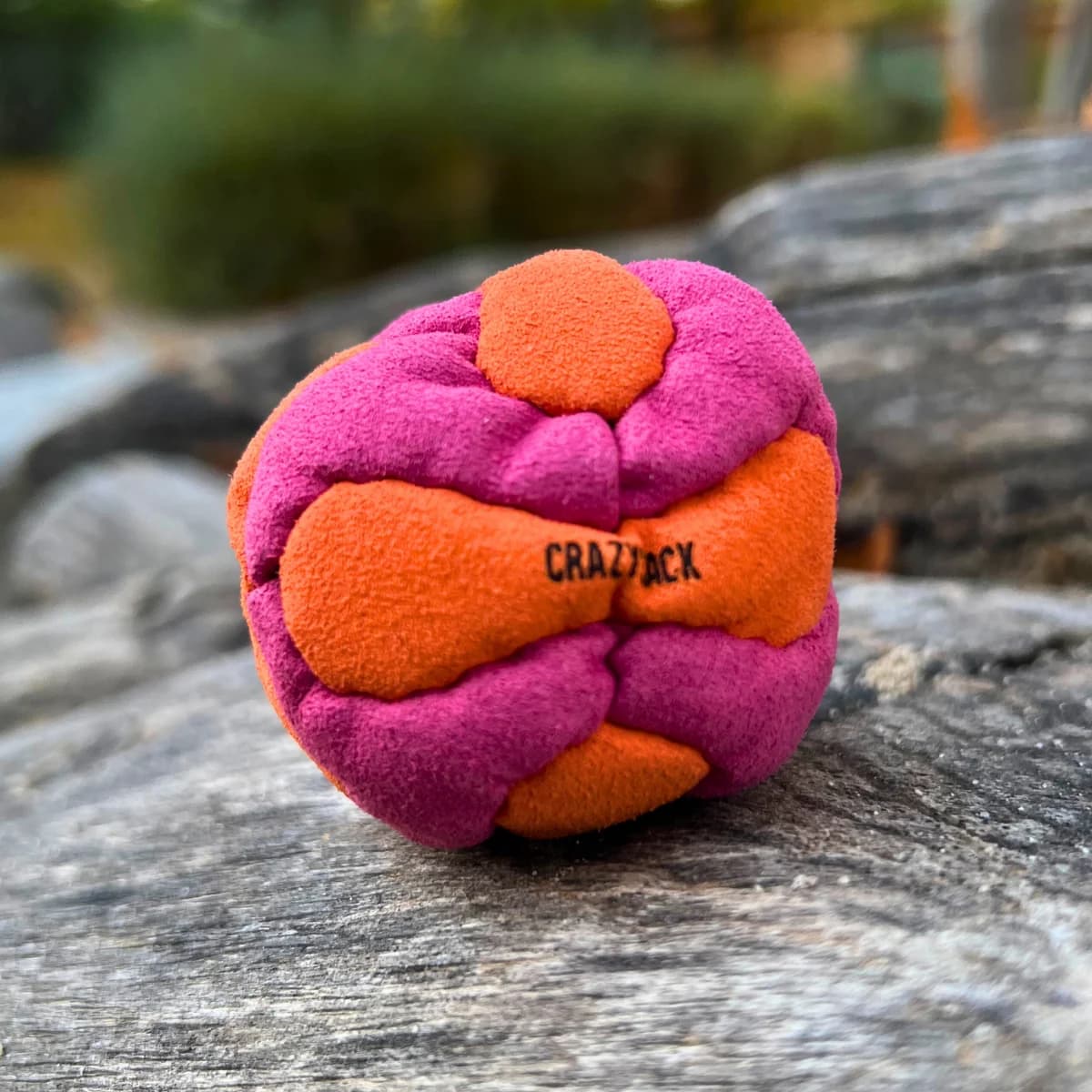
Hand-stitched in Germany, ready to ship.



You might also like
How Hacky Sacks Help You Focus Better
Train attention with playful movement — how footbag drills sharpen focus, working memory, and mental reset between tasks.
2 min read
5 Reasons Hacky Sacks Improve Your Coordination
Five clear reasons a footbag sharpens balance, foot-eye timing, and focus — playful coordination training you can do anywhere.
2 min read
How Hacky Sacks Make Your Evening Wind-Down Calmer
Turn after-work stress into light play: how a footbag helps you switch off, move gently, and reclaim your evenings.
3 min read