
Why the right bag matters for freestyle
If you train freestyle with a hacky sack (footbag), the bag is not a toy — it is the centre of every stall and miss. Size, shell, and fill decide whether an Around the World or a Pixie Kick lands or skids. A good freestyle bag gives you a predictable place to park the bag on the foot and enough durability to survive daily reps.
Beginner or long-time player, the right model shortens the gap between “almost” and “clean.” Here is what to check before you buy.
Shell materials: what suits which tricks?
Cotton / soft fabric
- Soft and forgiving for early freestyle work
- Stays put on contact more easily
- Wears faster under heavy outdoor use
Suede / ultrasuede-style
- Durable and premium feel
- Balance of grip and glide for stalls and delays
- A classic freestyle choice
Synthetic outdoor shells
- Often more weather-resistant
- Good for hard outdoor surfaces
- Slightly less grip than suede; fine for faster, snappier play
Fill: sand or plastic beads?
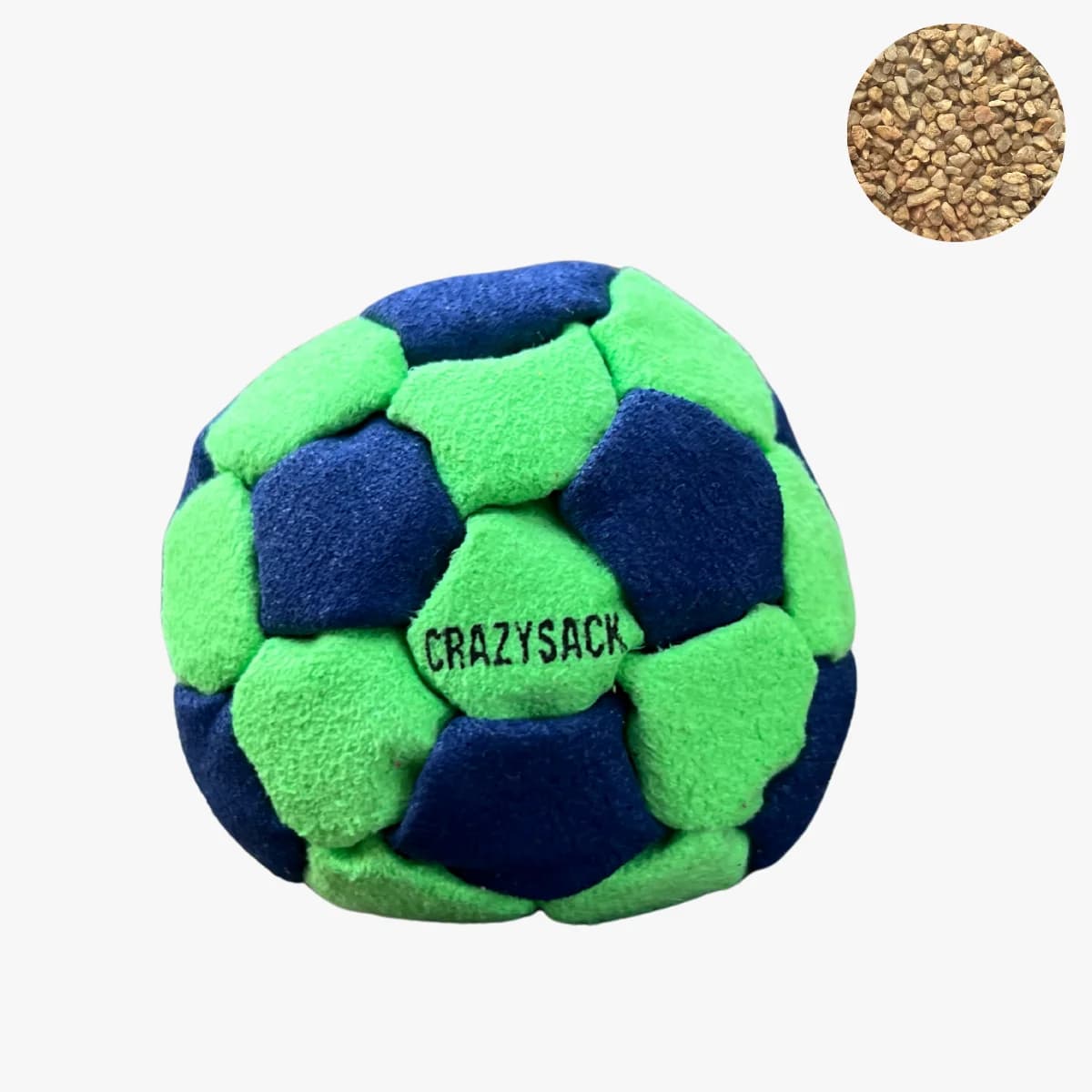
Sand fill
- Precise, controlled feel
- Ideal when the bag should rest on the foot
- Less springy — stability over bounce
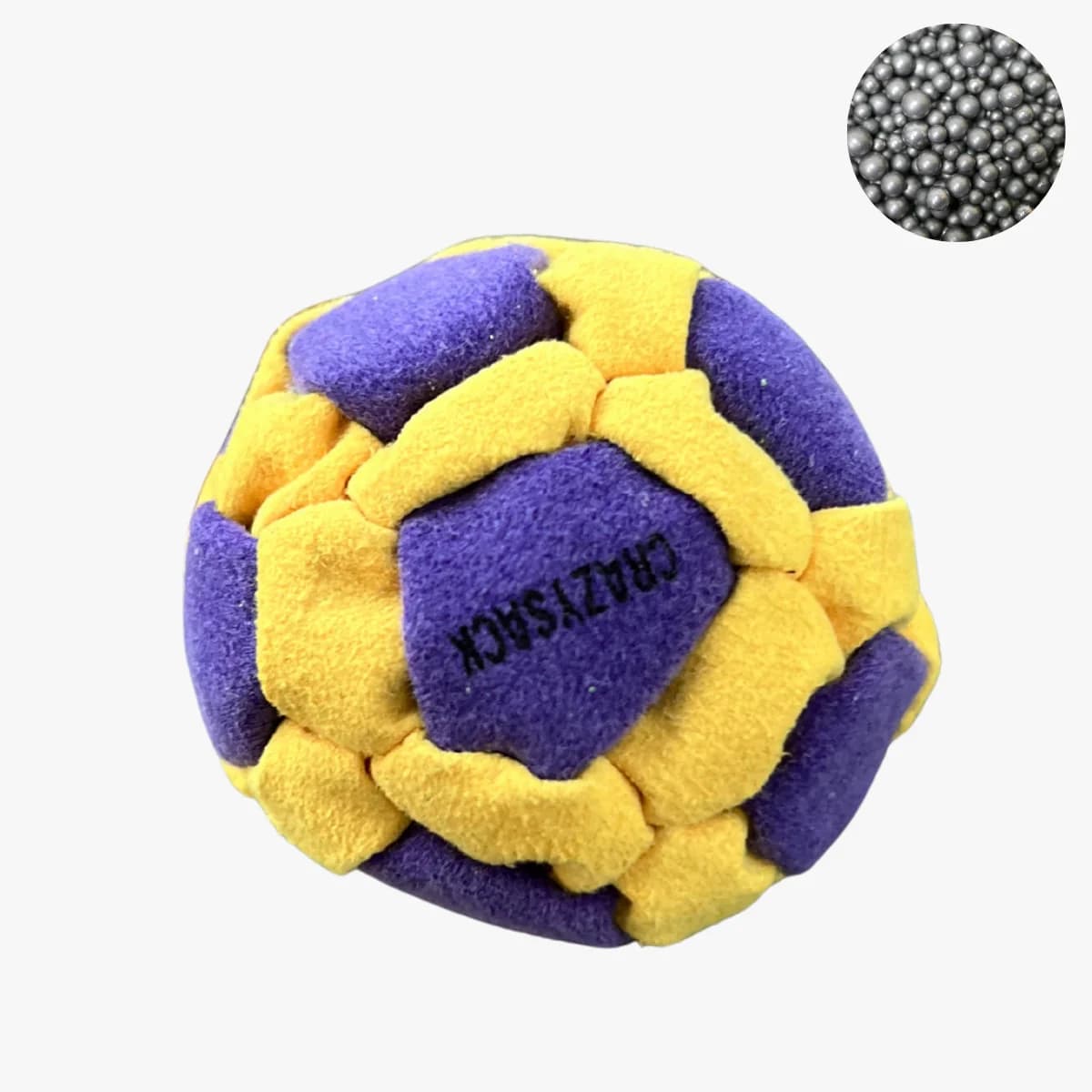
Plastic beads
- More rebound for dynamic links
- Fill that holds up longer under crush
- Preferred if you like speed and a livelier bag
Many freestylers keep a sand bag for stalls and a bead bag for circle or warm-up — both have a job.
Size: small, mid, or large?
Small (~5 cm)
- Precision for advanced players
- Packs easy; harder to hit cleanly when you are learning
Mid (~6–7 cm)
- Best all-rounder for most freestyle practice
- Balance of target size and control
Large (~8–10 cm)
- Easy to hit; great for groups and absolute beginners
- Clumsy for advanced freestyle lines
Buying tips
- Check seams: loose stitching is the first failure point
- Feel the grip — a slick shell fights every stall
- Read player reviews for real wear behaviour
- Skip the cheapest no-name bags if freestyle is the goal; weak construction costs more practice time than money
Ready to compare builds? See freestyle-friendly options in our footbag shop.
Care and storage
- Wipe with a damp cloth after muddy outdoor sessions
- Fix small seam issues early
- Leather/suede-style shells: occasional conditioner keeps them supple
- Store dry, out of direct sun; avoid damp cupboards
- A small pouch keeps grit and dust off the shell
Bottom line
The “perfect” freestyle hacky sack is the one whose material, fill, and size match your tricks. Invest a little in build quality, try mid-size sand-fill first if you are unsure, then specialise. With the right bag underfoot, stalls get quieter and combos start to stick.
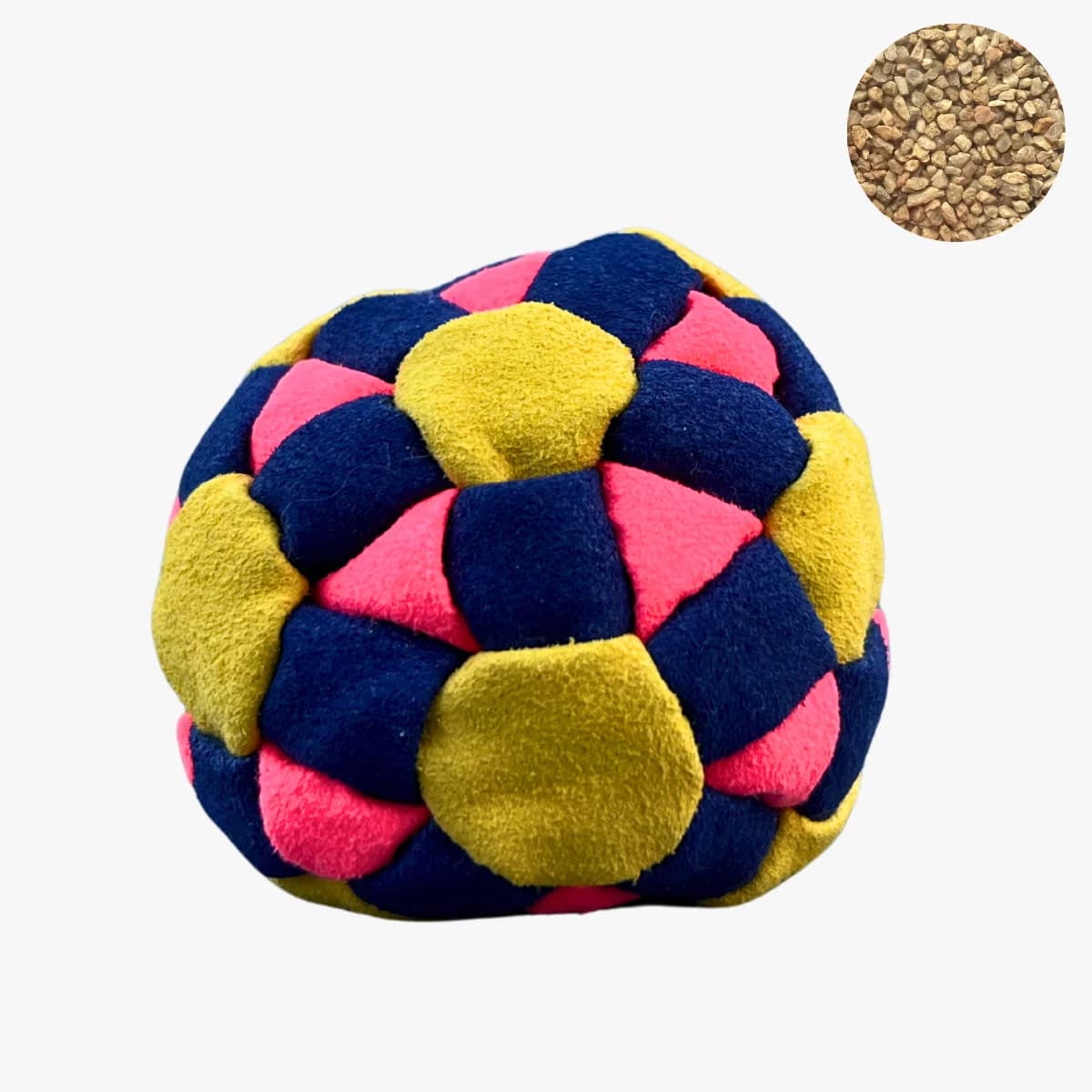
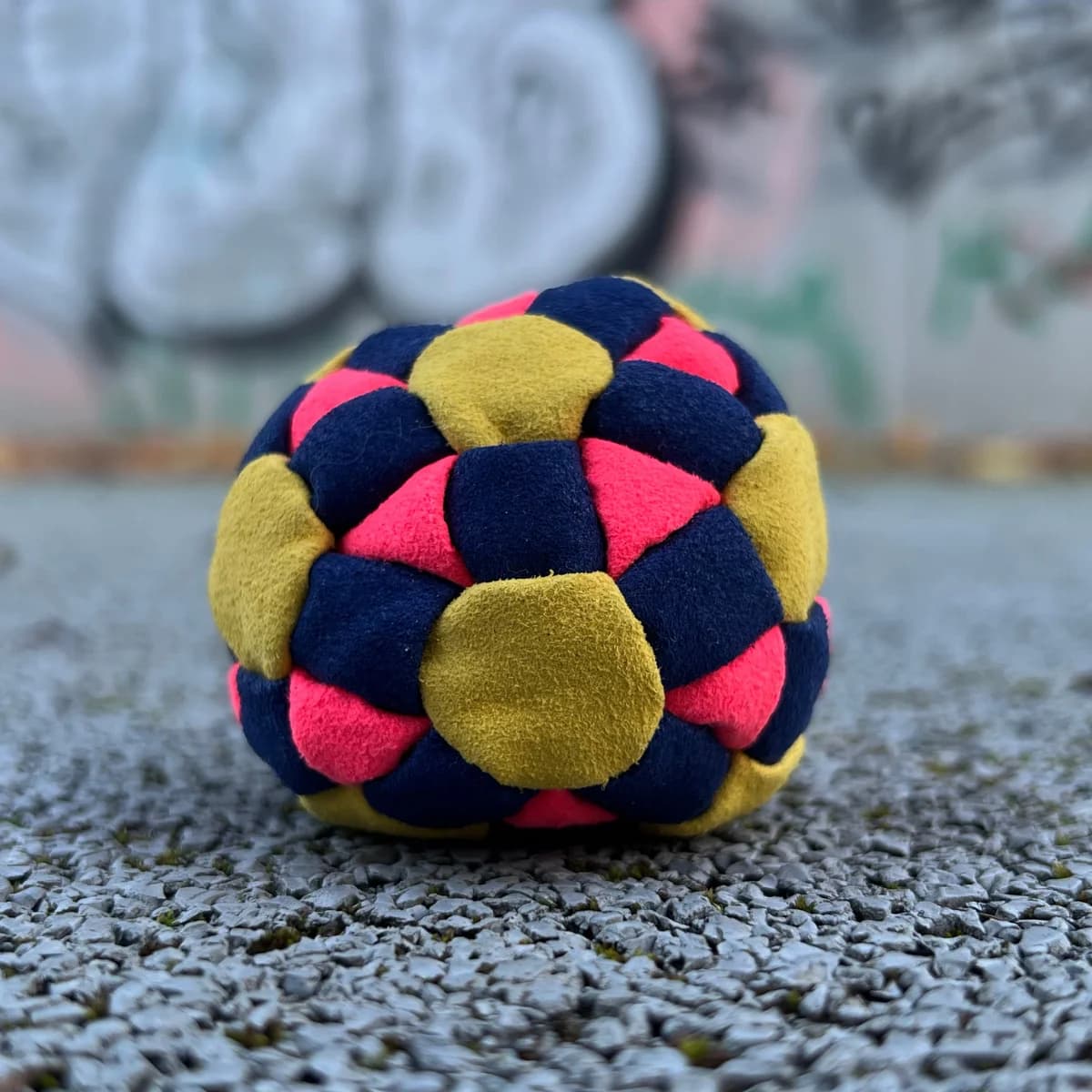
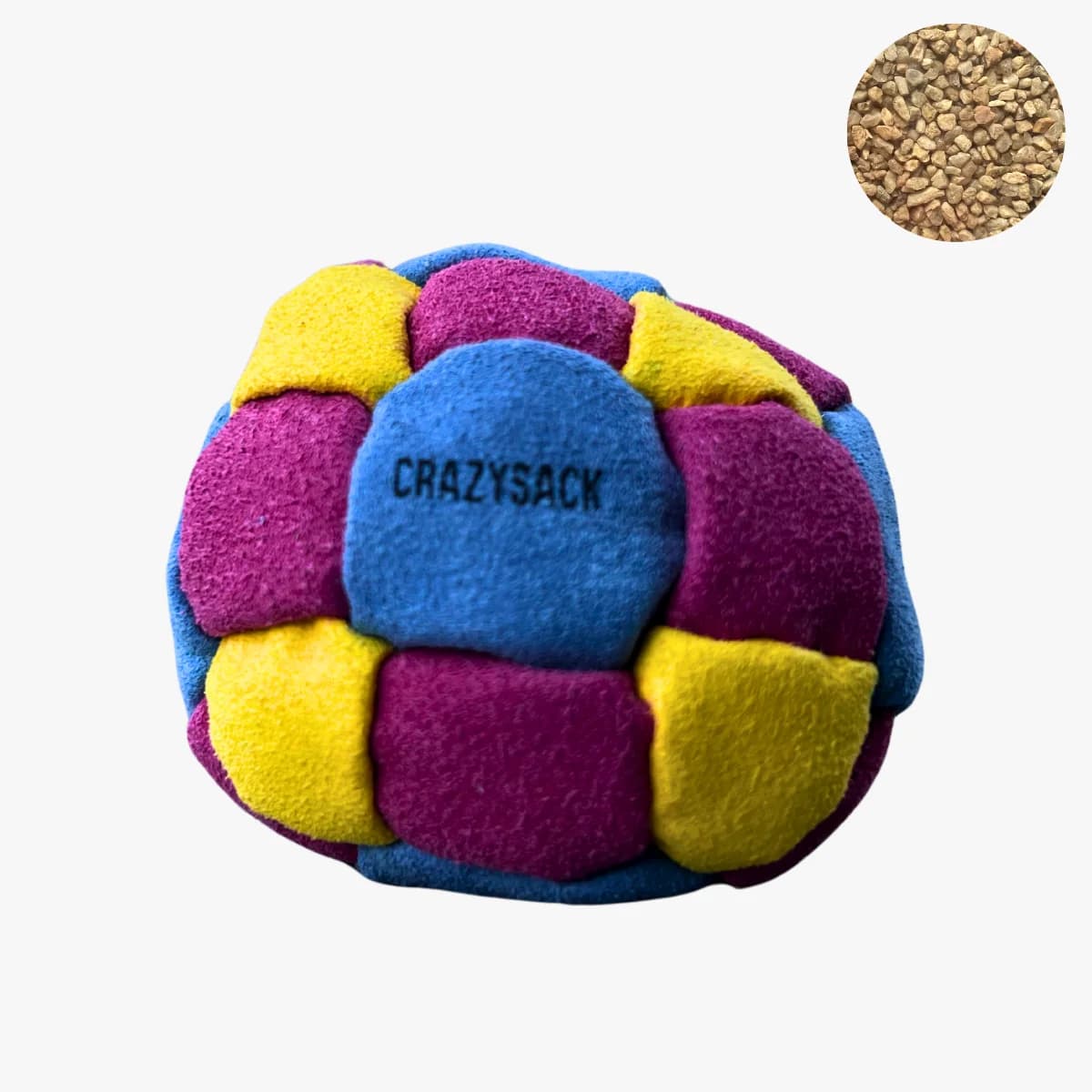
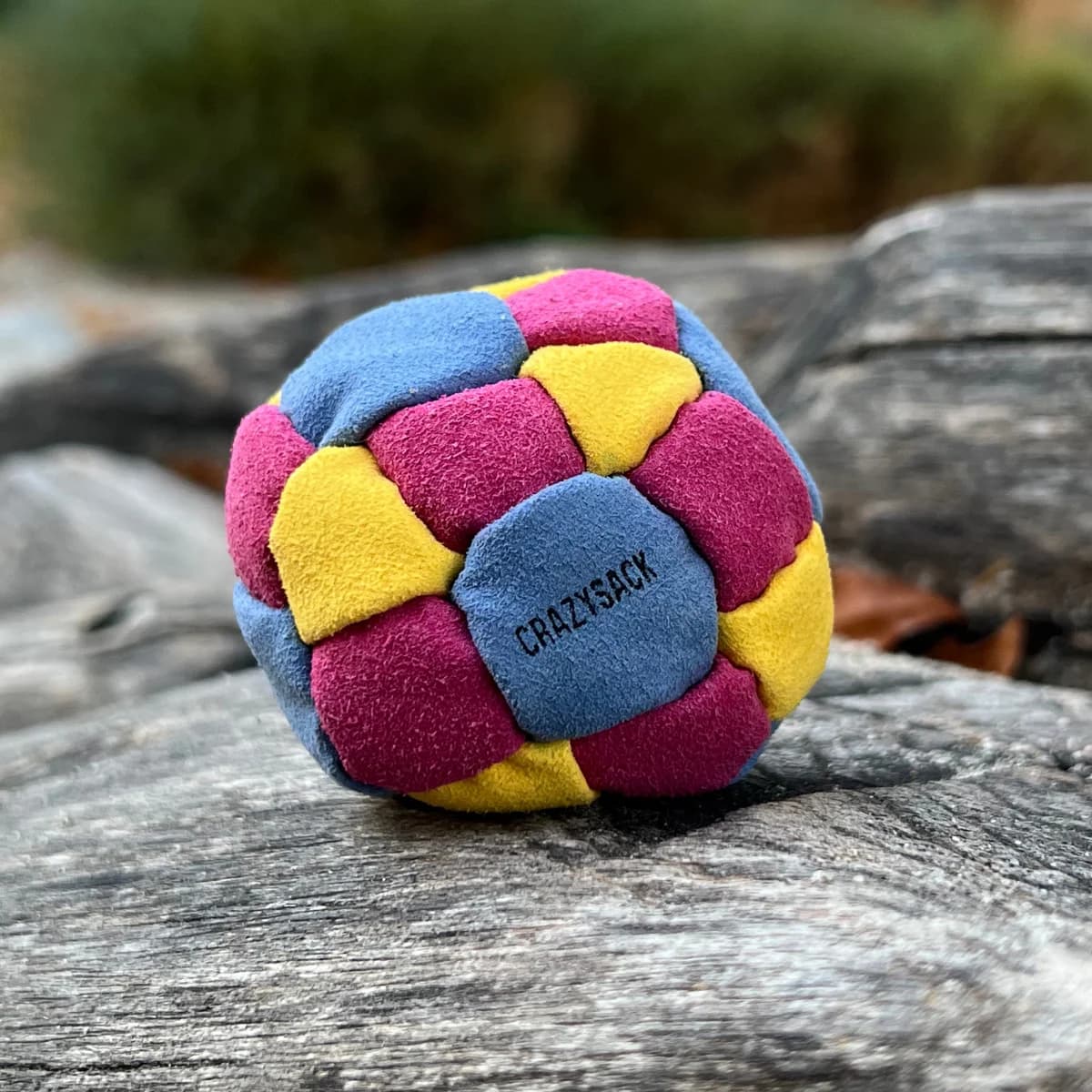
Matching footbags from our shop
Hand-stitched in Germany, ready to ship.
You might also like
Best Training Methods for Footbag Freestyle Tricks
Structured footbag freestyle training — posture, control drills, warm-ups, trick progression, common mistakes, and mental habits that keep you improving.
2 min read
Freestyle Footbag: A Guide to Spectacular Tricks
Learn freestyle footbag from gear and fundamentals to butterfly, whirl, and pixie — plus practice habits and how contests work.
3 min read
How to Find the Perfect Footbag Community
Online and local tips for meeting players, joining supportive groups, and leveling up your game with others.
2 min read