
From park toy to clinic tool
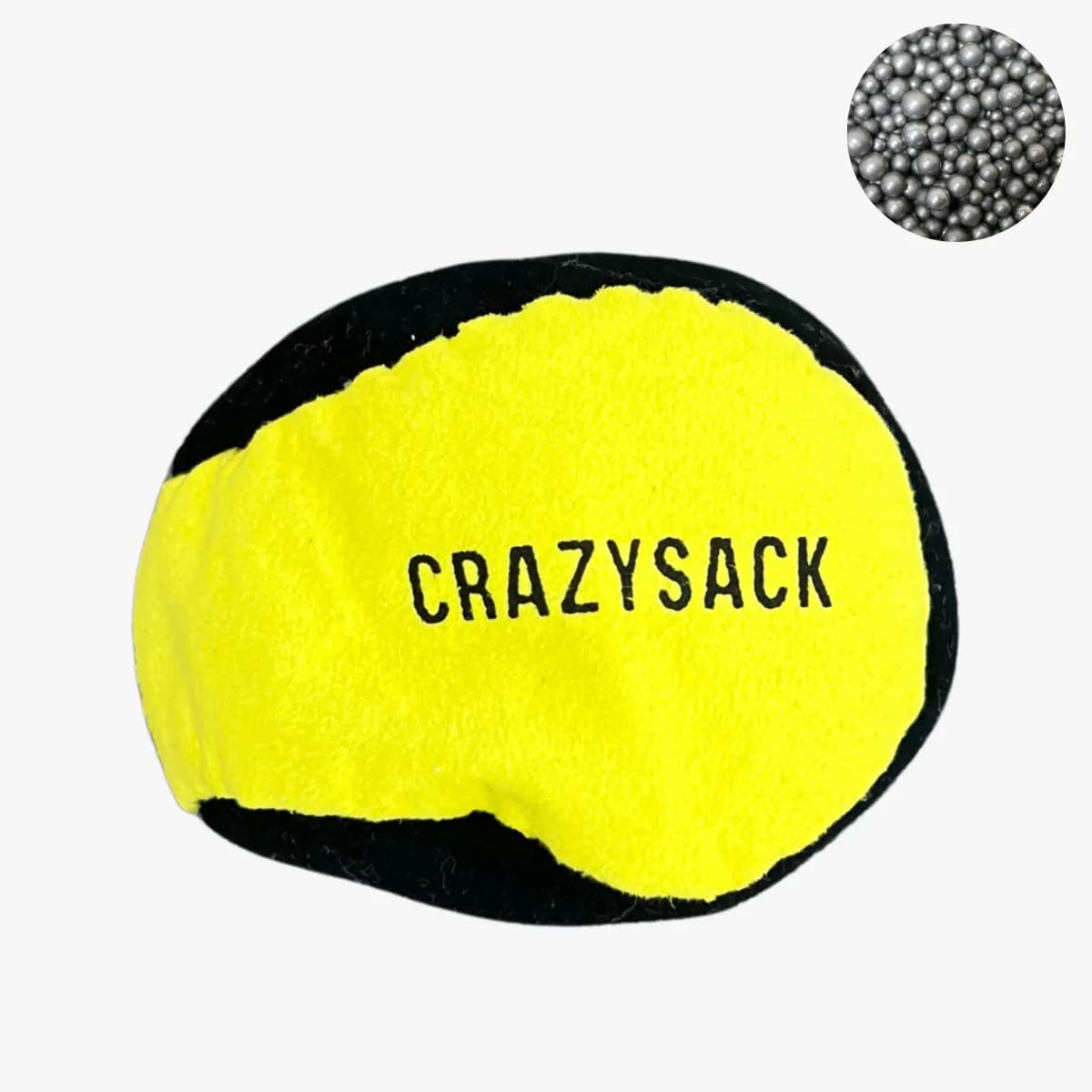
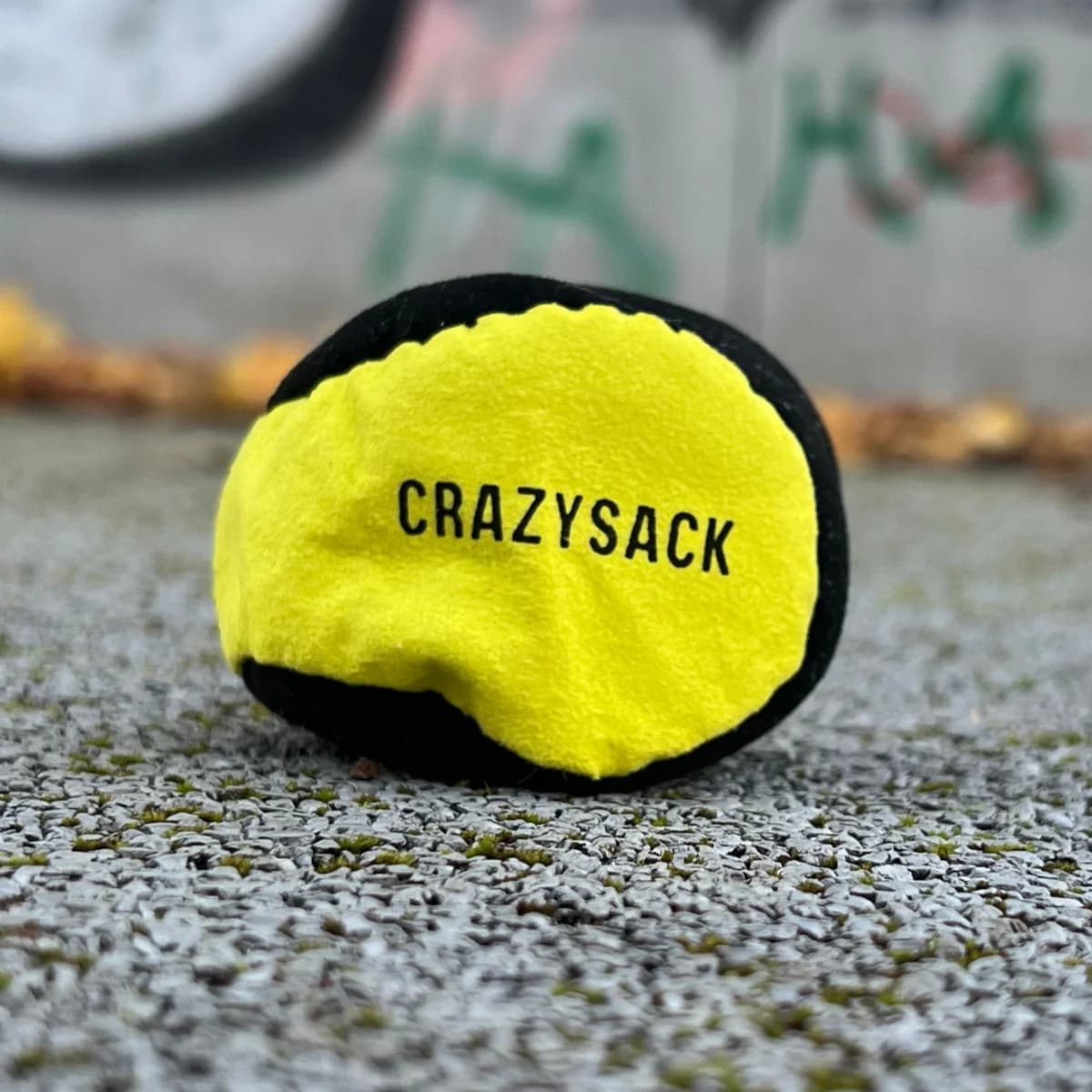
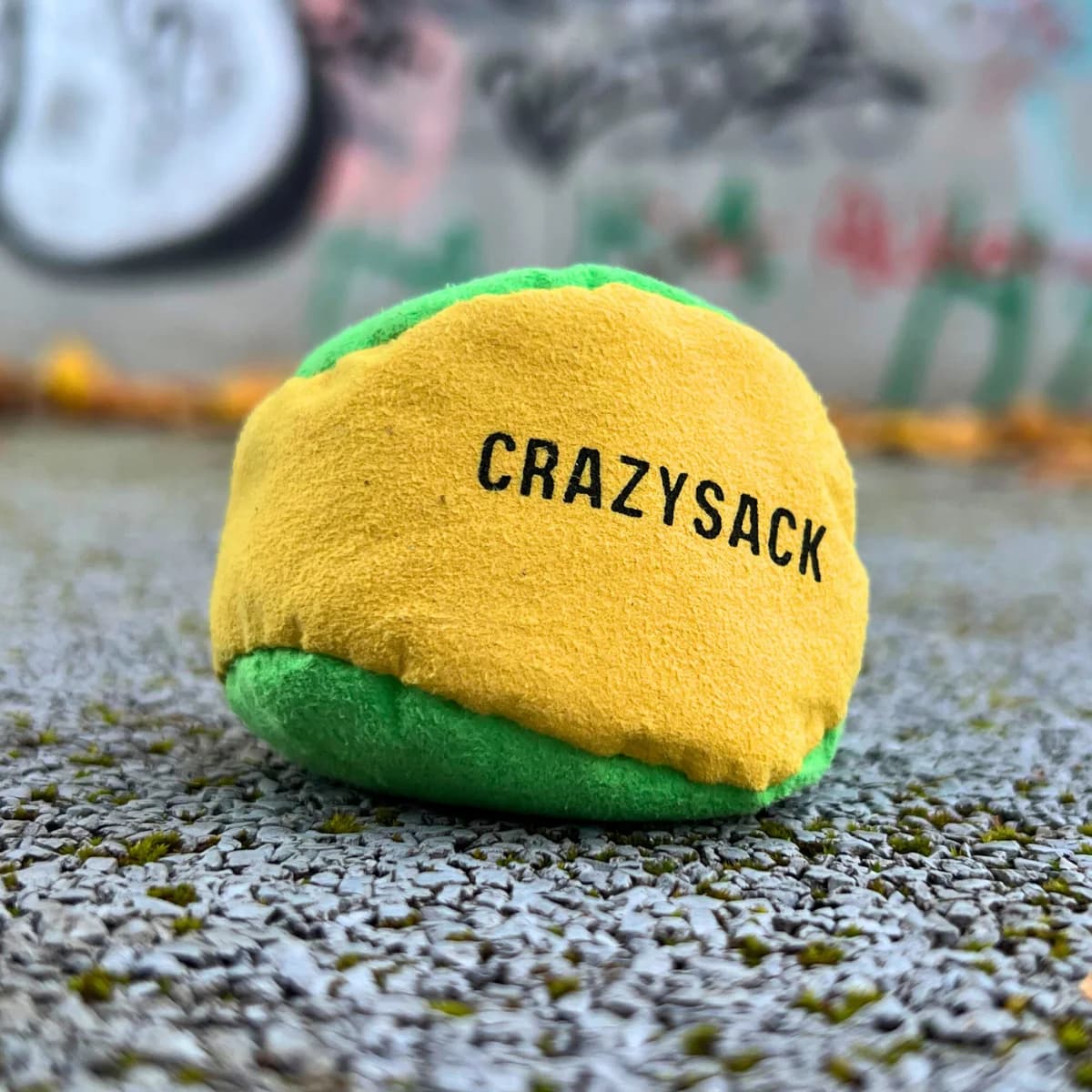
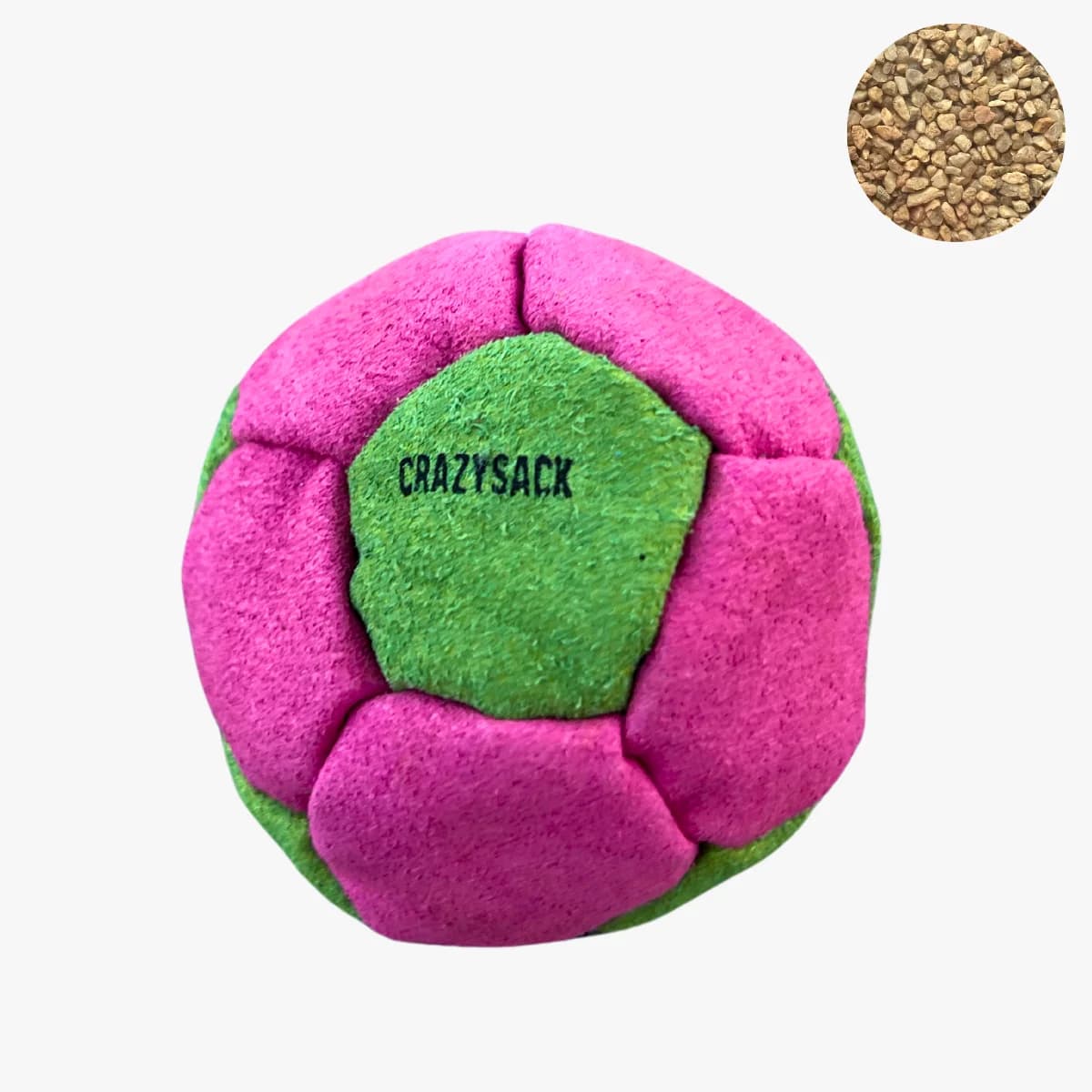
Footbags (hacky sacks) are soft bags filled with sand or pellets, traditionally kicked for freestyle fun. Clinics now use them because they are compact (~5–6 cm, ~30–70 g), low-risk, and flexible across body regions. Therapists need motivating tools that improve mobility, coordination, and balance — footbags tick those boxes while feeling like play, which helps adherence.
Therapeutic uses
Coordination and balance
Especially valuable for older adults and neurological rehab (e.g. post-stroke):
- Core stability via controlled foot work
- Reaction and body control through graded juggling
- Bilateral coordination (e.g. toss-and-catch variants)
Drills work standing, seated, or on unstable surfaces with clear progressions.
Proprioception
After injury or surgery, body awareness often lags. Tactile cues and rhythmic, repeatable patterns help restore functional movement — useful after knee or ankle issues when load stays controlled.
Advantages vs classic gear
Cheap and motivating
Quality bags cost a fraction of rehab machines; clinics can stock many for groups and home programs. Kids and younger adults often engage longer because it feels like a game, not homework.
Easy to slot in
Works beside manual therapy, functional training, and neurorehab:
- Single-leg stand with light kicks
- Seated trunk work for wheelchair users
- Dynamic catches for hand–eye goals
No extra room or heavy staffing needed.
Who benefits
Older adults
Balance and fall-risk work with soft, controllable objects — less intimidating than large therapy balls.
Athletes in rehab
Ankle stability, post-ACL coordination, and neural reactivation fit warm-ups and return-to-play blocks; bags travel easily into team settings.
Sample drills and cautions
Examples: single-leg juggling for stance, side weight shifts rolling the bag underfoot, overhead tosses for shoulder and hand–eye work, partner passes for group sessions.
Adapt always: standing work needs supervision if balance is poor; acute or early post-op phases stay gentle. Under guidance, the tool scales from beginner to advanced.
Bottom line
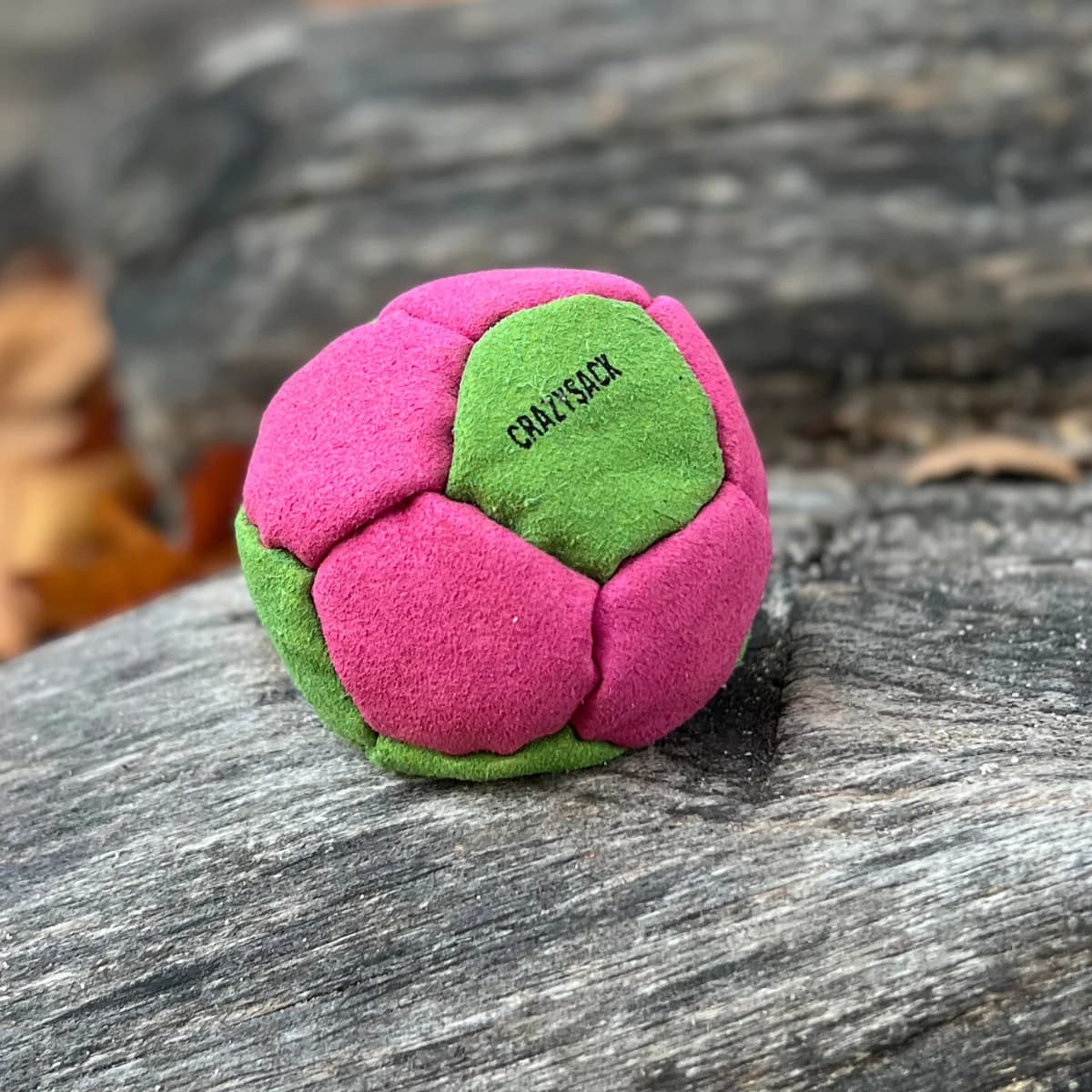
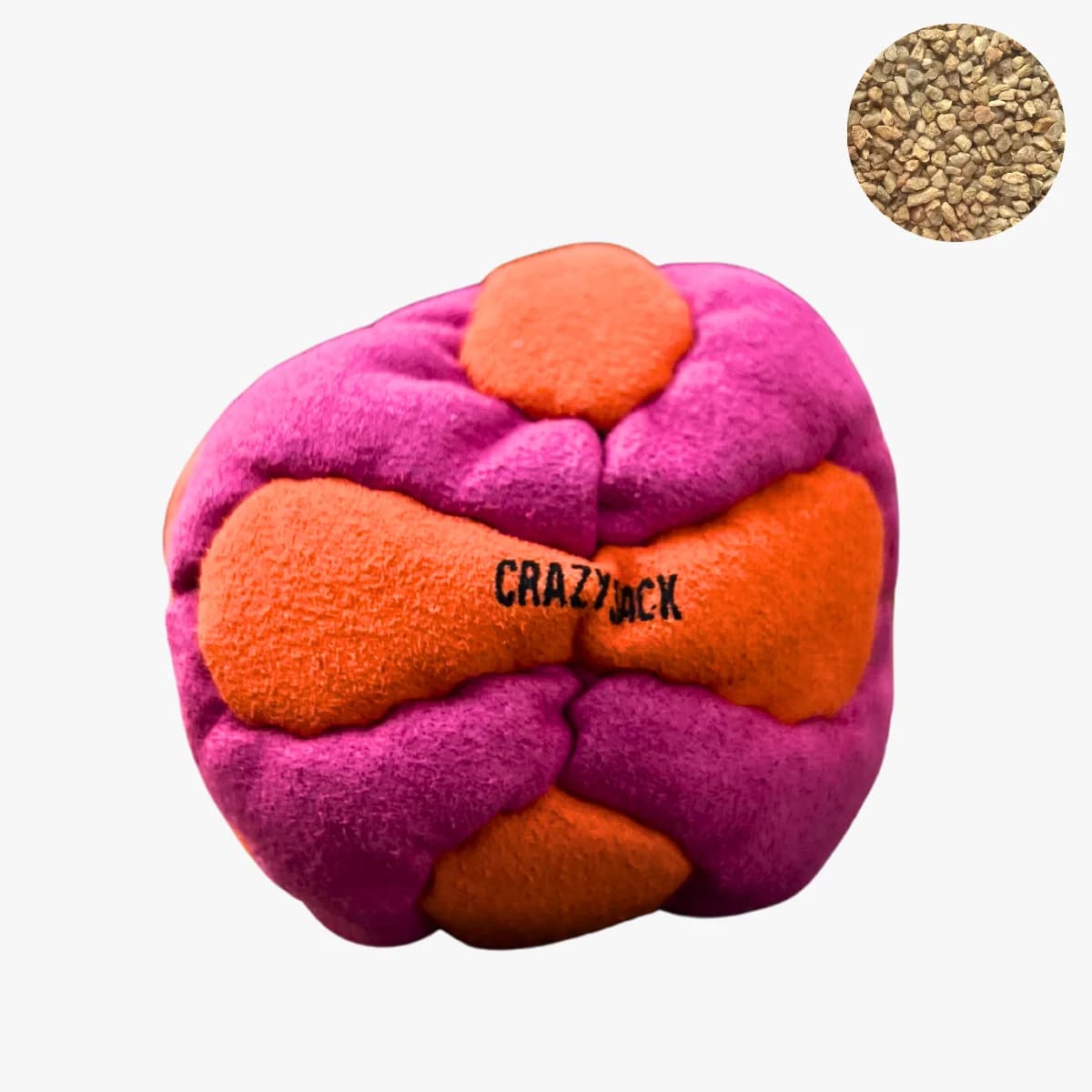
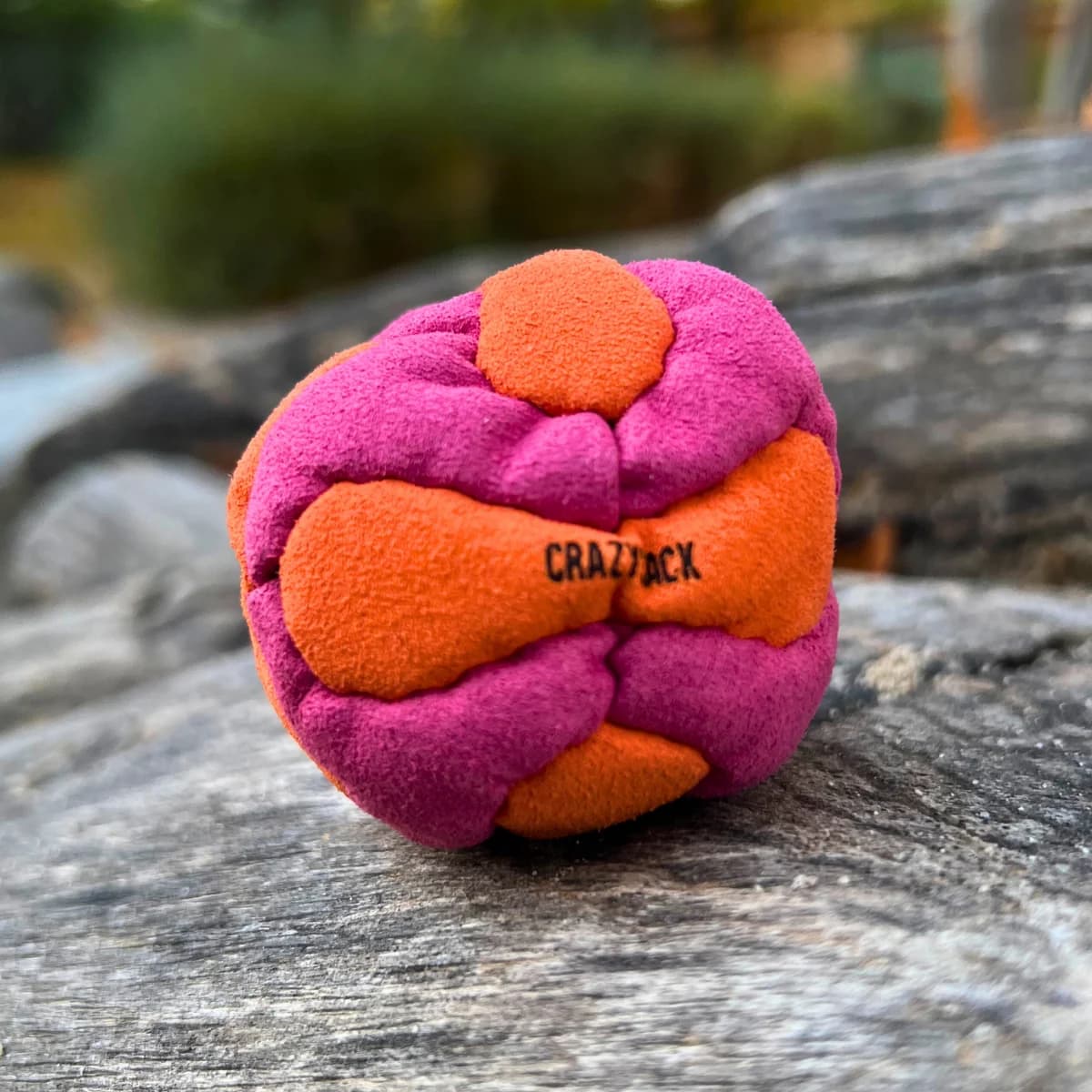
Low barrier, high engagement, broad use in prevention, rehab, and activation — that is why practices keep adding footbags. Durable clinic-ready options: our shop.
Matching footbags from our shop
Hand-stitched in Germany, ready to ship.

You might also like
Why Footbags Are Catching On in Schools
How footbags bring movement, focus, and teamwork into the school day — a low-cost tool teachers and students actually enjoy.
2 min read
How Hacky Sacks Make Your Evening Wind-Down Calmer
Turn after-work stress into light play: how a footbag helps you switch off, move gently, and reclaim your evenings.
3 min read
Why Footbags Make a Genuinely Rewarding Hobby
Fitness, creativity, community, and almost zero gear — why footbags (hacky sacks) enrich daily life for kids, adults, and families alike.
1 min read