More than a playground toy
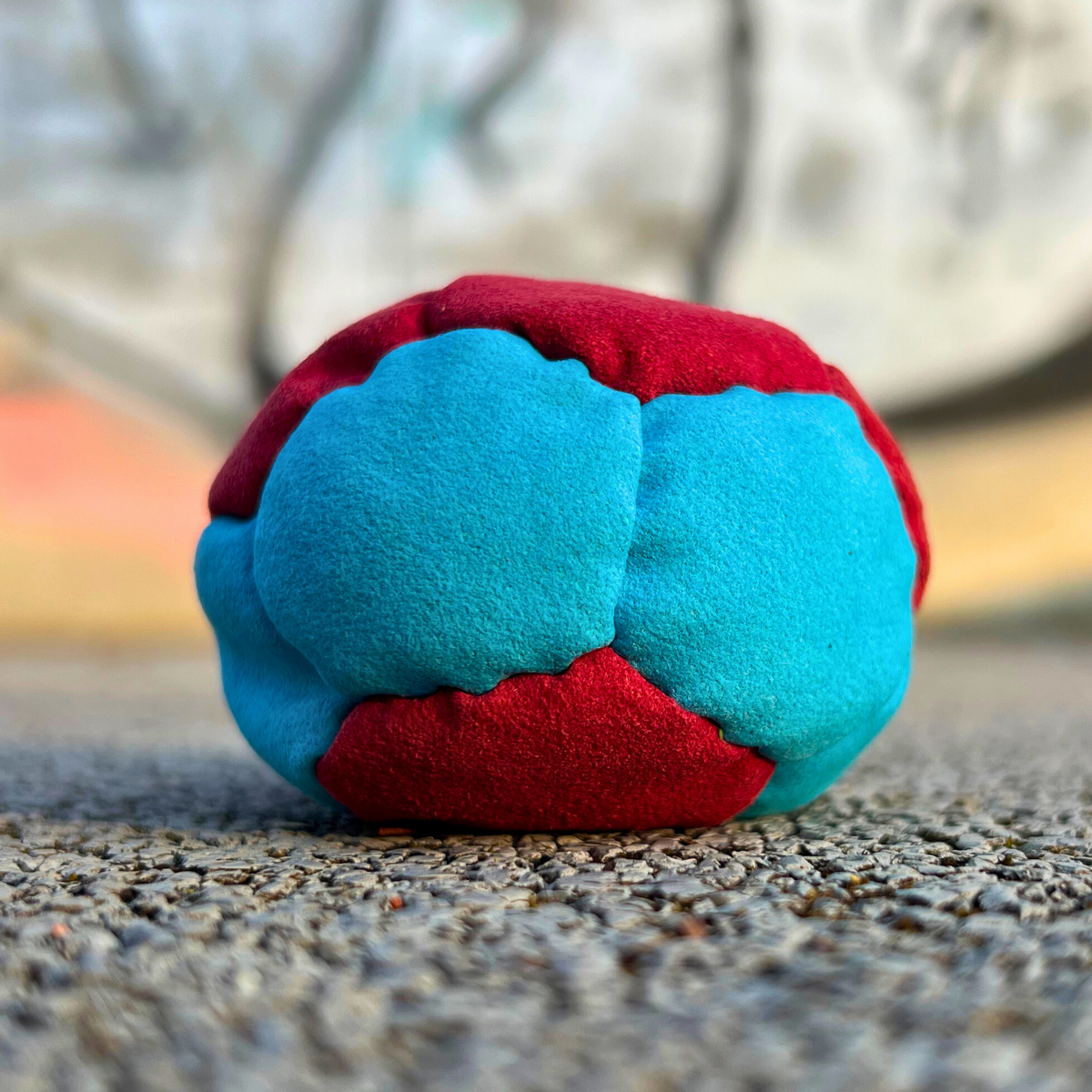
A footbag (often called a hacky sack) is a small fabric ball filled with plastic pellets or sand. What started as casual skill play now shows up in balance and coordination work with physios and coaches. You don’t need a gym — just a bag and a little floor space. The constant micro-adjustments it demands are exactly what proprioceptive training is about.
Why balance training matters
Balance underpins everyday movement and sport. It steadies you on uneven ground, cushions sudden direction changes, and lowers fall risk. It depends on three systems working together:
- The vestibular system in the inner ear
- Visual input from the eyes
- Proprioception from muscles, tendons, and joints
Targeted balance work strengthens deep stabilizers, sharpens reactions, and improves body control. Yoga, slacklining, and functional fitness all lean on the same foundation — and a footbag hits that foundation in a playful way.
Core is the center of the story
“Core” means more than abs: back, pelvic floor, and deep spinal stabilizers. Footbag play loads those layers continuously as you correct small wobbles. That functional core work suits casual athletes, older adults, and rehab settings as much as sport training.
How footbags change the stimulus
Unpredictable micro-movements
Unlike a fixed balance board, every kick and catch creates a new flight path. Your body has to respond in the moment. Benefits stack up:
- Deep muscle activation
- Better proprioception
- Stronger brain–body links
- Cleaner movement intelligence
Coordination, focus, and body awareness improve alongside balance.
Multi-plane patterns
Machine work is often one plane. Footbag play moves forward, back, side, and diagonal. Useful progressions:
- Single-leg stand while juggling the bag
- Short direction-change runs ending with a footbag touch
- Squats with a toss between the legs
Those patterns feel closer to real life and sport — and variety keeps motivation up.
Practical drills
Beginner basics
- Single-leg catch: Toss the bag up, catch it while standing on one leg; switch sides.
- Footbag pendulum: Swing the bag gently side to side with one foot without putting it down.
- Target toss: Land the bag on a floor mark or soft wall spot.
Advanced progressions
- BOSU + footbag: Stand on an unstable surface and keep the bag alive.
- Footbag slalom: Tip the bag between stations in a small obstacle path.
- Partner single-leg pass: Keep the bag off the ground while both players stand on one leg.
Raise difficulty with tempo, duration, music, distraction, or eyes closed.
Compared with other gear
Low injury risk, high frequency
Soft and light means little impact load. That suits seniors, rehab, and daily practice with short recovery needs.
Compact and cheap
A footbag fits in a pocket. Typical quality models land in a low price range, with no ongoing costs. Ideal if you train on the go or on a tight budget.
Bottom line
Footbags turn balance work into something you actually want to repeat. They train awareness, reaction, and stability without expensive kit. Whether you add them to an existing program or build short daily sessions around them, the gains add up. Find a bag that suits your fill and feel in our shop.
Matching footbags from our shop
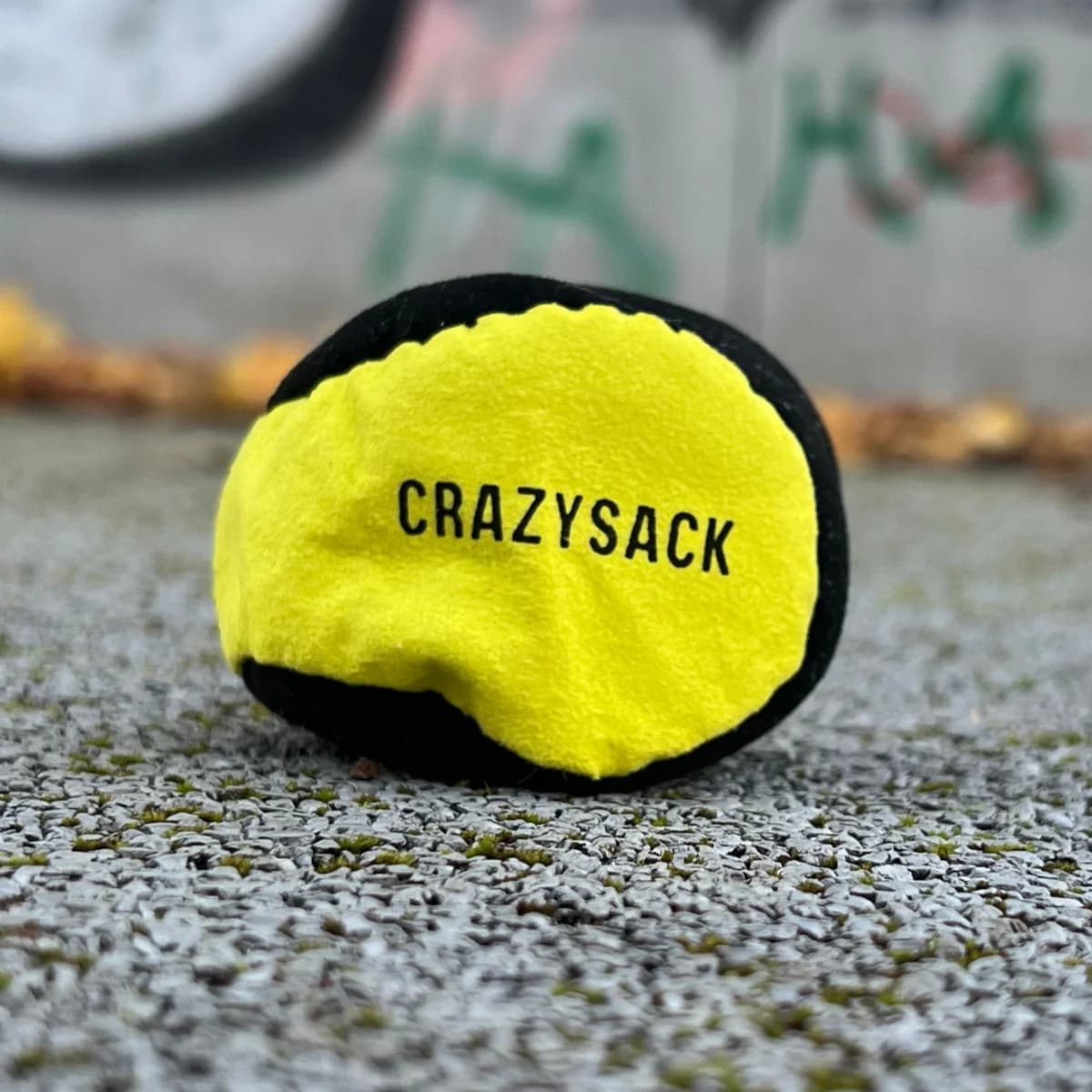
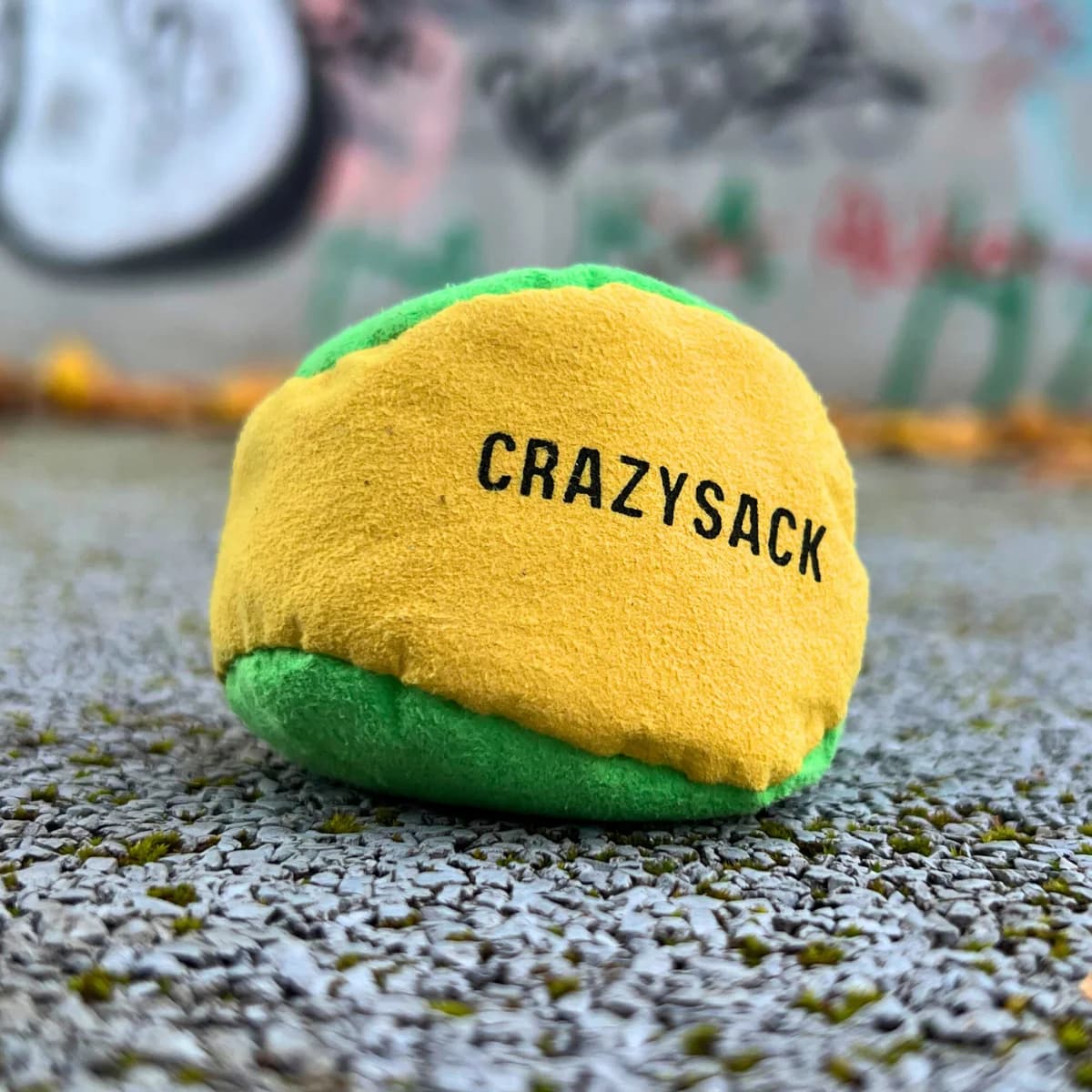
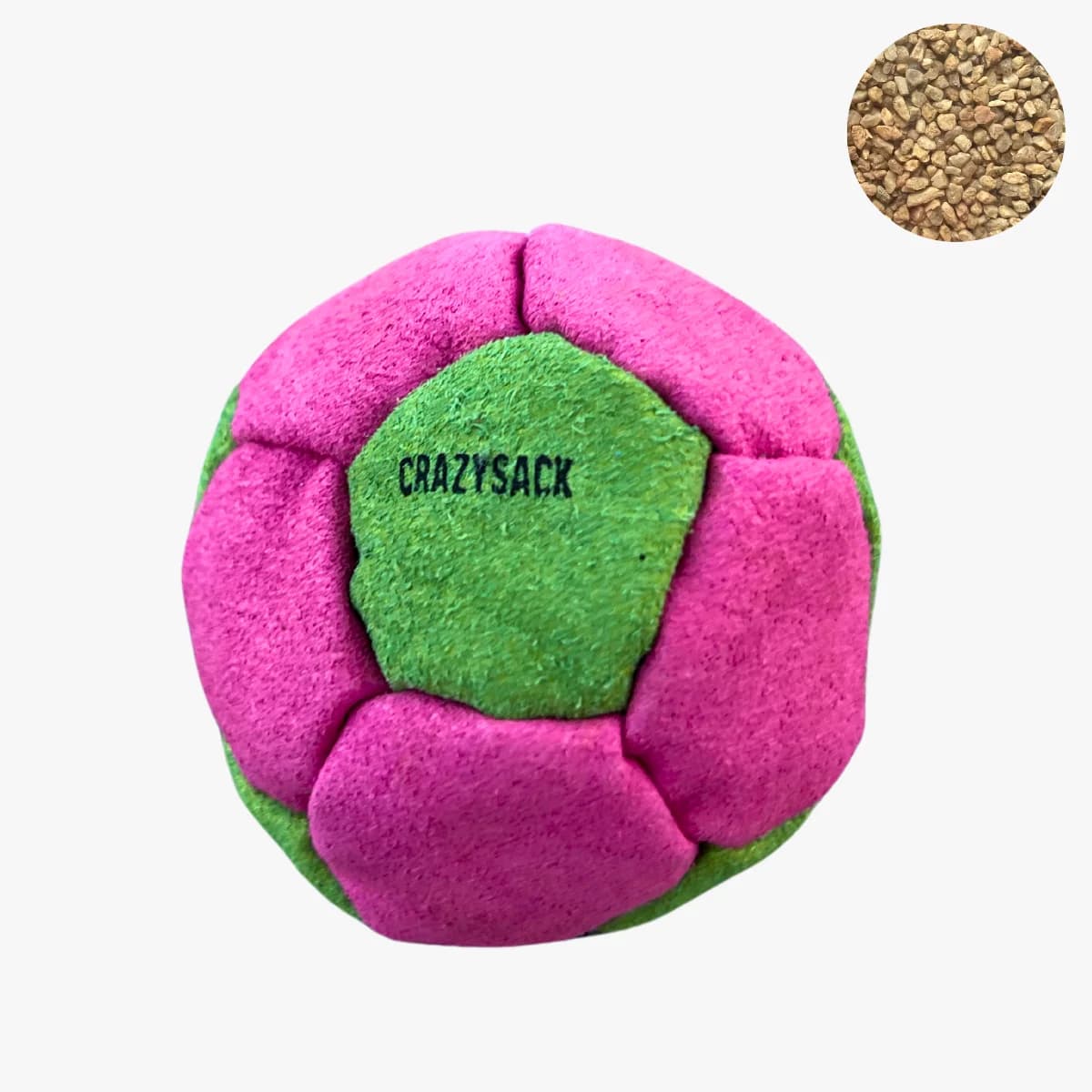
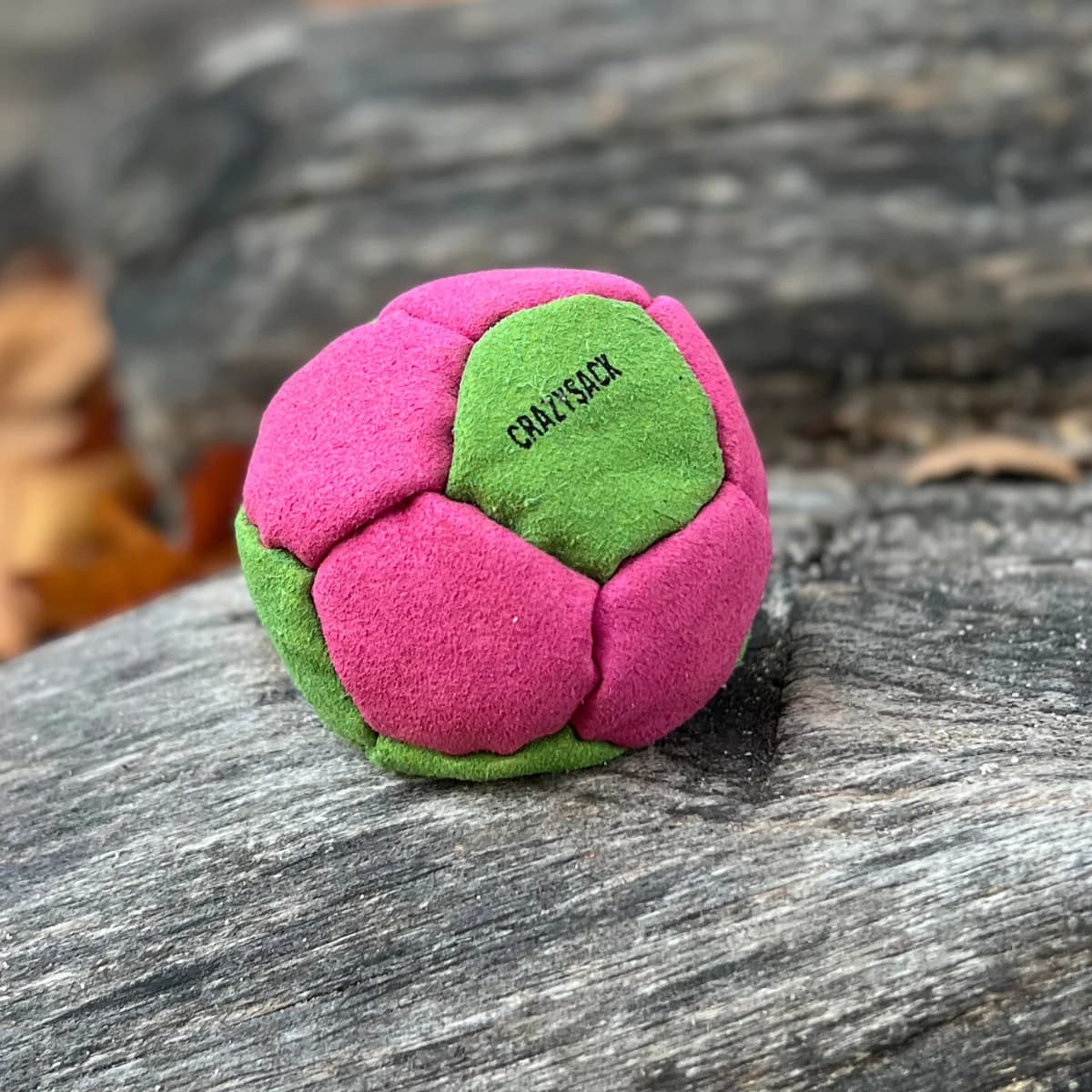
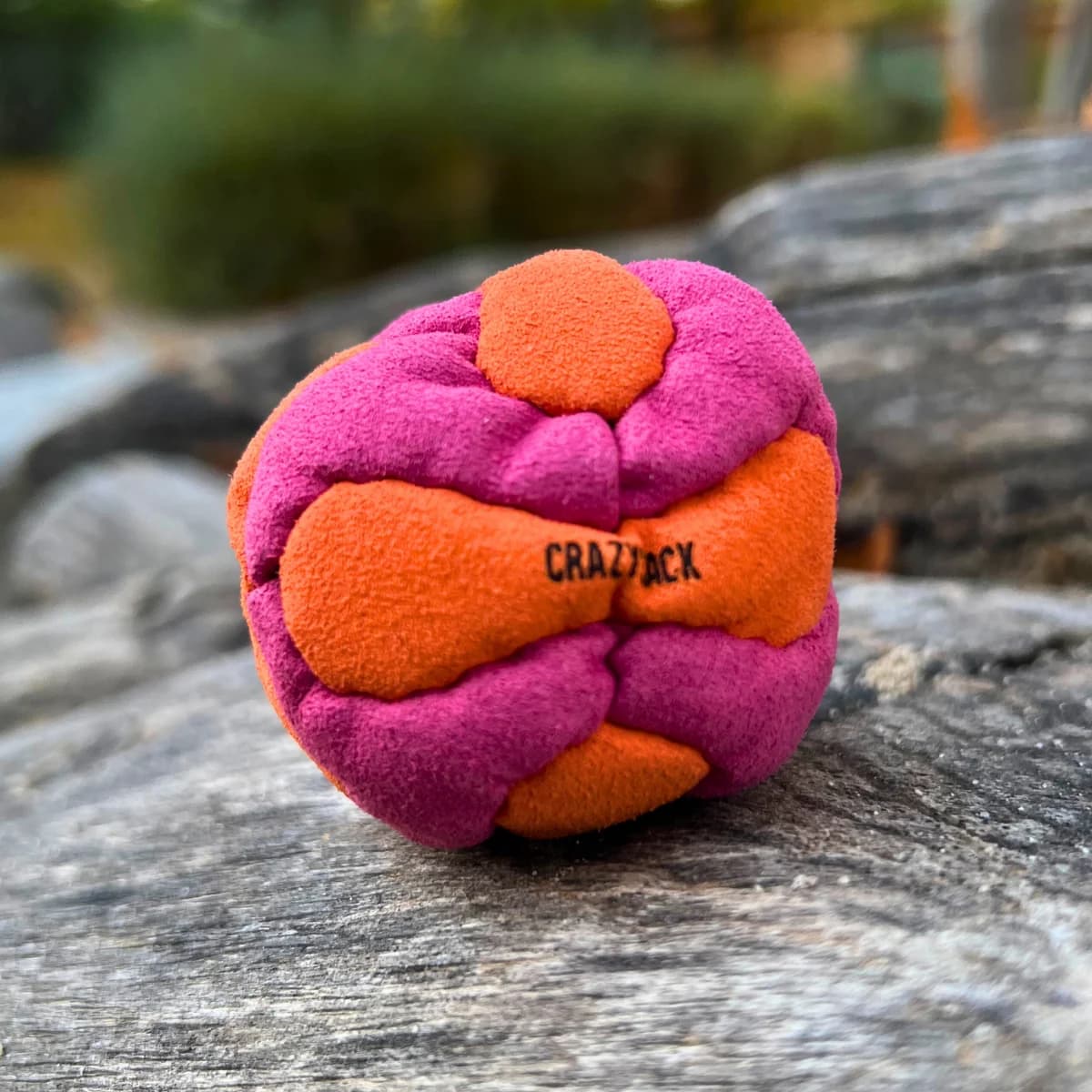
Hand-stitched in Germany, ready to ship.



You might also like
Why Footbags Are Perfect for Travel and Camping
Light, compact, and endlessly useful — why a footbag belongs in every travel pack and campsite kit.
2 min read
How Hacky Sacks Improve Balance and Agility
Train proprioception, coordination, and fine motor control with a footbag — practical tips to build balance and skill through play.
2 min read
How Hacky Sacks Make Your Evening Wind-Down Calmer
Turn after-work stress into light play: how a footbag helps you switch off, move gently, and reclaim your evenings.
3 min read