
An underrated rehab tool
What is a hacky sack?
A hacky sack (footbag) is a small cloth bag filled with plastic pellets or beans. Beyond leisure, therapists use it for coordination, fine motor work, balance, and light endurance. It is compact, affordable, low-risk, and works solo or in pairs. Always clear new exercises with your physio or doctor — this article is general education, not a treatment plan.
Physiotherapy upsides
Fine and gross motor practice
Simple tasks rebuild control:
- Beginner: balance the bag on the foot, lift slowly
- Intermediate: controlled keep-ups
- Advanced: accurate passes between partners
Leg motor skills improve alongside focus and reaction — often limited after injury or neuro events.
Balance and body control
After stroke or orthopedic surgery, balance is frequently shaky. Keep-ups challenge the vestibular system and posture:
- Stronger postural control
- Deep stabilizer activation
- Better body awareness for fall prevention
Regular, graded play can support steadier everyday standing.
Neuro rehab: coordination and cognition
Eye–foot (and hand–eye) links
MS, Parkinson’s, or stroke can disrupt sensorimotor timing. Precise bag work couples sensory input to motor output. Sample drills:
- Alternating left/right keep-ups
- Kick into a marked target zone
- Partner feedback on technique
Varied input may support neuroplastic practice — intensity should match capacity.
Cognitive load through play
Sequences, dual tasks (light mental math while kicking), or rhythm cues stretch attention and problem-solving while breaking up monotone rehab days.
Psychology: motivation and mood
Play raises adherence
Sessions feel less like “work.” Clinicians often see longer engagement, more home practice, and clearer progress perception — especially with kids who treat the bag as a toy, not therapy equipment.
Small wins matter
First solid keep-up, longer strings, group laughs — confidence and grit for a hard recovery path. Positive emotion can ease low mood after long illness.
Where it shows up
Orthopedic rehab
After knee, hip, or back procedures, gentle graded tasks can target joint stability, sensorimotor feedback, and strength without heavy impact — including some geriatric settings when supervised.
Neuro rehab
Parkinson’s movement quality, stroke-related paresis work, MS coordination — often stronger with music or group elements for engagement.
Pediatric rehab
Color targets, keep-up games, parcours — useful after injury or for developmental motor challenges such as ADHD-related motor issues or dyspraxia, when the care team agrees.
Closing
A soft bag won’t replace clinical care, but it can add playful, scalable practice for body, brain, and mood. Cheap enough for clinics and home programs. If your therapist green-lights footbag work, pick a forgiving beginner model in our shop and progress slowly.
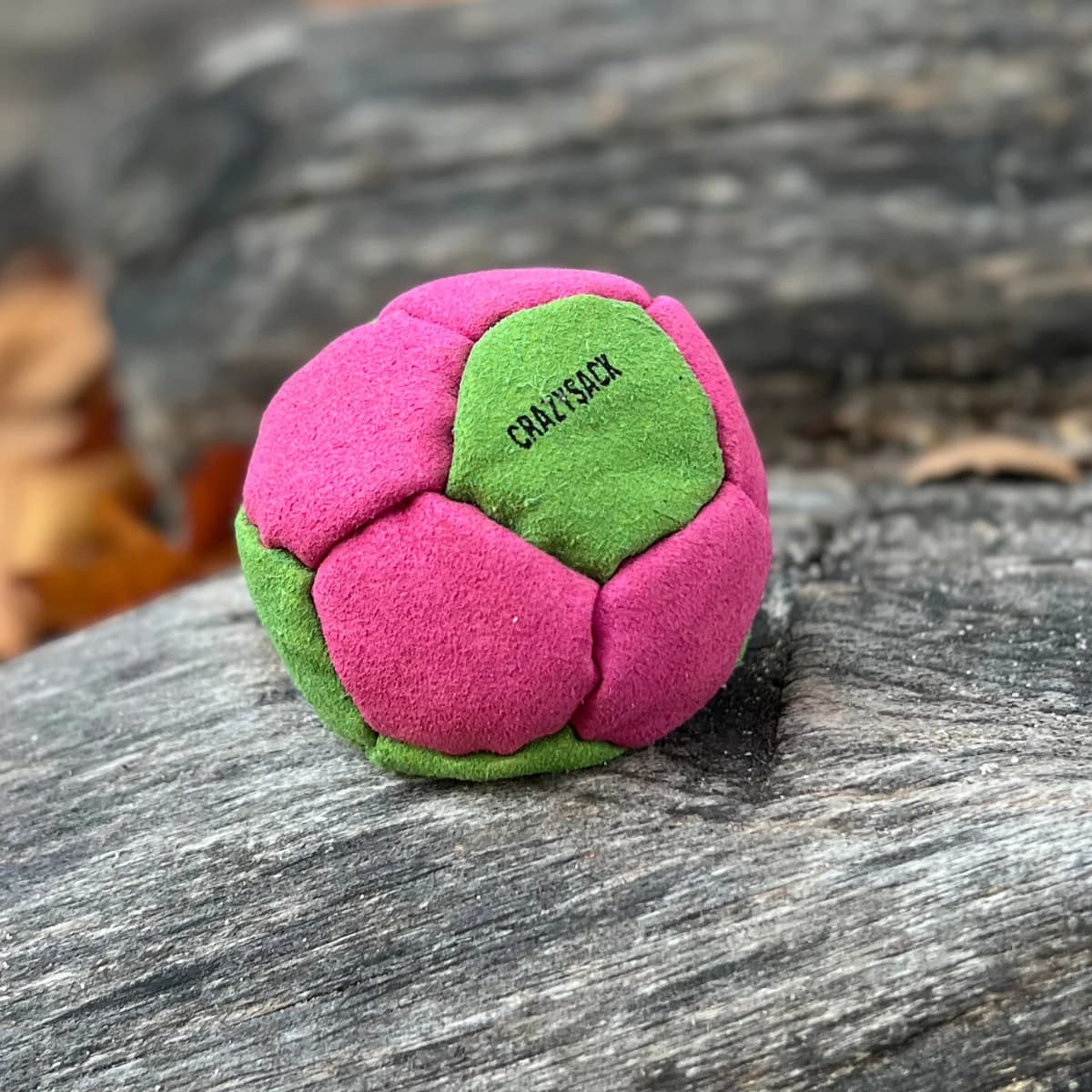
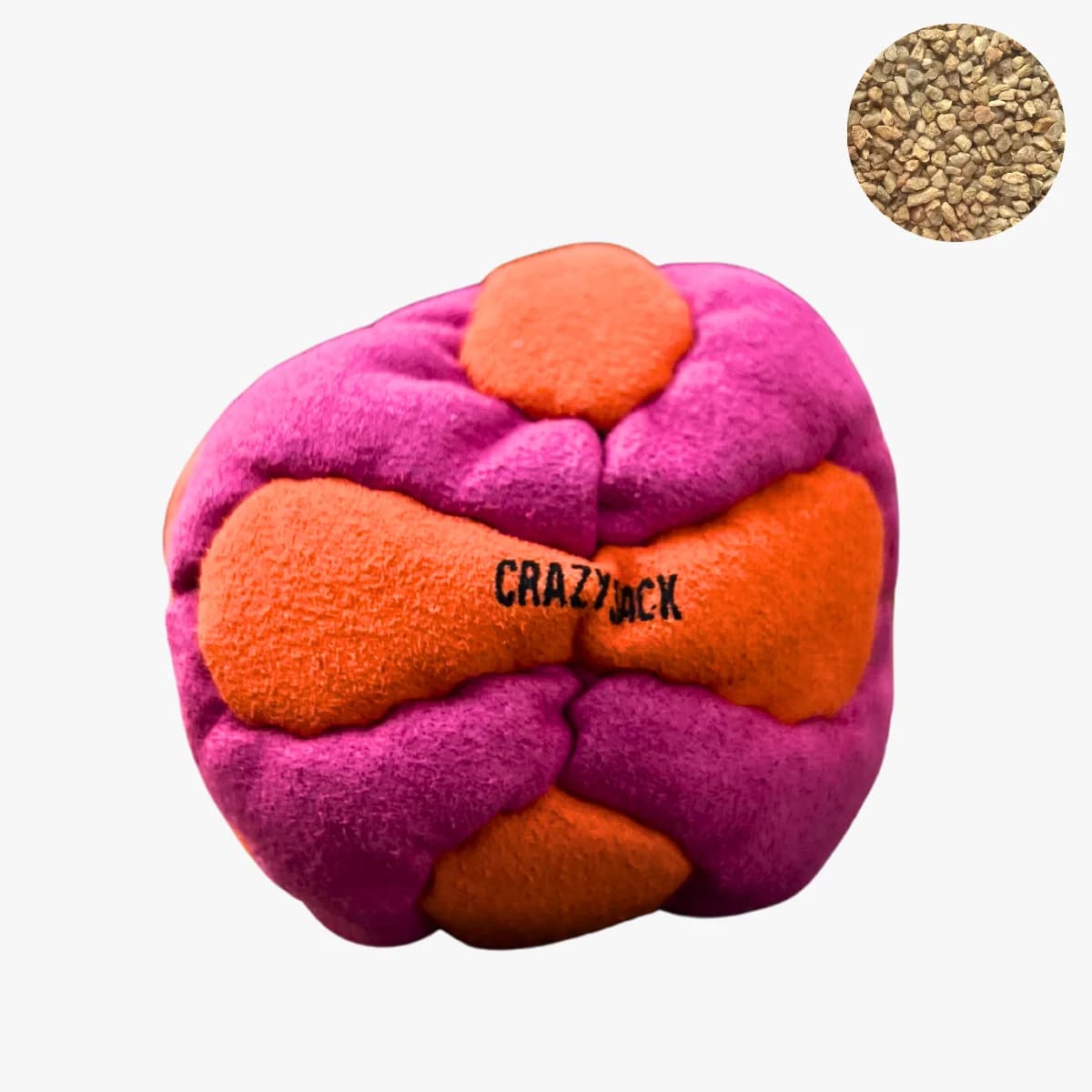
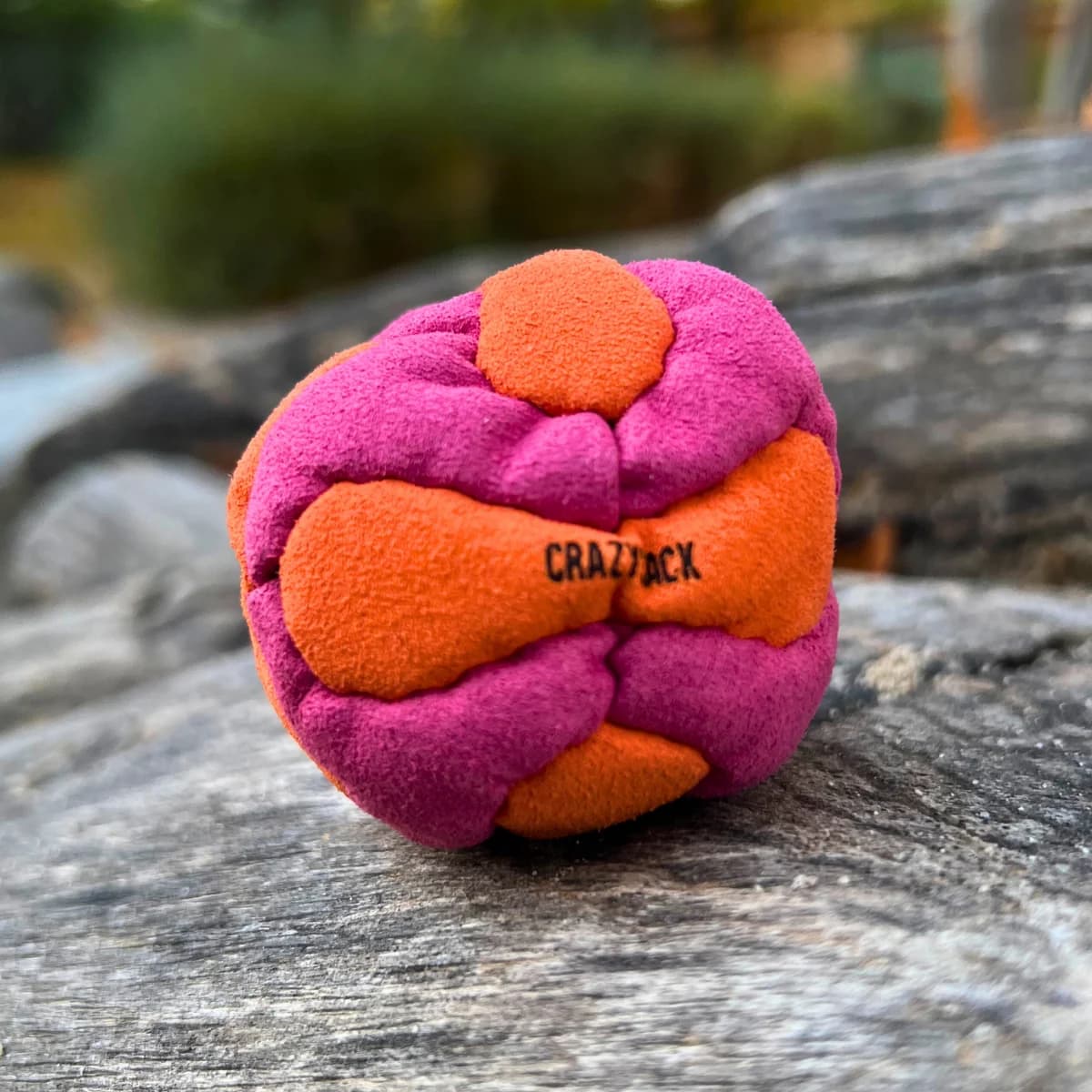
Matching footbags from our shop
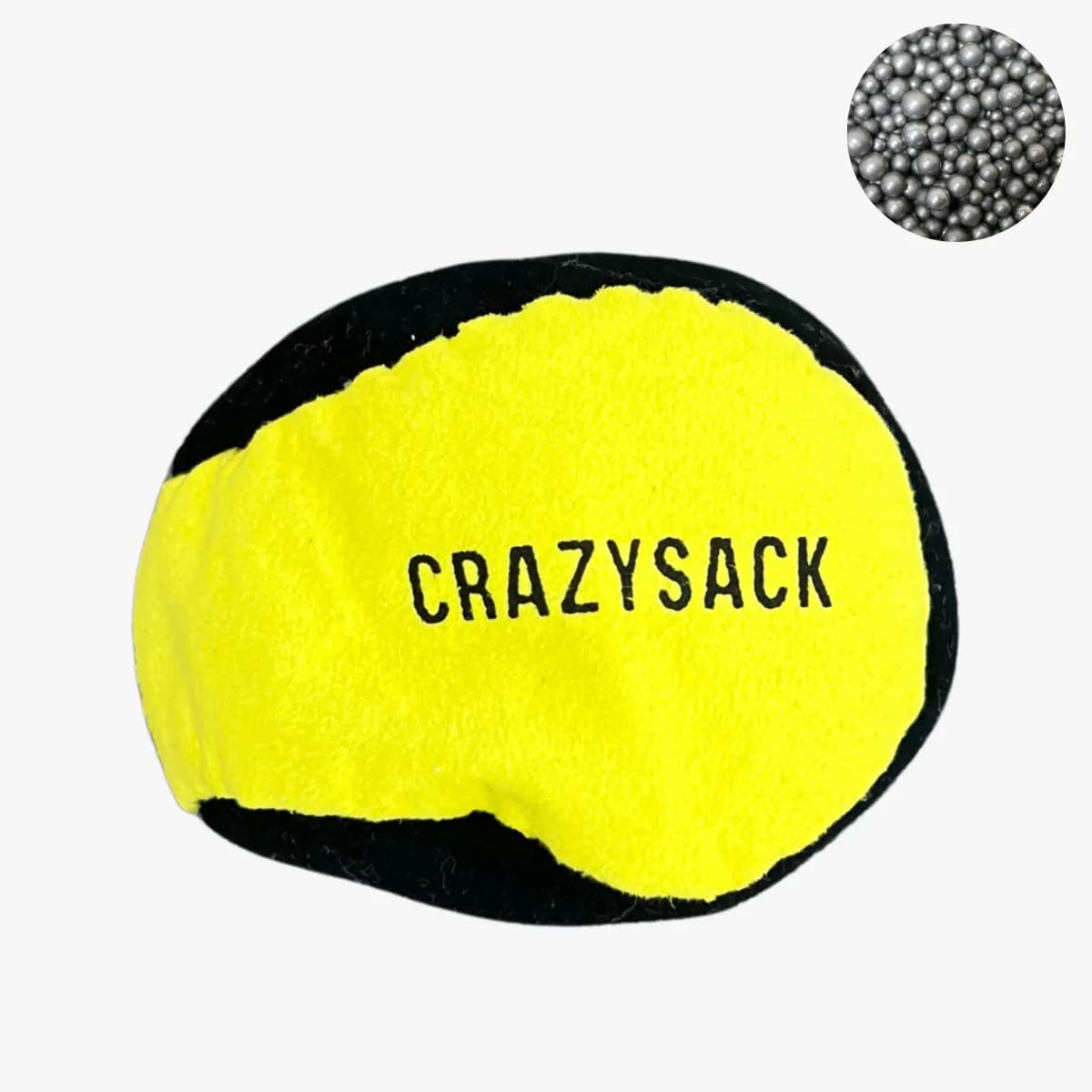
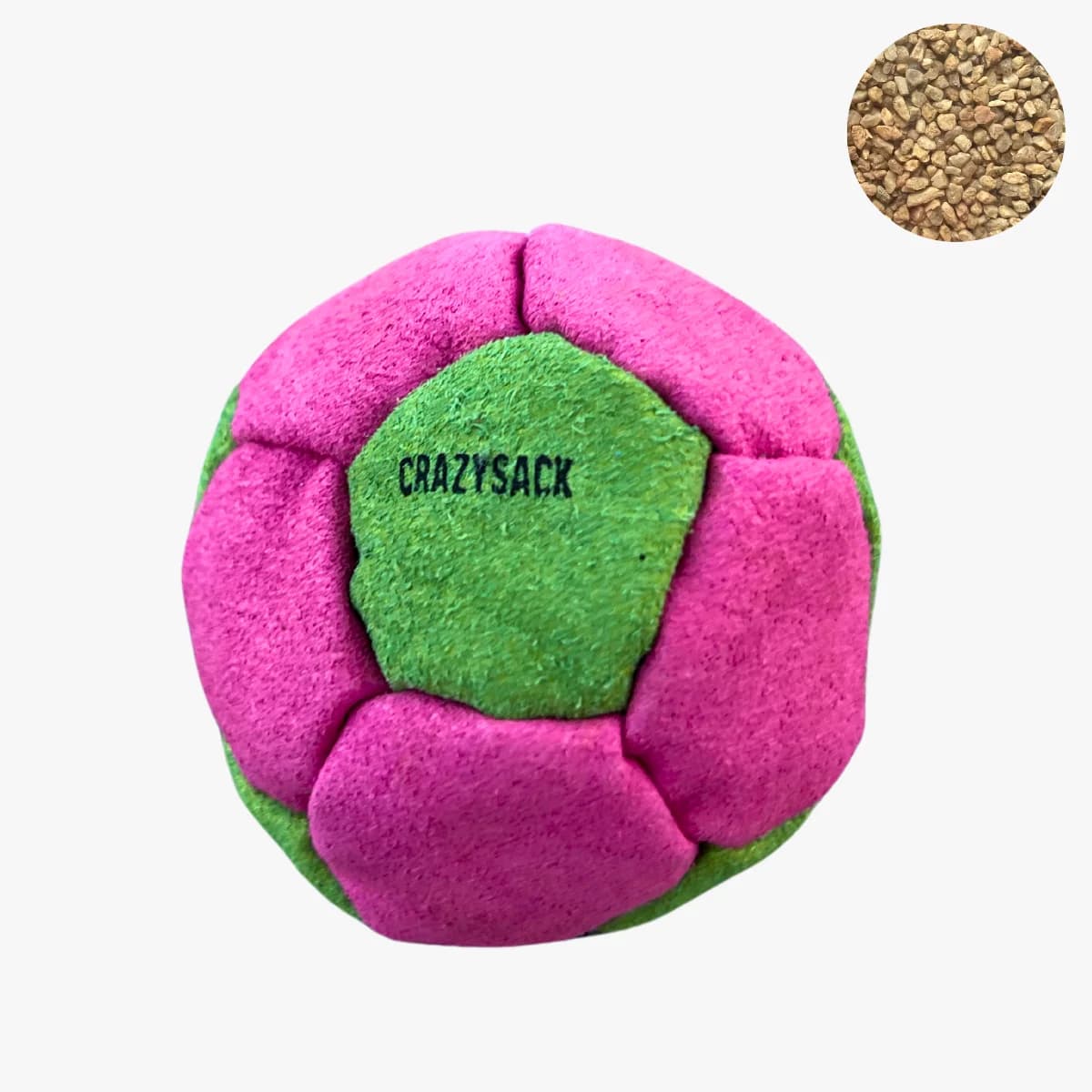
Hand-stitched in Germany, ready to ship.

You might also like
How Hacky Sacks Help You Make New Friends
The hacky circle as a natural icebreaker — how a pocket footbag starts conversations in parks, campuses, festivals, and travel.
2 min read
How Hacky Sacks Can Improve Your Posture
Strengthen core stability and upright stance through playful footbag drills — a low-gear alternative to dull back routines.
2 min read
How Hacky Sacks Help You Focus Better
Train attention with playful movement — how footbag drills sharpen focus, working memory, and mental reset between tasks.
2 min read