
Looking for the right footbag, you will meet a lot of options fast. Panel count, fill, shell material, weight — each detail changes how the bag sits on your foot and how forgiving it feels. This guide helps you match those choices to your level and style so practice feels fair, not random.
1. What to weigh up before you buy
When you buy a footbag, start with four levers:
- Number of panels
- Type of fill
- Shell material
- Weight and size
Together they decide shape, control, and how quickly you can trust the bag in the air.
2. Panels: how many do you need?
More panels usually mean a rounder bag and finer control. Fewer panels are simpler and more stable for learning.
8-panel footbags
A solid beginner shape: predictable, easy to track, great for locking in basics before freestyle complexity.
32-panel footbags
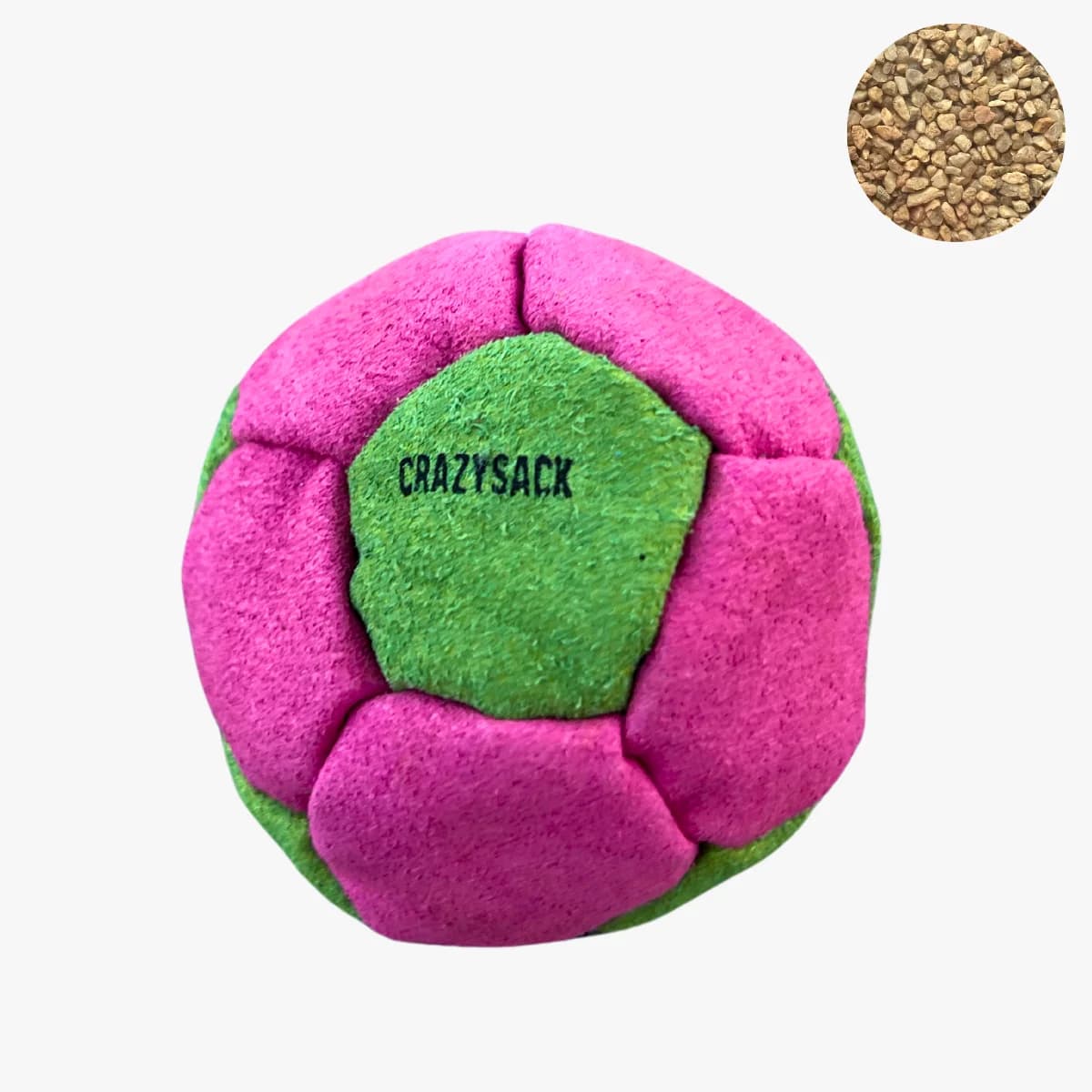
A favourite among advancing players and freestylers. The rounder form helps with stalls, delays, and cleaner trick lines.
42 panels and up
Built for players who want maximum roundness and precision — complex tricks and competition routines.
Browse by panel count in our shop if you already know which range you want.
3. Fill: what fits your style?
Sand fill
Excellent control and a bag that settles on the foot — ideal for freestyle stalls and precise work.
Plastic pellets / granules
Consistent shape and durable fill that does not crush as easily as sand. Strong for longer training sessions and dynamic play.
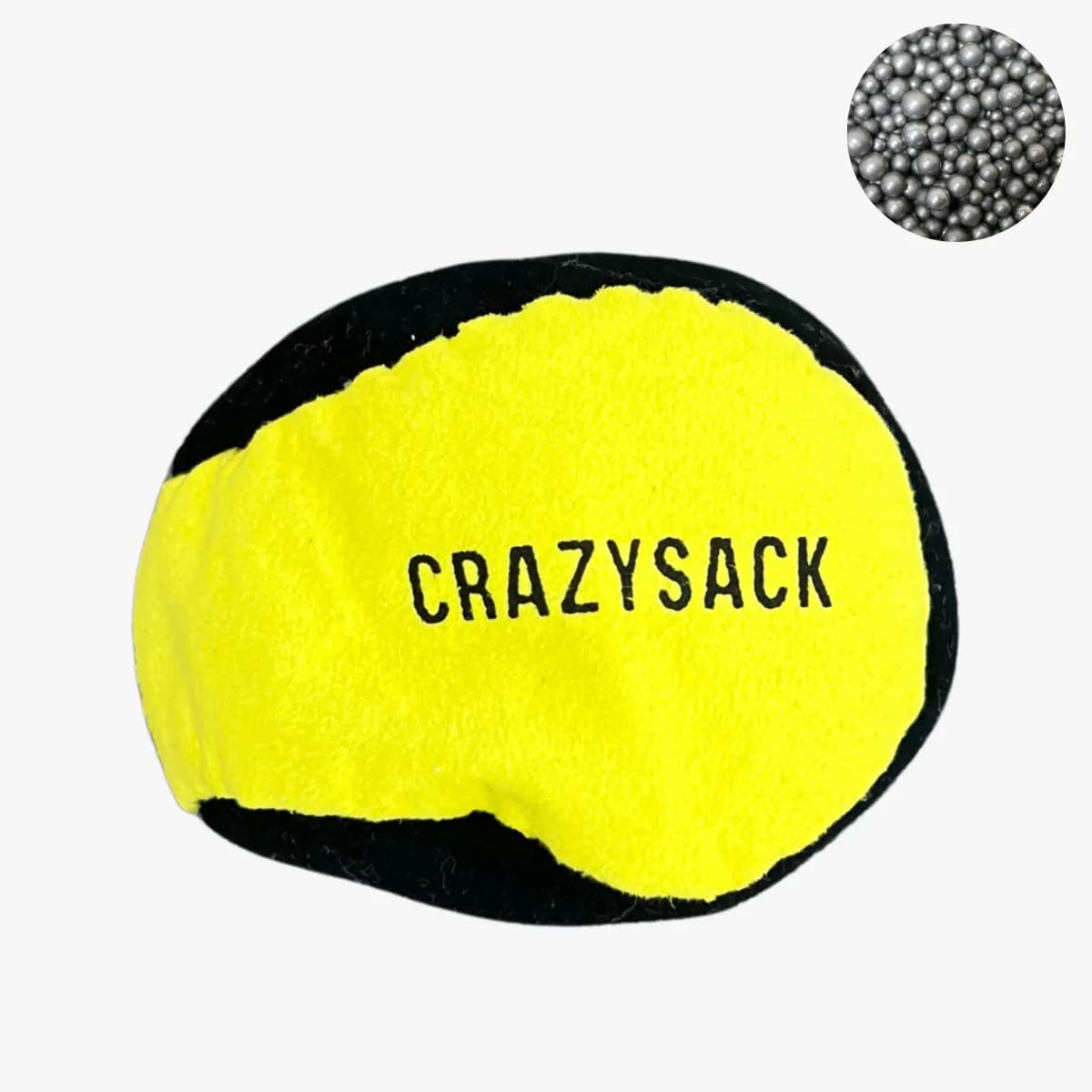
Metal beads
Heavier, with a lively rebound. Popular where weight and stability help (including net-style games). Less forgiving for absolute beginners.
4. Shell materials: what lasts?
Faux leather / synthetic leather
Durable and affordable — common on entry bags. Good balance of flex and wear.
Ultrasuede (and similar)
Soft hand-feel and strong control; a freestyle favourite on higher-end bags.
Cotton / crocheted shells
Light and friendly for casual circle kicking. Easy to love outdoors with friends; not the first pick for aggressive freestyle mileage.
5. Weight and size
Lighter bags (~20–40 g) are easier for casual play and early learning. Heavier bags (~50–70 g) often feel calmer for freestyle control and competition. Size should match your foot and how precise you need contact to be — bigger is friendlier when you are starting; smaller rewards accuracy later.
6. Finding your bag
Beginner or experienced, the “perfect” footbag is the one that matches panels + fill + material + weight to how you actually kick. Start simple, then step up panel count and fill once your stalls and inside kicks are reliable.
FAQ
How do I match a footbag to my style?
Beginners usually start with an 8-panel (or similarly forgiving) bag. Advancing freestyle players often move to 32 or 42 panels for roundness and control.
What is the difference between fills?
Sand = control and stalls. Plastic pellets = consistent shape and durability. Metal = more weight and stability for intensive or net-oriented play.
Why do more panels cost more?
More panels mean more sewing and a rounder, more precise bag — the build cost and the performance both go up.
Can I freestyle with any bag?
You can try, but bags with ~32+ panels and sand-style fill are purpose-built for freestyle control. Softer beginner bags are better for learning contact first.
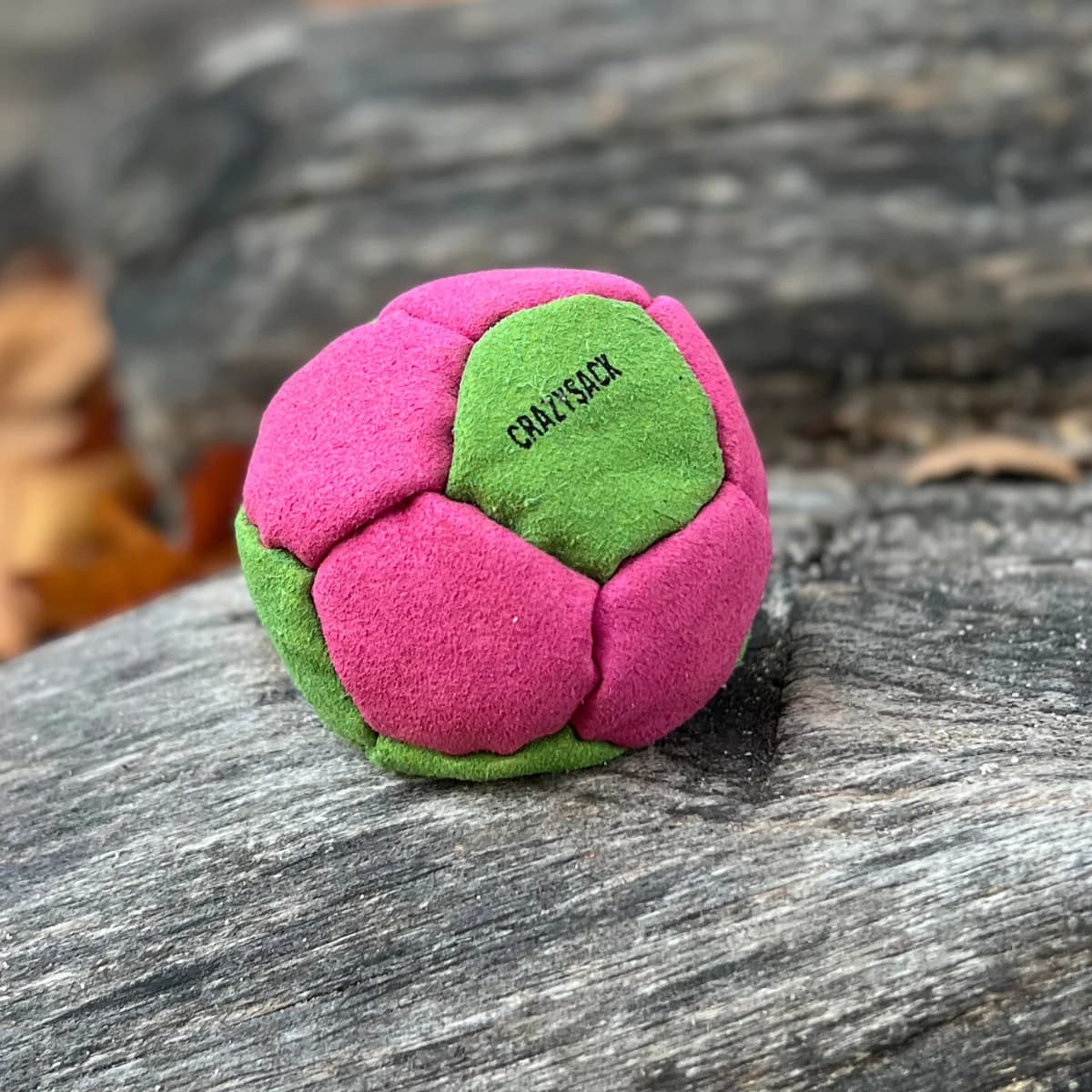
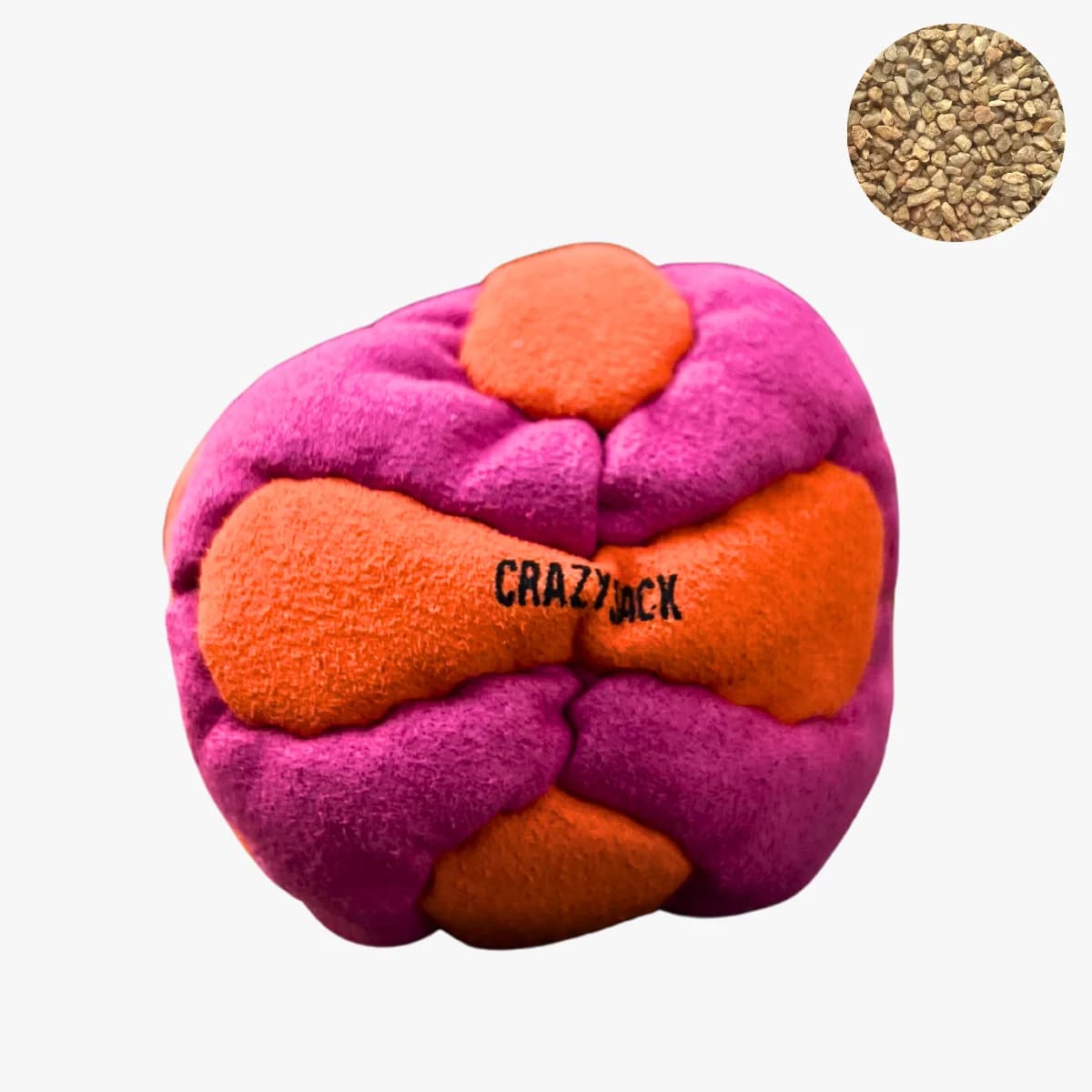
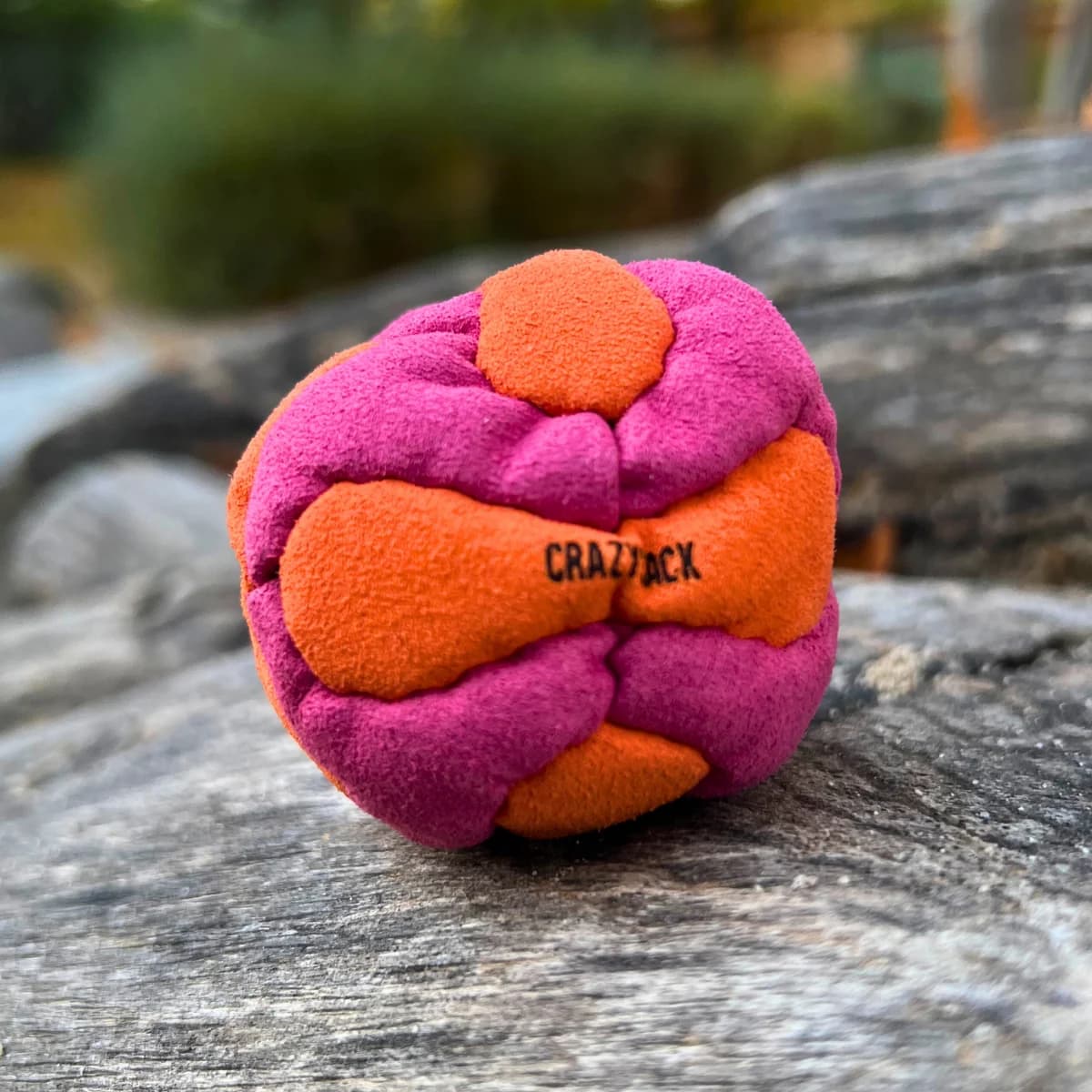
Matching footbags from our shop
Hand-stitched in Germany, ready to ship.

You might also like
How Hacky Sacks Make Your Evening Wind-Down Calmer
Turn after-work stress into light play: how a footbag helps you switch off, move gently, and reclaim your evenings.
3 min read
Why Footbags Make a Genuinely Rewarding Hobby
Fitness, creativity, community, and almost zero gear — why footbags (hacky sacks) enrich daily life for kids, adults, and families alike.
1 min read
Best Techniques to Kick and Catch a Hacky Sack
Inside and outside kicks, toe stalls, thigh catches, Around the World, Sole Pop — footbag throw-and-catch techniques for beginners and beyond.
2 min read