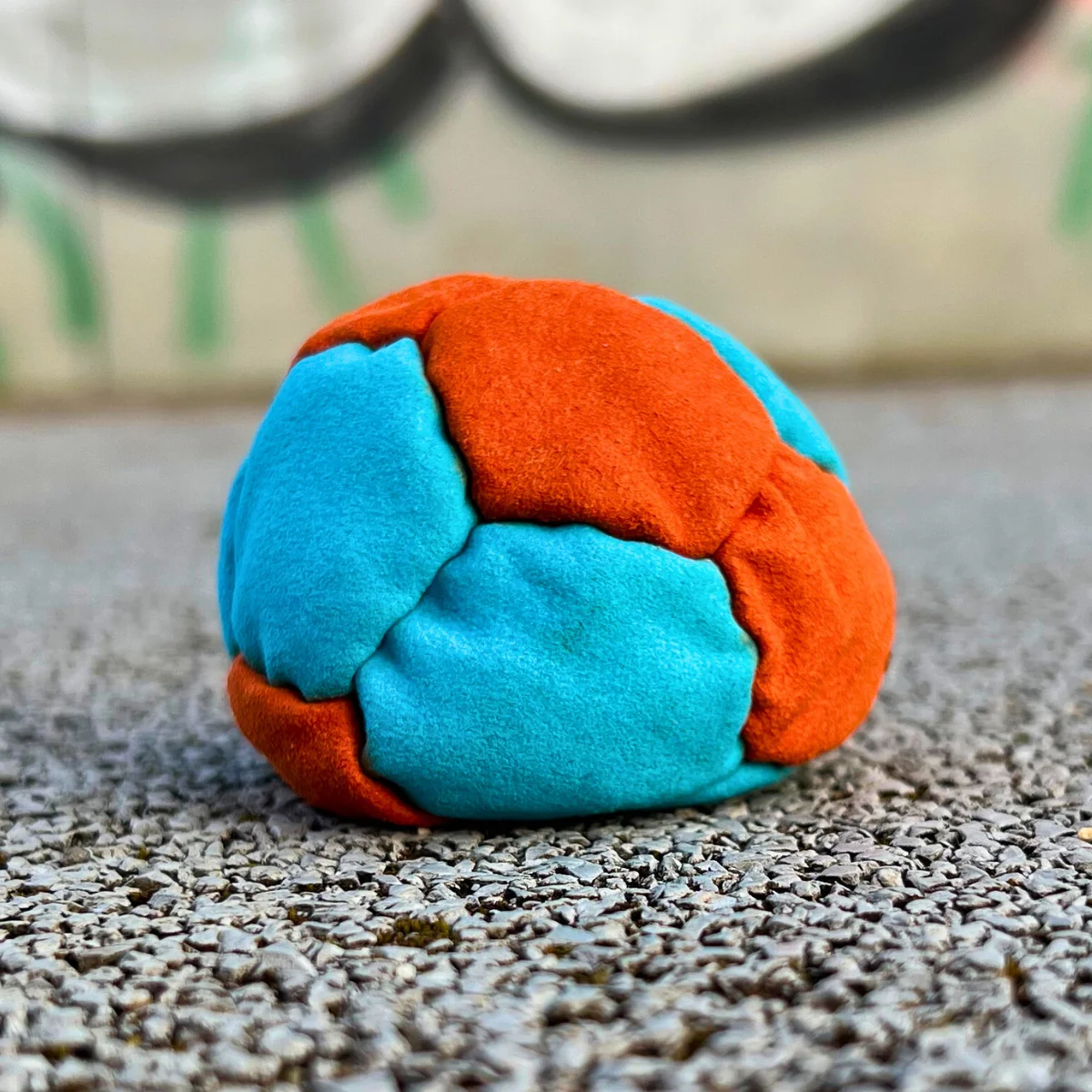
Origins: a trend takes shape
The hacky sack (footbag) took off in 1970s America, drawing inspiration from Asian foot games like Chinese jianzi and Vietnamese đá cầu. John Stalberger and Mike Marshall commercialized an early version under the Hacky Sack brand.
Early bags were hand-sewn cloth shells filled with rice or plastic — usually round, multi-panel, and tuned for a friendly weight and flight path. Simple, but enough to support tricks, circle play, and a culture built on coordination, balance, and sharing the bag.
Materials through the decades
Design always followed material. Soft early fabrics gave way to purpose-built shells for different styles.
Early materials
- Cotton — soft, short-lived outdoors
- Suede — sticky control, poor in wet weather
- Fills — dried beans, rice, or plastic pellets for weight
Modern alternatives
- Synthetic leather — tough, easy care, water-resistant for outdoor play
- Microfiber — precision feel favored by many freestylers
- Specialty fills — metal beads or silicone for balance and longevity
Material choice now maps to freestyle, circle, or net — specialized tools, not one generic toy.
Design variants
Look and layout matter as much as fabric.
Panel count and shape
- 2-panel — crude and imprecise; mostly beginner or novelty
- 4–6 panel — common for circle; stable yet forgiving
- 14–32+ panel — freestyle-oriented: rounder, more even flight
Modern bags chase symmetry and even seams. Colors moved from earth tones to neon, prints, and custom skins. Smooth covers suit slick tricks; grippier textiles buy control. The sack became a piece of sports kit, not just a park prop.
From subculture to structured sport
In the 1980s the bag sat with skate, surf, and hippie scenes — relaxed play matching the lifestyle. By the 1990s, tournaments and leagues demanded standard sizes, weights, and materials. Performance design followed:
- Freestyle — precision and predictable rebound
- Footbag net — durable, lively bags for serve and smash
- Casual play — feel and looks first
Mainstream attention pushed makers toward clear audiences — graphic prints, themed editions, and gear that signals who you are when you kick.
Technology and sustainability
CAD, precision cutting, and even 3D prototyping raised consistency. Sustainability rose with them.
Manufacturing innovations
- Precision textile cutting that cuts waste
- Heat bonding that can reduce seam count
- Online configurators for made-to-order looks
Greener production
- Recycled PET fibers or organic cotton
- Reused foam or scrap fills
- Short local runs instead of distant mass production
Transparent supply chains and fair labor are part of the pitch now. A modern bag can be performance gear and a small statement about how it was made.
Curious about today’s builds? Explore current models in our shop.
Closing: a classic that keeps changing
Hacky sack history is design meeting culture meeting tech — from rice-filled cloth to high-spec freestyle tools. Leisure toy, subculture badge, competition equipment: same object, many faces.
When you pick one up, you hold decades of player feedback and maker craft. Simple object, long story — still rewriting itself with every new panel layout and fill.
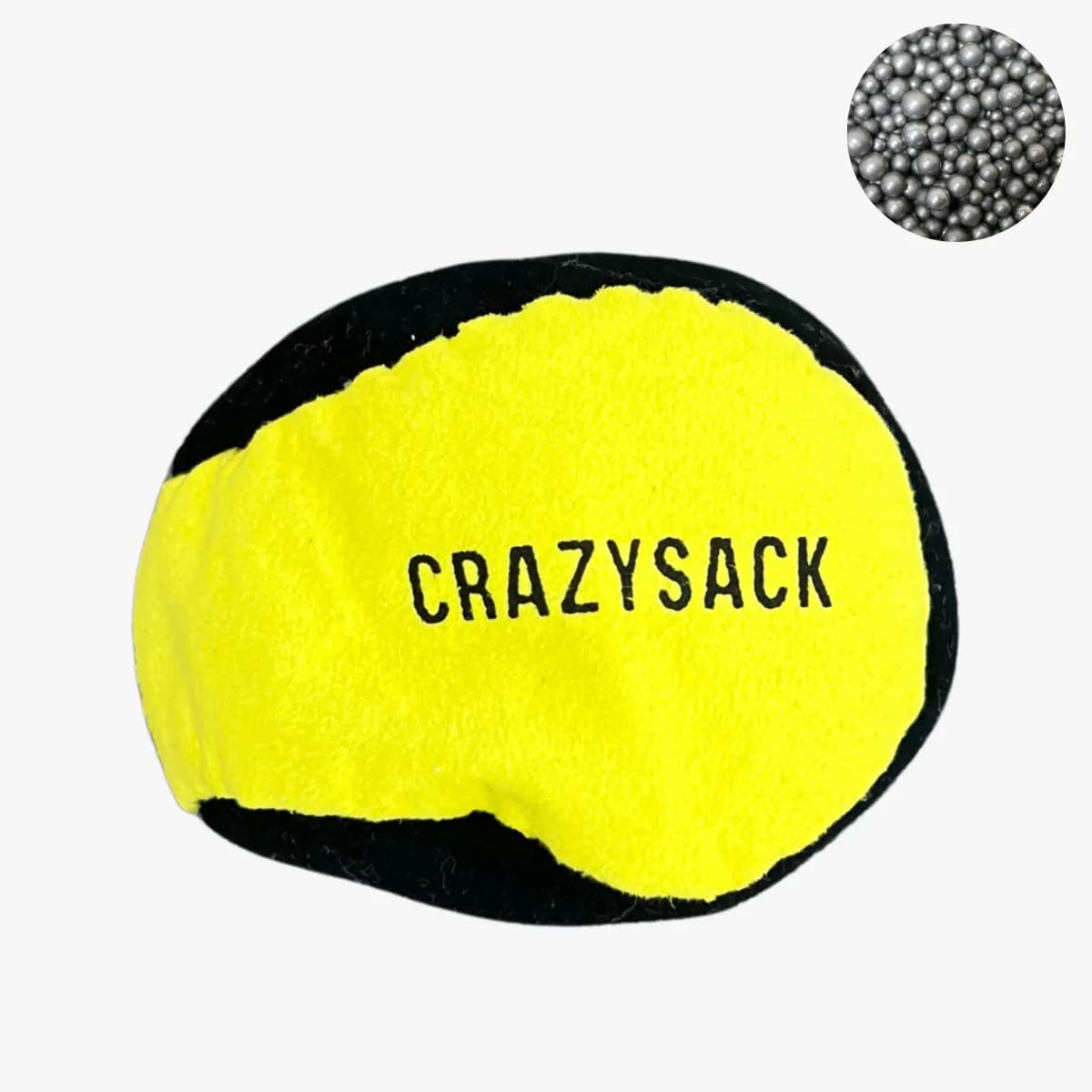
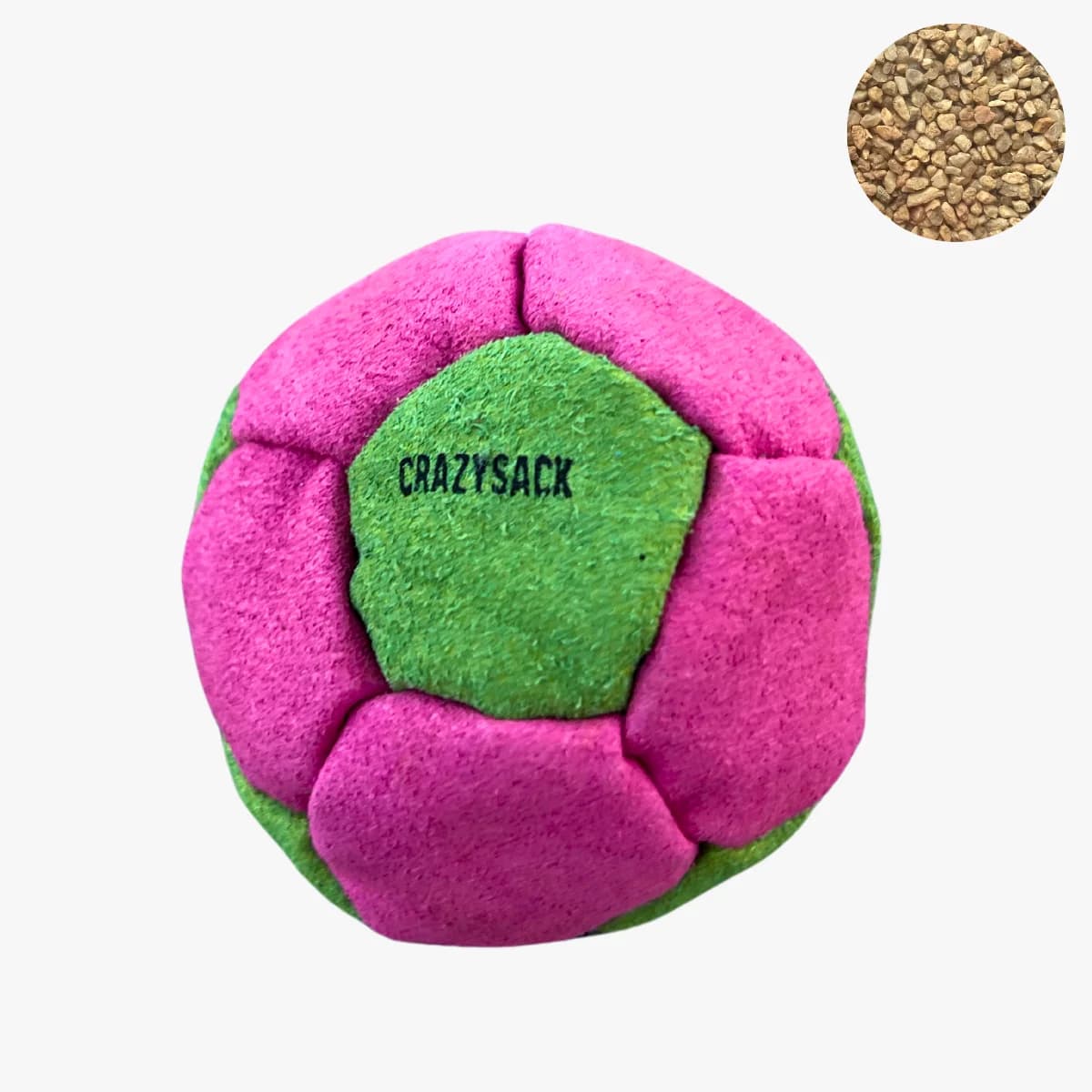
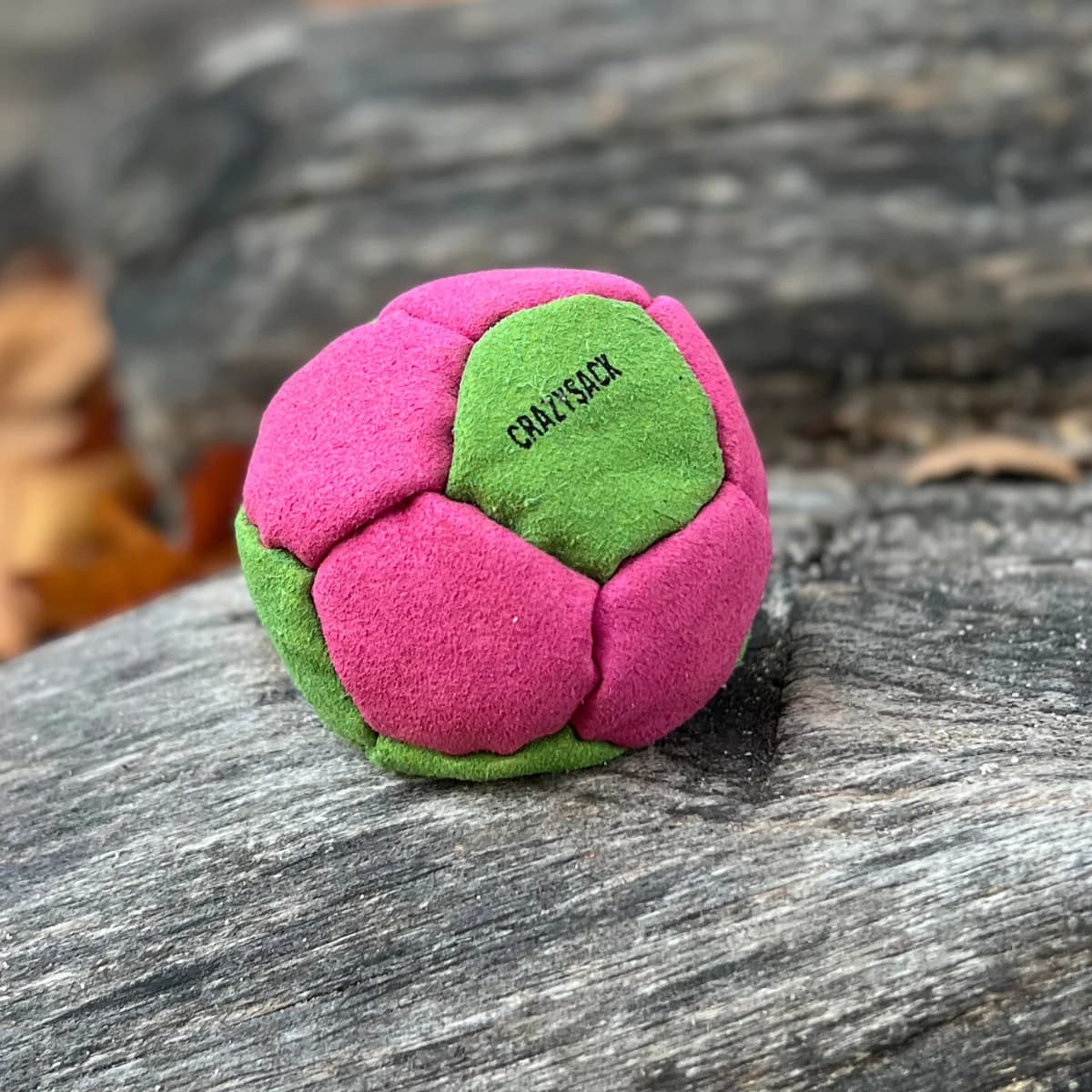
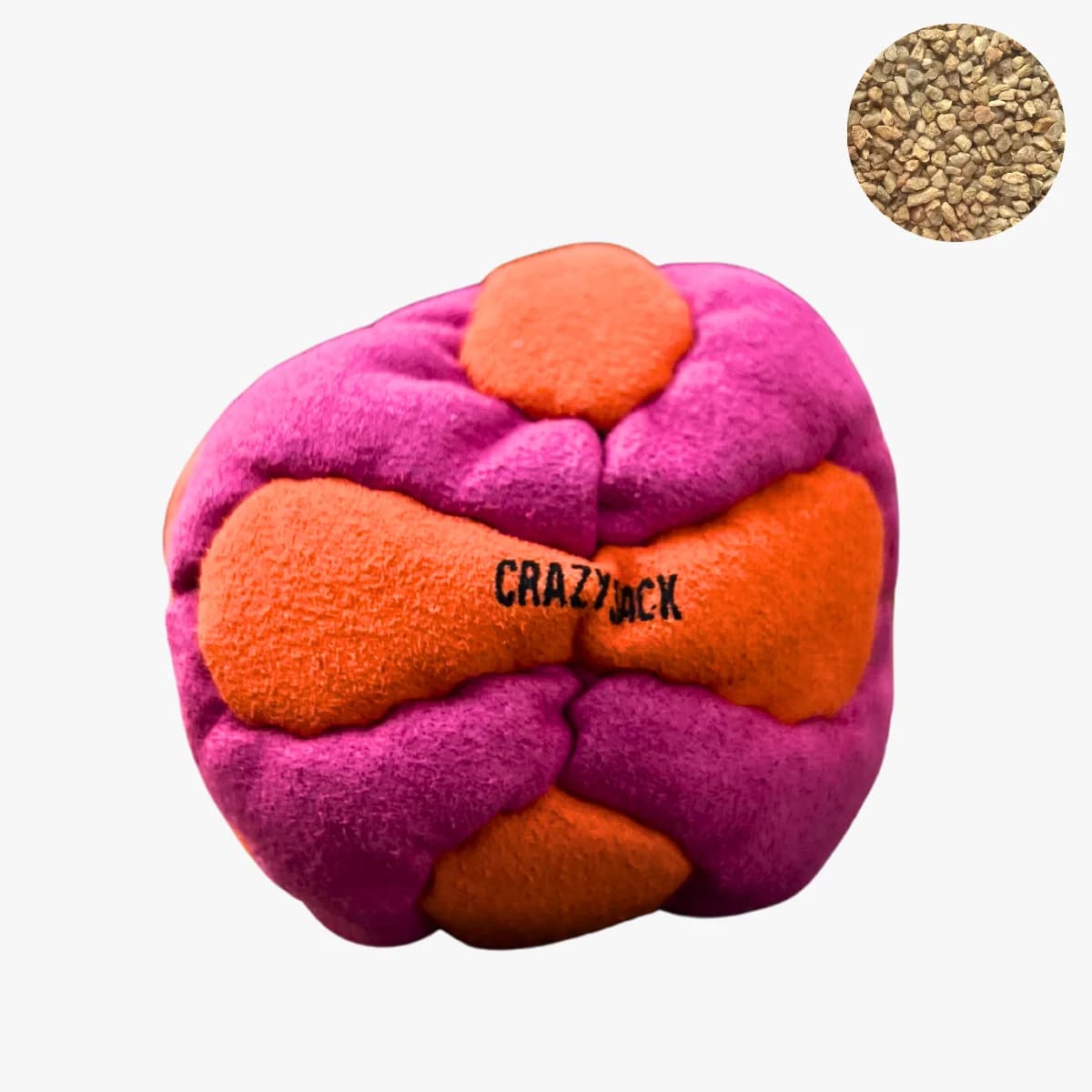
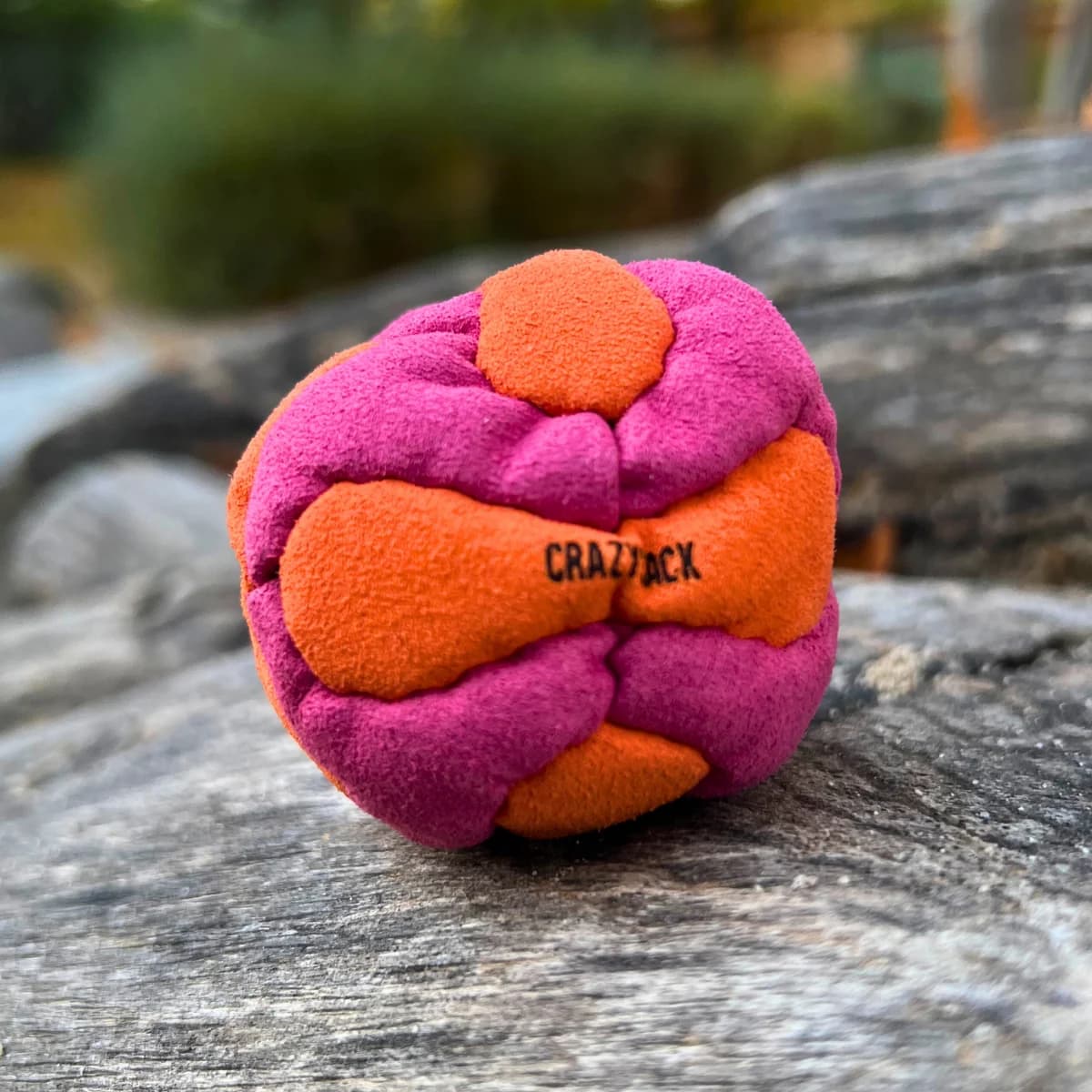
Matching footbags from our shop
Hand-stitched in Germany, ready to ship.

You might also like
Why Everyone Should Keep a Hacky Sack in Their Pocket
A pocket-sized tool for fitness, stress relief, and spontaneous play — why a footbag earns permanent bag space.
2 min read
The Evolution of Footbags: Trends, Designs & Innovations
From rehab leather bags to sensor-ready freestyle tools — materials, design eras, DIY culture, and where footbag is headed next.
3 min read
Footbag as a Fitness Tool: Burn Calories, Have Fun
Calorie burn estimates, muscles worked, cardio benefits, and a gentle on-ramp — footbag training for every level.
2 min read