
The evolution of footbags
Origins of the sport
Footbag (hacky sack) grew out of early-1970s America. John Stalberger and Mike Marshall helped popularize a joint-friendly training idea: keep a small bag aloft with the feet. Youth culture and casual athletes picked it up fast.
Early bags used leather or faux leather with plastic pellet fill — fairly heavy, not perfectly round, but portable and endlessly usable. Through the 1980s, communities in North America and Europe grew. Associations and formats like freestyle and footbag net professionalized the game and pushed materials forward.
Materials: leather to high-tech
Shell and fill decide weight, flight, grip, and lifespan.
Early models
- Leather or synthetic leather covers
- Plastic pellets or rice fill
- Limited durability and shape retention
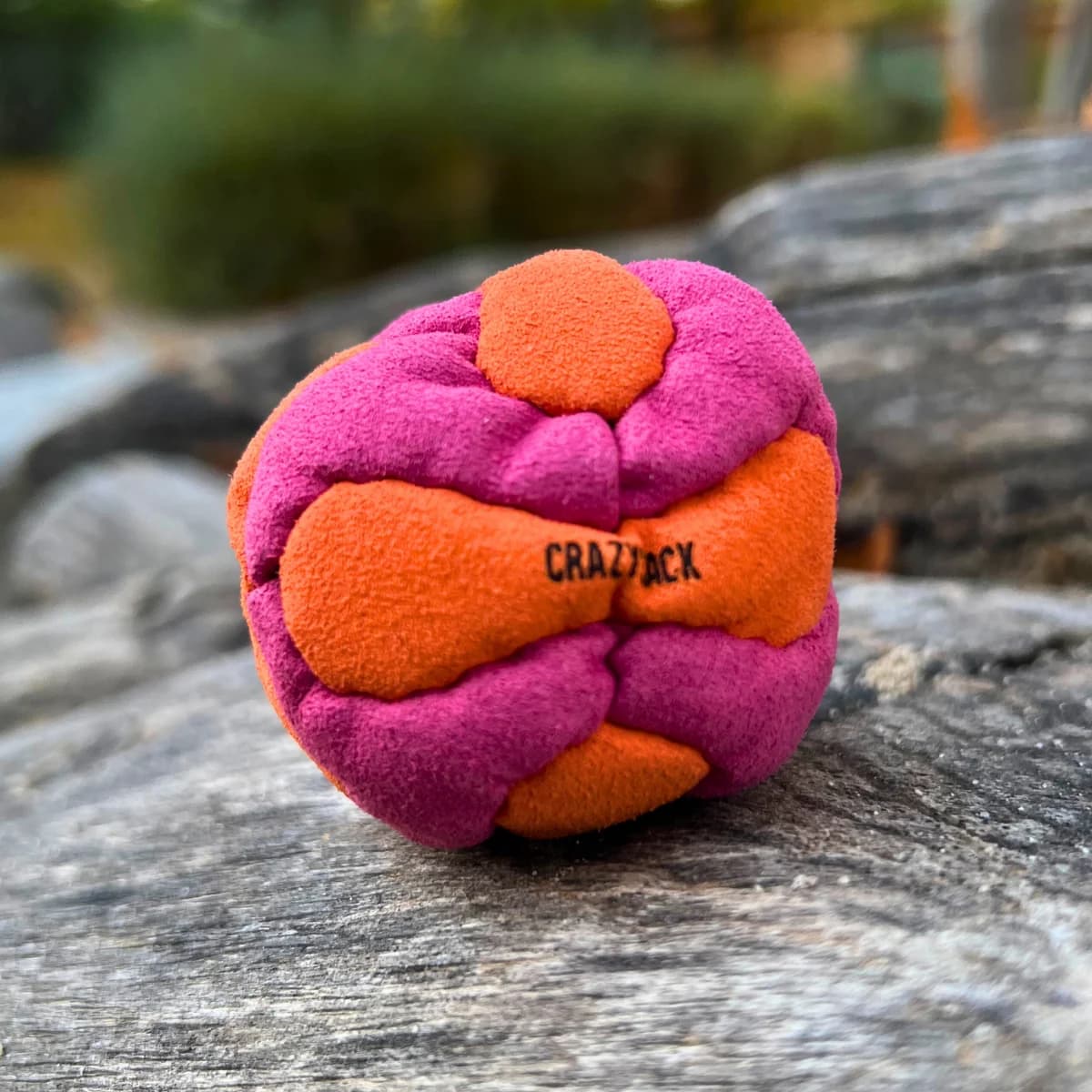
Modern bags often use synthetic suedes (Clarino, Amaretta, and similar) for flex and toughness. Fills shifted toward metal beads, plastic pellets, or blends tuned for kick feel. Freestylers want soft, even surfaces; net players want durable grip for serves and smashes. Specialty bags now match the discipline.
Design eras
Plain single-color bags gave way to a design boom. The 1990s and early 2000s loved loud patterns, bold color blocks, and custom embroidery. Many players sewed their own — a DIY current that never fully left the scene.
Current trends
- Minimal patterns that put function first
- Ergonomic panel layouts (often 32+ panels)
- High-contrast colors for tracking tricks
Computer-aided sewing raised seam precision and weight balance — brands like Dragonfly and Mr. Sandbag set high bars for both play and look.
Ergonomics and performance
As competition matured, bags were tuned to how feet actually move:
- More panels → rounder shape → cleaner foot feel
- Material mixes that balance grip and softness
- Fill density matched to style and level
Some makers tried asymmetric aero experiments; most stayed niche. Sustainability gained ground — recycled shells and biodegradable pellet trials point to the next decade of product R&D.
Digital influence
Tech touches prototyping and play:
- 3D-printed forms for rapid samples
- Online configurators for custom looks
- Sensor bags that log flight path, impact angle, and kick force — still early, like smart footballs
VR/AR training demos let beginners learn basics and advanced players rehearse dense strings in virtual space — useful for coaching pipelines.
Community and DIY
Players — from park amateurs to world champions — co-author the product. Home-sewn bags chase cost, performance, or pure craft. Forums and tutorials keep that culture alive.
Community patterns
- Custom color and material combos
- Open feedback loops that improve designs
- Local swaps and DIY contests
Instagram, TikTok, and YouTube spread tricks and modded bags; big makers increasingly listen.
What’s next
Potential is far from spent. Likely threads:
- Smarter bags with onboard sensing
- Eco lines from recycled textiles
- Fit and comfort tuning for wider player groups
Schools, rehab, and workplace wellness programs are natural homes for a low-kit coordination sport. Growth in Asia, Africa, and South America, plus online challenges, keeps demand and creativity rising.
Browse modern panel builds and fills in our shop.
Closing: a small bag with a long arc
Footbag shows how a simple idea can scale globally when design, craft, and community push together — from soft leather pouches to sensor-ready tools. Makers no longer invent alone; players test, remix, and demand the next step.
Stay with the bag — in the literal sense — and the story keeps writing itself.
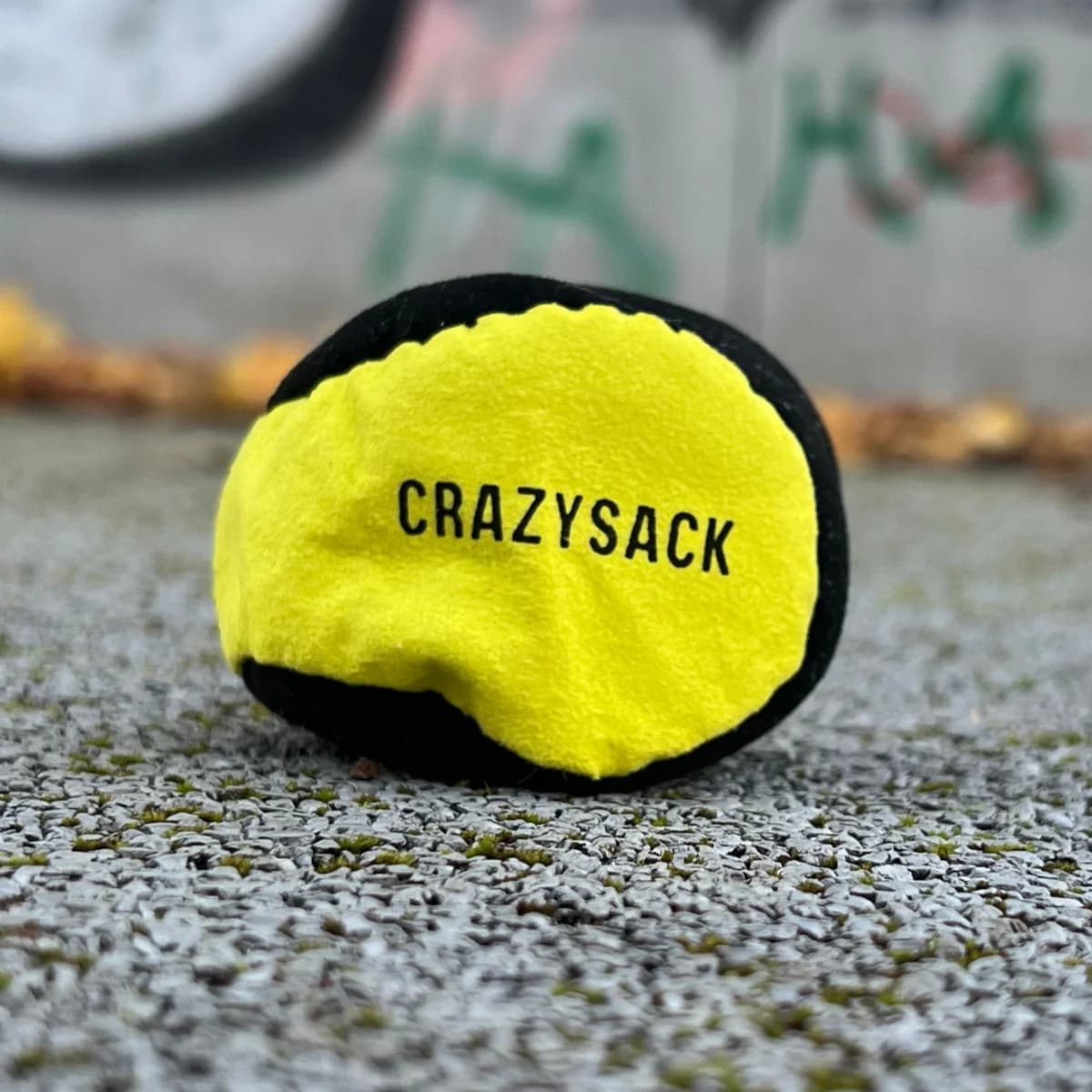
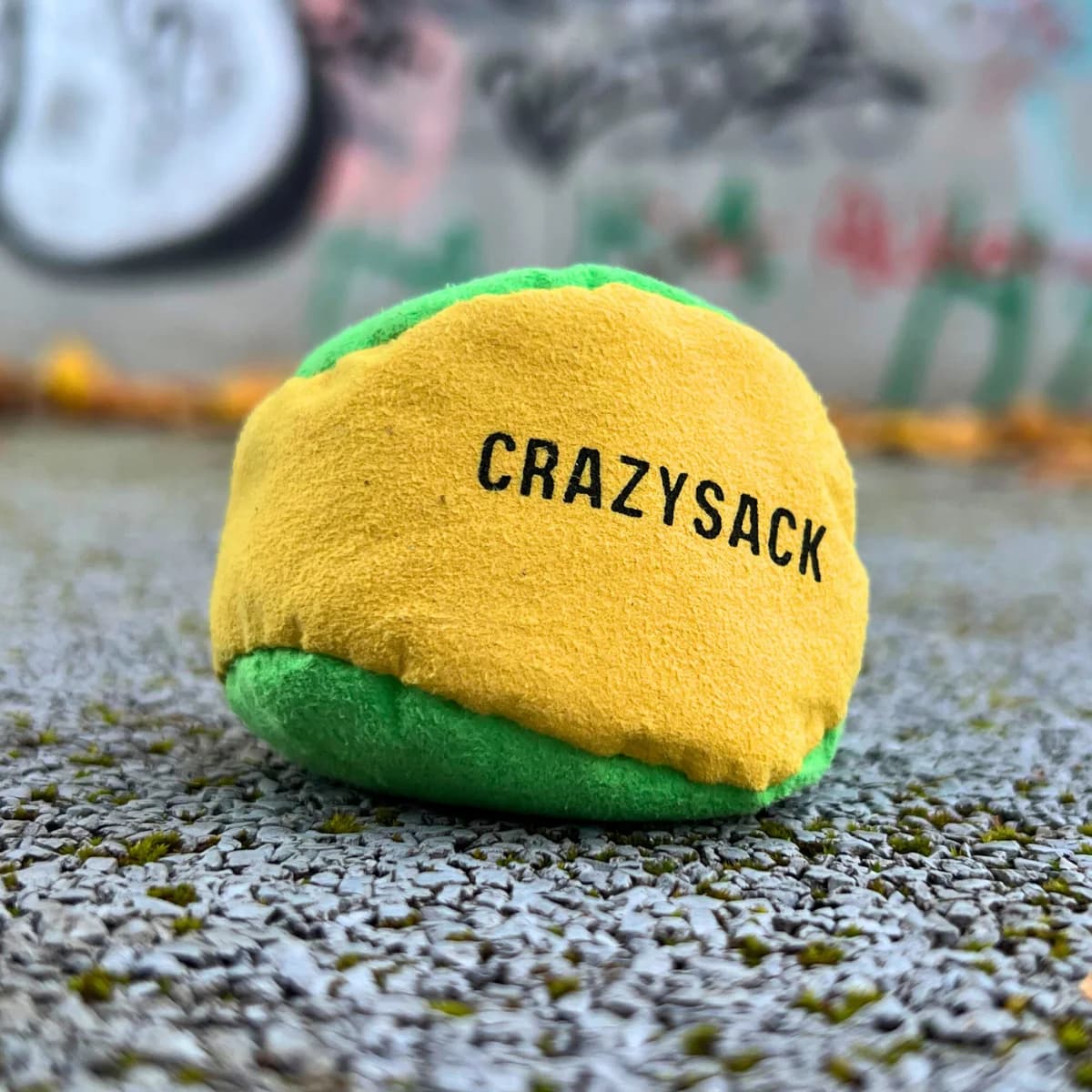
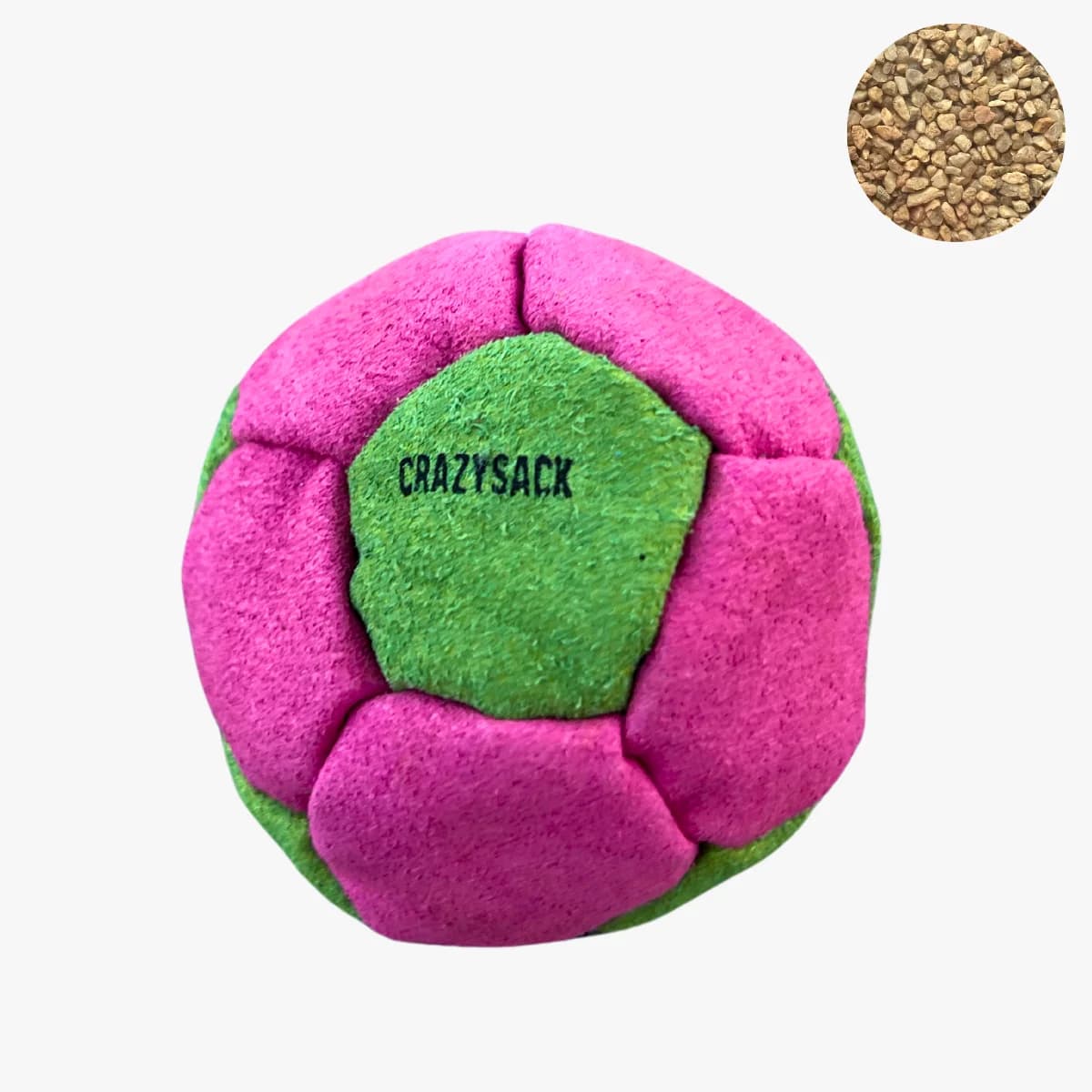
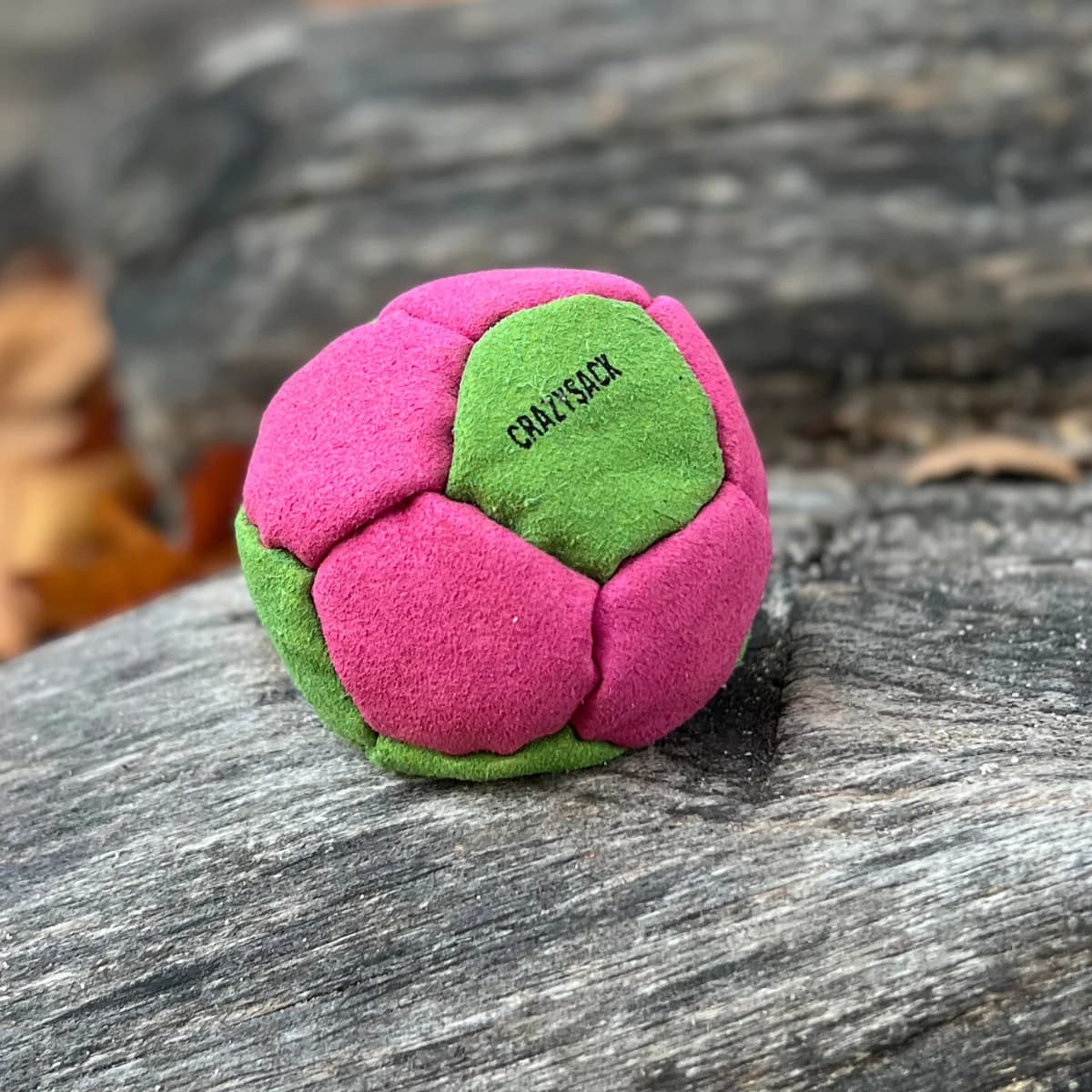
Matching footbags from our shop
Hand-stitched in Germany, ready to ship.



You might also like
How Footbags Are Setting New Trends in Pop Culture
From TikTok freestyle to streetwear drops — why the footbag is back as a cultural object, not just a park toy.
2 min read
Top Social Media Trends Around Hacky Sacks
How hacky sacks took over TikTok, Instagram, and YouTube — challenges, aesthetic reels, tutorials, livestreams, DIY, and AR experiments.
2 min read
How Hacky Sack Designs Evolved Over Time
From hand-sewn rice bags to high-panel freestyle tools — how materials, panels, and culture reshaped the hacky sack.
3 min read