
What is footbag?
Footbag — better known to many as hacky sack — is a small fabric bag filled with pellets or grains, kept aloft mainly with the feet. It grew out of the US in the 1970s and is now played worldwide as casual circle play and as competition. What makes it useful in schools is the mix of creativity, light athleticism, and social play: students invent tricks and sequences, then share them. Below is how to run a footbag school project, what it delivers, and why it is a strong way to add creativity and movement to the school day.
Why footbag works as a school project
Creativity and teamwork
A footbag project invites students to invent kicks, test new movement patterns, and inspire each other. That builds motor skill and creative thinking at once.
- Learners notice their limits and push past them in small steps.
- Group work rewards support and shared problem-solving.
- Building short routines or “choreographies” puts creativity at the centre.
Team circles also force strategy and encouragement — social skill plus the joy of doing something together.
Physical health
Footbag hits coordination hard and recruits a wide range of muscles through varied contact patterns. Mobility and balance improve with regular play.
- Fine motor control from precise contacts
- Light conditioning from continuous movement
- Better balance and reaction speed
For students who bounce off classic team sports like soccer or basketball, footbag is a low-threshold alternative you can scale to any ability level.
Running the project in practice
Gear and setup
Good bags matter — and they are cheap, durable, and easy to store, which suits schools.
- Buy enough quality footbags for the class (durable fabric, sensible fill).
- Secure space: gym or schoolyard works well.
- Prep a short intro to history and basic kicks so nobody starts cold.
Teachers or project leads should handle a bag themselves — a short workshop beforehand is enough to model clean contact.
Need a class set? Browse durable options in our shop.
Structure and timeline
A clear phased plan keeps motivation up:
- Intro: Origins and basic rules of the game
- Training: Inside kick, stalls, and simple keep-ups
- Creative phase: Students invent tricks and short routines
- Showcase: Contest, demo day, or performance for peers
Short phases make progress visible. You can lean the project toward technique, creativity, or teamwork depending on your goals.
Benefits for students
Confidence and character
Learning new skills and sticking through drops builds self-trust.
- More self-confidence and ownership of practice
- Persistence and frustration tolerance
- Focus and goal-setting on small milestones
Students who struggle to fit into traditional PE often find a place to shine here.
Social skills
Solo practice and circle play both exist — shared drills, peer coaching, and joint routines strengthen belonging.
- Clearer communication and cooperation
- Healthier habits around praise and critique
- Empathy and real team spirit
Shared wins and mutual pep talks often create new friendships and a warmer classroom climate.
Closing
Footbag as a school project loosens the timetable without needing a huge budget. Movement, creativity, and social contact sit in one activity that complements classic PE units. One-off event or recurring module — either way, it gives students another way to succeed. If you want a project that sells itself on motivation, movement, and community, put bags in the gym and start with a clean inside kick.
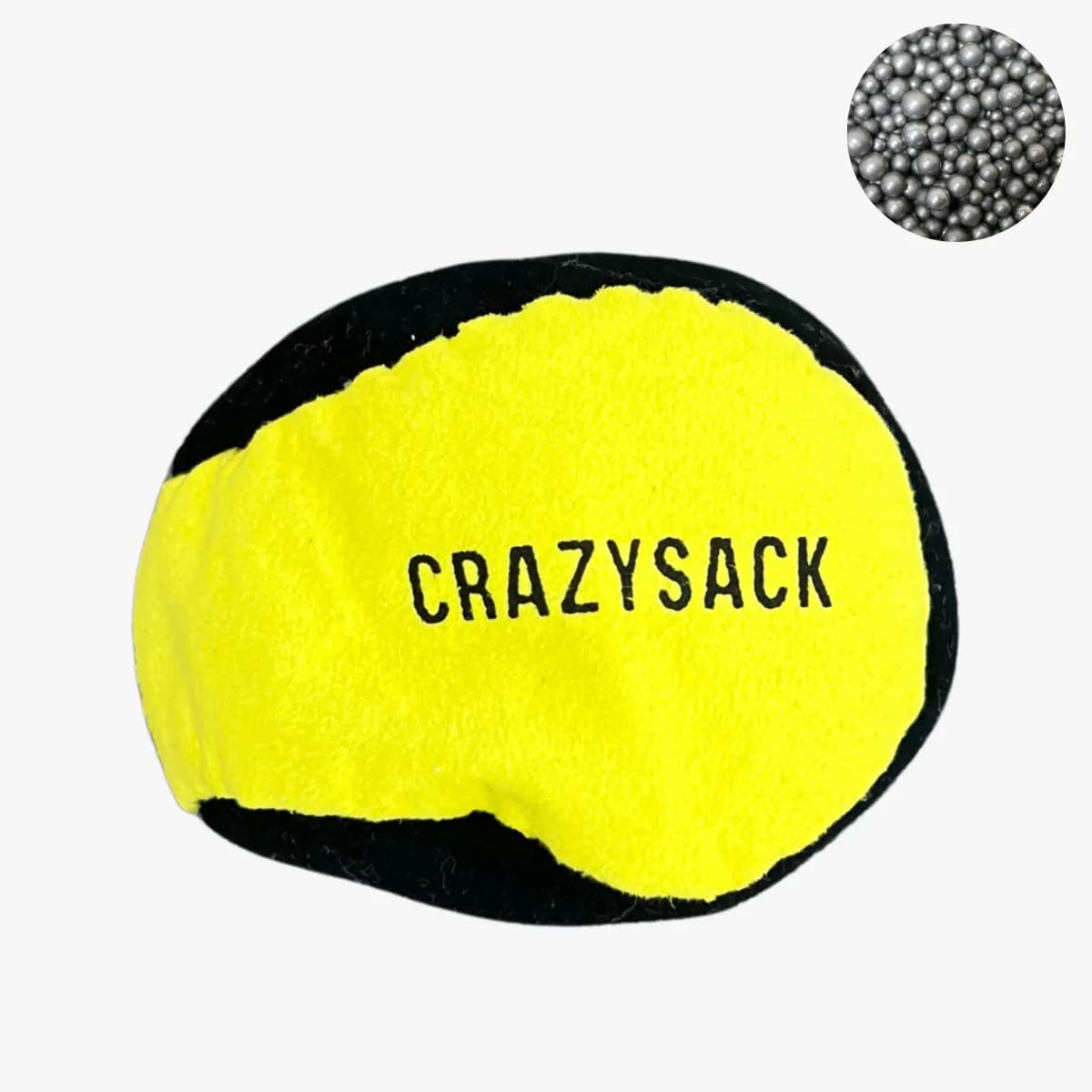
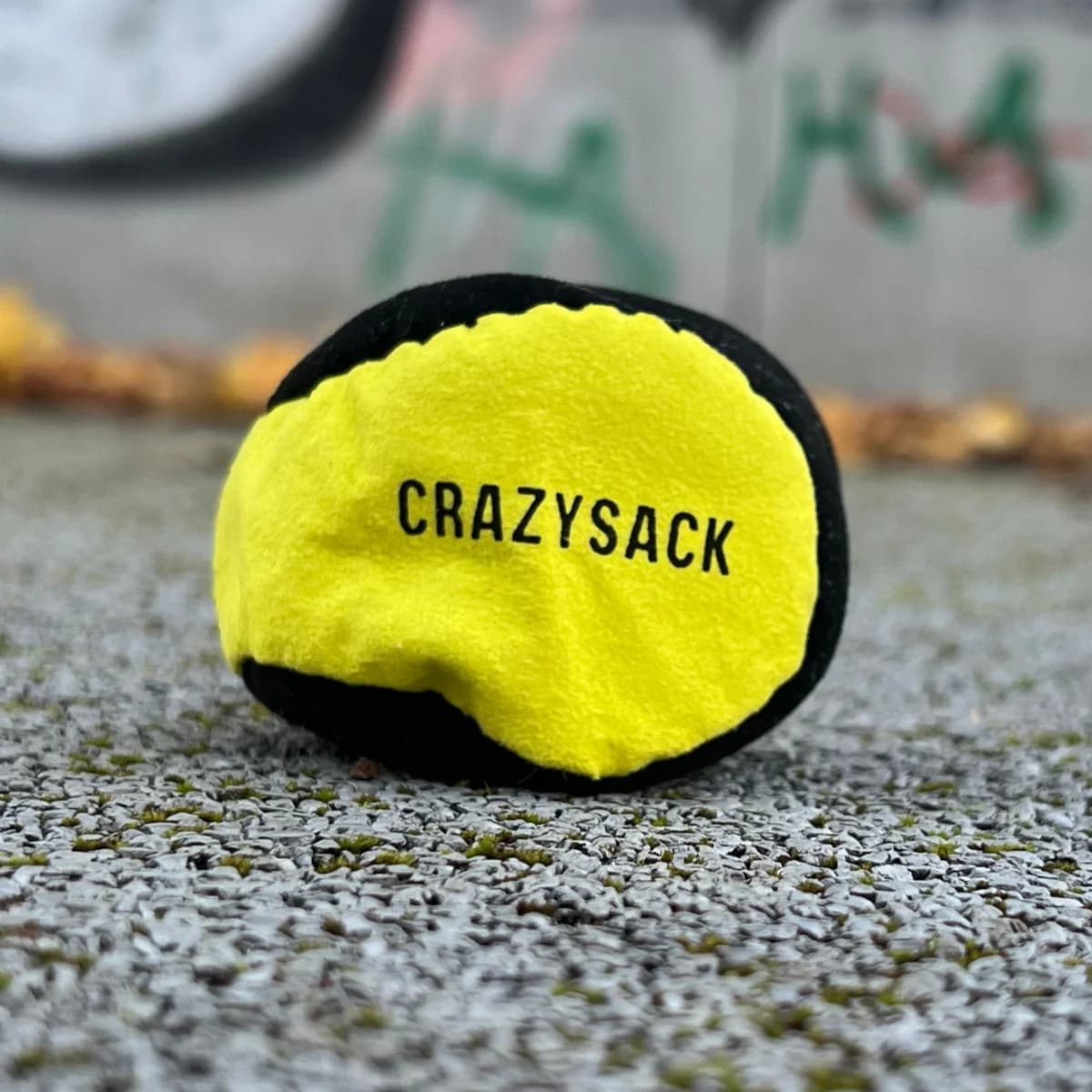
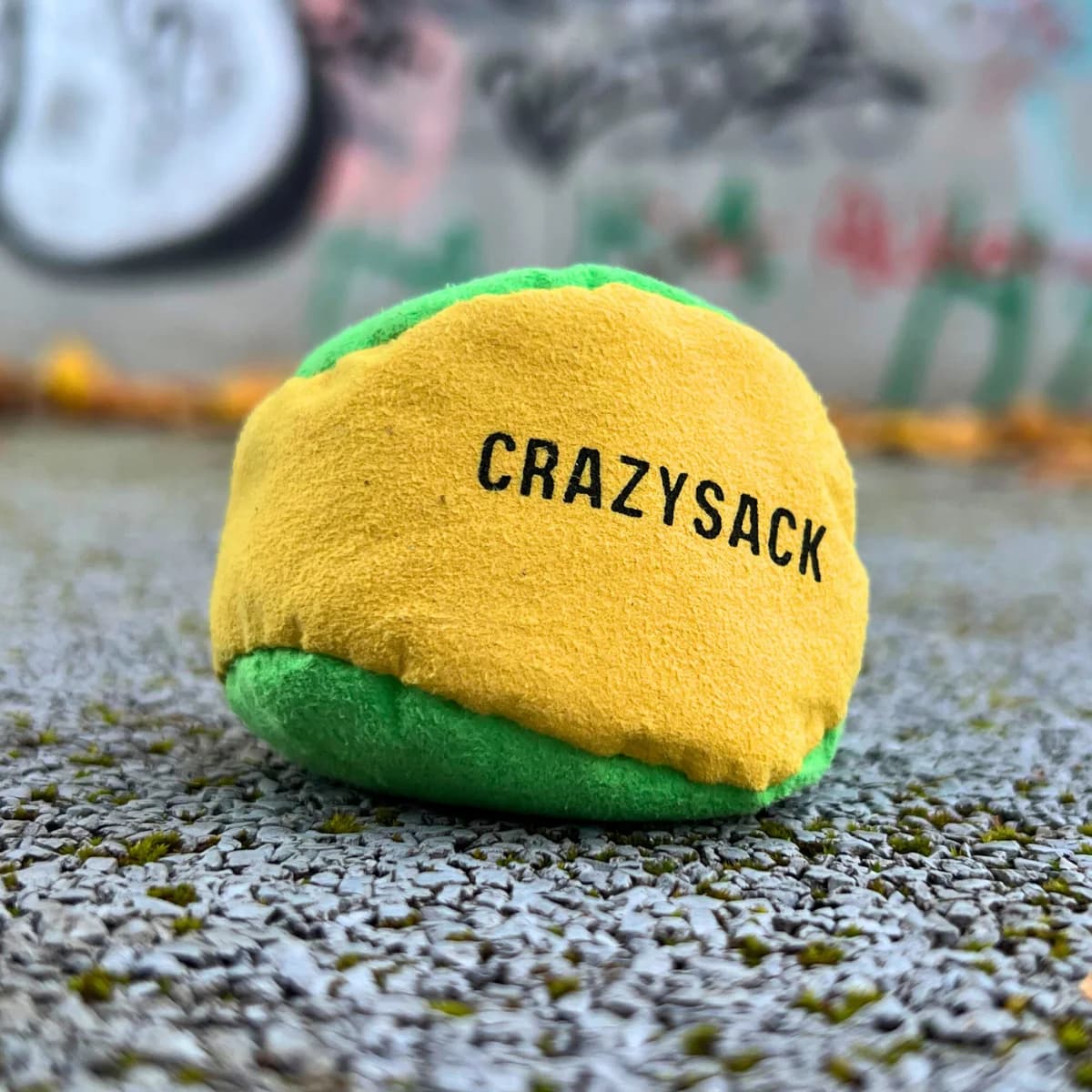
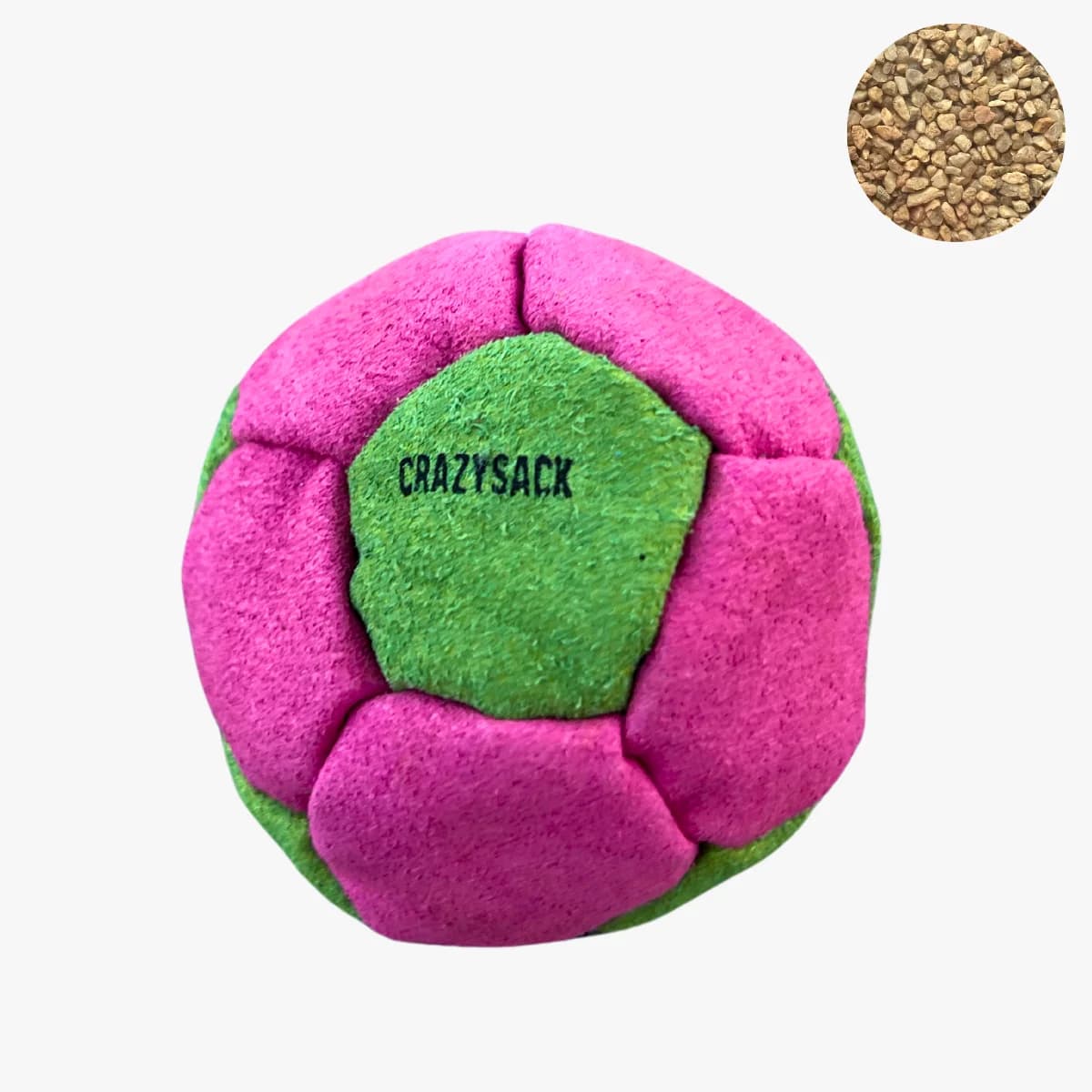
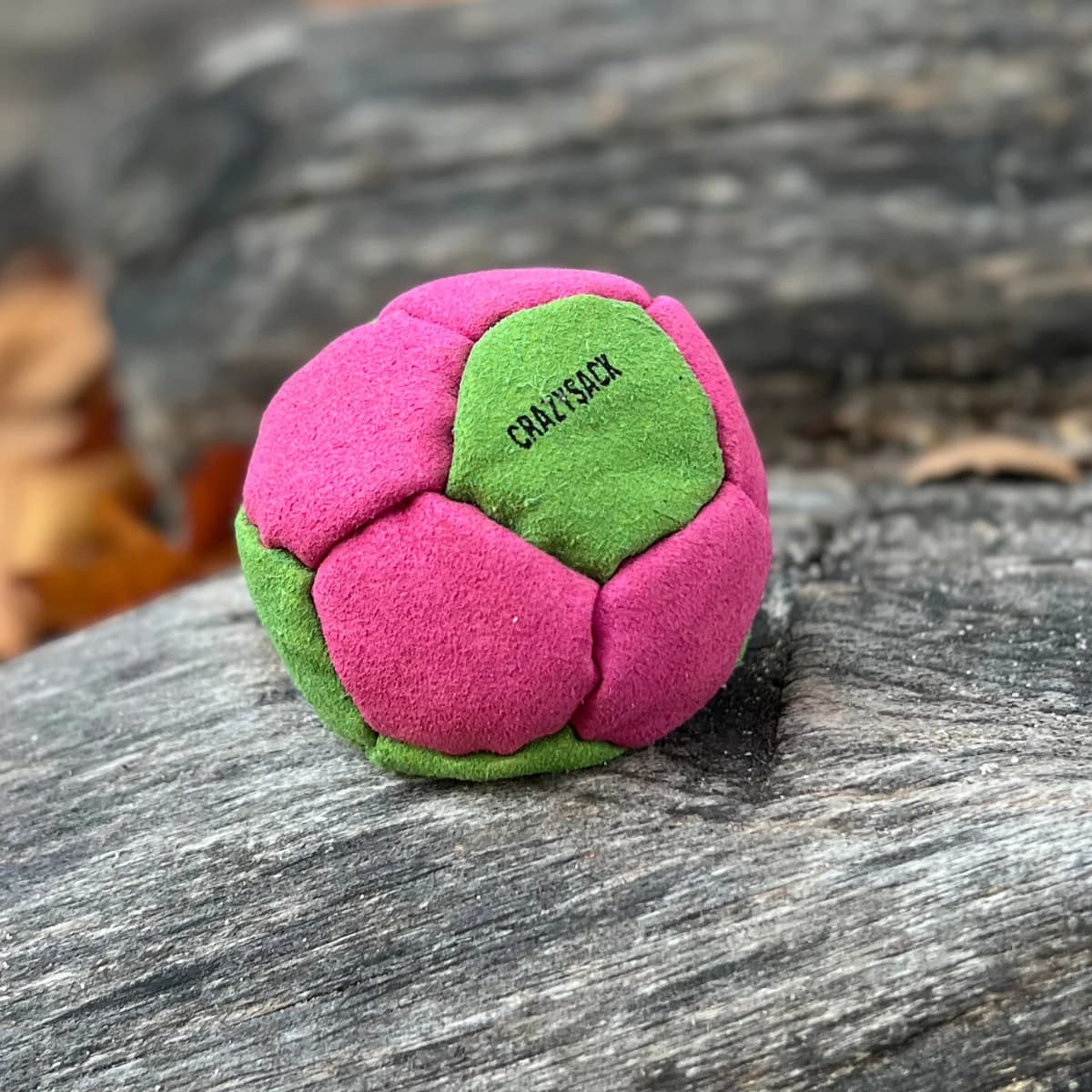
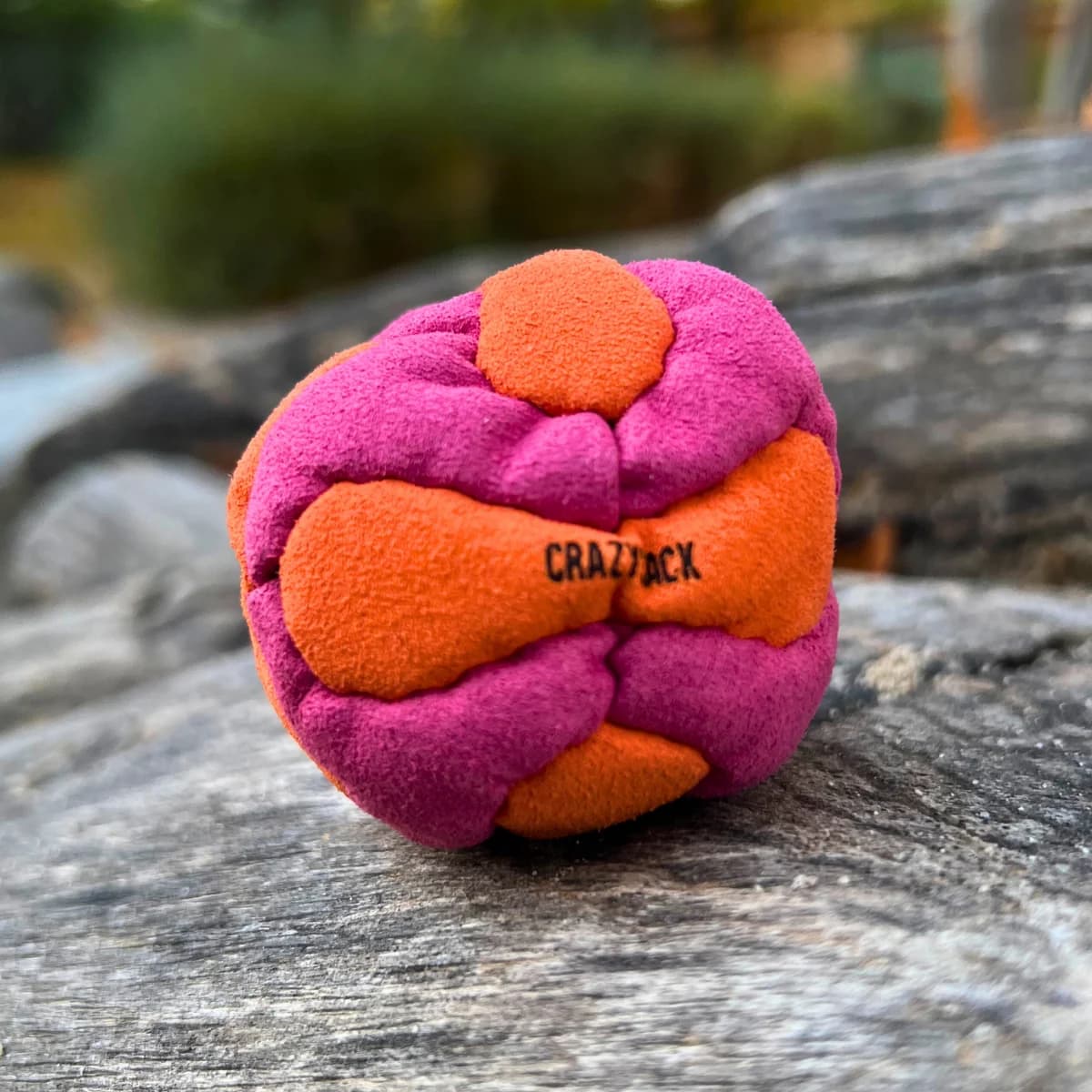
Matching footbags from our shop
Hand-stitched in Germany, ready to ship.


You might also like
How Hacky Sacks Bring Movement into School
Low-barrier PE and classroom breaks — how footbags boost coordination, focus, and teamwork without expensive kit.
2 min read
How Hacky Sacks Can Boost Your Creativity
Use playful footbag movement to loosen mental blocks, spark ideas, and train flexible thinking — solo or with a group.
2 min read
Hacky Sacks for Kids: Playful Movement That Actually Sticks
How hacky sacks help kids build coordination, focus, and active play — simple games, the right bag size, and tips parents can use at home or school.
2 min read