
Why hacky sacks work so well for children
A hacky sack (footbag) is a small bag filled with pellets or beans — perfect for skill games. For kids it is more than a toy: it asks for movement, focus, and balance in a format that still feels like play. Unlike screens, the bag only “works” when the body is involved. Reactions, posture, and foot–eye timing all get a workout that carries into other sports. The kit is pocket-sized: living room, schoolyard, or park — anywhere with a little clear floor.
Benefits that matter
Coordination and motor skills
Kids link eyes, feet, and balance on every contact.
- Fine motor control from precise foot (and hand) touches
- Better balance from controlled weight shifts
- Hand–eye practice when games allow catching or tossing
Movement that motivates
Many children move less than they should. Short challenges and friend games turn activity into something they ask for.
- Playful goals beat “go exercise”
- Almost no kit cost beyond the bag
- Solo or group — social play comes naturally
Patience and focus
Early misses are normal. Improvement through reps teaches sticking with a hard thing.
- Persistence without a lecture
- Attention span under a simple goal
- Confidence when a rally finally sticks
Popular games for kids
Keep-ups
Keep the bag off the ground with the feet. Hands are fine for absolute beginners; later try one-foot only. Works alone or as a friendly contest.
Target toss
Throw (or kick) toward a hoop, chalk circle, or small box. Shrink the target or step back to raise the challenge. Indoors or out.
Partner pass
Two or more kids pass with feet or hands without a drop. Builds teamwork, reaction time, and a bit of gentle competition.
Choosing a kid-friendly bag
Material and fill
Soft fabric or leatherette shells are kinder on small feet. Plastic-pellet fill is often lighter and easier to control than heavy metal. Tough leather lasts, but can feel harsh for first sessions.
Size and weight
About 5 cm diameter is a sweet spot. Light bags spare little feet; tiny bags are ironically harder to hit. Too heavy slows learning.
Care
Dry storage after play, wipe dirt with a damp cloth, and expect faster wear on rough asphalt — grass and carpet are friendlier.
Looking for a soft starter bag? See options in our shop.
Small bag, real impact
Hacky sacks nudge kids toward movement without expensive gear or a full pitch. Skill, focus, and social play arrive wrapped as games. Parents and teachers can add tiny challenges or relays; kids often do not notice they are training. Try one bag in the house for a week — a small ball can change how afternoons look.
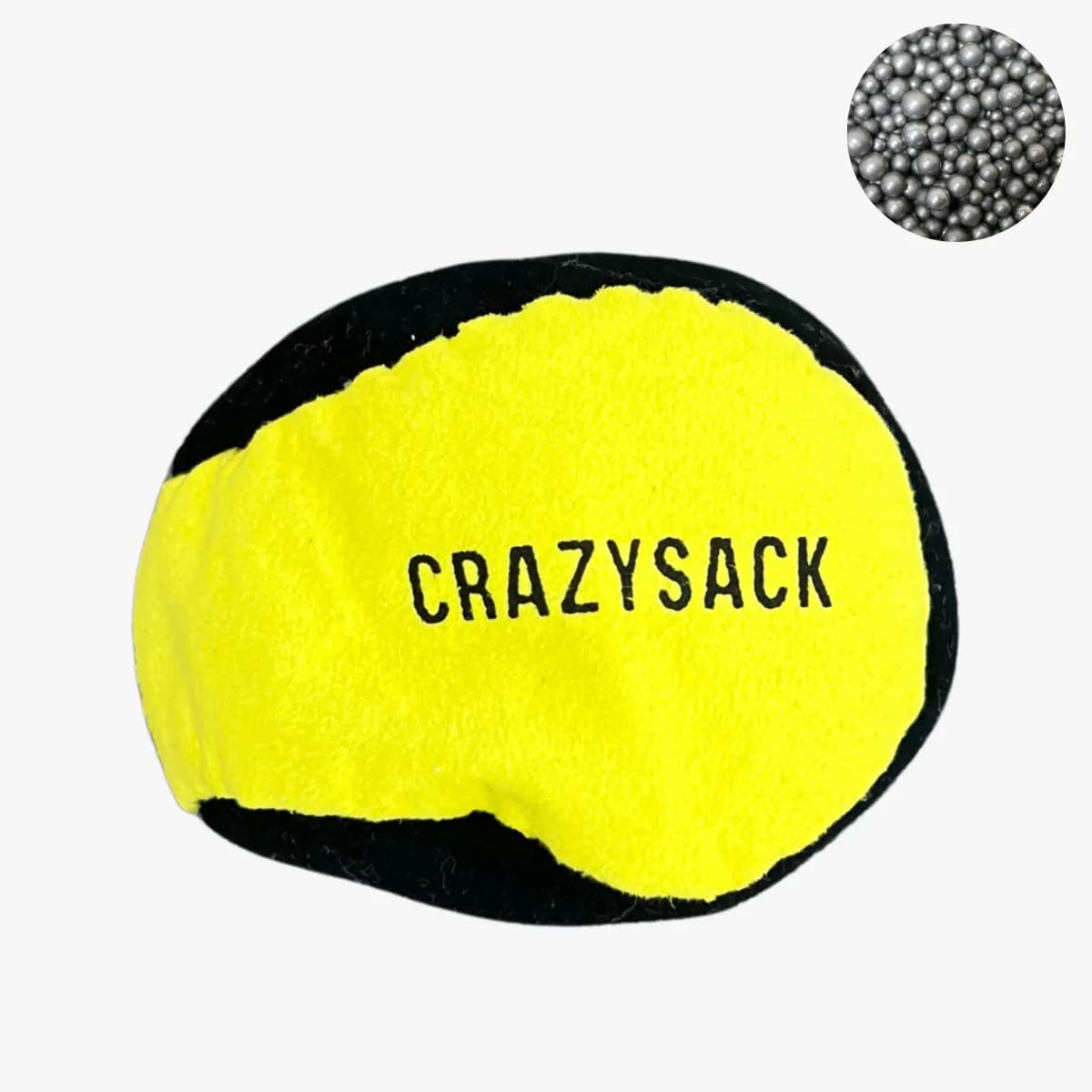
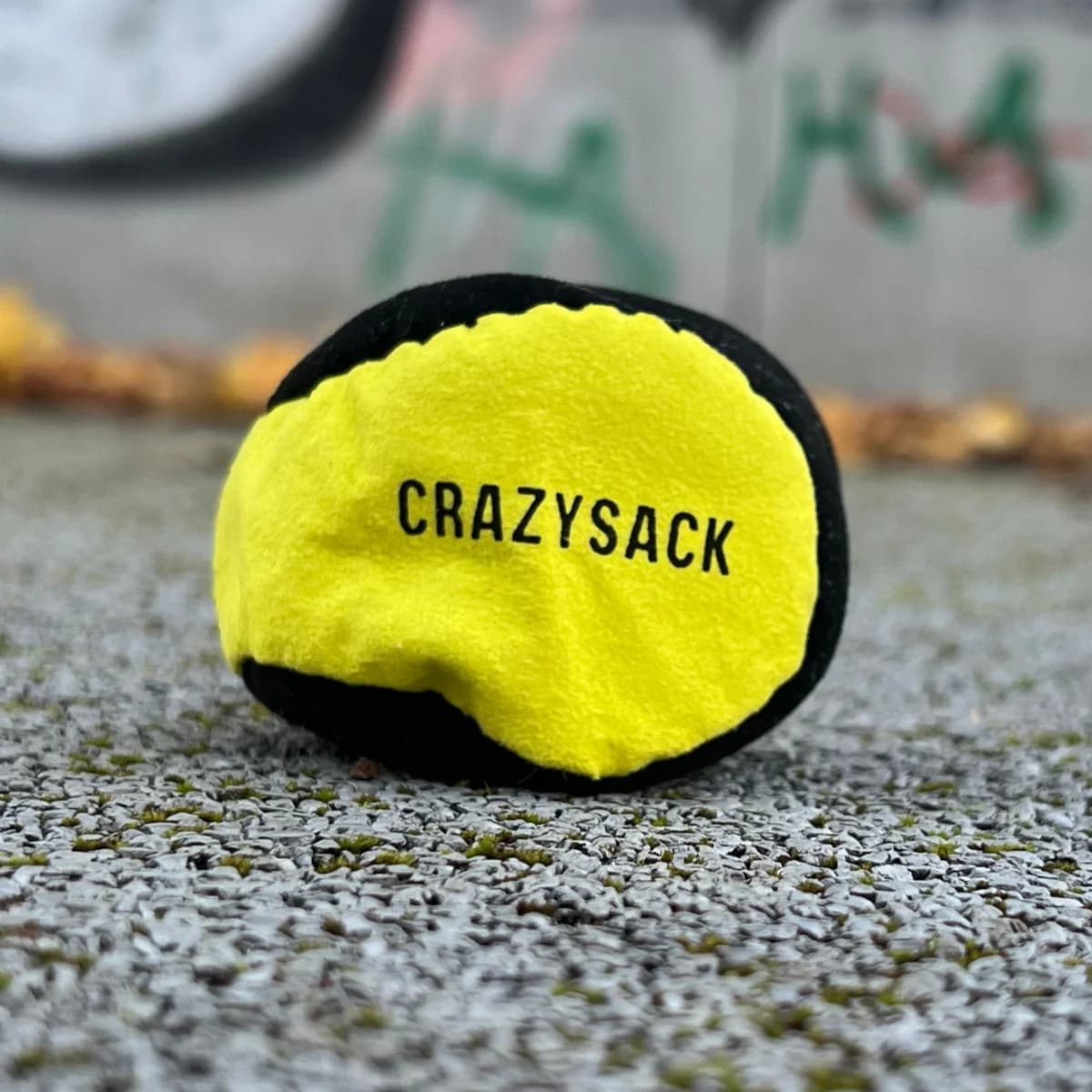
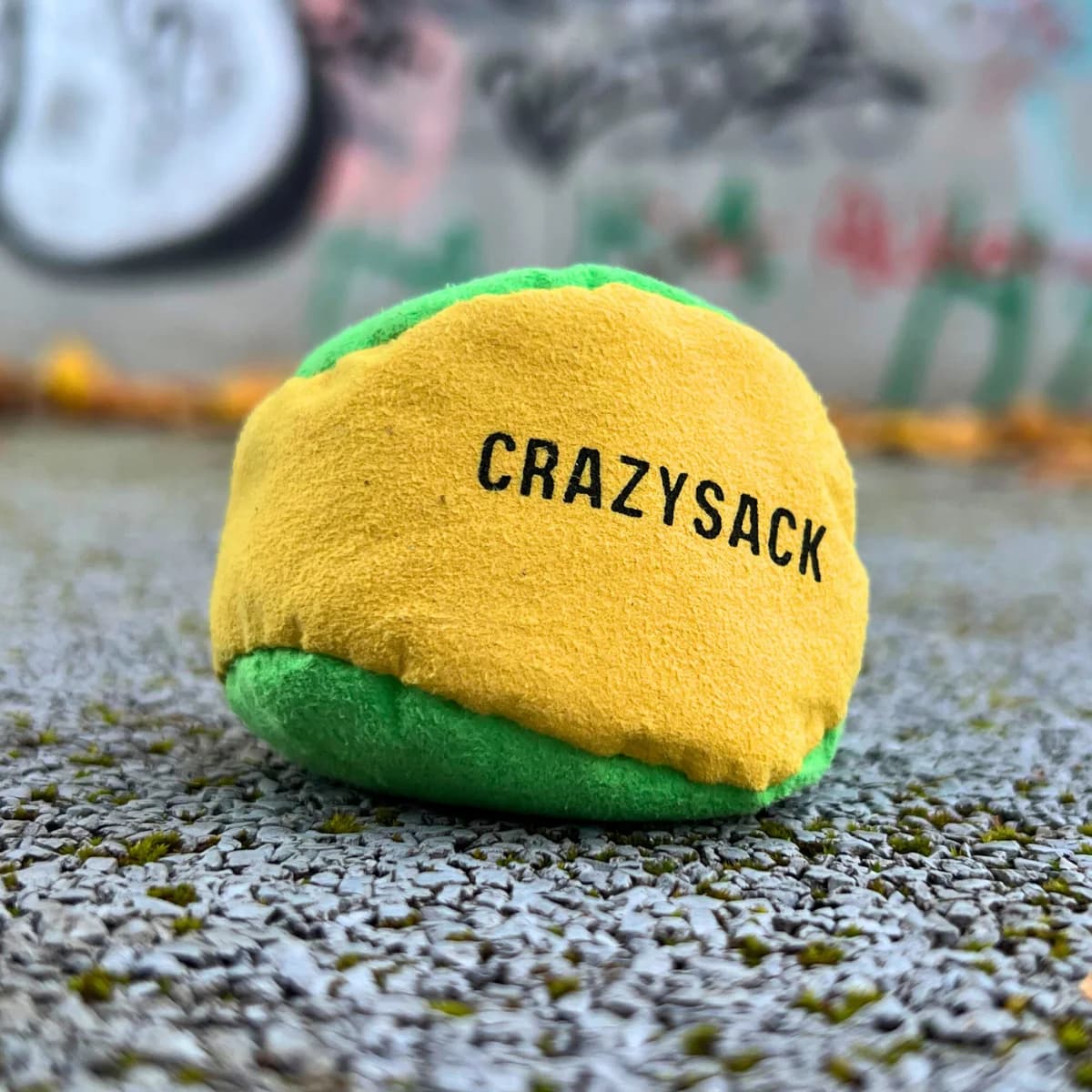
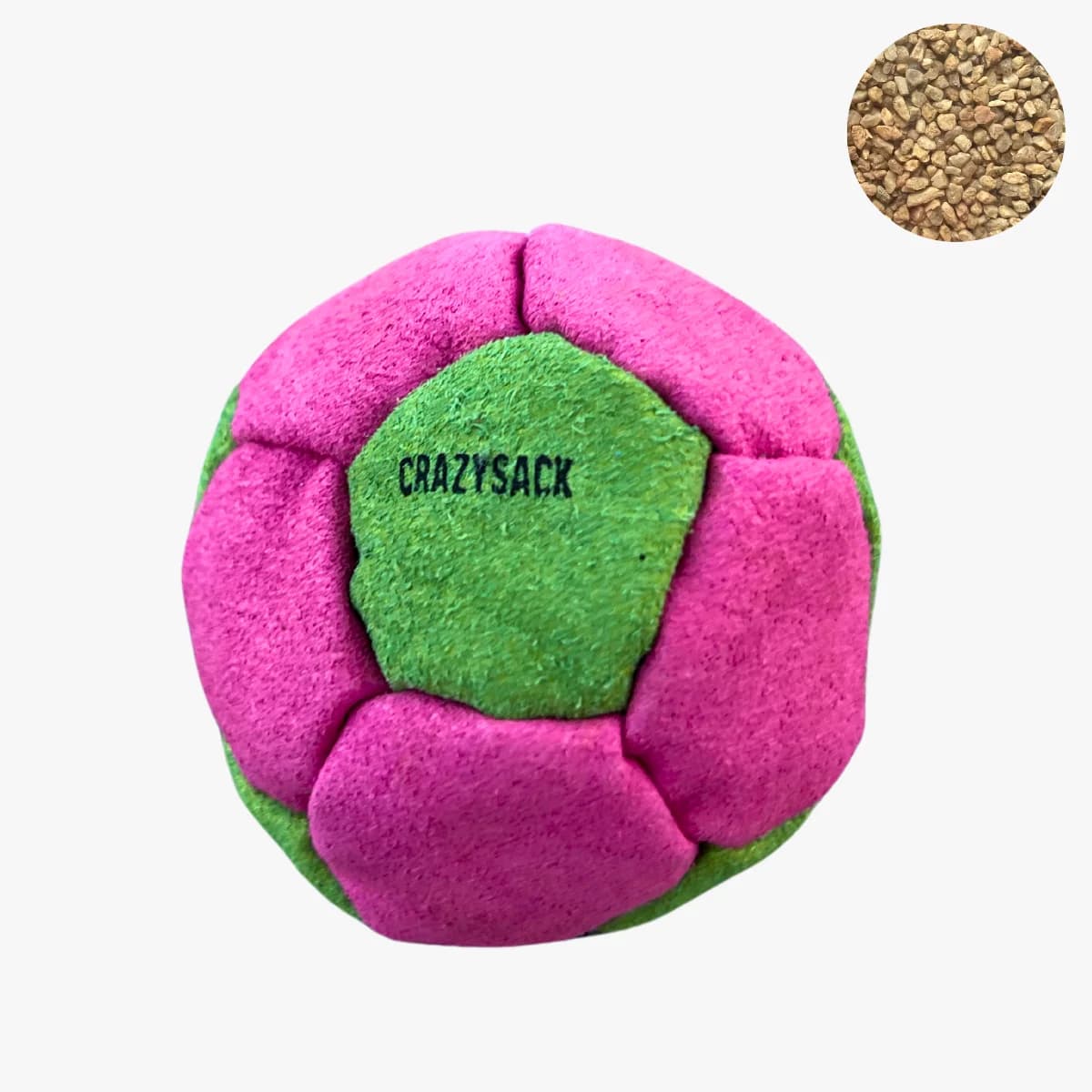
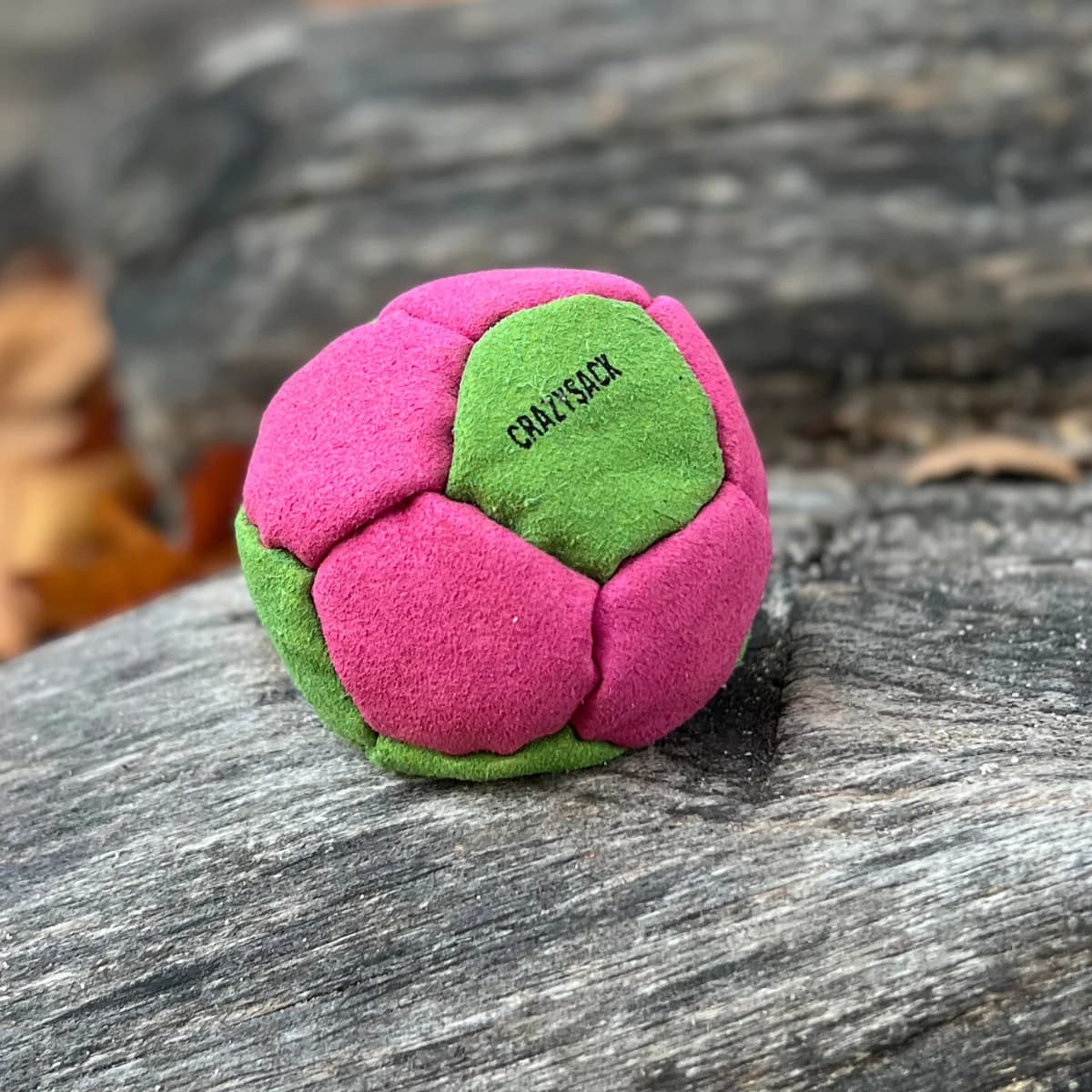
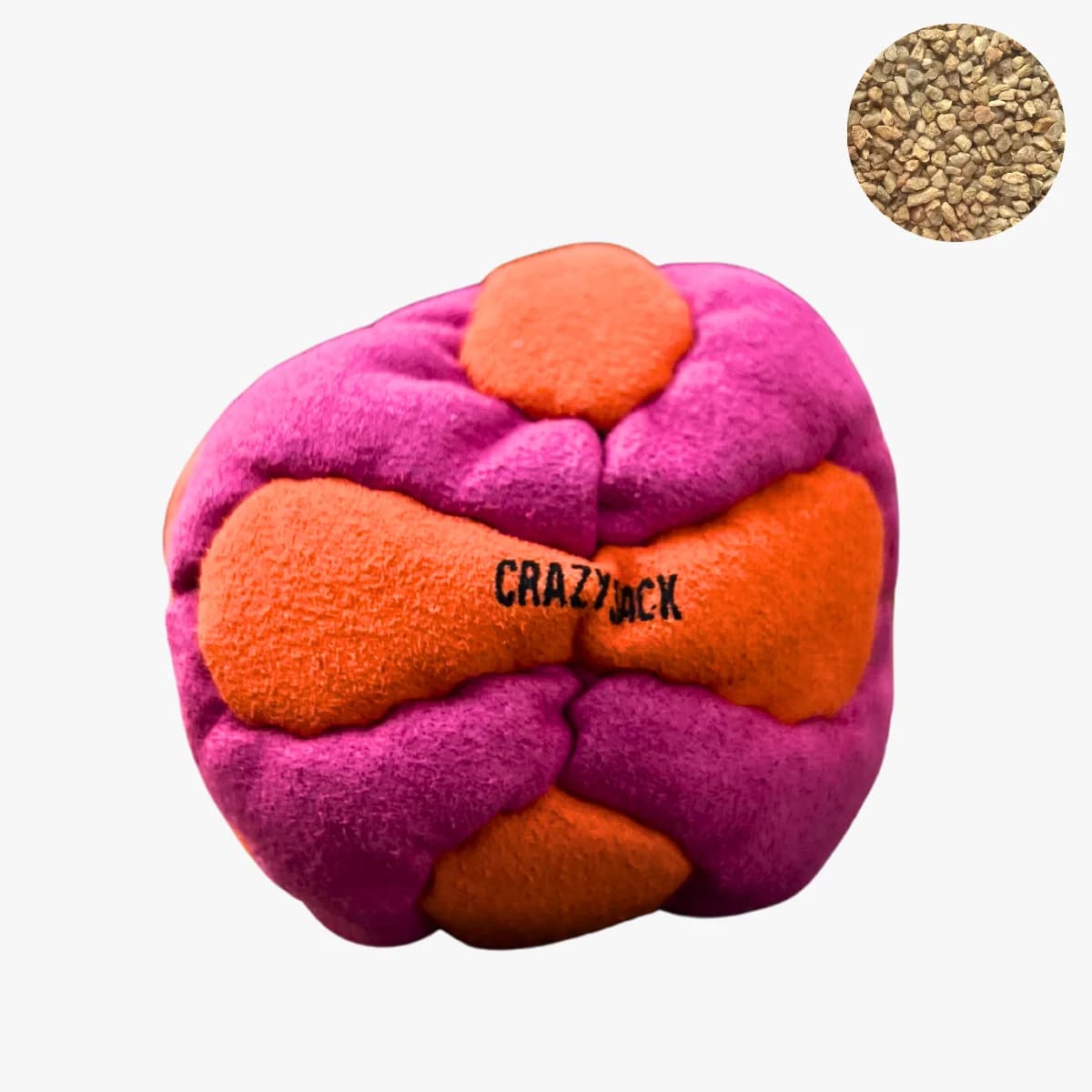
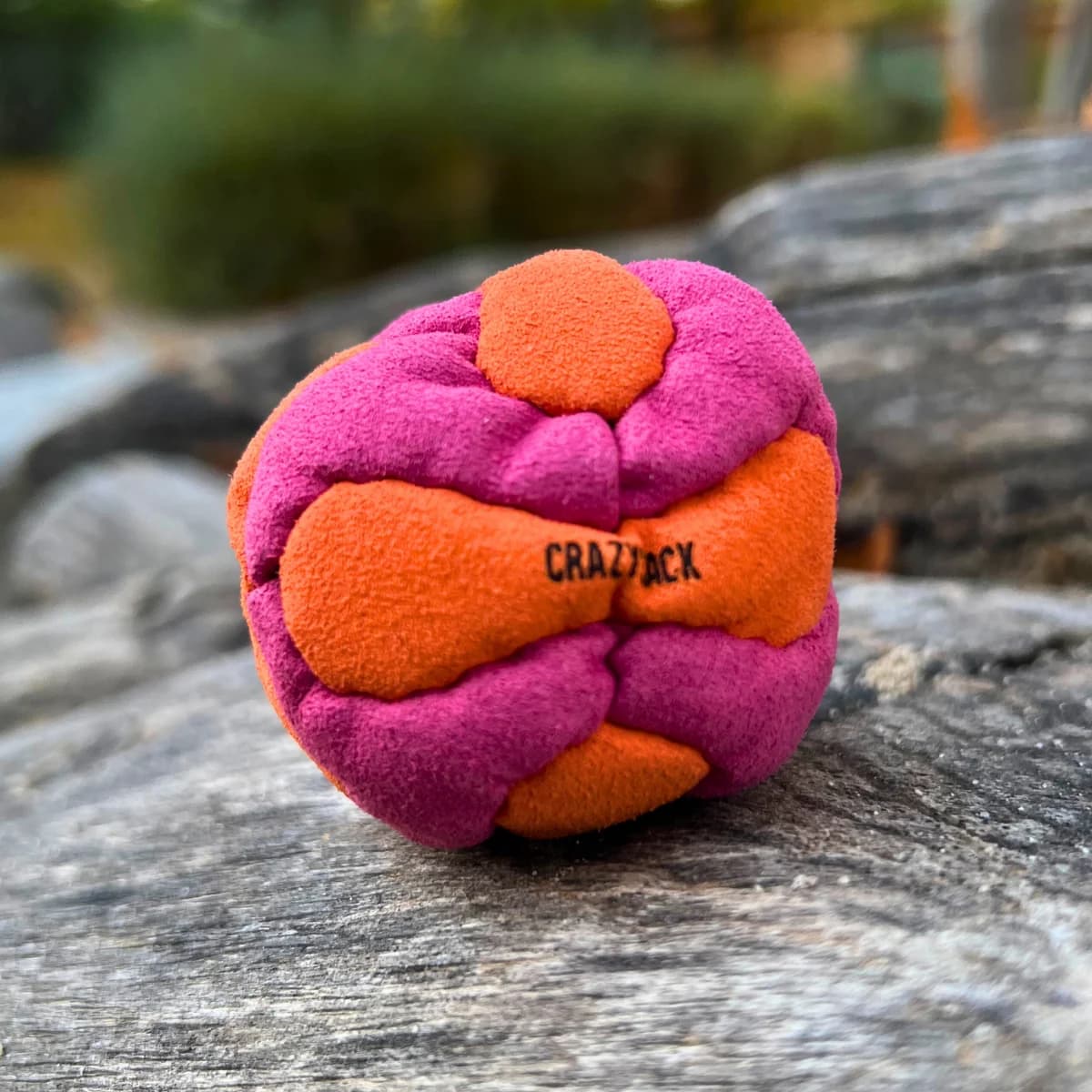
Matching footbags from our shop
Hand-stitched in Germany, ready to ship.

You might also like
How Hacky Sacks Bring Movement into School
Low-barrier PE and classroom breaks — how footbags boost coordination, focus, and teamwork without expensive kit.
2 min read
Footbag as a School Project: Building Creativity and Movement
How a footbag school project blends creativity, teamwork, and movement — practical structure, benefits for students, and why it fits PE and project weeks.
3 min read
Stay Fit Playfully with Hacky Sacks
Build coordination, balance, and light cardio with a footbag — fun fitness you can do at home, in the park, or on the road.
3 min read