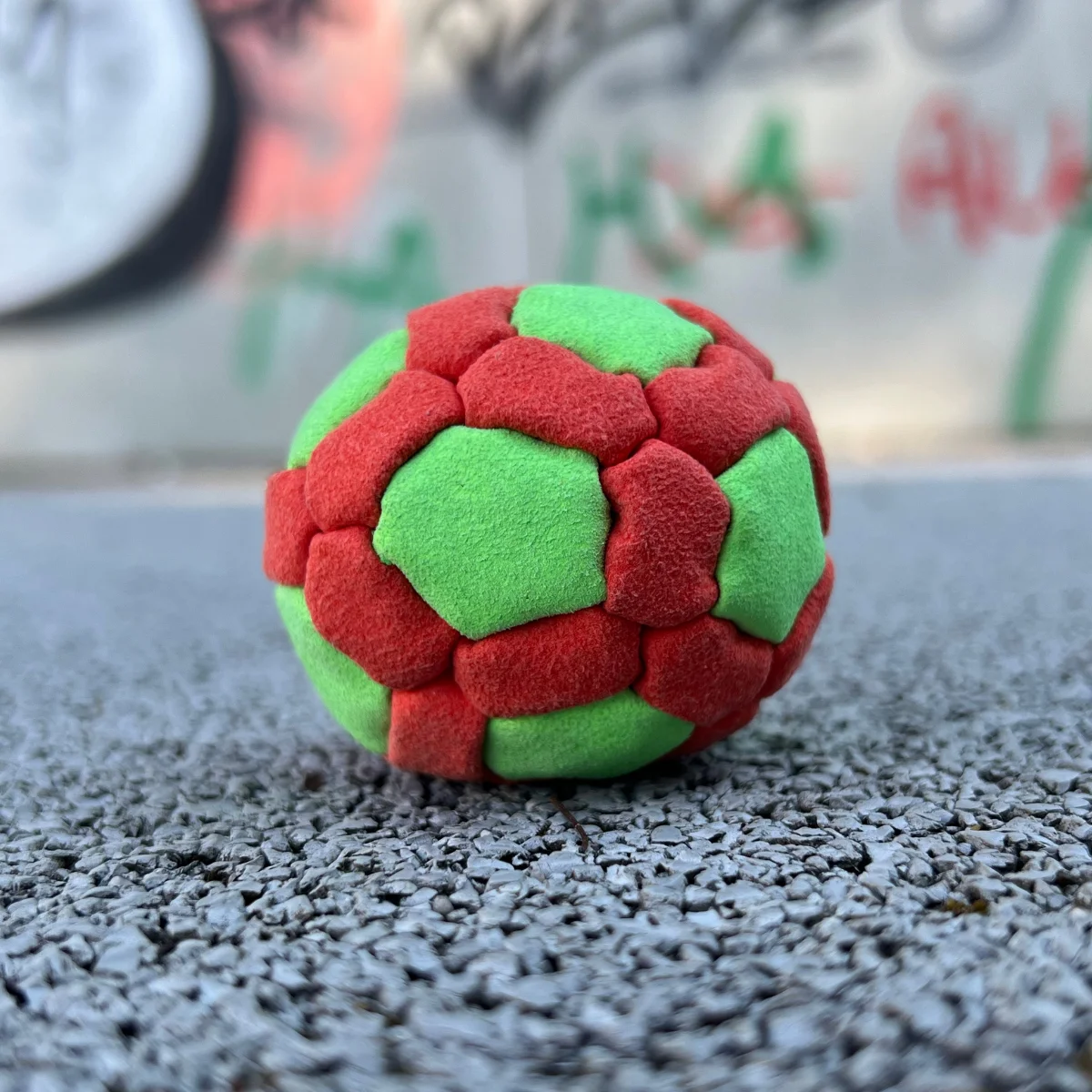
You have probably seen someone in a park or at a festival keep a small round bag in the air with their feet, stacking kicks into little tricks. That bag is a footbag — better known to many as a hacky sack. It looks casual. Underneath, there is timing, balance, and a lot of small technical choices.
This guide covers what matters first: where the game came from, which bags suit which style, the core kicks, and how to pick something that fits you. Whether you are new or coming back after years away, start here.
A short history of the footbag
The modern game took shape in the early 1970s in the United States. John Stalberger and Mike Marshall wanted something that trained agility, coordination, and stamina. They called it “Hack the Sack”; the shorter name “Hacky Sack” stuck. Over time, footbag became the generic word for the sport and the bag itself.
The idea is older than the brand. Related foot games show up in many cultures. China’s jianzi uses a feathered shuttlecock kept aloft with the feet. Indigenous games in the Americas used improvised balls the same way. Today’s footbag sits in that long line of “keep it up without hands” play.
Types of footbags
Not every bag plays the same. Material and construction change speed, grip, and durability.
Fabric footbags
Soft, light, and forgiving — the usual recommendation for beginners. Cloth grips well enough that early kicks stay in front of you instead of skidding away.
Leather footbags
Tougher and longer-lived than basic fabric. Advanced players often prefer them for a firmer, more precise feel. Leather needs occasional care so it stays flexible.
Silicone footbags
Waterproof and hard-wearing outdoors, including damp or rough ground. The slicker surface asks for cleaner contact; control takes more practice.
Freestyle footbags
Often a bit smaller and firmer, built for stalls, spins, and competition routines where absolute control matters more than casual circle play.
Match the bag to where and how you play. The “perfect” footbag is the one that matches your surface, your tricks, and how often you kick.
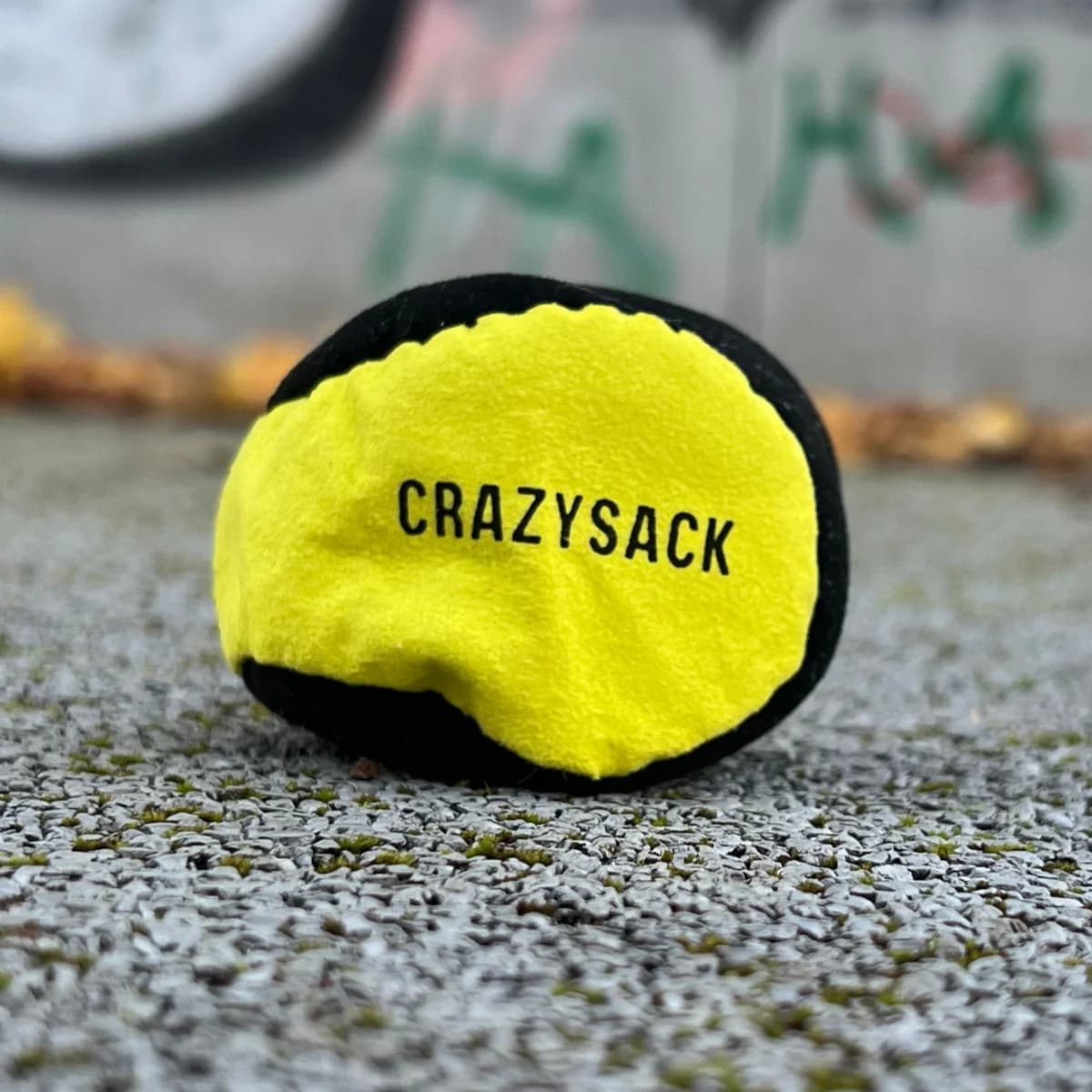
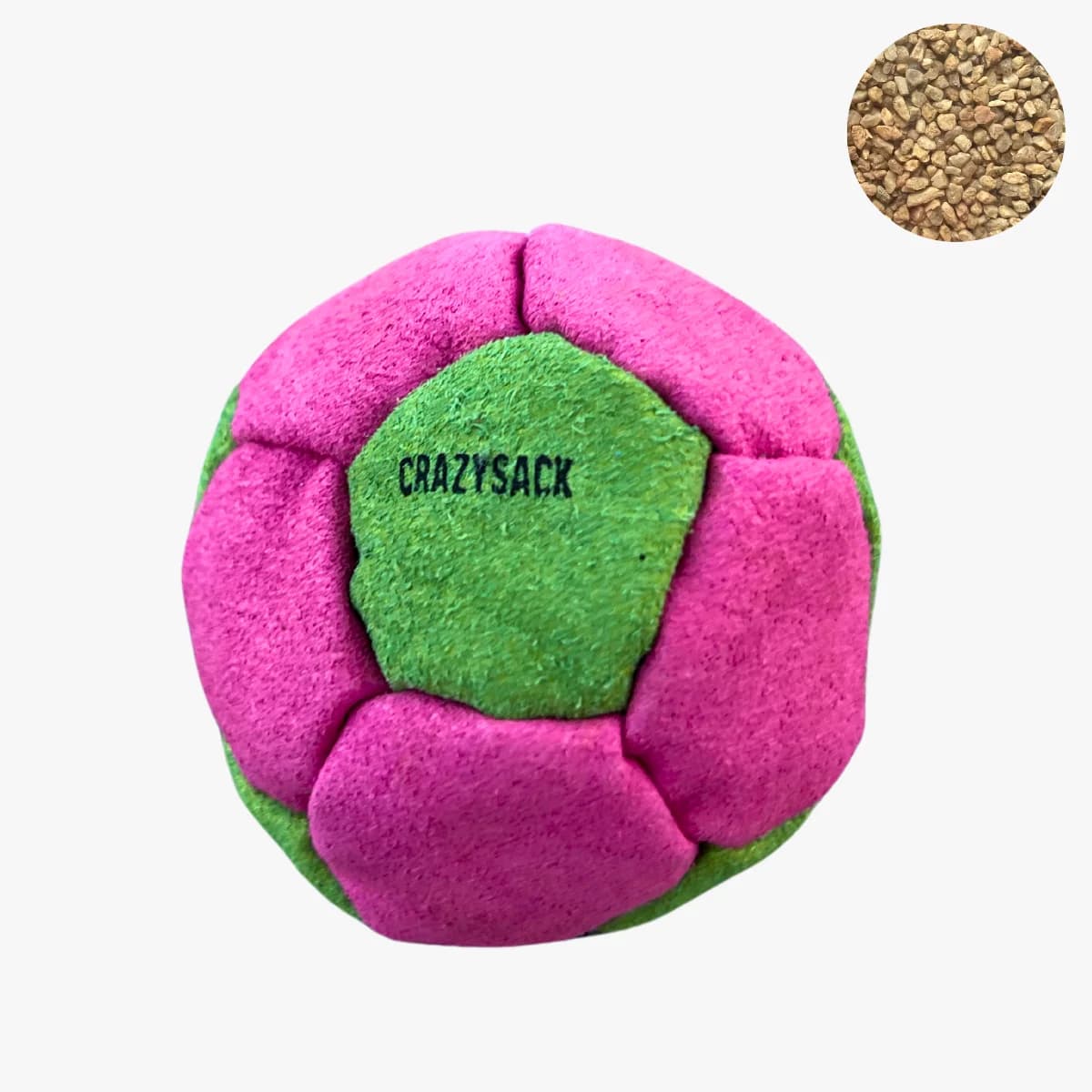
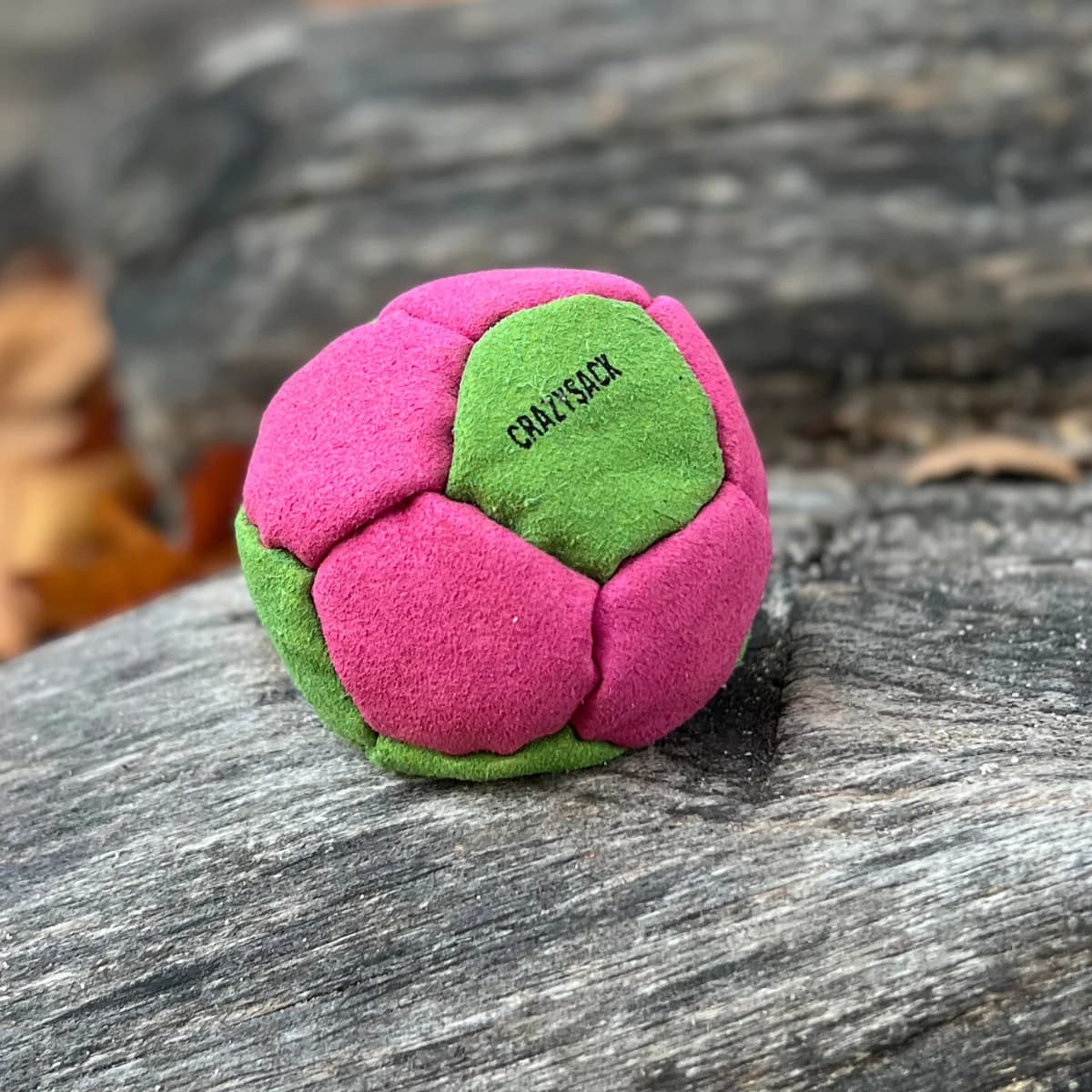
Looking for a ready-made option instead of guessing? Browse our footbags by panels and fill — sand, metal, or plastic pellets each feel different under the foot.
Core techniques
Learn these before chasing flashy combos.
- Inside kick — The bread-and-butter move. Strike the bag with the inside of the foot, foot relatively flat, contact near the centre so the bag rises cleanly in front of you.
- Outside kick — Same idea with the outside of the foot. You rotate the body more; balance matters as much as the kick.
- Toe stall — Catch and hold the bag on the top of the foot without letting it drop. Many freestyle tricks start from a solid stall.
- Around the world — Kick the bag up, circle the leg around it in the air, then catch again. It looks bigger than it is once inside kick and stall are reliable.
Reps beat theory. Short daily sessions beat one long frustrated afternoon.
Why people keep playing
- Coordination — Eyes, feet, and balance update every kick. That skill transfers to other sports.
- Light cardio — Stay moving and raise the pace; you will feel it in breathing and legs.
- Stress relief — Focusing on the next contact crowds out the rest of the day for a while.
- Social play — Circles form easily in parks. You can join strangers with almost no equipment.
Fun is enough of a reason. The side effects for body and head are a bonus.
Wrapping up
A footbag (hacky sack) is a small piece of kit with a deep skill curve. New players have plenty to learn; experienced ones still find new combinations. Get a bag that fits your stage, practise the basics patiently, and let a personal style grow from clean contact — not from forcing height.
If you already play: which kick are you polishing next? If you are starting: master the inside kick and a calm toe stall before anything with a name that sounds like a video title.
FAQ
What is a footbag?
A small round pouch filled with pellets, rice, sand, or similar material, kept in the air mainly with the feet for tricks and circle games.
Hacky sack vs footbag — what is the difference?
“Hacky Sack” began as a brand name from the 1970s inventors. “Footbag” is the generic term for the bag and the sport. In everyday talk people use both for the same thing.
Which footbag is best for beginners?
A soft fabric bag is the usual start: light, grippy, easier to control. When you want more durability or a firmer response, move toward denser cloth or leather-style bags.
How do I learn new tricks efficiently?
Lock in inside kick and toe stall first. Watch experienced players for timing, then practise one move slowly. Add height and links only when the bag stays where you expect it.
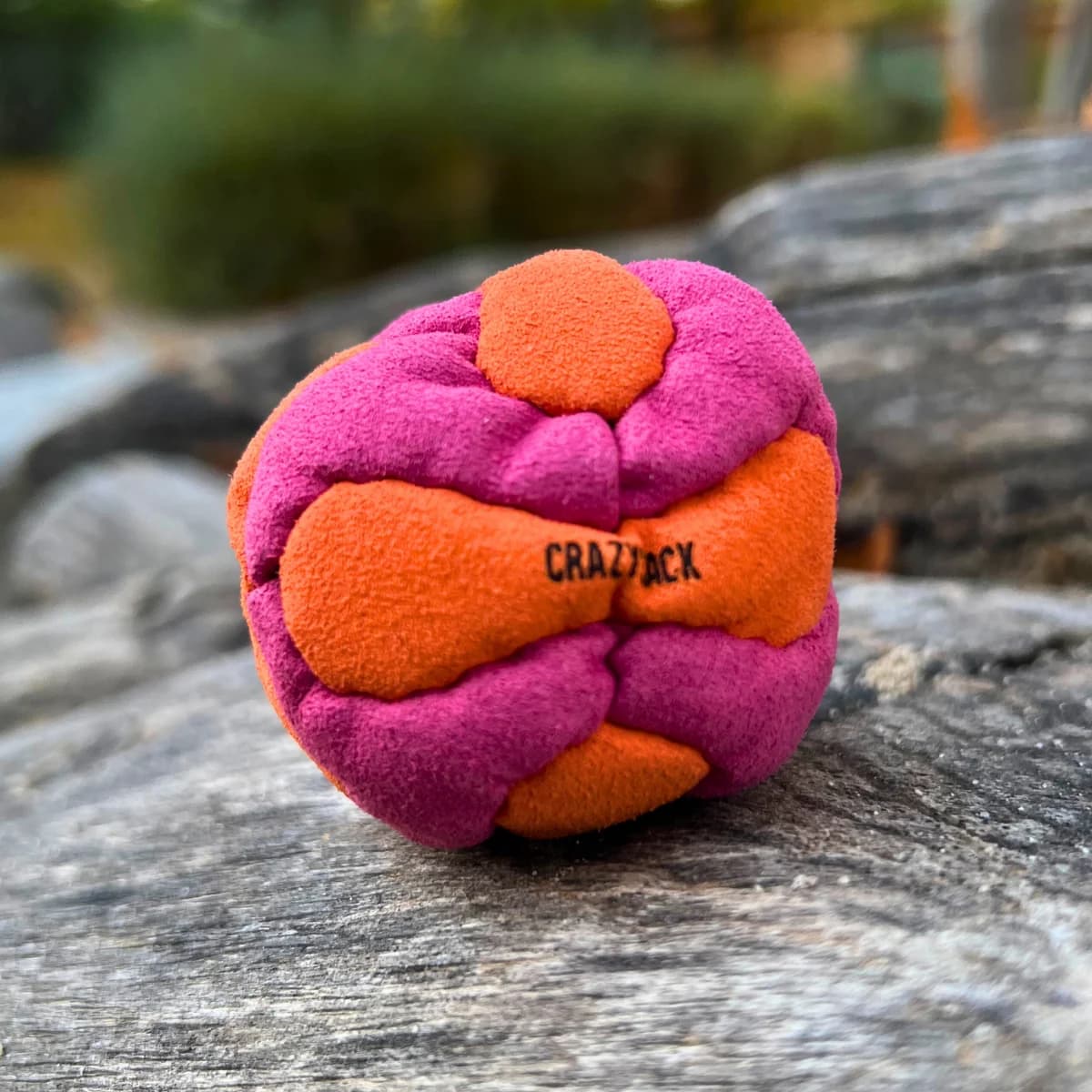
Matching footbags from our shop
Hand-stitched in Germany, ready to ship.




You might also like
Hacky Sack Freestyle: Everything You Need to Know
Hacky sack freestyle explained — origins, gear, beginner stalls, advanced combos, training methods, community contests, and how to stay motivated.
3 min read
Hacky Sacks for Outdoor Adventures: What You Need to Know
Pack a footbag for hikes, festivals, and park days — gear tips, fill types, weather-ready picks, and game ideas that fit any outdoor trip.
2 min read
Footbag Trends 2025: What You Need to Know
Retro revival, sustainable builds, smart sensors, freestyle and speed events — the footbag trends shaping 2025 for players and the wider community.
2 min read