
What hacky sack freestyle is
Origins
Hacky sack (footbag) started in the 1970s US with Mike Marshall and John Stalberger. Simple foot keep-up grew into freestyle: athletic and creative sequences with a soft bag kept off the ground using feet, knees, thighs, even the head. Unlike casual circle play that chases rally length, freestyle is about individual skill, technique, and expression — its own art form inside the community.
Foundations you need
- Ball control: Place contacts on purpose
- Balance: Stable base for harder moves
- Coordination: Both legs working together with eyes on the bag
Ease into difficulty. Clean kicks and calm passes before complex combos. Consistency builds the muscle memory you need.
Gear for freestyle
Which bags work
Casual cloth toys rarely cut it for serious freestyle.
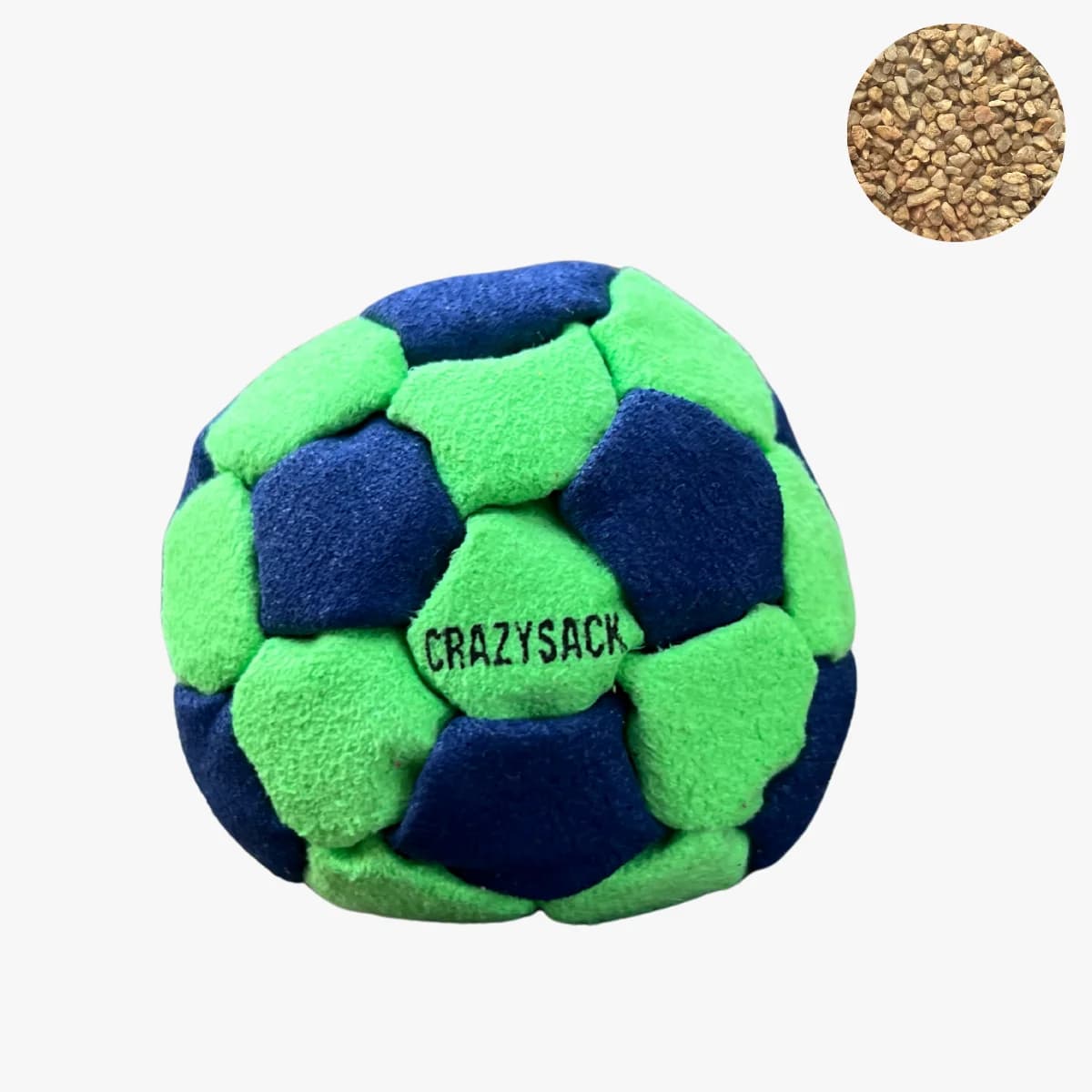
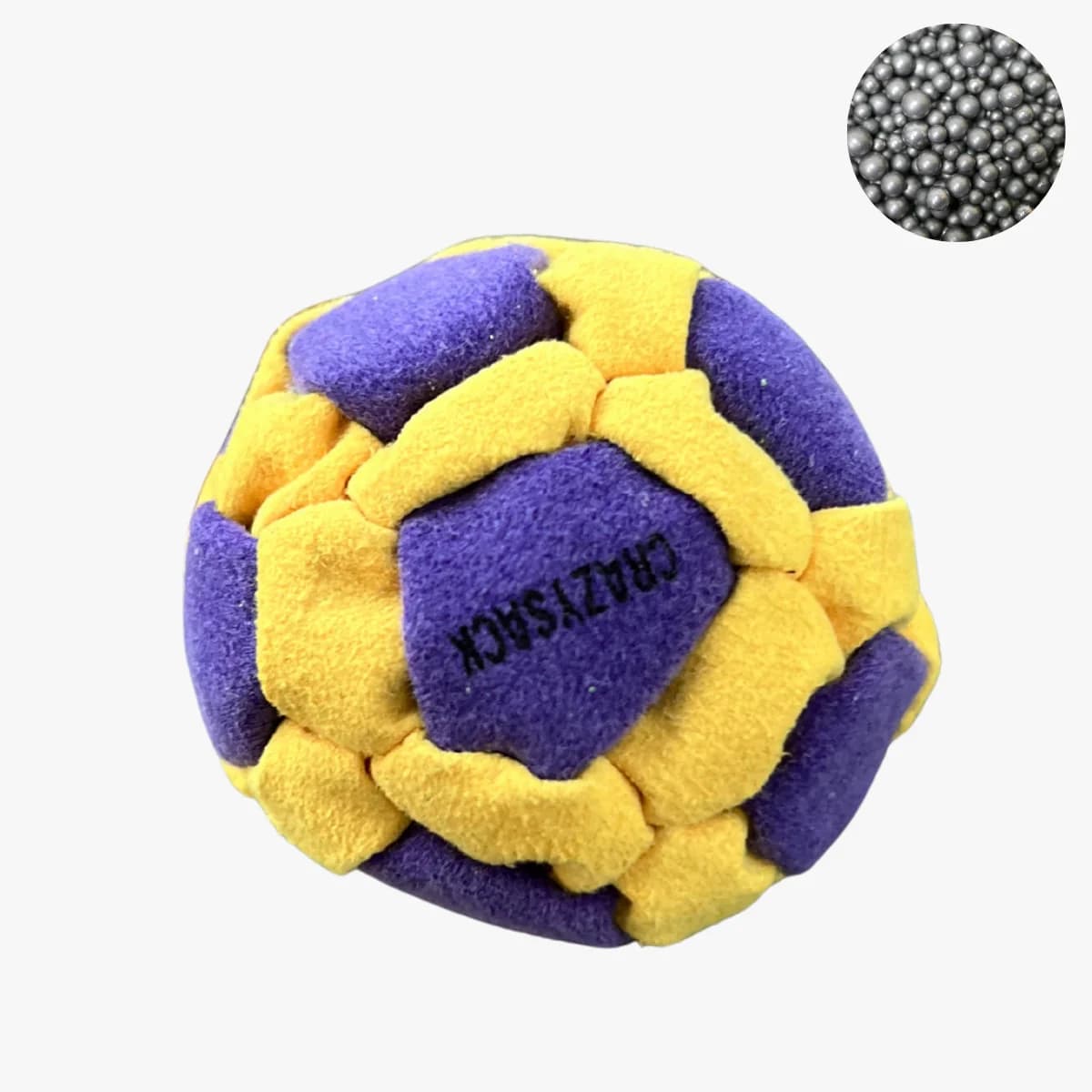
- Fill: Lead, plastic, or steel beads for predictable feel
- Shell: Microfibre or Amara-style leather for grip and life
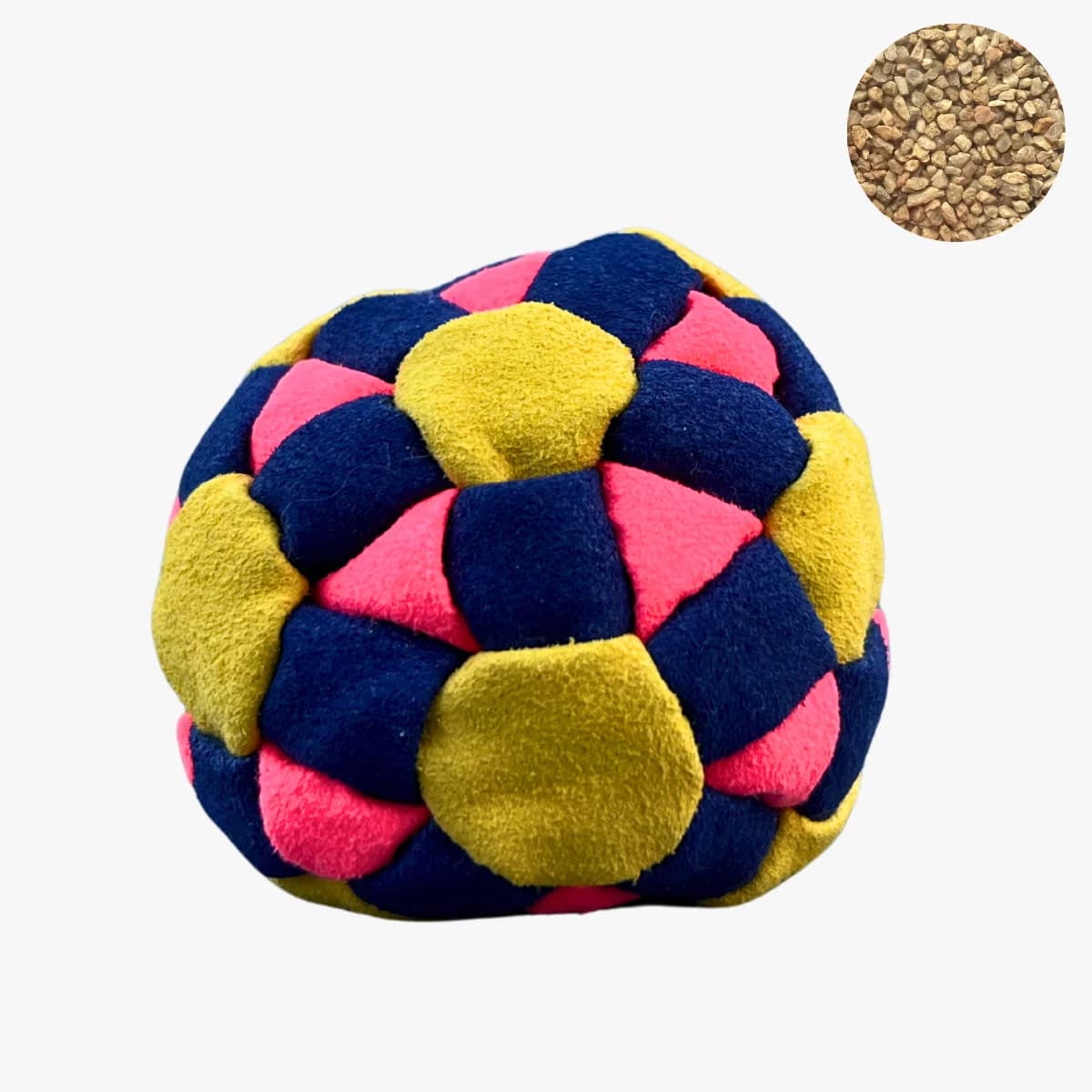
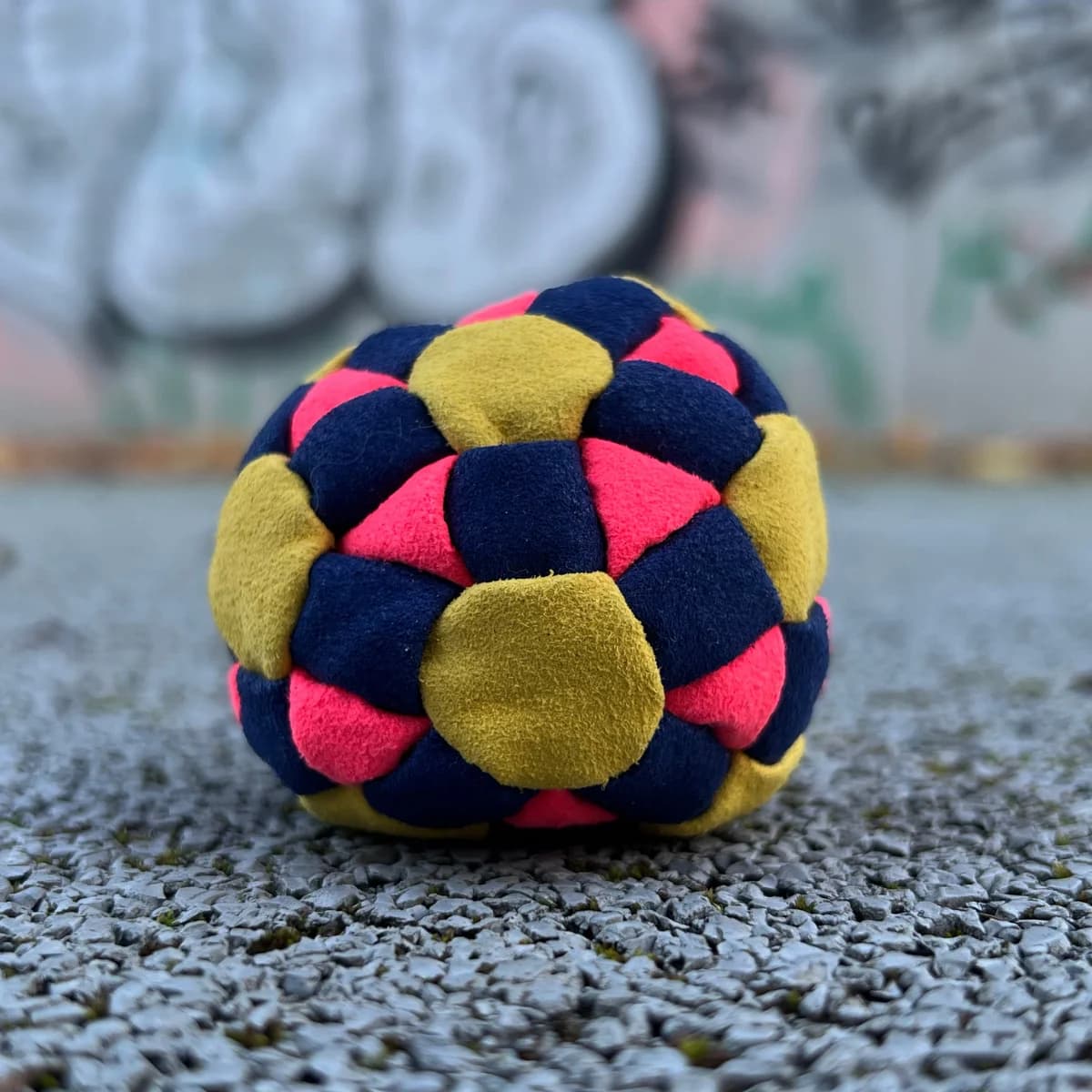
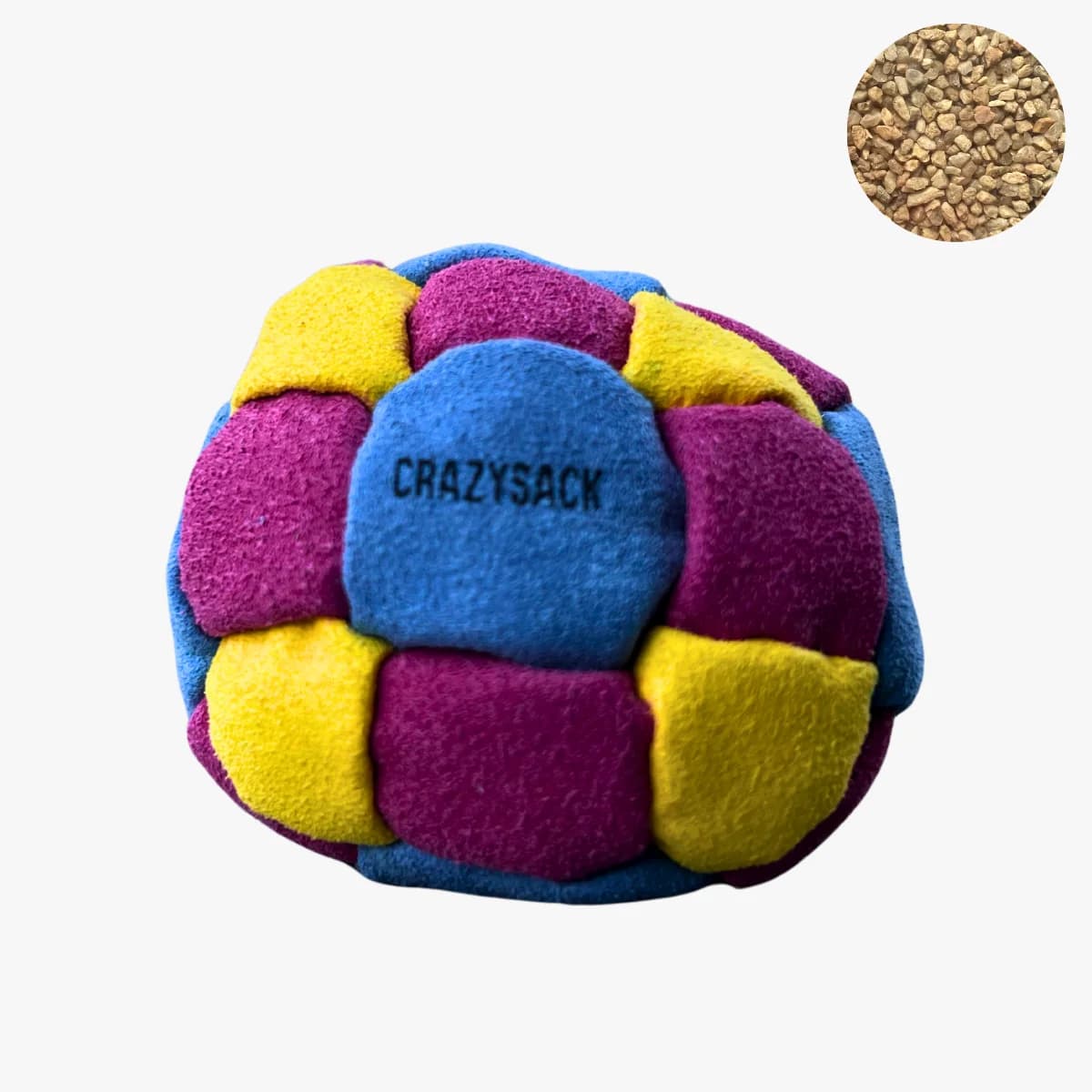
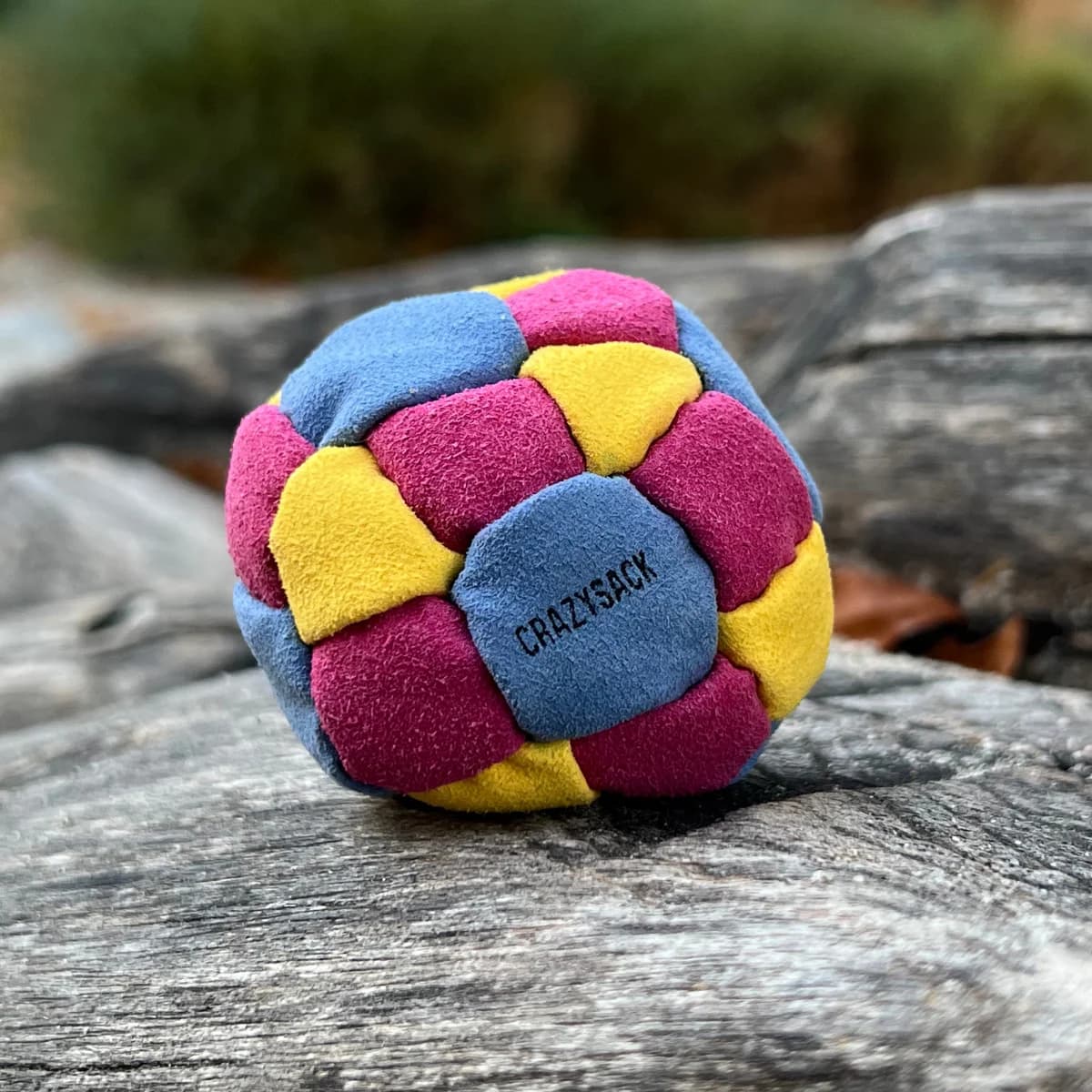
- Panels: 32+ for control and flight stability; many pros prefer 62 for precision
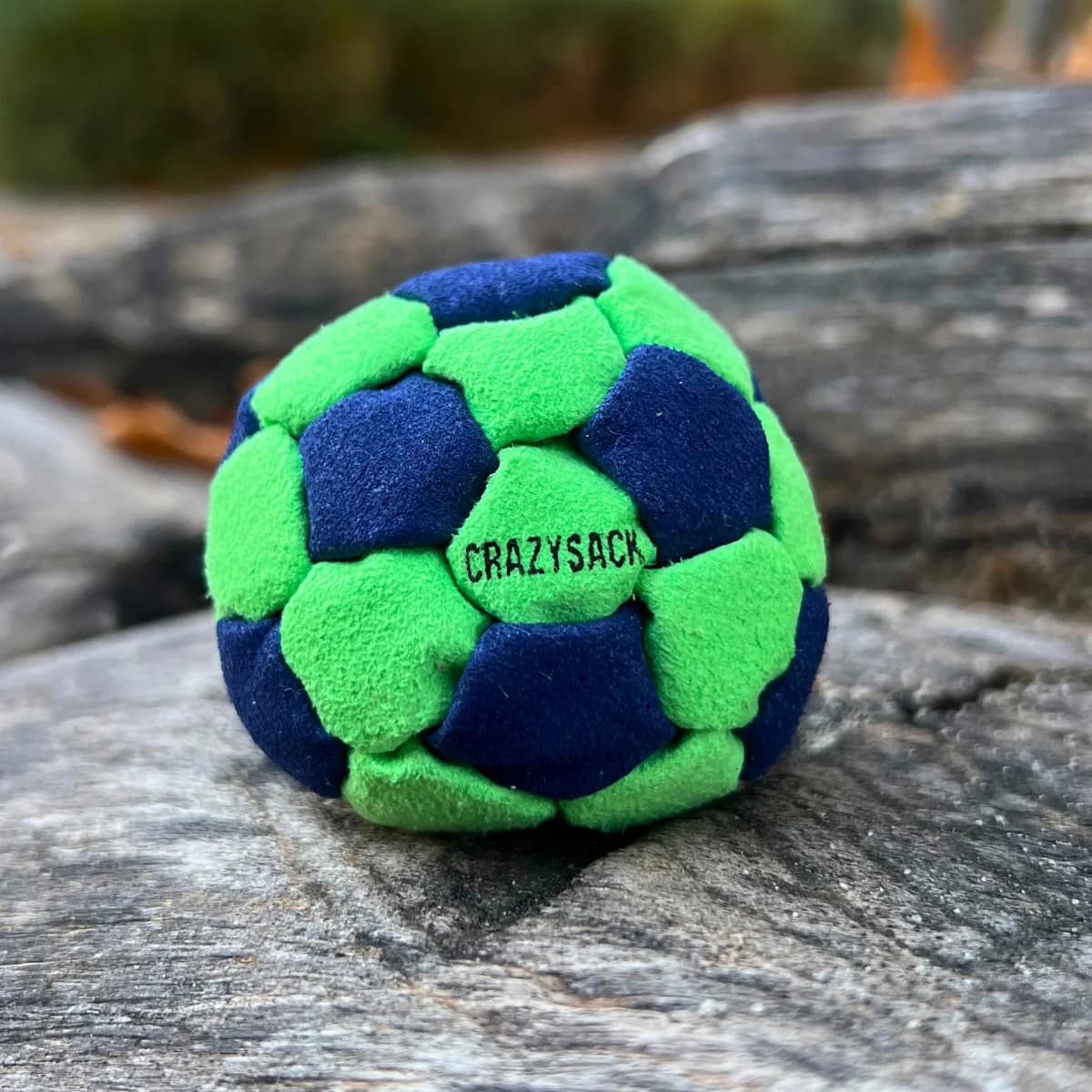
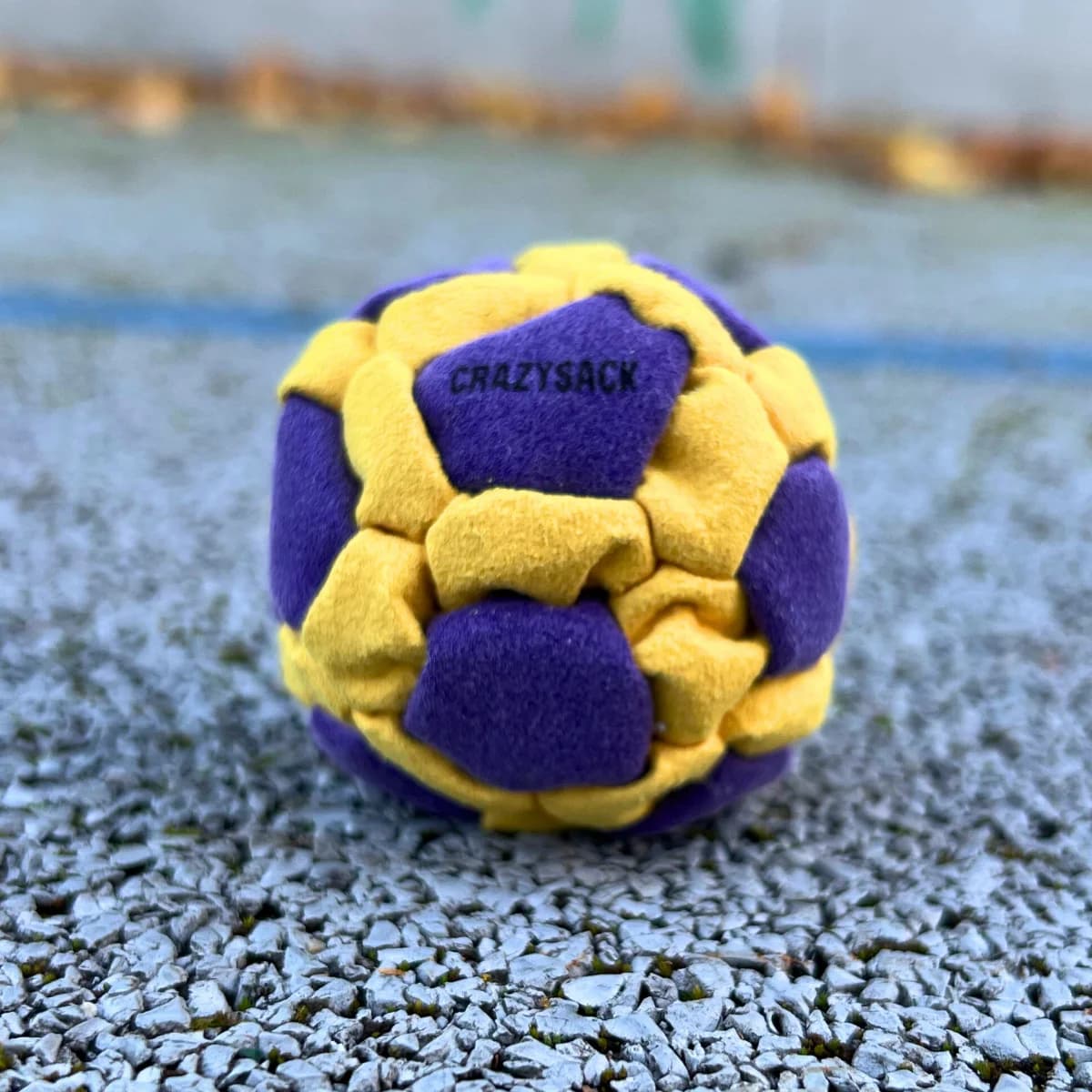
Beginners often start around 32 panels. Weight matters: too light floats; too heavy slows links. Compare freestyle builds in our shop.
Clothes and shoes
Light, breathable kit for freedom of movement. Shoes:
- Flat sole for toe tricks
- Cushioning for jumps and landings
- Flexible upper for surface feel
Adidas Rod Laver-style models and similar grippy toe boxes are scene favourites; barefoot shoes suit players chasing maximum sensitivity.
Tricks and technique
Beginner stalls
- Toe stall: Hold on the top of the foot
- Inside stall: Inside of the foot
- Outside stall: Outside of the foot
- Clipper: Side catch with the inside of the standing leg behind the other
These build bag feel and the strength for jumps and spins later.
Advanced combinations
- Butterfly: Bag travels outside-to-inside under the body
- Osis: Catch behind the back on the foot as the body turns away
- Whirl: Clipper family with extra leg rotation
Invent your own links — rhythm and body control grow with creativity. Music helps find flow.
Training that progresses
Practise with intent
- Clear goals per session (e.g. ten clean toe stalls)
- Short focused sets on hard moves
- Film yourself for honest feedback
Thirty to forty-five minutes most days beats rare three-hour thrash sessions. Rest enough to avoid overload.
Fixing common errors
- Video review
- Feedback from stronger players
- Slow-motion isolation drills
Stiff posture, wild kicks, and uneven leg work are classic. Patience plus precise reps clear them.
Sport and lifestyle
Community and contests
IFPA World Footbag Championships and regional events score freestyle on technique, creativity, and difficulty. Local jams prioritise sharing over ranking. The culture is usually welcoming — newcomers get tips, not gatekeeping.
Health upsides
Full-body work for endurance, coordination, and mobility; deep stabilisers wake up; balance and reaction improve; legs and core strengthen; focused rhythm helps stress. Relatively joint-friendly — few hard collisions.
Staying motivated — and going further
- Realistic goals and small celebrations
- Rotate drills so practice stays fresh
- Training partners or a local club
- Share progress online for feedback and ideas
Path toward competition: fixed routines, personal choreographies, regional contests for stage experience. Coaching and online communities help; presence and musical staging matter more at higher levels.
Closing
Hacky sack freestyle is sport, art, and lifestyle. Discipline and creativity get you a full training for body and mind — park circle, friends, or contest stage. Low entry barrier, open community. Catch the bug once and it stops feeling like “just a game.”
Matching footbags from our shop
Hand-stitched in Germany, ready to ship.
You might also like
Hacky Sacks for Outdoor Adventures: What You Need to Know
Pack a footbag for hikes, festivals, and park days — gear tips, fill types, weather-ready picks, and game ideas that fit any outdoor trip.
2 min read
Footbag Trends 2025: What You Need to Know
Retro revival, sustainable builds, smart sensors, freestyle and speed events — the footbag trends shaping 2025 for players and the wider community.
2 min read
Footbag Basics: Everything You Need to Know About Hacky Sacks
Footbag history, bag types, starter kicks, and why people still circle up with a hacky sack — a clear basics guide for new and returning players.
4 min read