Welcome to footbag
Footbag (hacky sack) is more than a playground kill-time. It is a coordination sport you can do alone or in a circle — casual keep-ups or serious freestyle. Beginners need little: a filled bag, some space, patience, and a clear path. This guide sticks to simple drills that build body awareness, balance, and technique so harder moves have somewhere to land. We also flag common mistakes that slow people down.
Gear that helps
Which footbag?
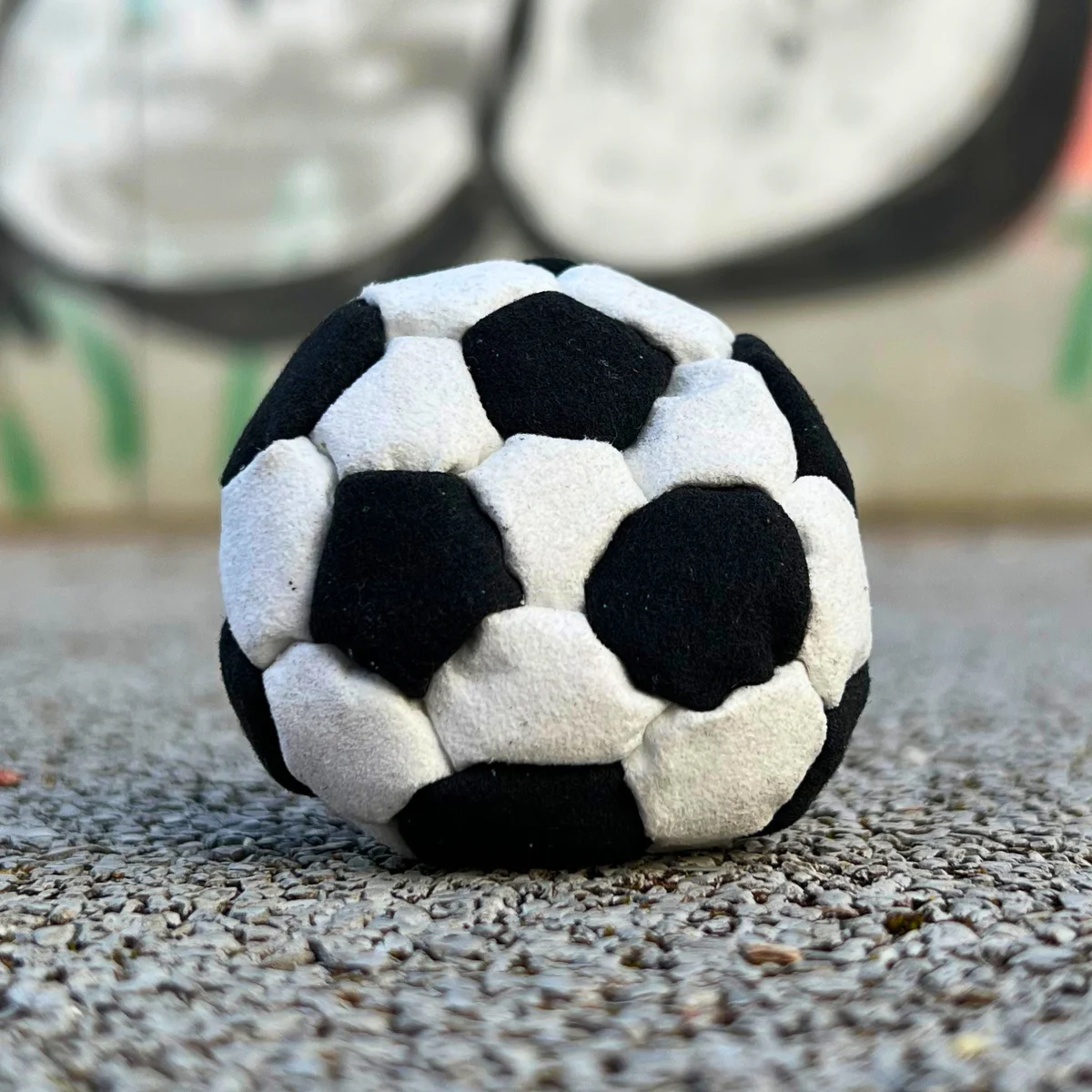
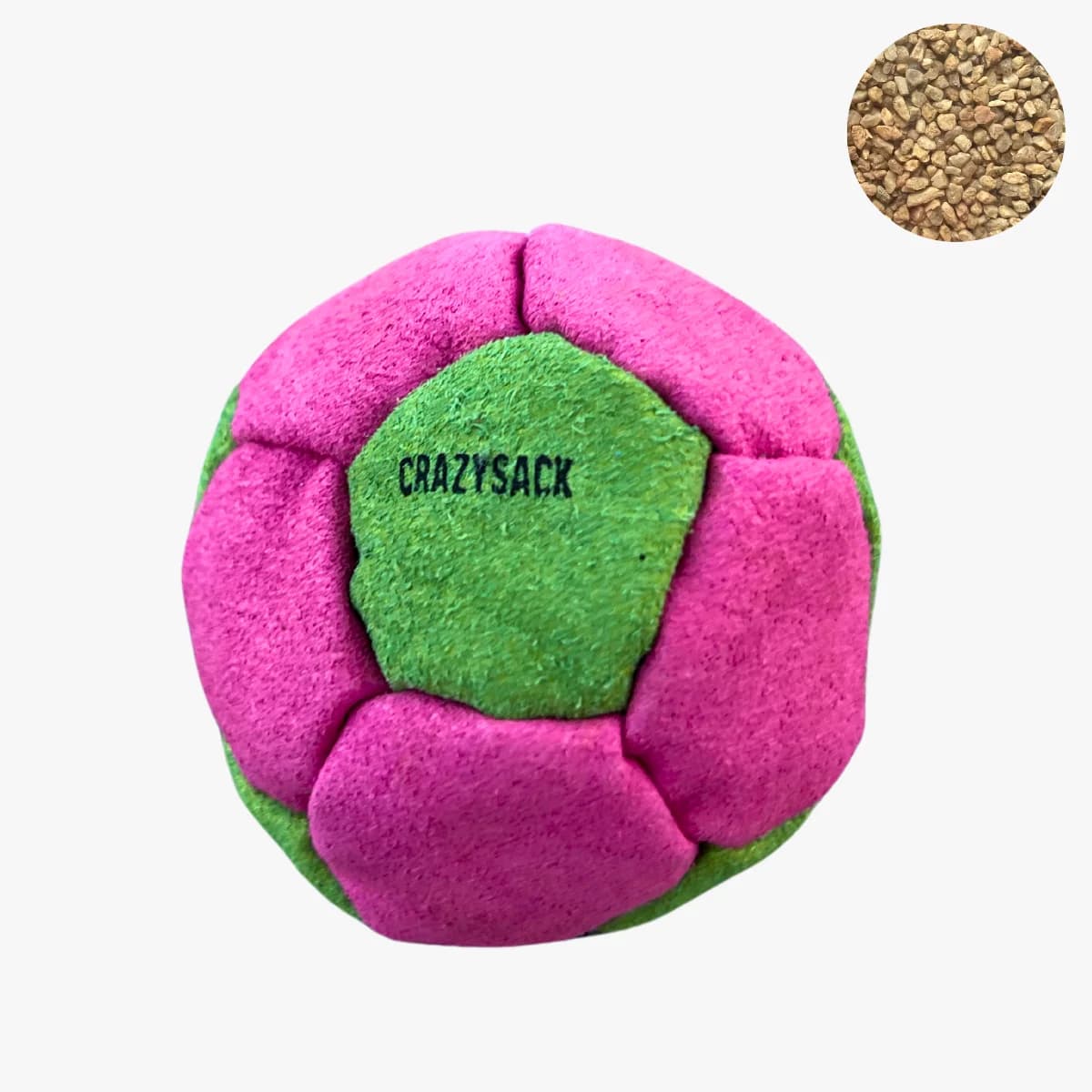
Start with a sand-style bag — sand or fine fill that sits flatter and “sticks” to the foot better than a bouncy bead bag.
- Diameter roughly 4.5–6 cm
- About 26–32 panels for a rounder shape
- Soft, grippy shell (suede or quality faux leather)
More panels → rounder → easier control. Avoid a hyper-springy bag while you learn contact.
Browse starter builds in our shop.
Which shoes?
Flat, grippy soles with little tread; a wide toe box helps. Smooth sidewalls help stalls. Indoor or skate shoes are the usual pick. Specialty footbag shoes can wait.
Stance and movement
Posture
- Upright with a slight forward lean
- Soft, bent knees
- Relaxed shoulders
- Feet about shoulder-width
Train both sides early — freestyle punishes one-footed habits.
Coordination drills
- Small on-the-spot hops for balance
- Slow alternate foot lifts for weight shift
- Left kick → right kick strings
Smooth transitions first; complexity later.
First tricks
Inside kick
The core move. Toss the bag about hip-high, open the leg slightly, meet it with the inside of the foot. Keep the foot relatively level; hit centre. Alternate feet.
Toe stall
“Park” the bag on the top of the foot. Toss to hip height, lift the foot to catch on the forefoot area, hold a beat. Quiet stalls unlock combos.
Foot delay
A short pause with the bag on a body part — often the foot held level. Toss, hold the foot horizontal, balance the bag. Shift weight slightly forward for a stable centre.
Training that moves the needle
Short and regular
- 3–5 sessions a week
- 20–30 minutes with breaks
- Mix technique drills and free play
Off days: watch a clean tutorial instead of doom-scrolling unrelated clips.
Log progress
Date, duration, tricks tried, hit rate, one focus for next time. Looking back beats guessing whether you improved.
Find people
Facebook/Discord groups, local circles, online contests — feedback and shared goals keep beginners from quitting in week two.
Mistakes to dodge
- Expecting day-one miracles — celebrate small clean contacts
- Muscle over technique — soft, precise kicks; quiet upper body; eyes on the bag
- Bad ground — prefer flat hall floors, smooth asphalt, or clean wood; avoid steep grass and slick tiles
Keep going
Inside kick, toe stall, and foot delay are enough to feel real progress and start linking moves. Pros started messy too. Bag in hand, music optional — play.
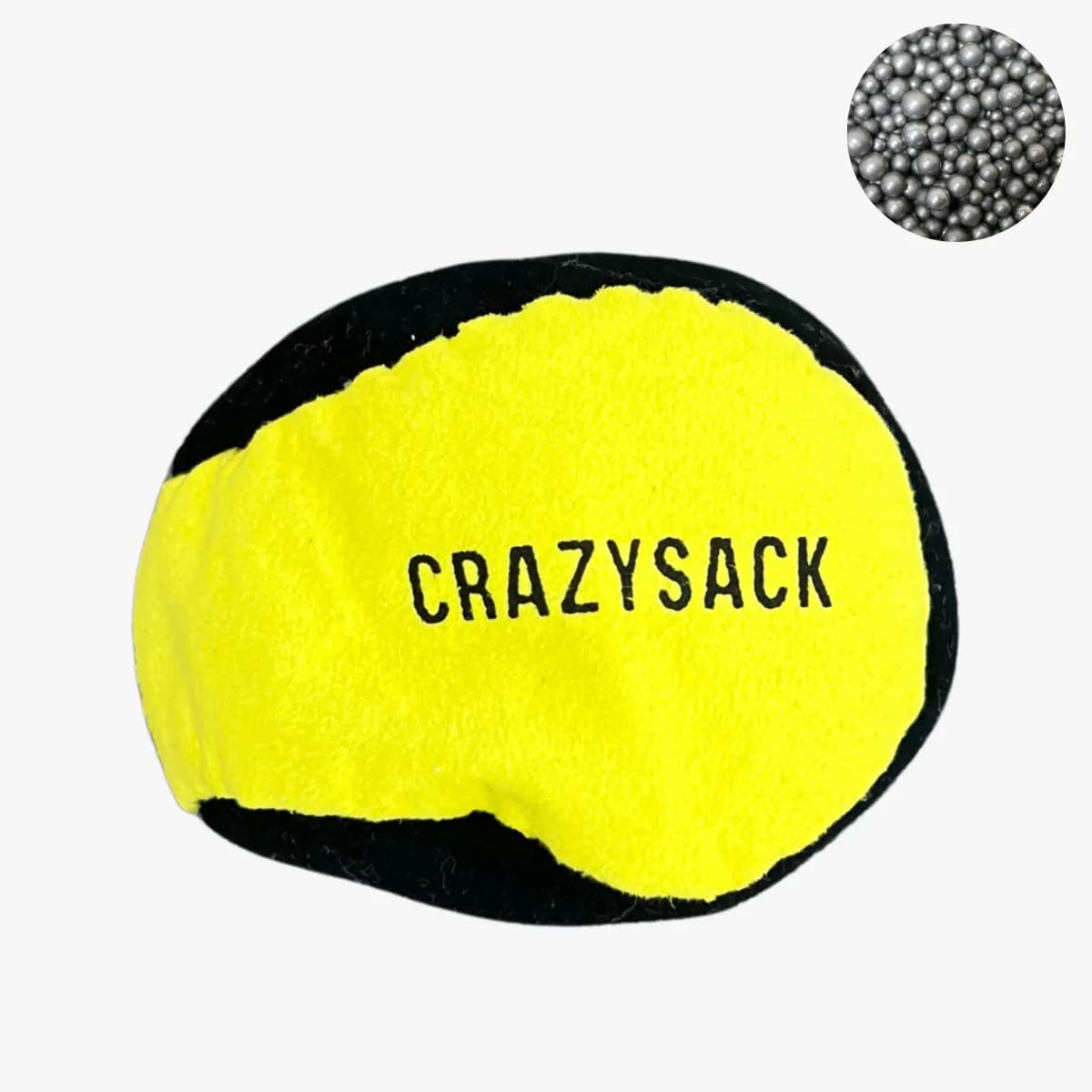
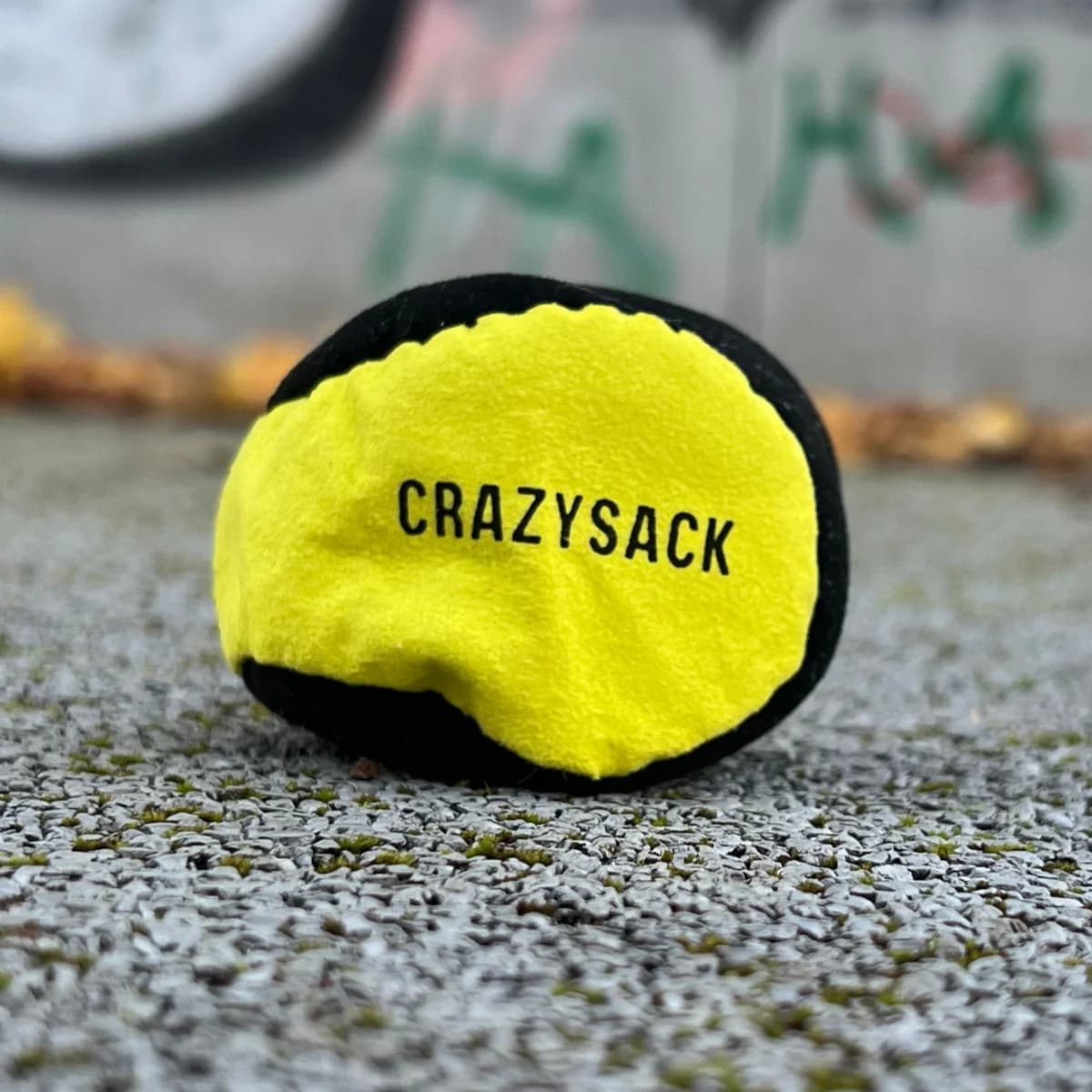
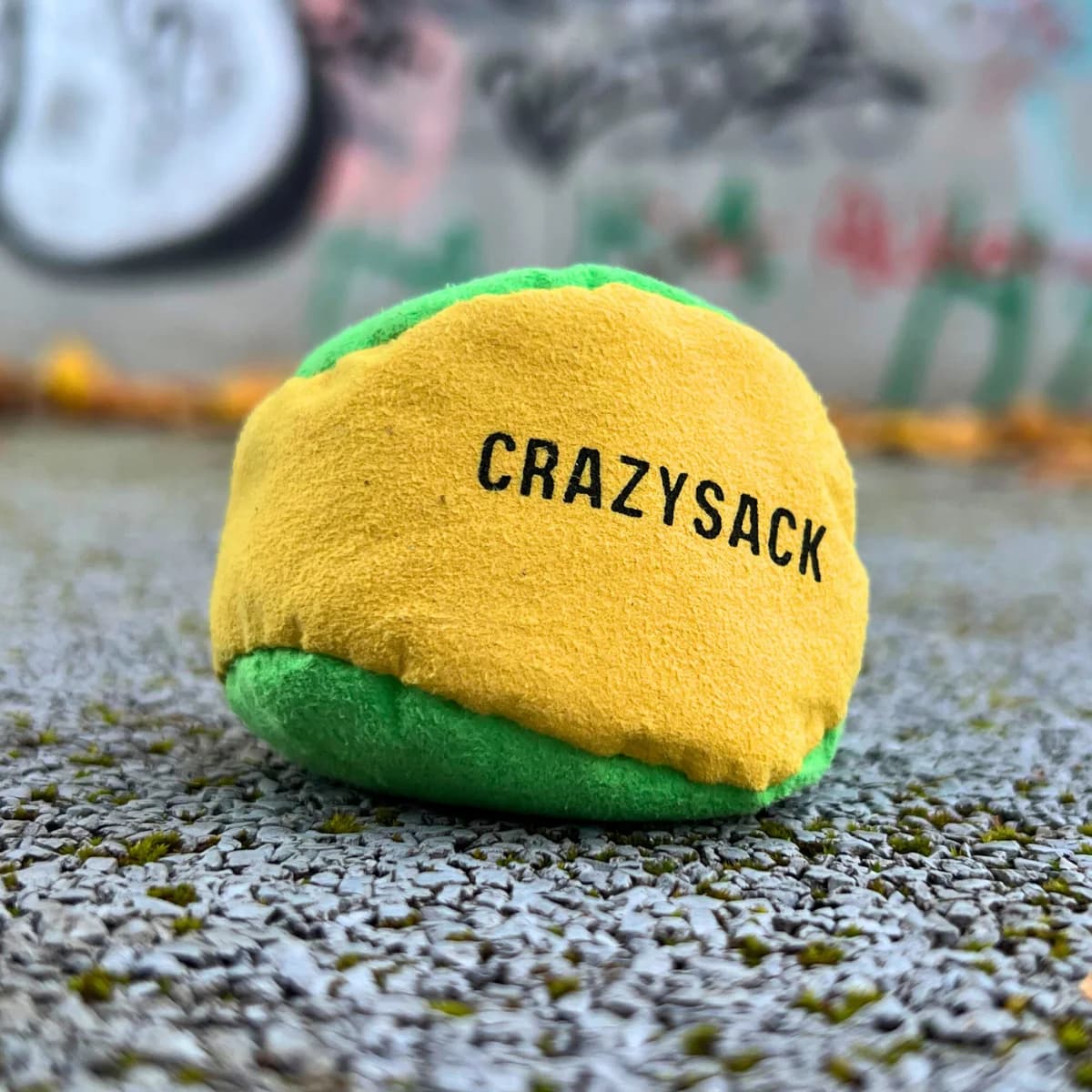
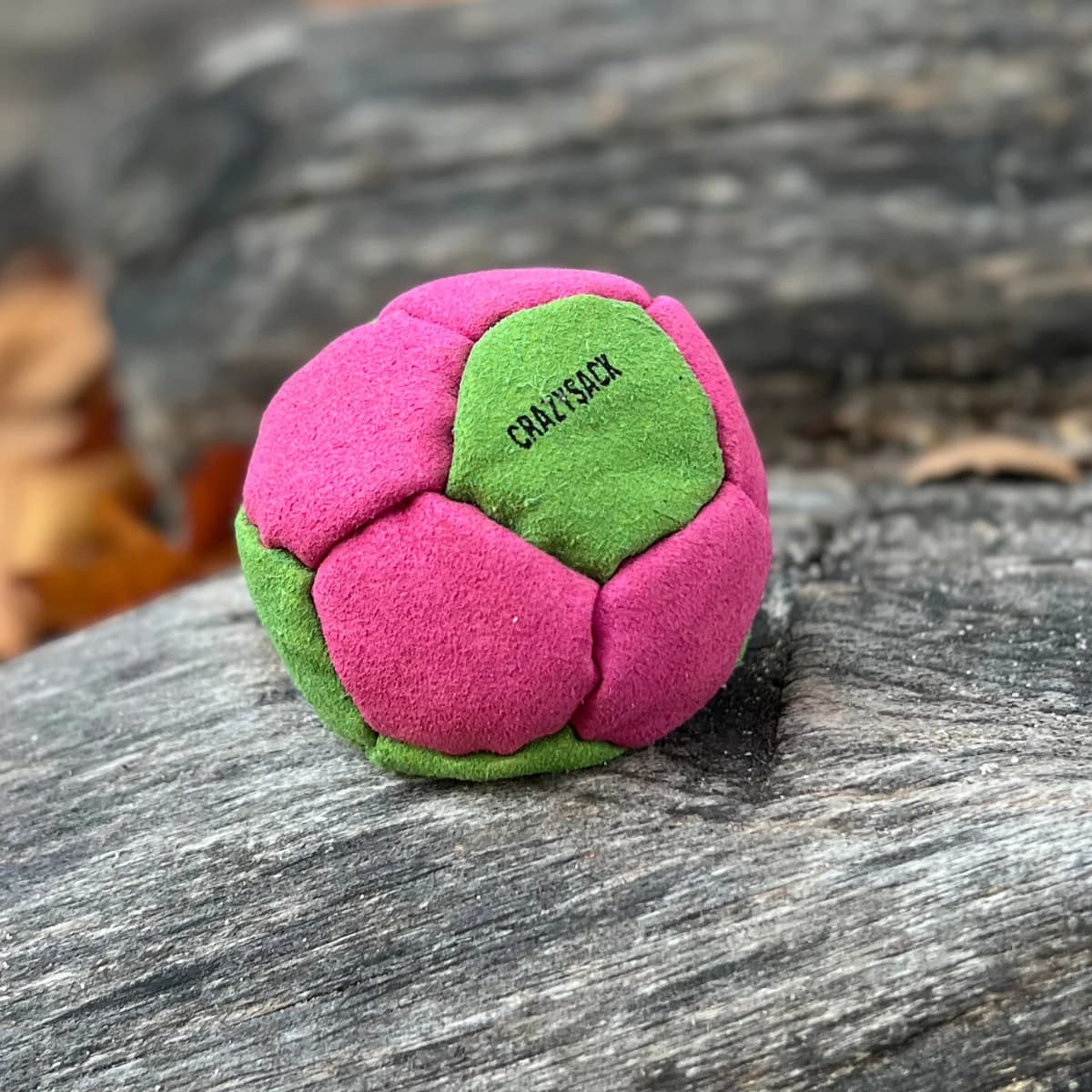
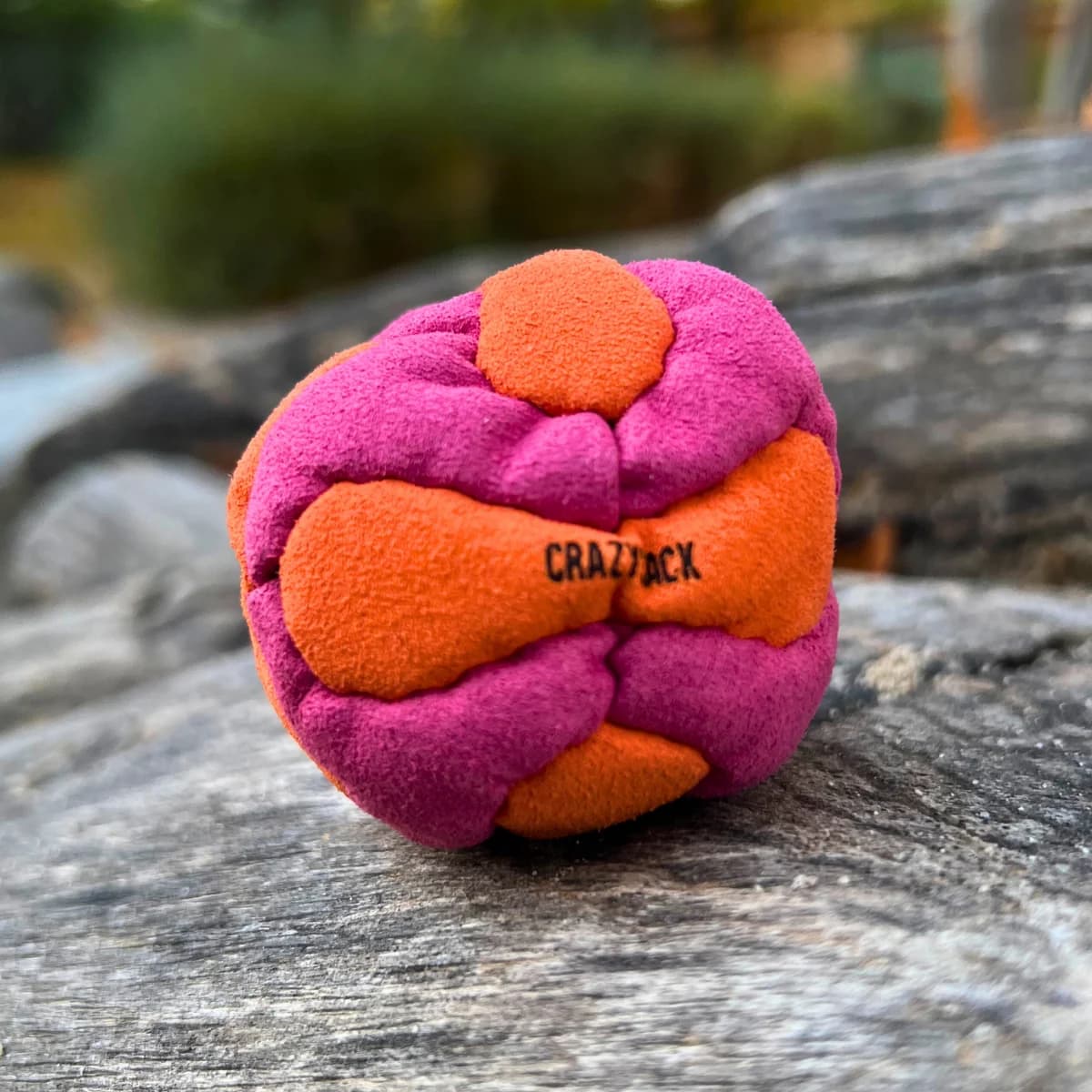
Matching footbags from our shop
Hand-stitched in Germany, ready to ship.


You might also like
The Best Footbag Tricks Anyone Can Learn
Beginner-friendly footbag tricks — stalls, kicks, Around the World, Clipper, Mirage — plus training tips to build combos without the overwhelm.
3 min read
How to Master Your First Hacky Sack Tricks
Learn beginner hacky sack tricks step by step — stalls, inside kicks, Clipper, and Around the World — with a simple practice plan that sticks.
3 min read
Best Training Methods for Footbag Freestyle Tricks
Structured footbag freestyle training — posture, control drills, warm-ups, trick progression, common mistakes, and mental habits that keep you improving.
2 min read