
Into the hacky sack world
What is hacky sack?
Hacky sack (footbag) is keeping a small sand- or pellet-filled bag in the air with your feet — from simple taps to freestyle combinations. It trains coordination, balance, and focus with almost no gear: a bag and a bit of space. Parks, beaches, festival lawns — if the ground is clear, you can play. The sport went mainstream in the 1970s US scene and now includes serious competition, but it still works as a pocket-sized hobby.
Why learn tricks?
Tricks turn “keep it up” into a craft. Regular practice sharpens motor control and reaction speed; each new move feels like a small win. Early progress can feel steep, then suddenly clicks.
- Stronger legs and better stamina
- Focus and mental calm under a simple goal
- Rhythm and body awareness
- A social skill — circles love sharing moves
Gear for beginners
The right first bag
Too light or too tiny makes learning harder. Prefer a sand-filled bag that sits flat and does not rocket off the foot.
- Tough synthetic or leather-style shell
- Sand or plastic pellets for usable weight
- About 5–6 cm diameter
- Even, round build
A little flex helps you feel the bag quickly. If you want a ready starter, check beginner-friendly models in our shop.
Clothes and shoes
Flat-soled indoor or skate-style shoes give a broad kicking surface. Soft shorts or joggers and a shirt you can move in beat tight jeans. Freedom of movement matters more than looking “sporty.”
Foundations
The stall — home base for freestyle
A stall stops the bag on the foot instead of kicking it away — usually on the instep or inside. Many tricks start here.
- Balance on one leg
- Raise the other so the top of the foot is roughly level
- Drop the bag from about chest height onto the instep
- Soften the catch; do not jab upward
Train both feet early. Symmetry pays off later.
Inside and outside kicks
- Inside kick — contact near the big-toe side of the foot; stable and controllable
- Outside kick — outer edge of the foot; harder, useful for redirects
Lift the bag gently so you can catch or continue. Smooth beats high.
First real tricks
Toe stall and Clipper
Toe stall — park the bag on the forefoot / toe area with toes slightly lifted, eyes on the bag, standing leg quiet.
Clipper — swing the kicking leg behind the standing leg and stall on the instep. Practise the swing empty before adding the bag; timing is the whole trick.
Around the World — the first “wow” move
Kick (often inside), circle the leg around the rising bag, then kick or stall again. Half-circles come first; full clean circles come with reps. Timing over drama.
Practice that compounds
Frequency over marathon sessions
Ten to twenty minutes most days beats one long weekly grind.
- Mon–Fri: 15 min basics (kicks, stalls)
- Saturday: 30 min trick focus (toe stall, Clipper, ATW)
- Sunday: light play or watch skilled players
Phone videos of yourself are ruthless and useful.
Mistakes to catch early
- Rushed, thrashing kicks
- Only practising your strong foot
- Collapsed posture
- Sending the bag too high too soon
Flat, controlled paths teach faster than sky kicks.
Toward freestyle combinations
Link what you already own:
- Inside kick
- Toe stall
- Around the World
- Clipper
Longer chains build timing and rhythm. Stay curious: online circles, local meetups, and short weekly goals (“one new trick”) keep the hobby alive longer than grinding alone.
With patience and soft contact, those first hacky sack tricks stop feeling impossible — they become the warm-up before the next one.
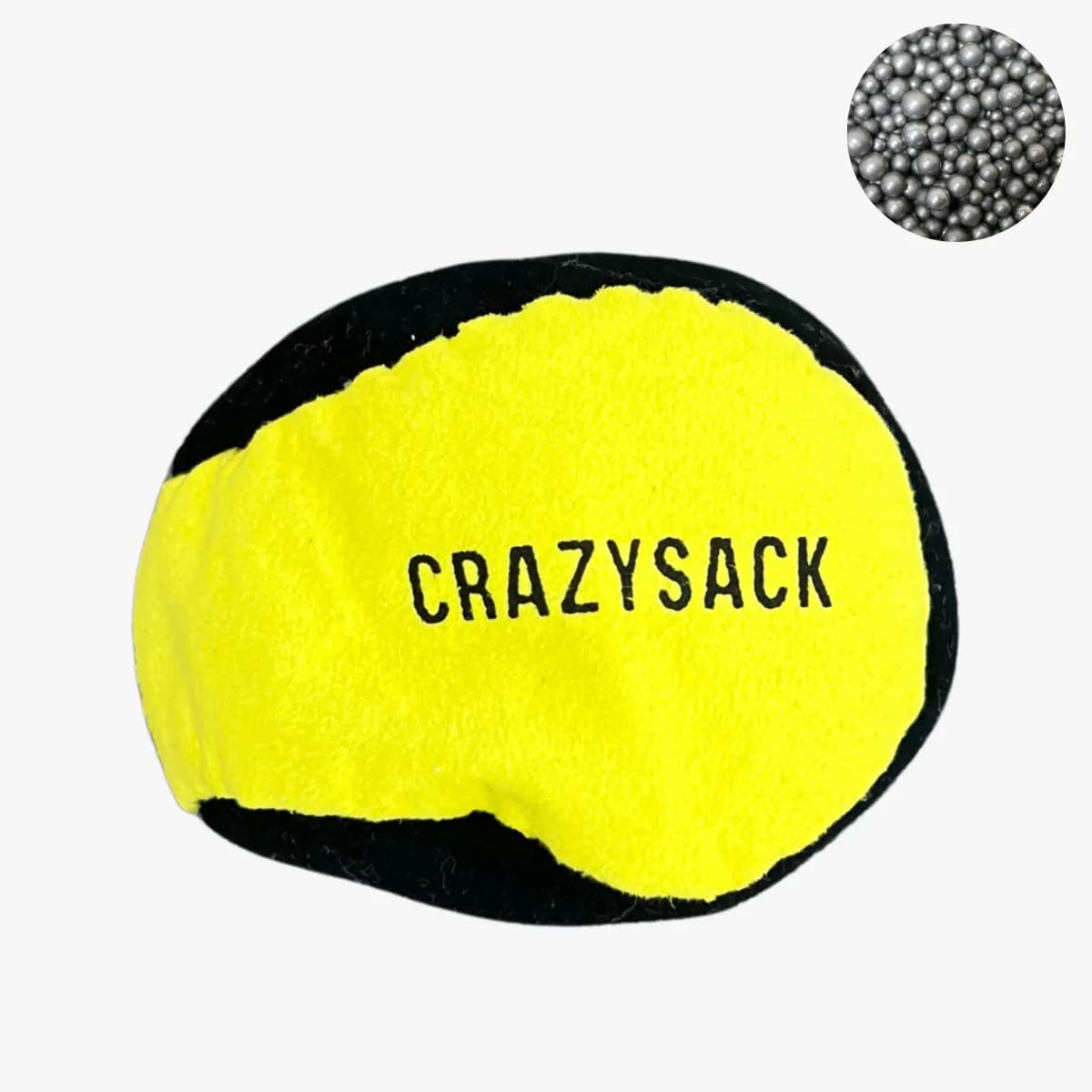
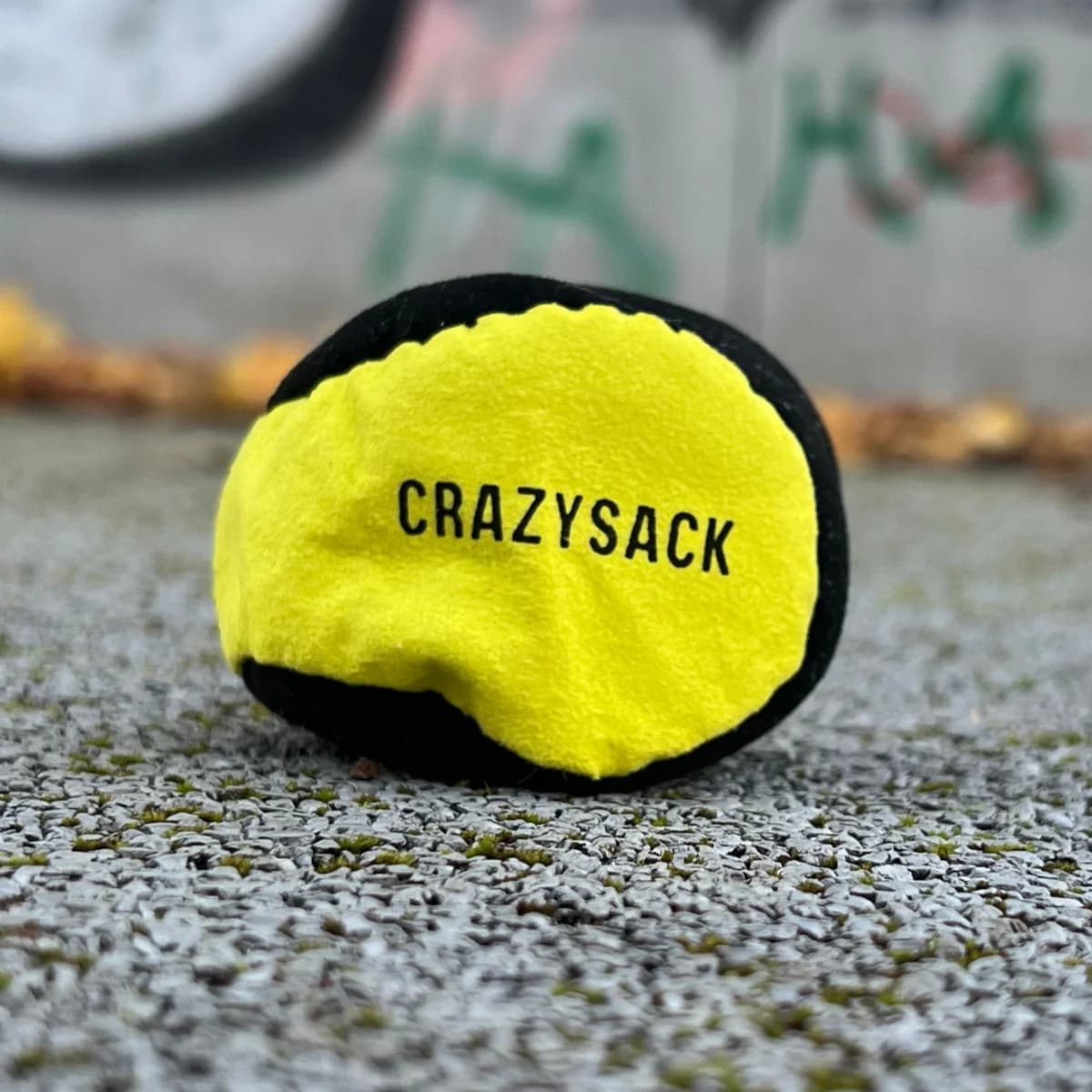
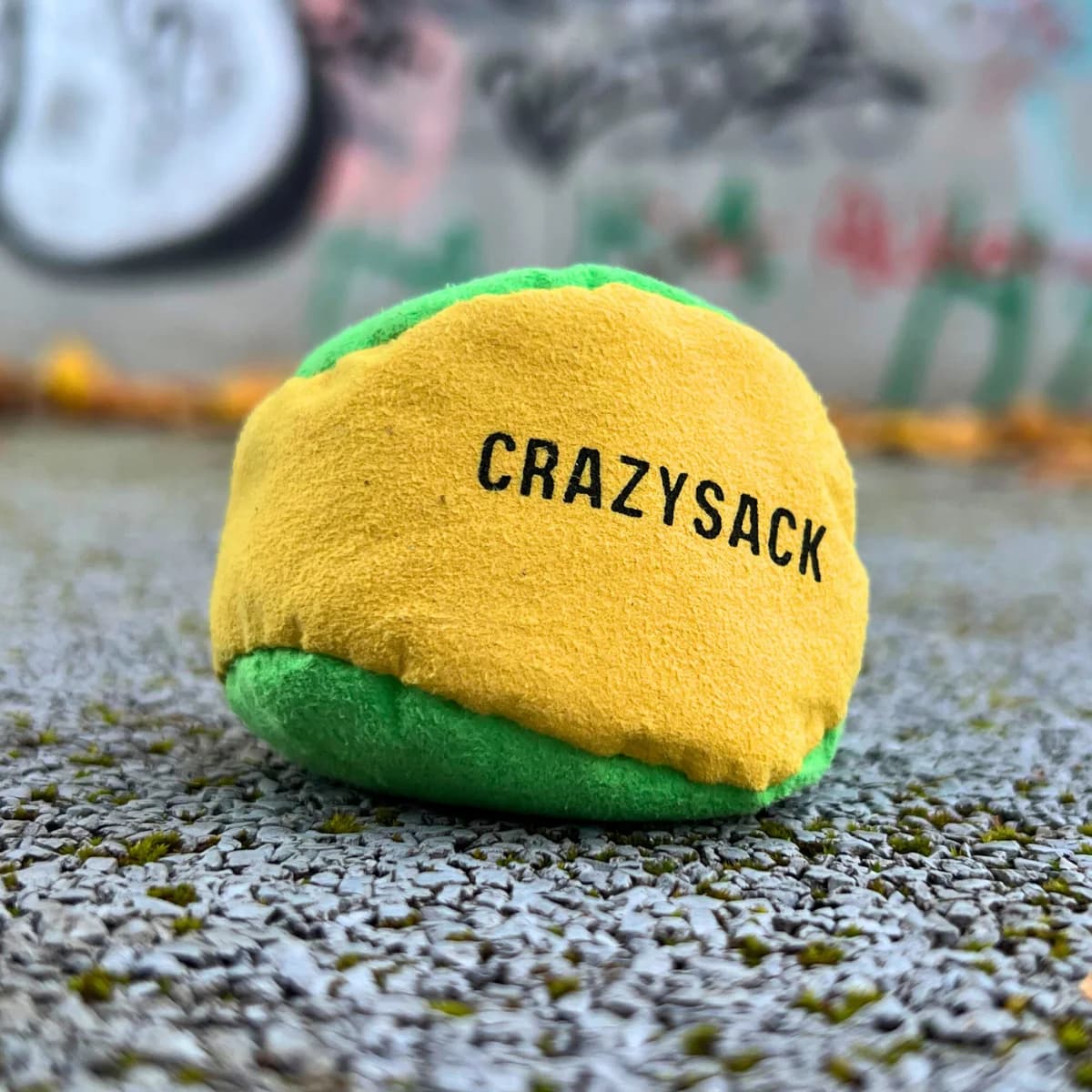
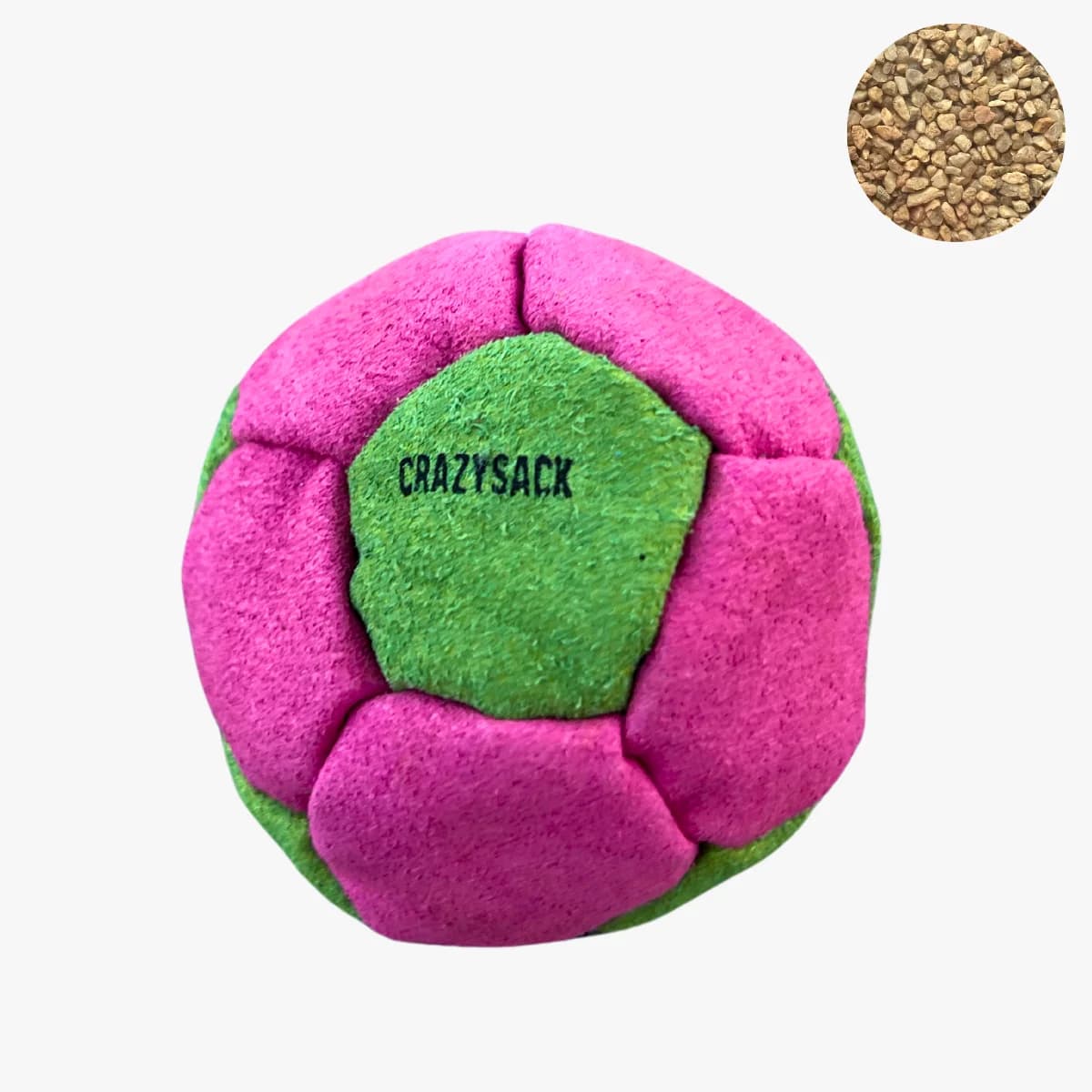
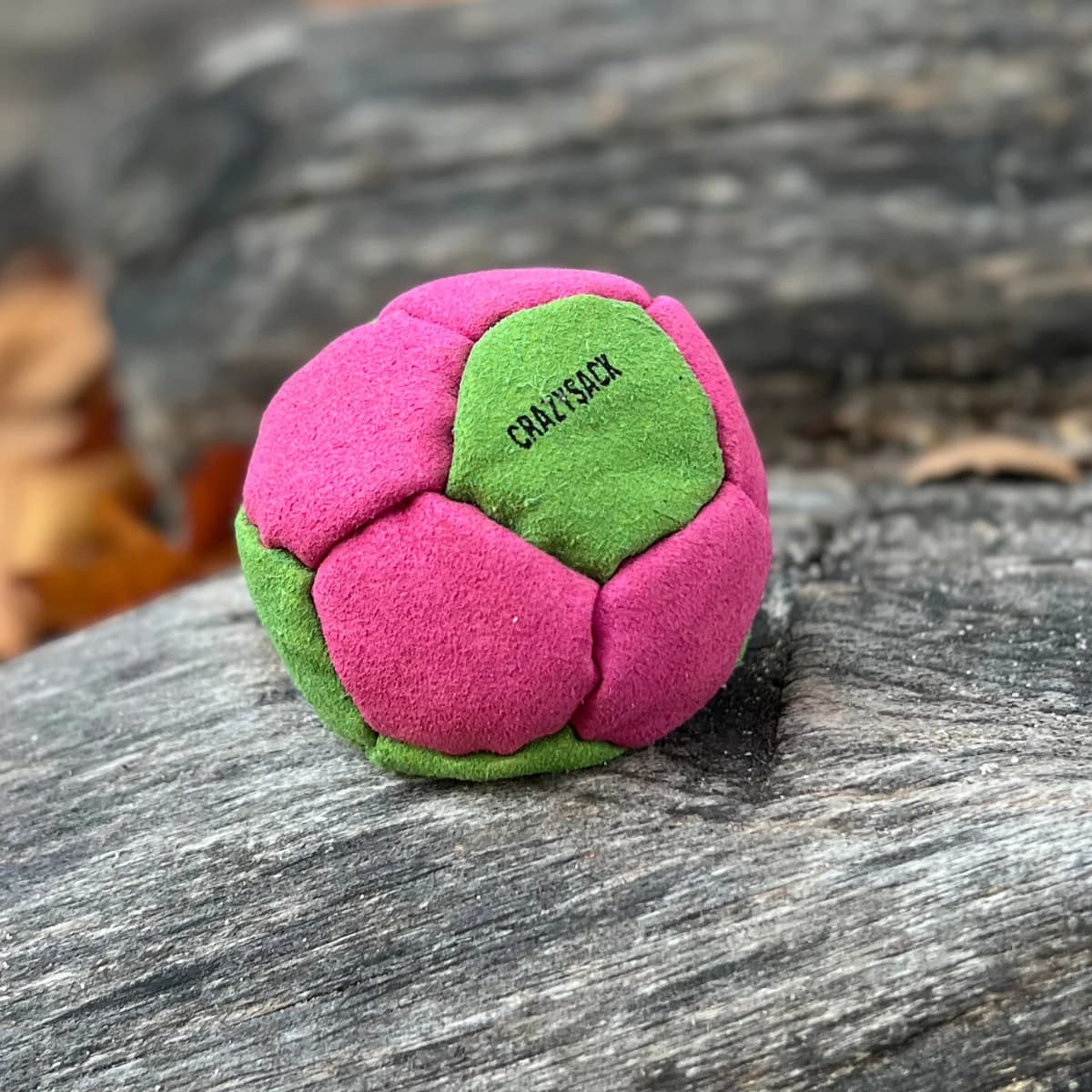
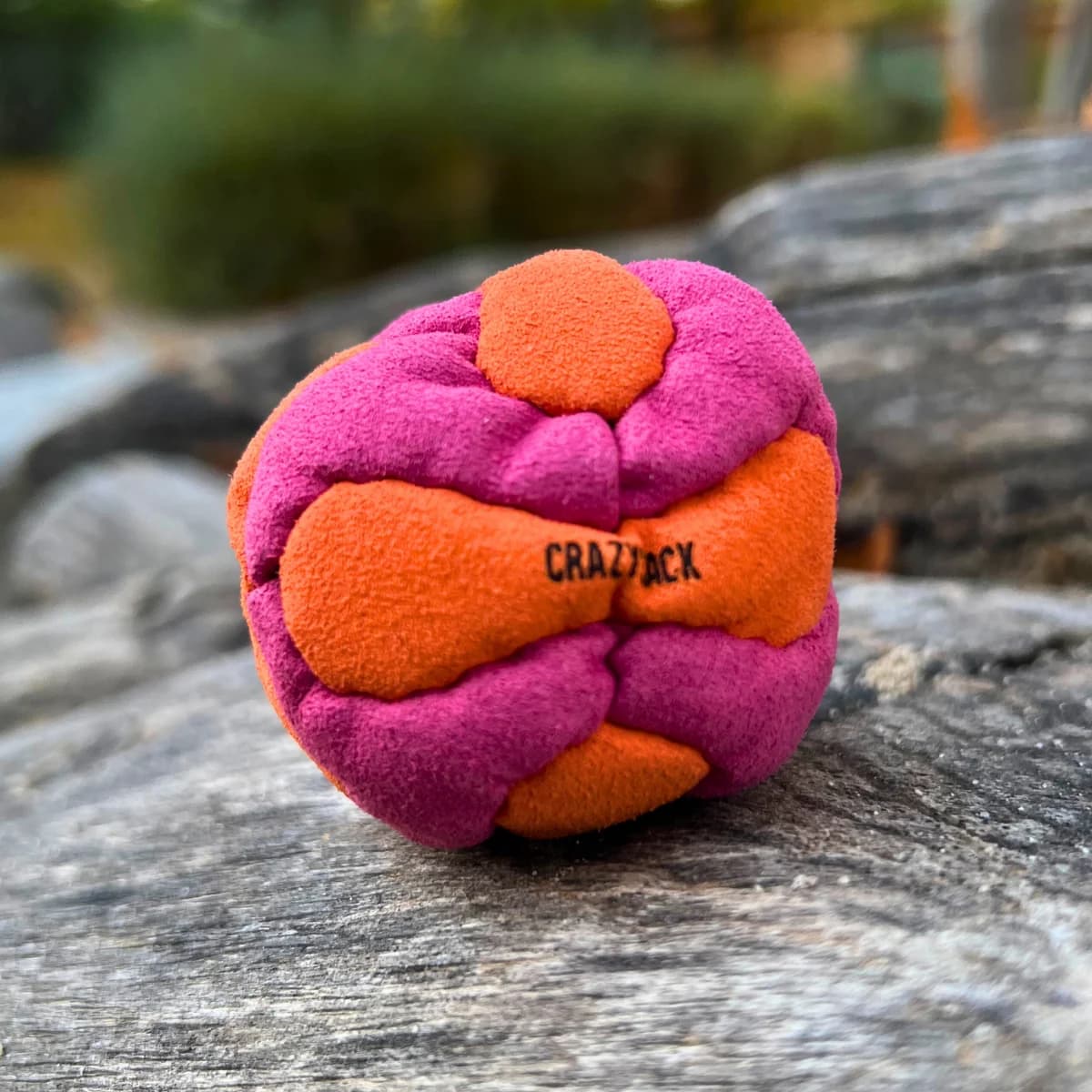
Matching footbags from our shop
Hand-stitched in Germany, ready to ship.


You might also like
The Best Footbag Tricks Anyone Can Learn
Beginner-friendly footbag tricks — stalls, kicks, Around the World, Clipper, Mirage — plus training tips to build combos without the overwhelm.
3 min read
Footbag Tricks for Beginners: A Simple How-To
Learn beginner footbag tricks step by step — gear, stance, inside kick, toe stall, and foot delay — so your first moves feel clean, not chaotic.
3 min read
Best Training Methods for Footbag Freestyle Tricks
Structured footbag freestyle training — posture, control drills, warm-ups, trick progression, common mistakes, and mental habits that keep you improving.
2 min read