
Why learn hacky sack?
Hacky sack — or footbag — rewards coordination, timing, and a bit of stubborn practice. Solo or in a circle, the goal is simple: keep a small sand- or pellet-filled bag in the air with your feet. That simplicity is why beginners can join quickly, and why the skill ceiling stays interesting for years.
This guide walks from first contact to the tricks worth learning early, plus how to play with others without chaos. Soft kicks beat heroic ones. Clean contact beats height.
What you need to start
Gear that helps
Not every bag behaves the same. Beginners usually want something soft that falls a little slower and does not rocket off the foot.
- Soft footbag — Easier to track and catch again; less bounce surprises.
- Flat-soled shoes or barefoot — More feel for where the bag lands on the foot.
- Clothes you can move in — Tight jeans and stiff jackets fight every stall.
Unsure which bag to buy? Start with a forgiving beginner-friendly model in our shop, then change fill or panel count once you know how you like the bag to sit on the foot.
Where to practise
- Outside — Flat grass or soft ground forgives early drops.
- Inside — Clear breakables and give yourself a few metres of open floor.
- Low wind — Gusts turn a calm drill into random physics.
Once the basics feel natural, you can play almost anywhere. For the first sessions, quiet space wins.
First steps and fundamentals
Stance
Stand tall with soft knees, feet about shoulder-width, arms free for balance. Locked joints and hunched shoulders make every miss worse.
- Shoulder-width base, knees slightly bent
- Upright torso, relaxed shoulders
- Stay loose — tension steals reaction time
First contact
Drop the bag from about hip height onto the top of the foot (the instep / “toe” area for stalls). Do not chase rallies yet. Clean lifts matter more than keeping a long string.
- Drop, catch on the foot, reset
- Switch feet so both sides learn the feel
- Ignore “how many kicks” until the contact is quiet
Patience here pays off later. A week of soft drops beats a day of angry volleys.
Best beginner tricks
Inside kick
The foundation move. Use the inside of the foot to send the bag straight up in front of you.
- Let the bag fall slightly to one side
- Meet it with the inside of the foot
- Aim for a vertical lift, not a punt downfield
Drill both feet until the bag returns to a predictable spot. Almost every combo builds on this kick.
Stall
A stall is when the bag rests on your foot instead of bouncing away. It looks small; it unlocks freestyle later.
- Drop from the hand onto the top of the foot
- Soften the catch by lowering the foot a little on contact
- Hold balance until the bag sits still
If the bag slides off immediately, you are stabbing upward. Catch, then settle.
Common mistakes
Too much power
Hard kicks send the bag out of your radar. Soft, precise contact keeps it in the circle of control.
- Think “lift,” not “blast”
- Use the foot surface, not a toe poke
- Practise low kicks before high ones
Losing balance
Eyes lock on the bag; the body tips. Keep a sense of the whole stance.
- Arms lightly out for counterbalance
- Check posture between attempts
- Slow the movement until the pattern sticks
Stable base first, fancy links second.
Playing in a group
The circle
Stand in an even ring with enough space to kick without colliding. Pass to someone else on purpose — circle play trains placement, not only solo juggle time.
- Even spacing
- Call or eye-check before a hard pass
- Simple goals: five shared kicks, then ten
Tiny contests
Friendly challenges keep practice from going stale:
- Longest rally
- Most inside kicks in a row
- Best single trick attempt (even if it fails halfway)
The point is reps with a smile, not a podium.
Keep going
Master soft inside kicks and a calm stall, then add height and links. When you want a bag tuned for learning rather than fighting you, pick a soft beginner footbag from our collection and give it regular short sessions — ten focused minutes beat an hour of frustrated smashes.
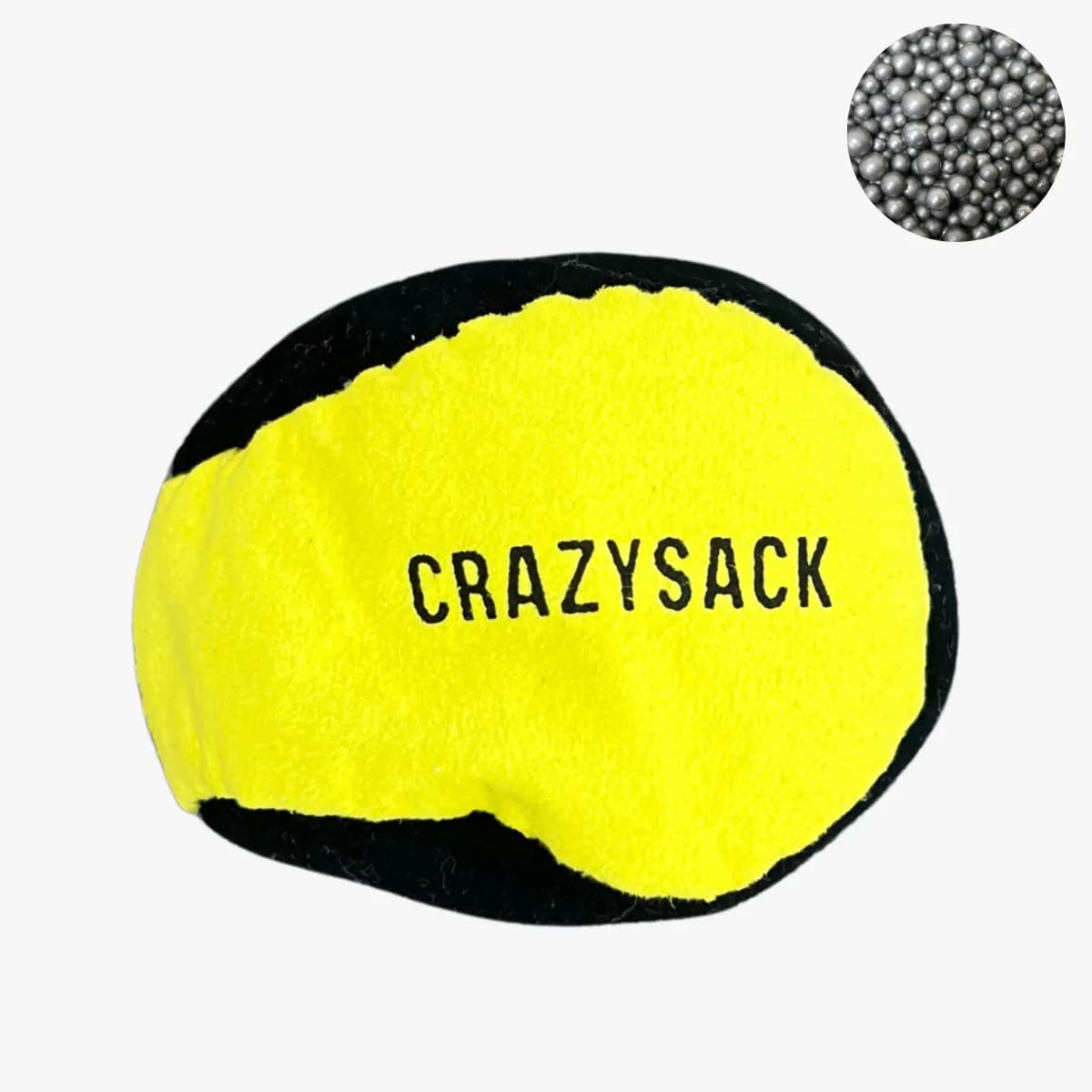
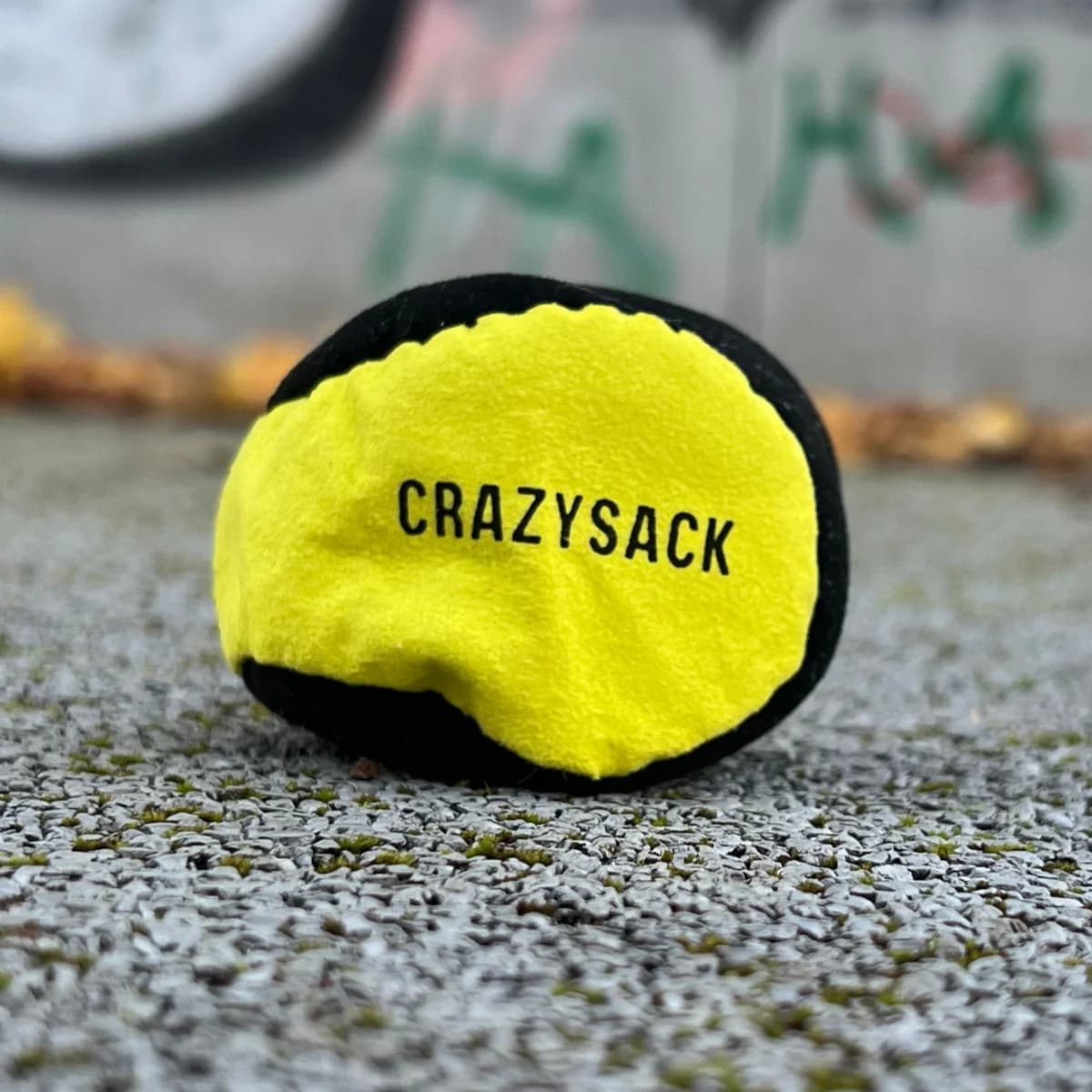
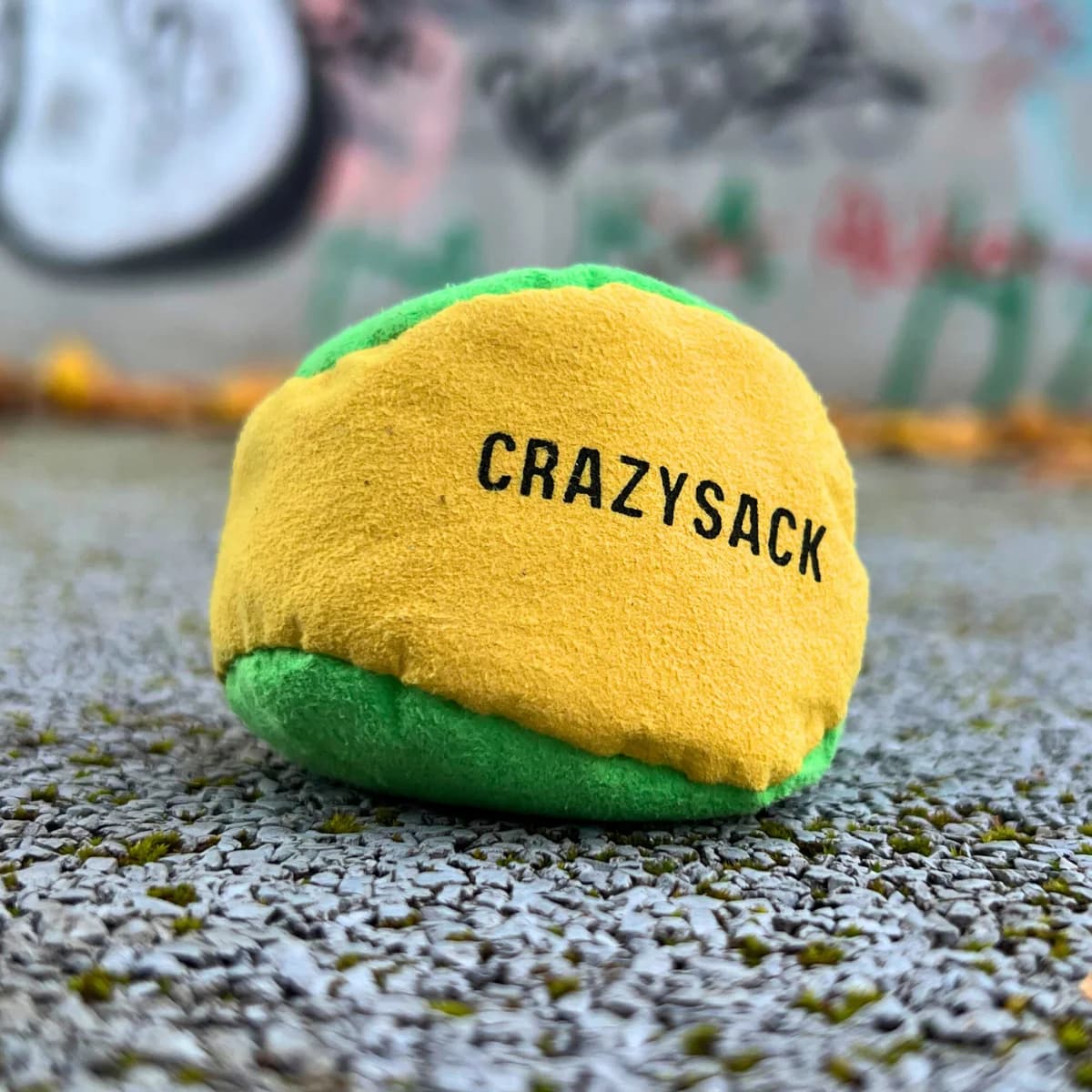
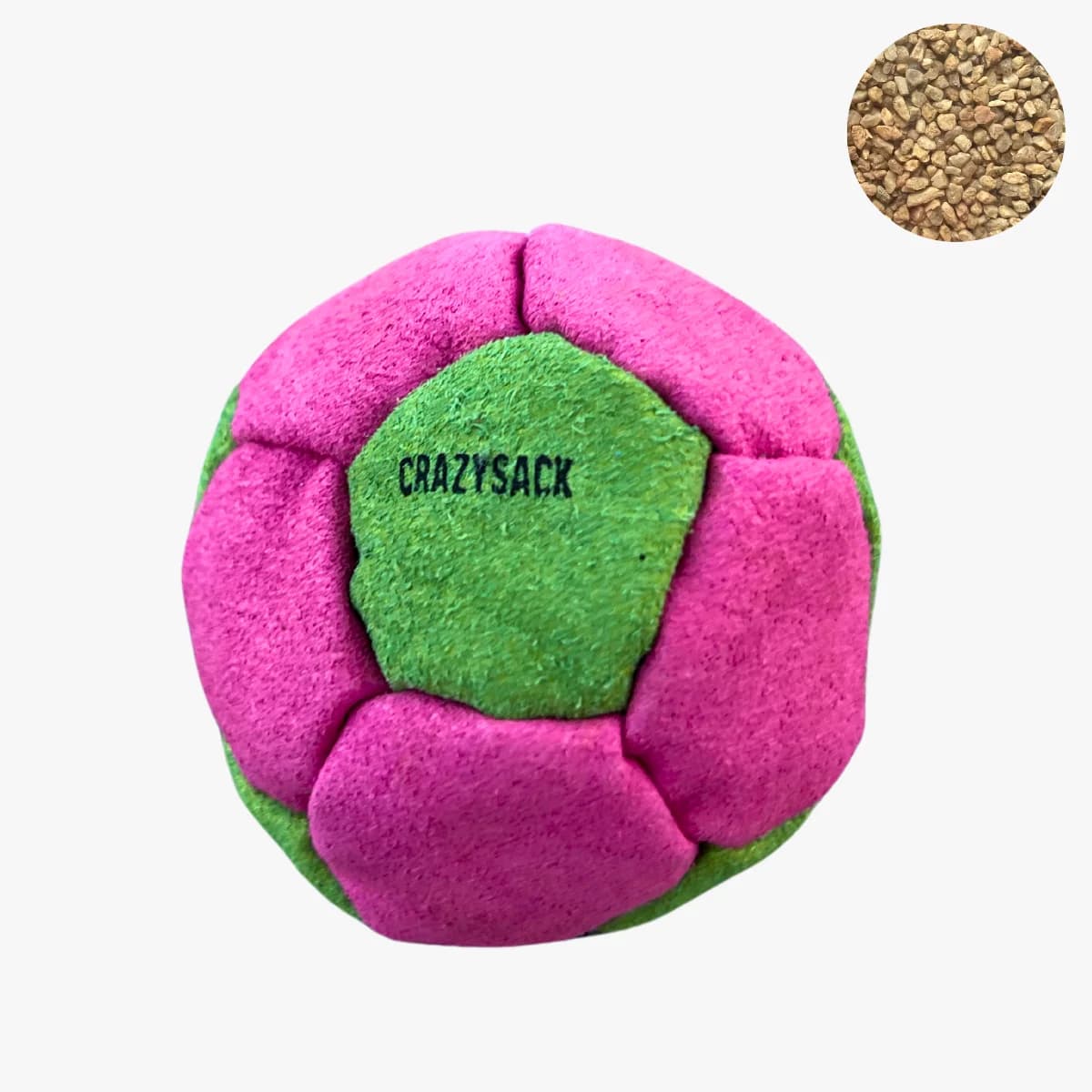
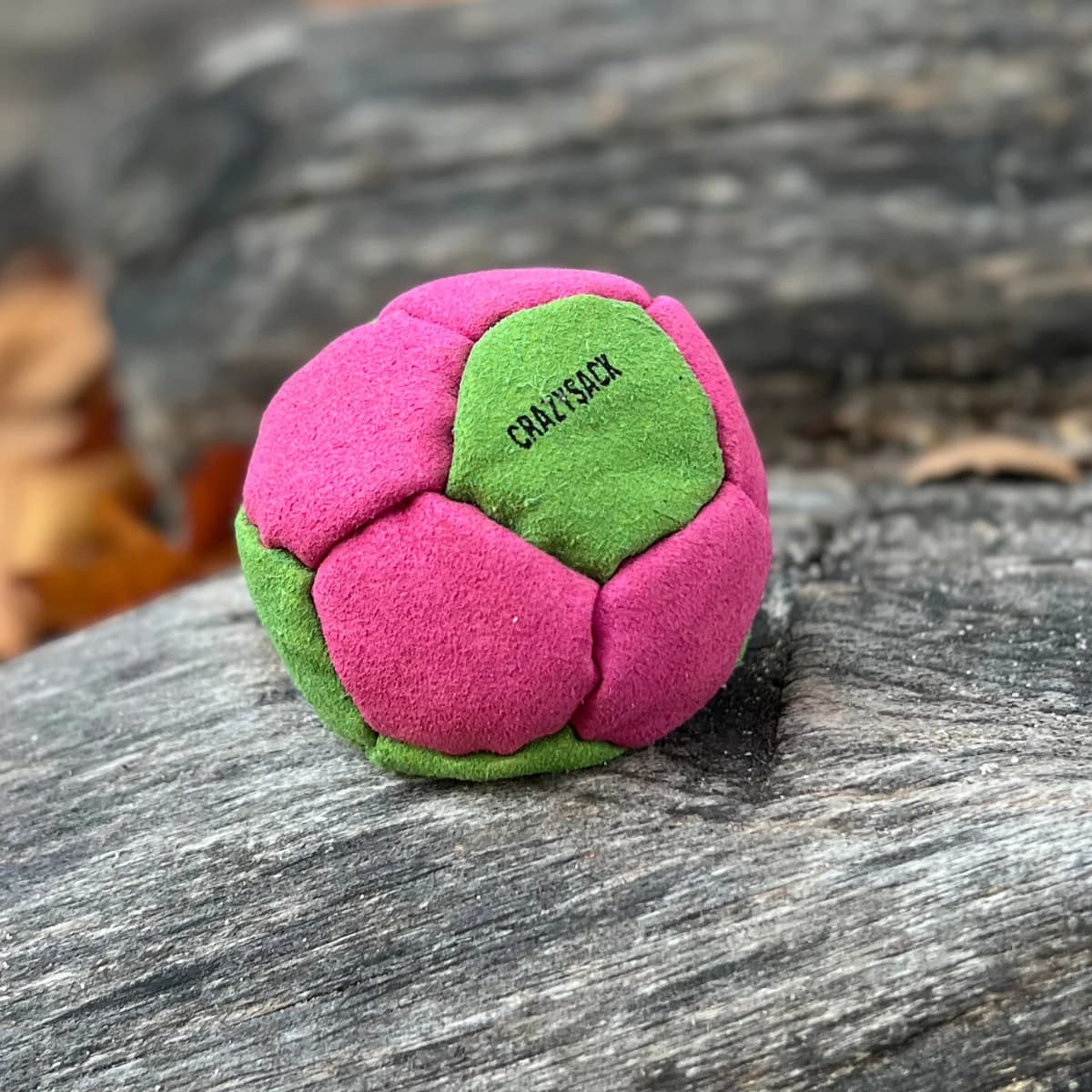
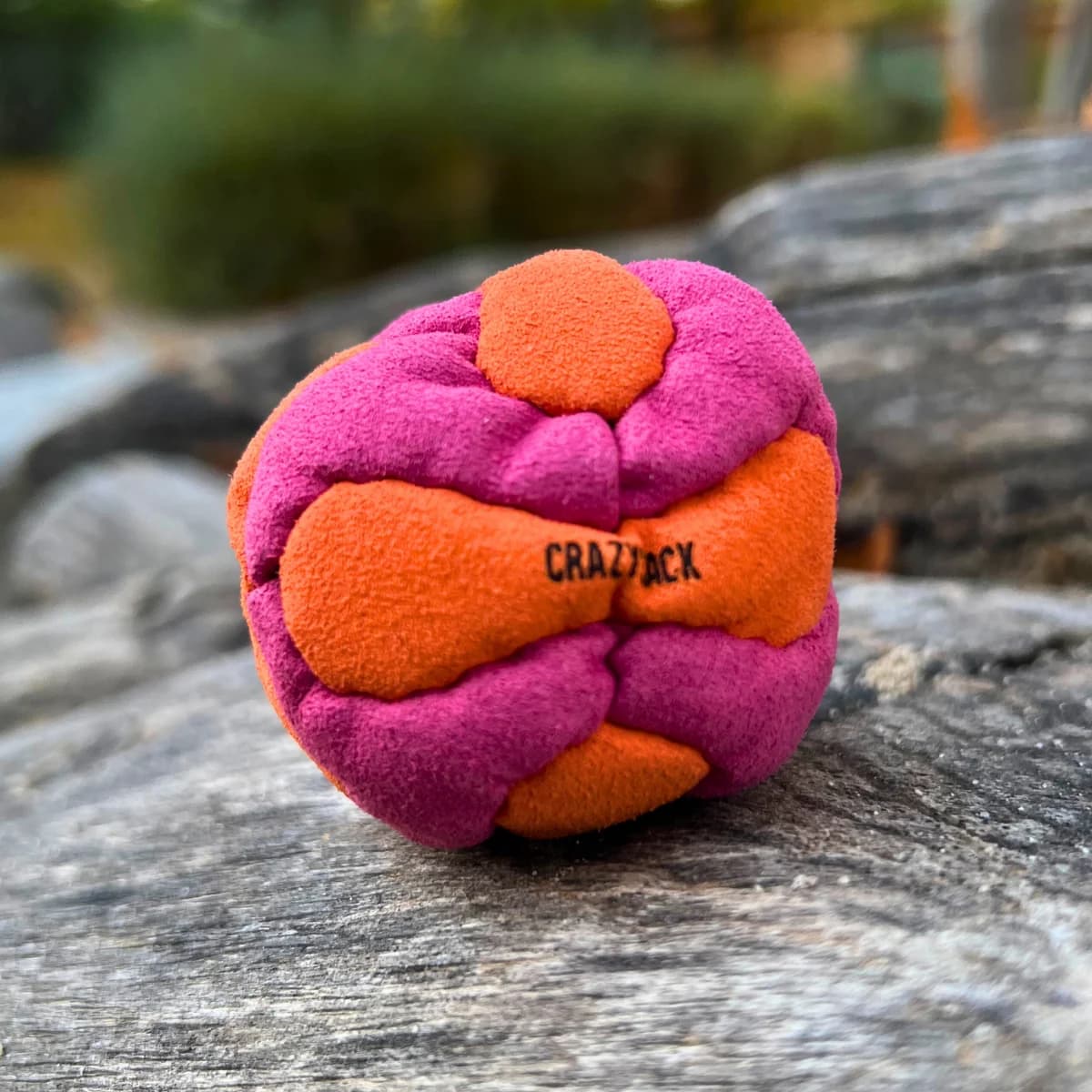
Matching footbags from our shop
Hand-stitched in Germany, ready to ship.


You might also like
The Best Footbag Tricks Anyone Can Learn
Beginner-friendly footbag tricks — stalls, kicks, Around the World, Clipper, Mirage — plus training tips to build combos without the overwhelm.
3 min read
Best Places to Play and Train Hacky Sack
Parks, halls, campuses, beaches, and backyard setups — where to practise footbag for skill work, jams, and weather-proof training.
2 min read
Footbag Tricks for Beginners: A Simple How-To
Learn beginner footbag tricks step by step — gear, stance, inside kick, toe stall, and foot delay — so your first moves feel clean, not chaotic.
3 min read