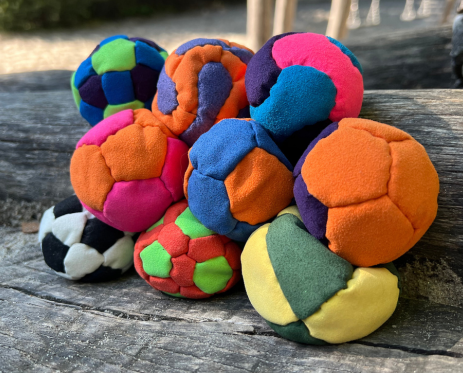
Why the right bag changes the game
Footbag (hacky sack) rewards skill — and the bag either helps or fights you. Fill, cover, panel count, size, and weight all shape control and flight. Here’s how to pick for your style.
Types by fill and construction
Sand-filled
Popular with beginners and casual circles. Softer, less lively, easier to catch.
- Malleable feel
- Easy control for relaxed play
- Can feel sluggish for sharp freestyle
Pellet-filled
Preferred by many freestylers. Snappier rebound and faster responses.
- Firmer and more compact
- Cleaner for precise tricks
- Takes practice if you’re new
Panel count
- 32 panels: Rounder, more precise — freestyle favorite
- 4–8 panels: Tougher kick bags, more casual play
- More panels generally mean a rounder shape and steadier flight
Cover materials
Suede
Grip and flex pros love. Soft on the shoe; keep it dry — moisture is the weak spot.
Canvas and synthetics
Tougher outdoors, often cheaper, less grip than suede. Best when weather and abrasion matter more than stickiness.
Size and weight
Most bags sit around 4.5–5.5 cm across and 40–70 g.
- Smaller (~4.5 cm): Trick precision
- Larger (5 cm+): Easier hits for beginners and group games
- Lighter (≤50 g): Fast maneuvers
- Heavier (≥55 g): More control for new players; easier outdoors in light wind
Too light drifts; too heavy taxes joints over long sessions.
Extra buying checks
- Even seams, no loose threads
- Firm but flexible fill
- No sharp edges or lumps
Define the use case first: casual/outdoor → durable and a bit heavier; freestyle → lighter multi-panel suede. Trying a small set of different models is smart if you’re unsure.
Care basics
Wipe, don’t machine-wash. Dry fully after damp play. Store uncompressed, out of sun. A soft pouch helps.
Bottom line
Beginners usually want tougher, heavier bags; freestylers want light, round, high-panel models. Decide where and how you play, then match material and specs. Explore options in our shop and trust how the bag feels on your foot.
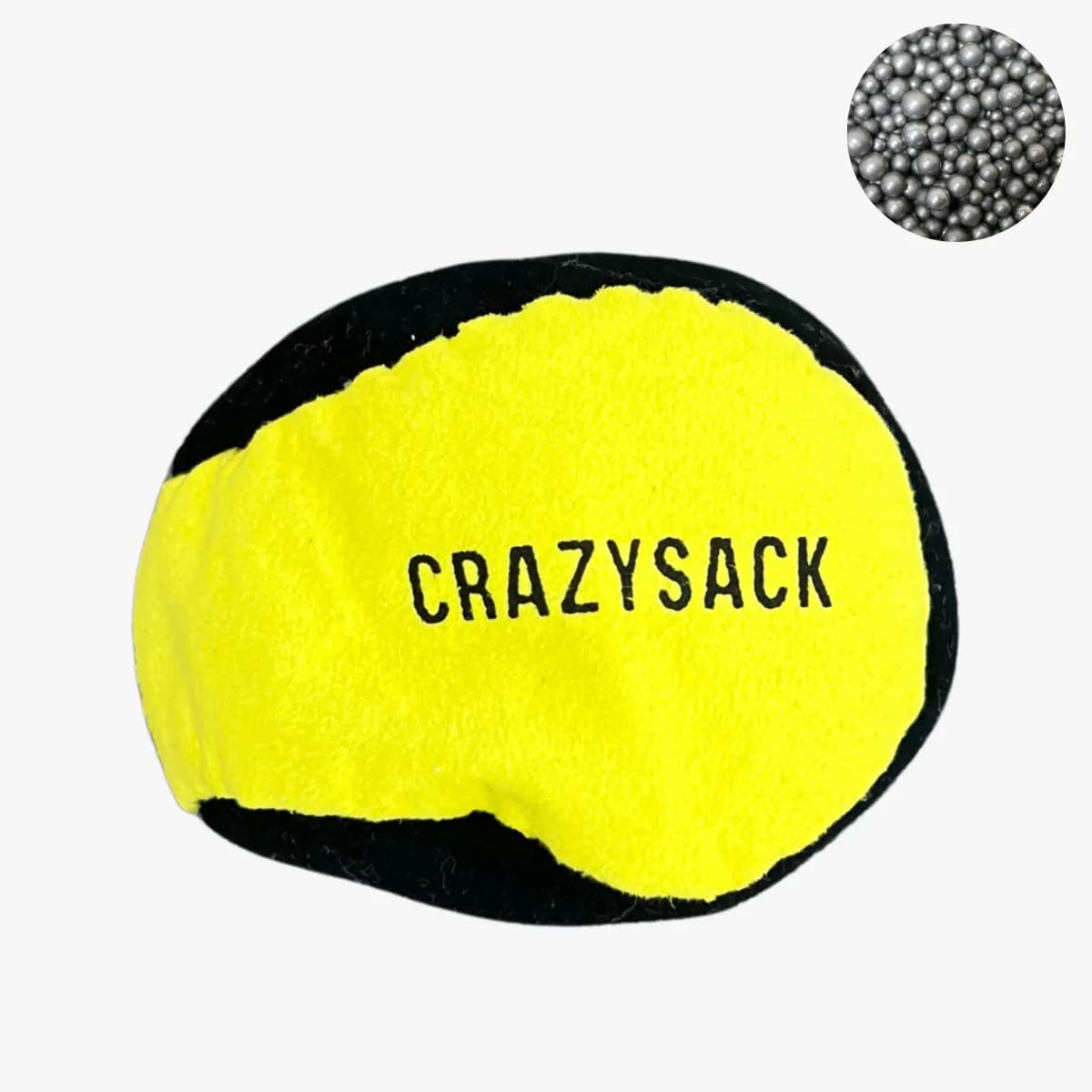
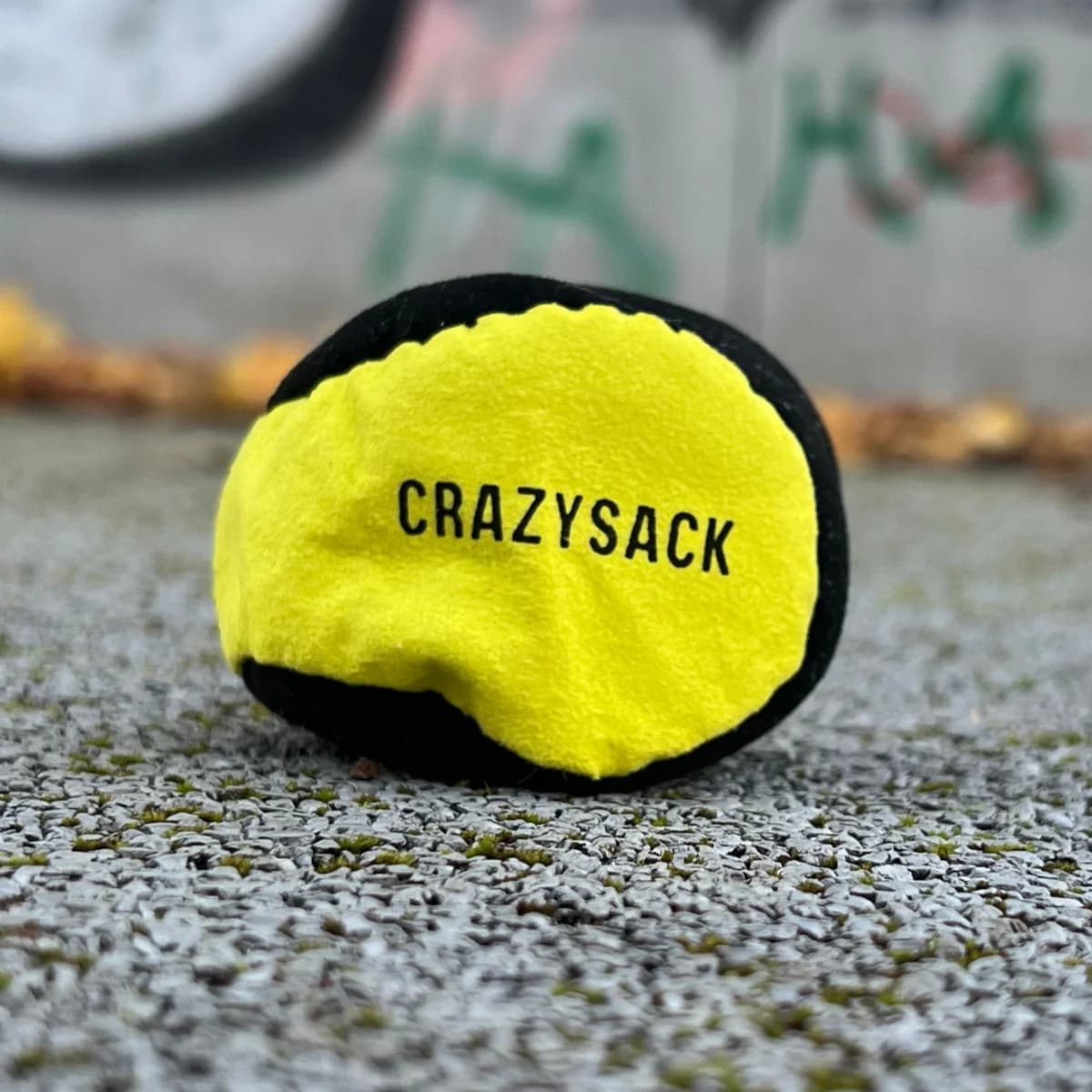
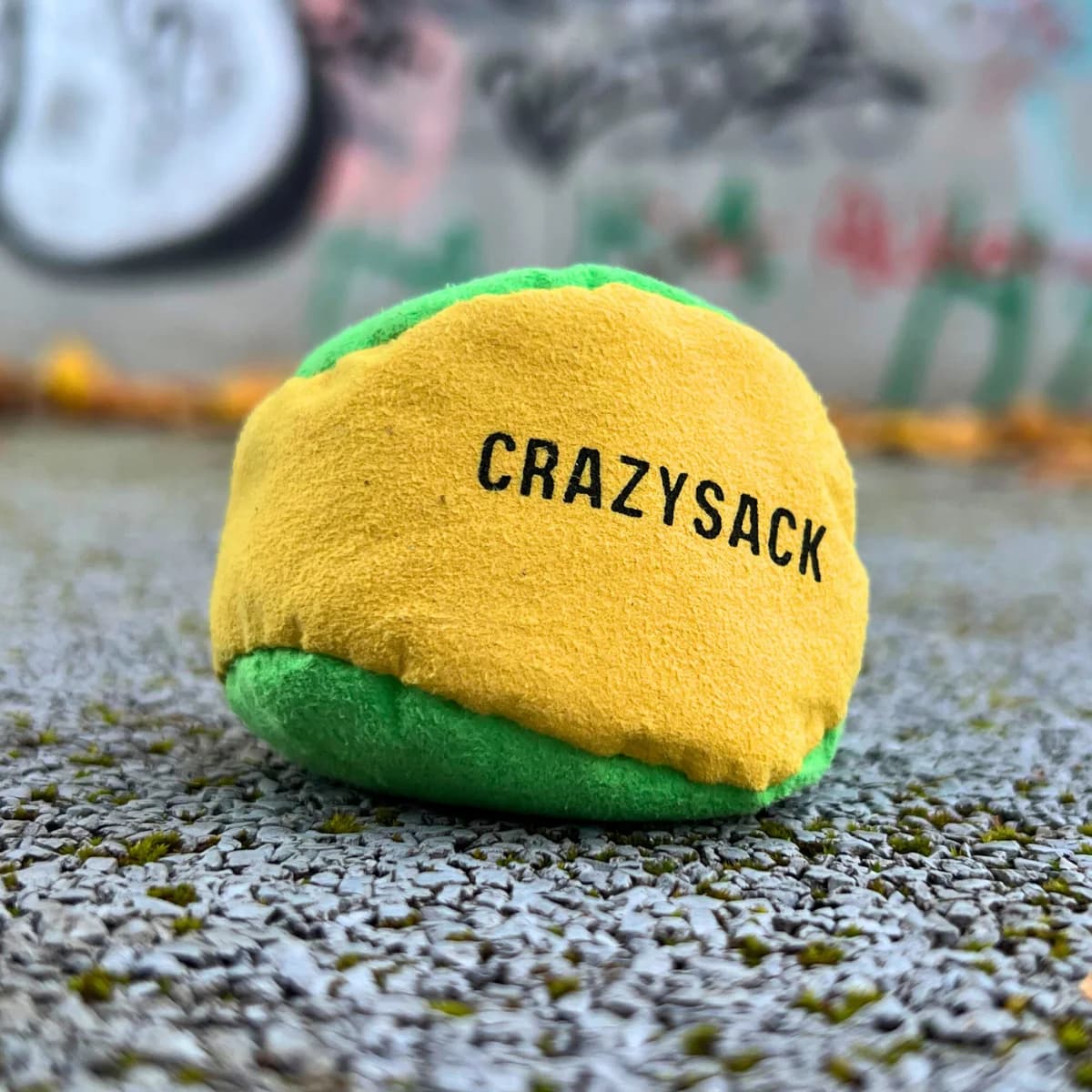
Matching footbags from our shop
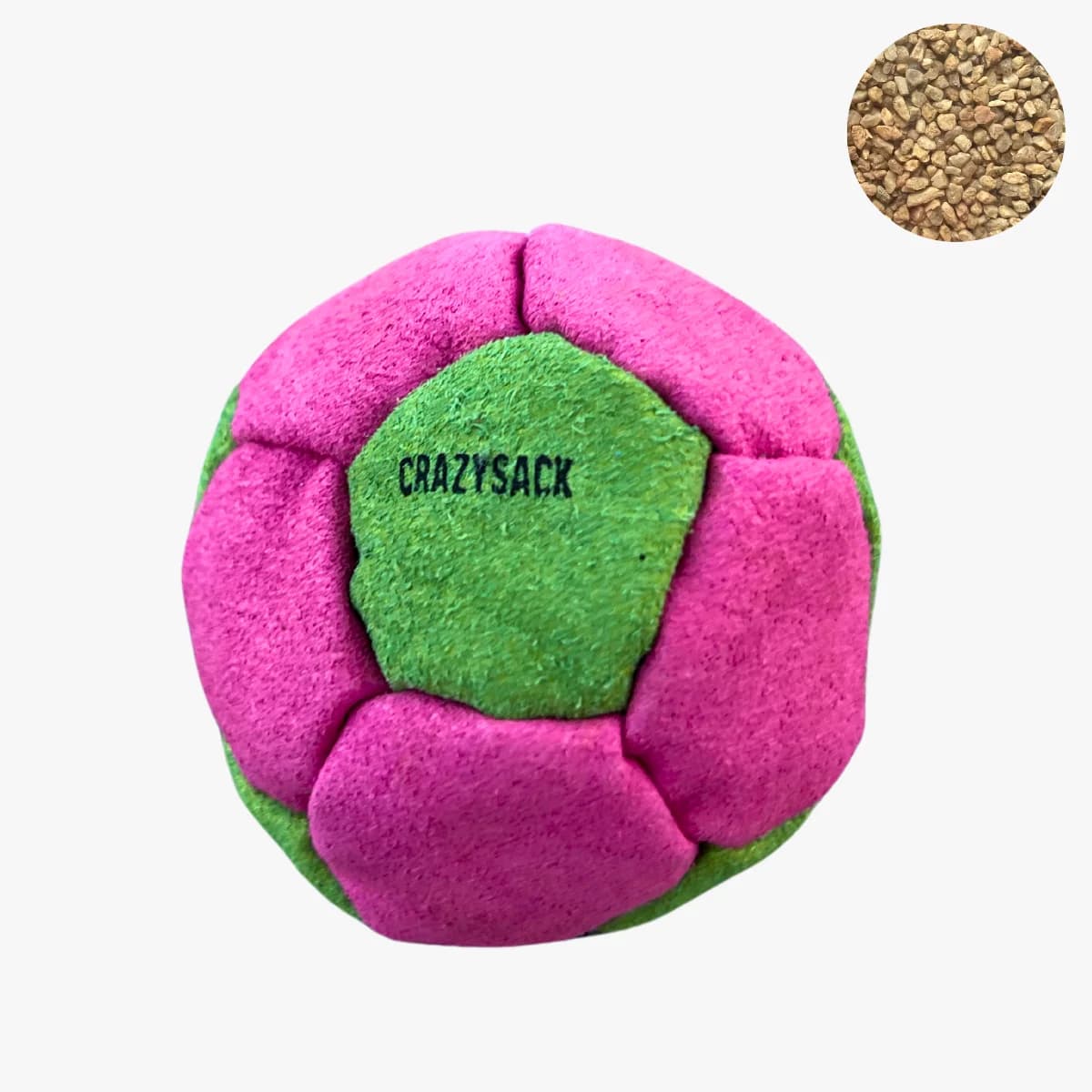
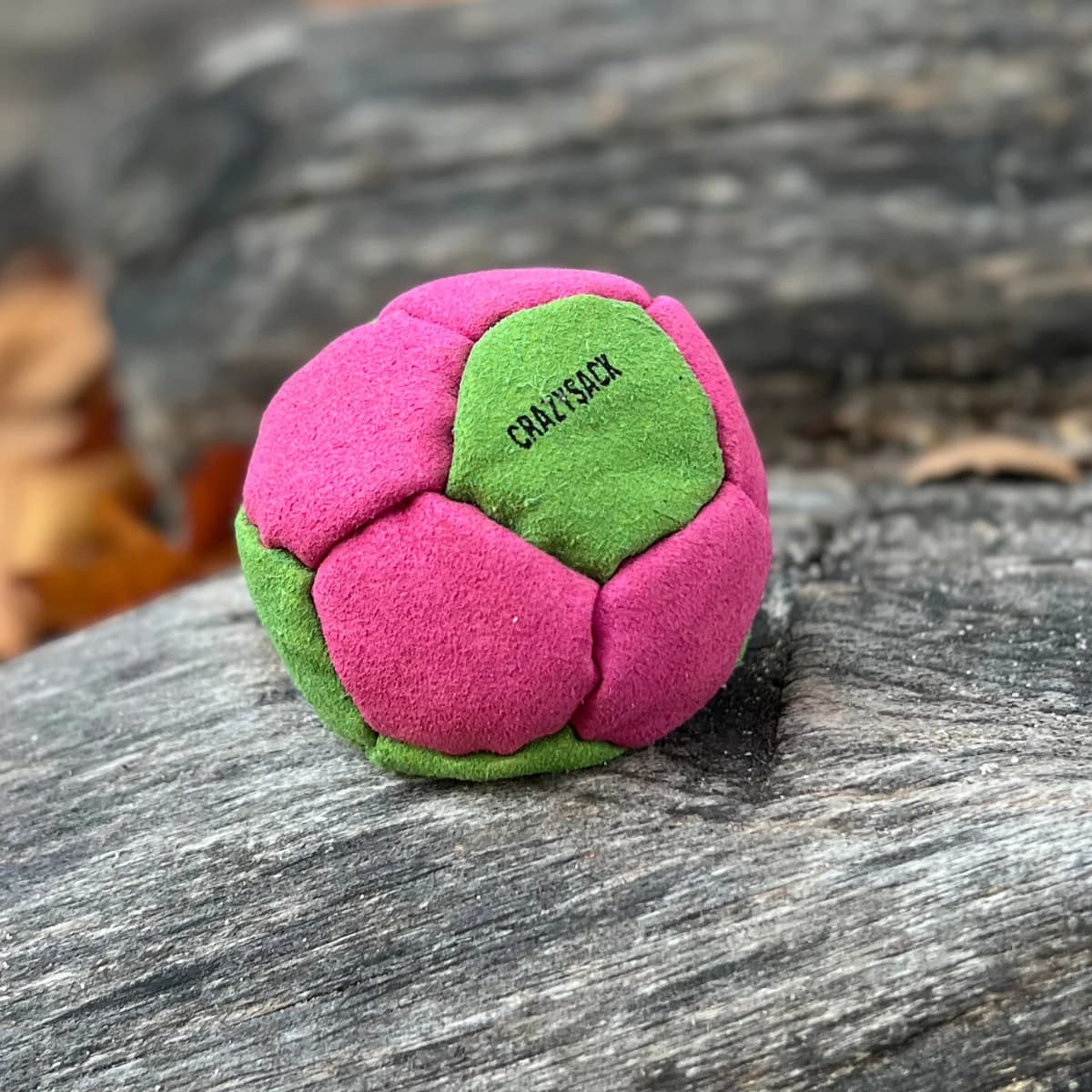
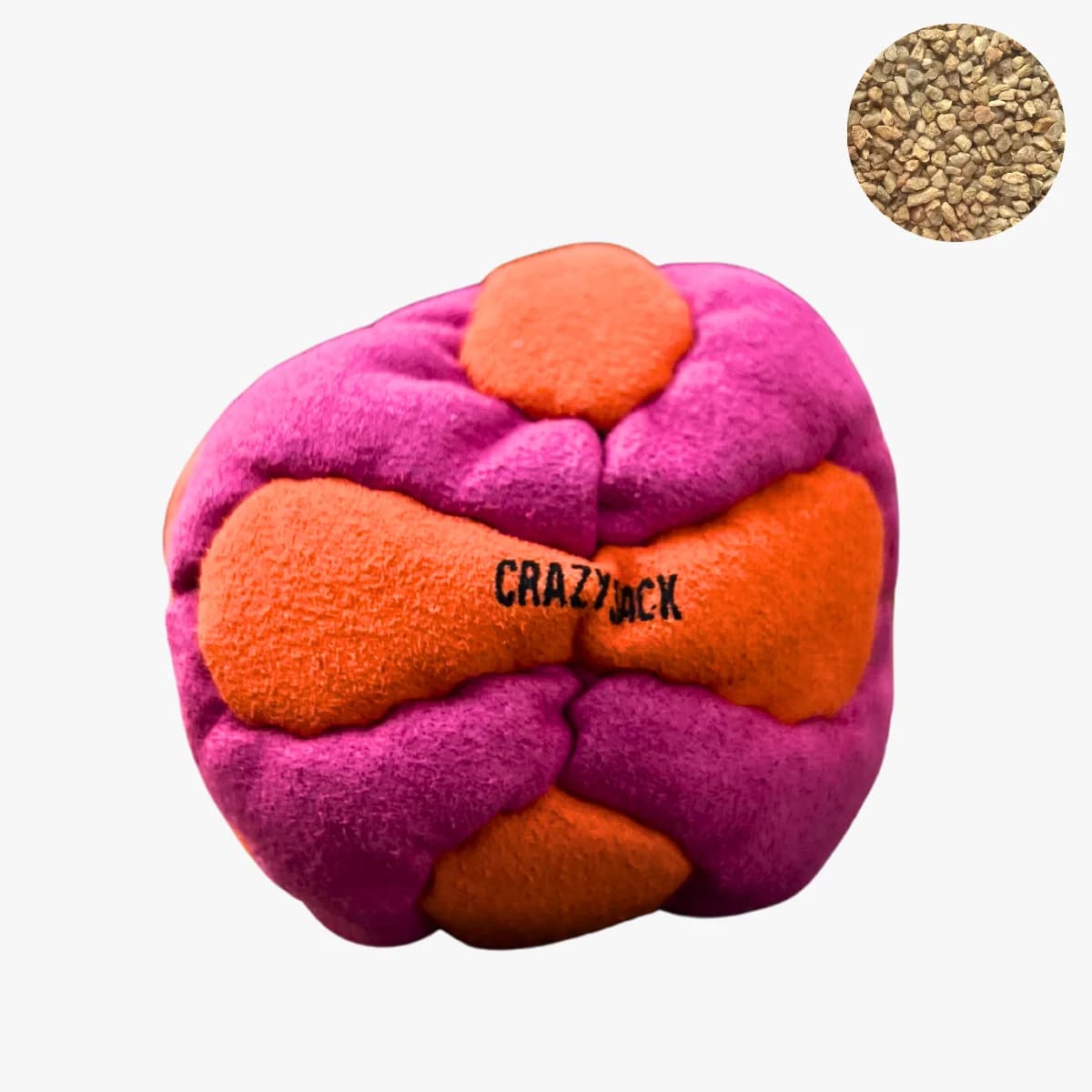
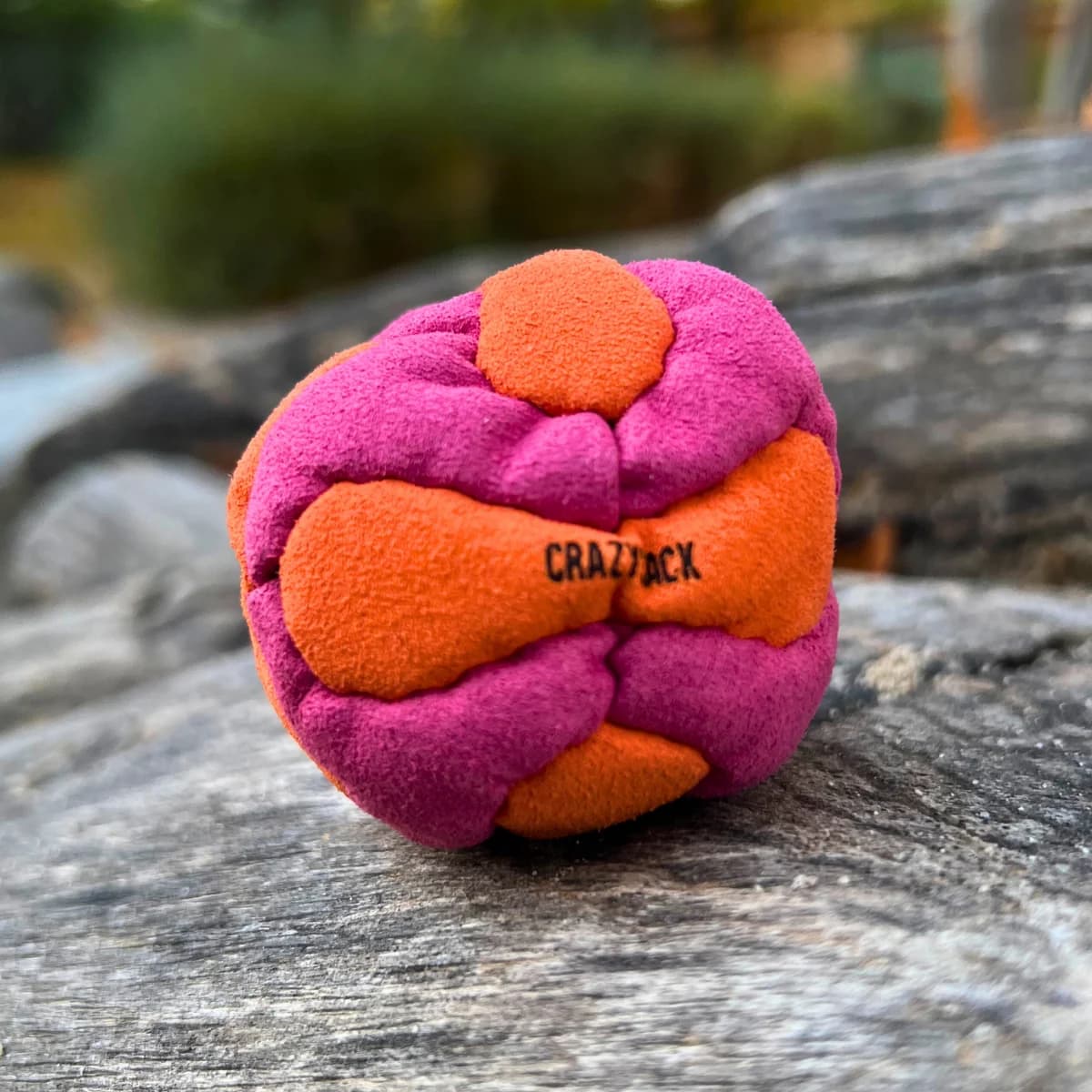
Hand-stitched in Germany, ready to ship.

You might also like
How to Choose the Right Shoes for Hacky Sack
Flat soles, grip uppers, and flexible fit — what makes a shoe work for footbag, plus classic models and mistakes that kill control.
2 min read
How to Find the Ideal Hacky Sack for Your Needs
Material, size, fill, and construction — a practical buyer’s guide to choosing a footbag that matches your skill level and preferred play style.
2 min read
Why Foot Position Matters in Hacky Sack
How proper foot position improves control, precision, and injury prevention in footbag — basics, common errors, drills, and shoe tips.
2 min read