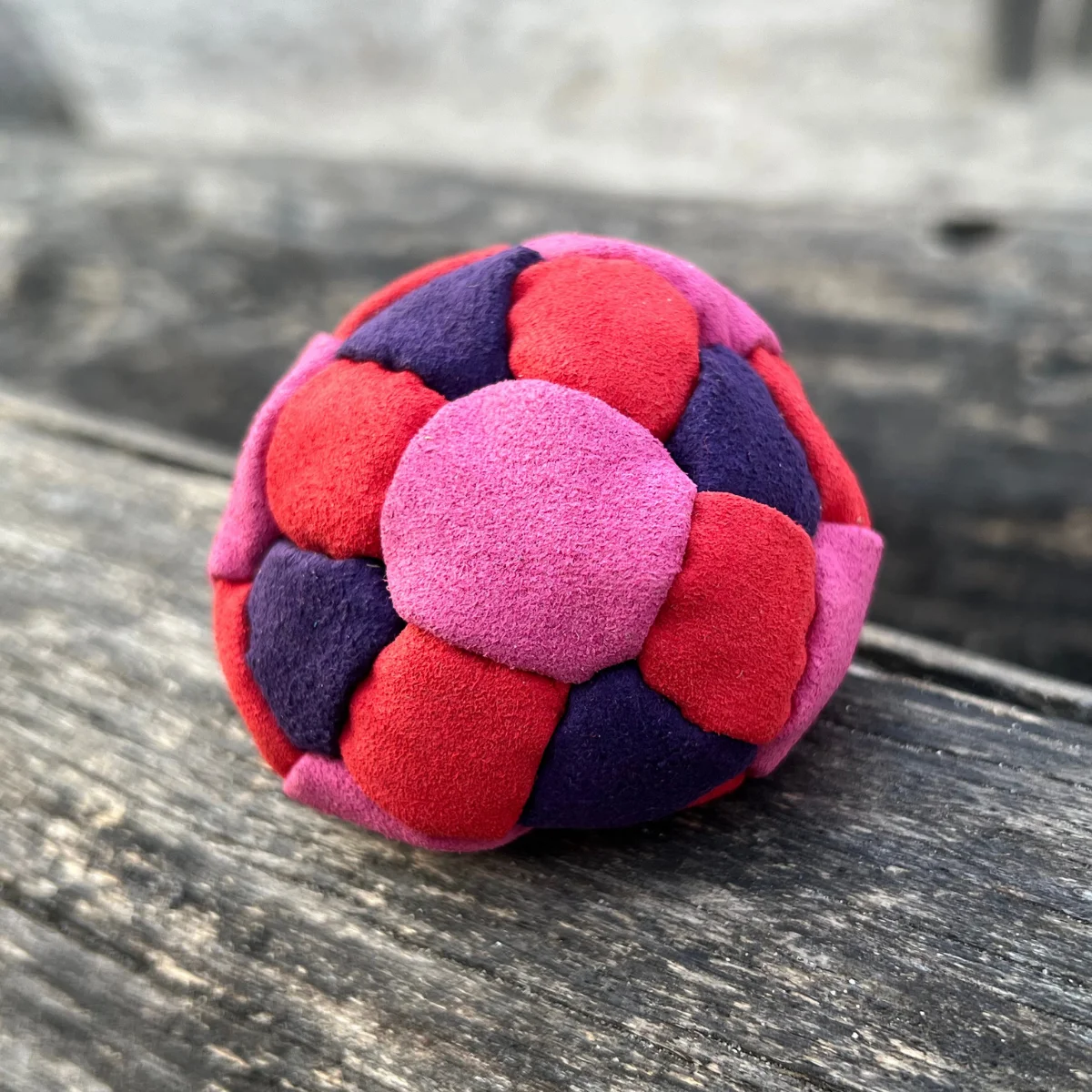
Footbags as green toys on the rise
What they are
Footbags (hacky sacks) are compact play bags filled with pellets, rice, or similar media — rooted in 1970s US culture and older Asian foot games. You keep them up with the feet. Skill, focus, and joy for kids and adults alike; schoolyards, parks, and festivals still host the circles. Lately, the environmental story matters as much as the sport story.
Why sustainable toys matter
Shoppers — especially parents — ask how things are made. Simple bags beat gadget toys on longevity and footprint. Makers answer with recycled and biodegradable options.
A symbol of conscious play
A bag from leftover fabric or natural fiber can teach kids that fun and care for the planet can share a pocket. Upcycling workshops and fair local runs turn a toy into a small lifestyle signal: sustainability can be playful, social, and trend-setting.
Greener materials
Recycled shells and fills
Reclaimed denim, cotton scraps, and other textile leftovers get a second life. Fills lean toward recycled plastic pellets or natural media like cherry pits or rice — less virgin plastic, less waste.
- Lower processing energy in many cases
- Less production scrap
- Smaller climate impact versus constant new plastic toys
Biodegradable builds
Organic linen, hemp, and plant-based polymers that break down at end of life cost more up front and win on chemistry and composting story — especially for parents wary of mystery plastics.
Upcycled one-offs
Handmade unique bags from old clothes support mindful consumption and often social workshops with fair pay and regional loops.
Everyday uses that stay light on the planet
Outdoor movement
Park, beach, yard — tiny pack size, big motor payoff:
- Coordination and balance
- Legs and core
- Endurance and body control
A screen-era antidote that works for adults on a lunch break too.
Teams and social learning
Shared rules, turn-taking, and nonverbal cues — schools and youth groups use bags as low-barrier icebreakers across languages and skill levels.
Stress and focus
Desk squeezes and short kick breaks cut tension and reset attention. In class, deliberate movement windows can lengthen focus.
Looking for a durable daily bag? See our shop.
Longevity = better eco math
Built to last
Quality bags survive years of hard use. A split seam is often a five-minute sew — repair culture beats landfill culture.
No e-waste
No batteries, chargers, or mystery boards:
- No hazardous disposal path
- No hidden energy or accessory costs
- Parts that can be recycled or biodegraded depending on build
Minimalist, high learning
Open-ended play invites invented rules and techniques — creativity without programmed scripts. Using sustainable objects daily plants habits early.
Closing: small, cheap, lasting
Footbags combine compact size, low cost, durability, and greener material choices with skills a digital world still needs: movement, teamwork, creativity, awareness.
For parents and schools: a soft entry into circular thinking and resource care. When you buy, look for:
- Proven recycled or sustainable materials
- Fair production
- Local makers or social projects
Conscious play starts with small choices — a thoughtful footbag is one of them.
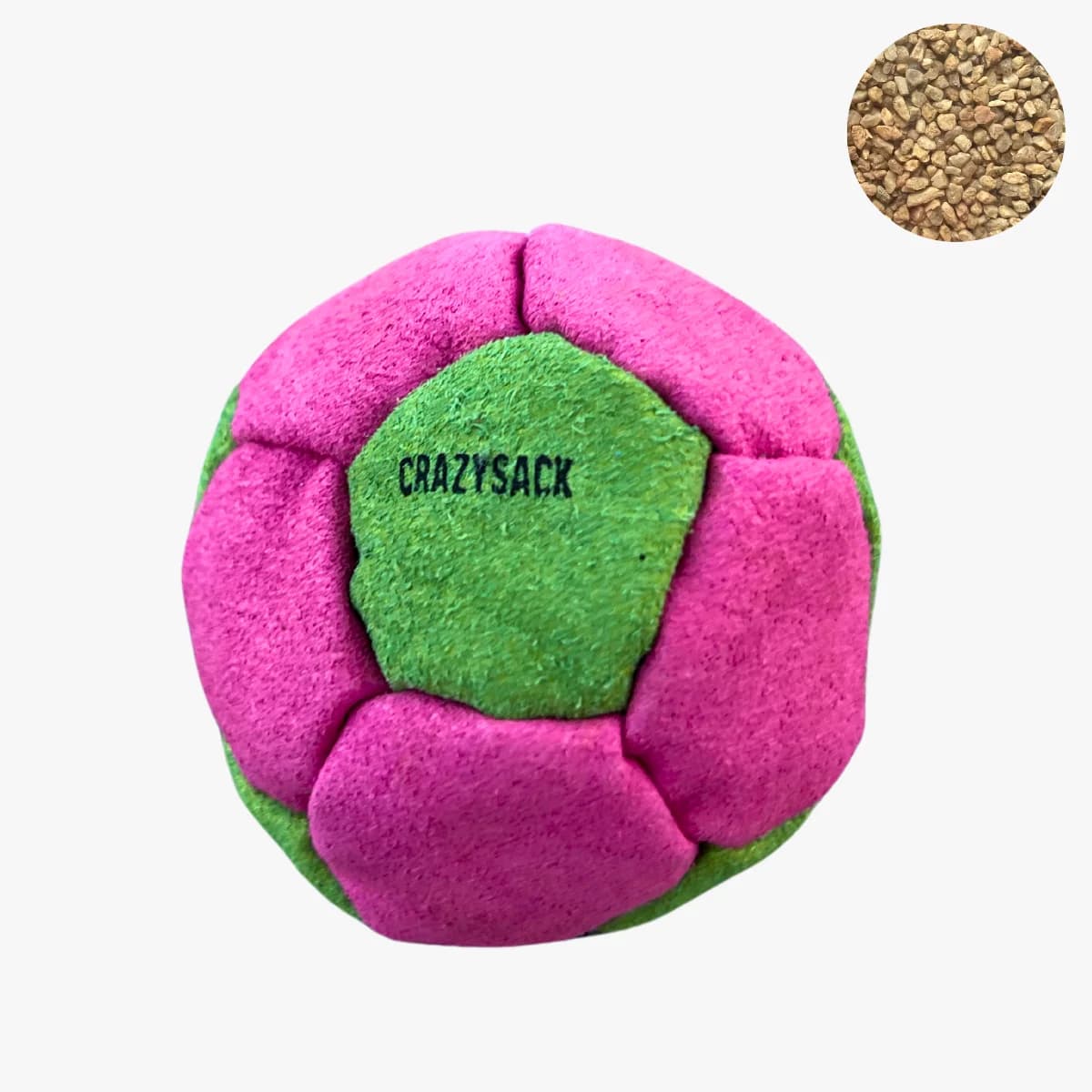
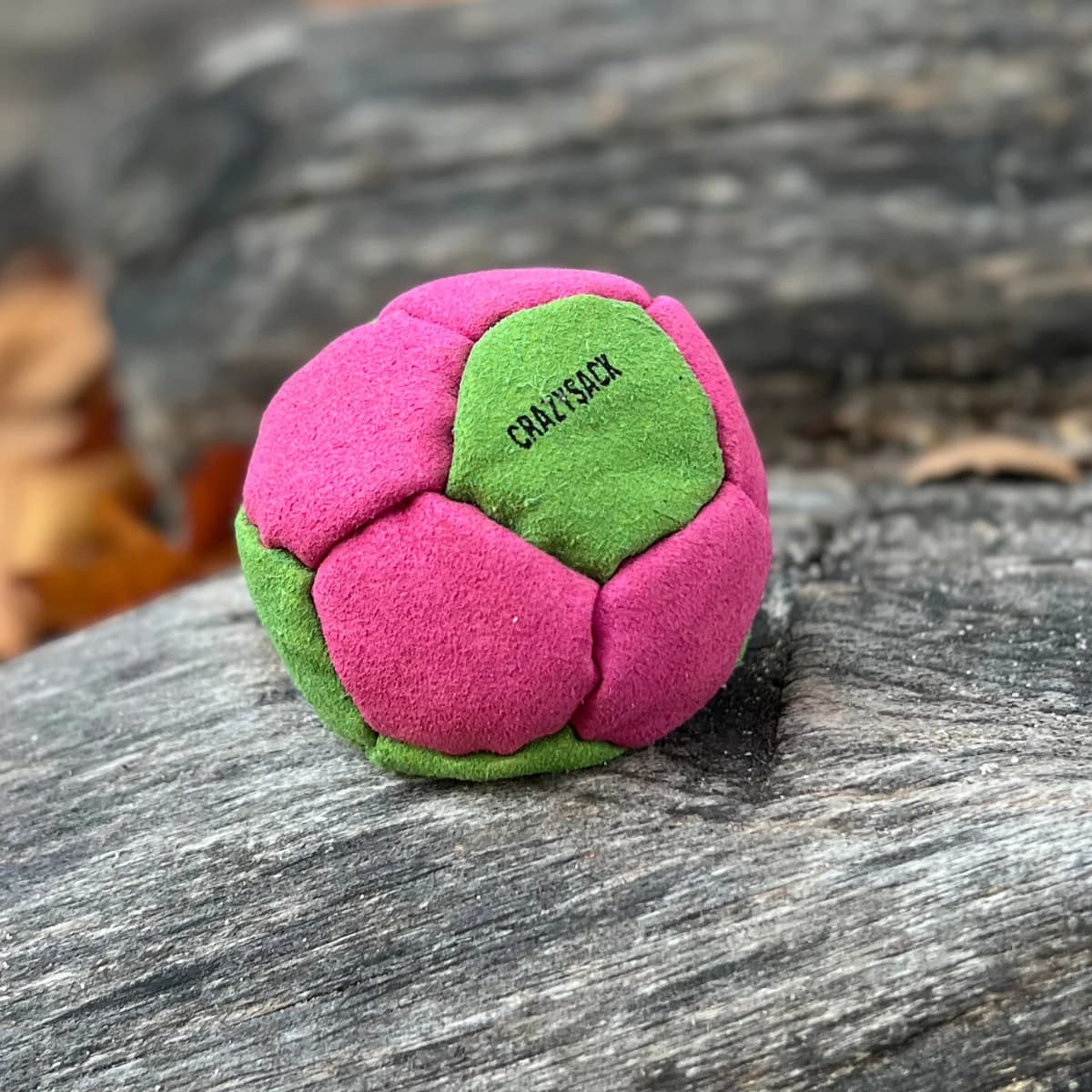
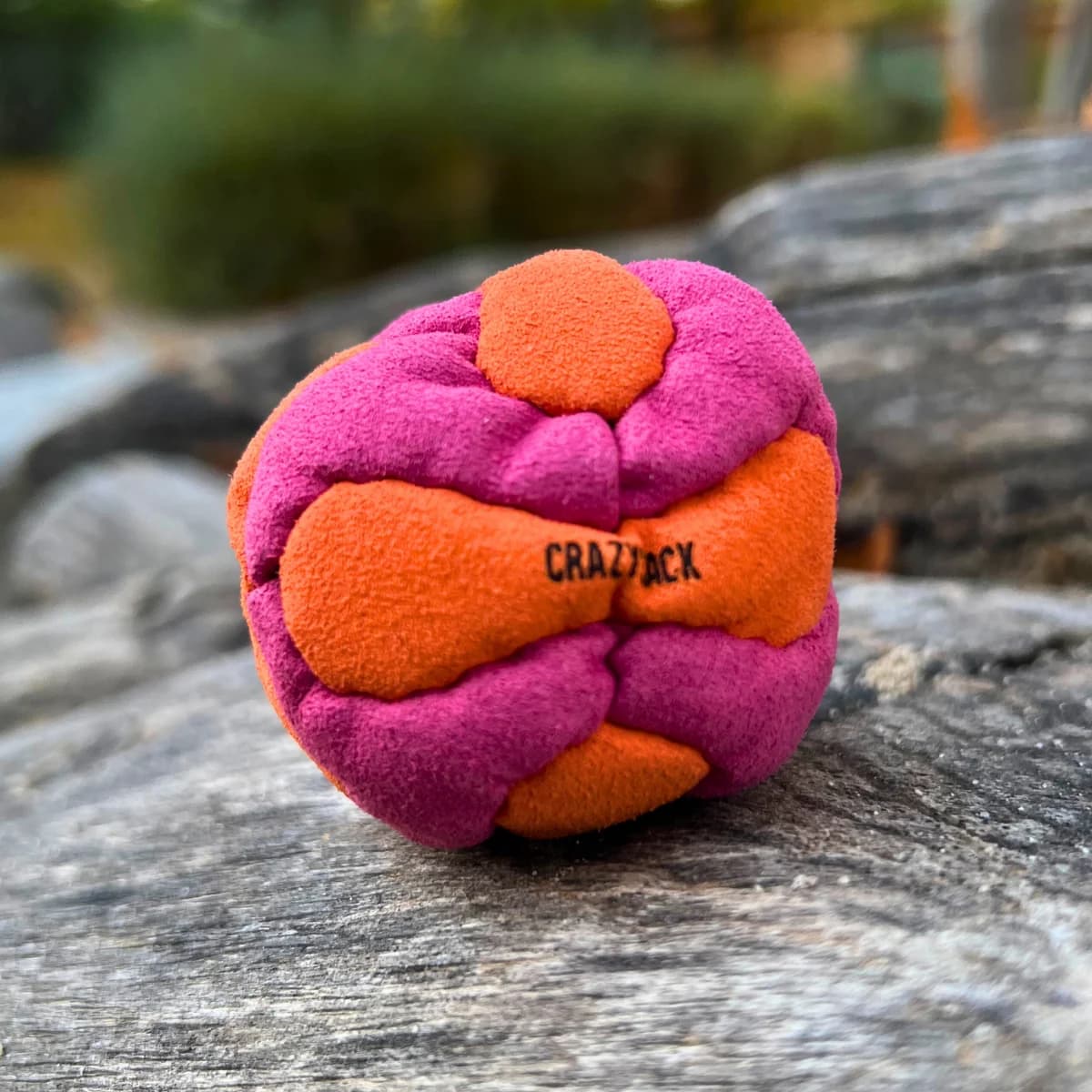
Matching footbags from our shop
Hand-stitched in Germany, ready to ship.


You might also like
Mental Health Benefits of Hacky Sack
Stress relief, focus, flow, and social connection — how a small footbag supports everyday mental wellbeing.
3 min read
Footbags in Your Daily Fitness Routine
Coordination, light cardio, muscle tone, and mental reset — why a footbag earns a spot in everyday training.
2 min read
How Hacky Sacks Make Your Evening Wind-Down Calmer
Turn after-work stress into light play: how a footbag helps you switch off, move gently, and reclaim your evenings.
3 min read