
What is a hacky sack?
Origins and why it sticks
A hacky sack (footbag) is a palm-sized cloth bag filled with plastic or metal granules. Popularized in 1970s America, it now lives as leisure, sport, and sometimes therapy aid. The brand name stuck as the common word for the toy itself.
Little gear, almost any space, barefoot or light shoes — keep the bag up without hands, solo or in a group. Movement plus concentration is exactly why it helps mental health, not only free time.
How movement lifts mood
A natural mood support
Even moderate activity shifts brain chemistry:
- Endorphin release
- Lower stress hormones such as cortisol
- Better sleep after physical load
Ten to fifteen daily minutes can matter — especially for mild low mood or restlessness. Rhythm and focus on the bag create a short break from rumination.
Fine motor work as cognitive support
Changing patterns light up more neural pathways than monotone cardio alone:
- Stronger connections through varied movement
- Better concentration
- Sharper body awareness
Movement therapy settings increasingly borrow the bag for ADHD support, mild depression, or light motor delays — always as one tool among others.
Mindfulness in motion
Flow for emotional steadiness
Flow — full absorption, quiet satisfaction — fits hacky sack well when challenge matches skill, feedback is instant (contact or miss), and the activity is the point.
Against phone noise and work stress, it’s active mindfulness without a cushion or course.
Rituals that structure the day
Morning wake-up kicks or evening wind-downs become anchors:
- Clearer mental boundary between work and rest
- Practice in self-discipline and agency
- Stable routines that push against depressive drift
Finishing a small string you couldn’t do last week feeds self-worth.
Social play and belonging
Group circles
Schoolyard, park, festival — shared keep-ups build closeness:
- Team goals without harsh hierarchy
- Mostly nonverbal communication
- Belonging and easy inclusion
Regular circle players often report less loneliness and social freeze. For teens or isolated adults, a bag can open a conversation.
Inclusive and low-barrier
Little fitness prerequisite, low injury risk, adaptable intensity — usable in schools, care homes, and therapy spaces. Anxiety or limited mobility can still find a version that fits.
Resilience through steady practice
Agency and goals
New tricks and longer strings prove you can change your own skill curve:
- Goal orientation and grit
- Measurable self-efficacy
- Healthier self-image
Those gains often spill into work and relationships.
Sustainable stress coping
Unlike passive scroll breaks, play is creative engagement with yourself:
- Physiological stress drop via movement
- Mental bounce-back from real success moments
- Longer-term quality-of-life lift
A pocket tool that costs little and compounds with consistency. Find a bag that feels good in the hand (and on the foot) in our shop.
Closing: small bag, wide effect
Hacky sack is more than teen nostalgia. Movement, mindfulness, social contact, and personal growth sit in one soft sphere.
In short:
- Stress relief through light activity
- Focus and coordination gains
- Mindful pauses in loud days
- Social glue and easier connection
- Resilience from practice and ownership
You don’t always need an expensive program. Sometimes a cloth bag and a few deliberate minutes are enough.
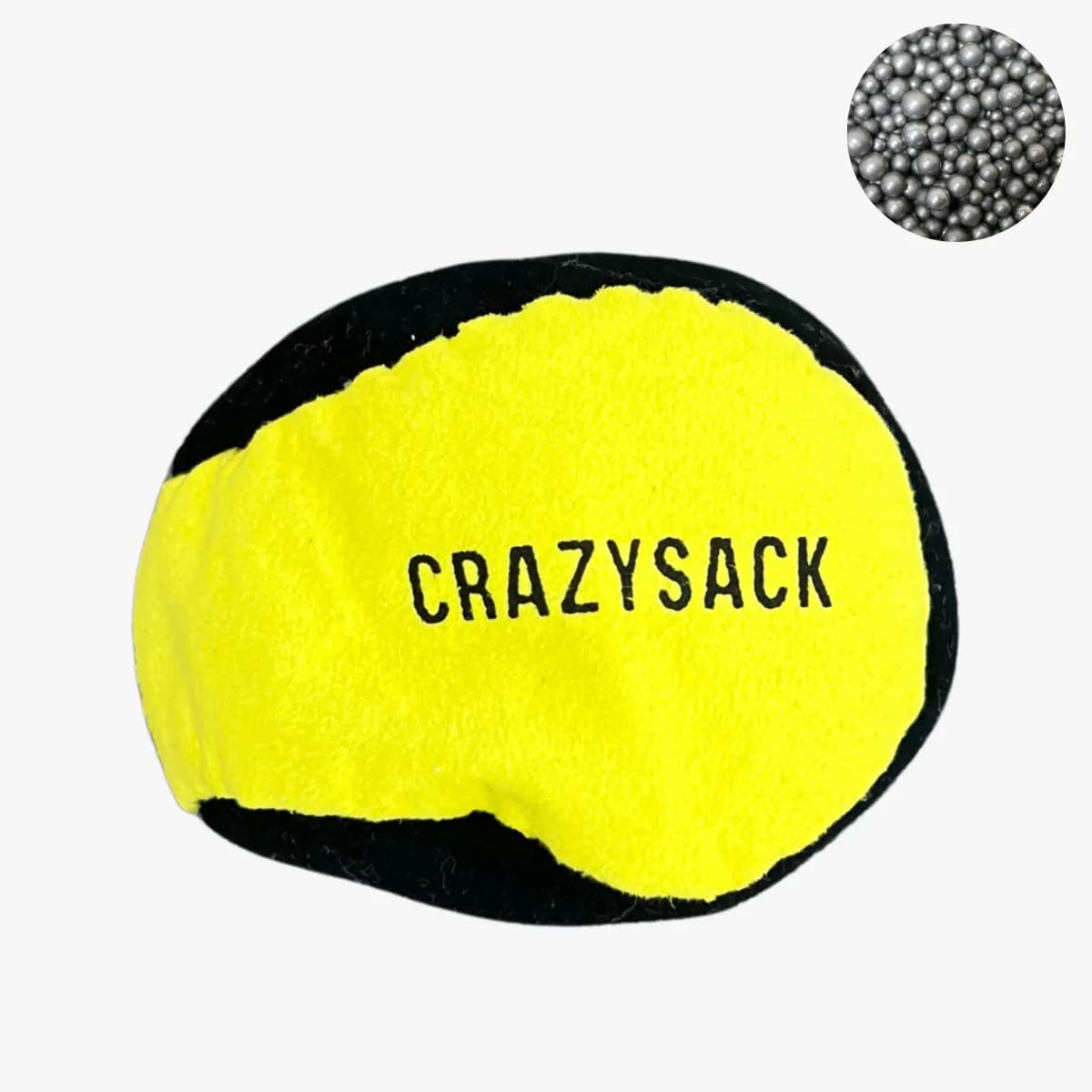
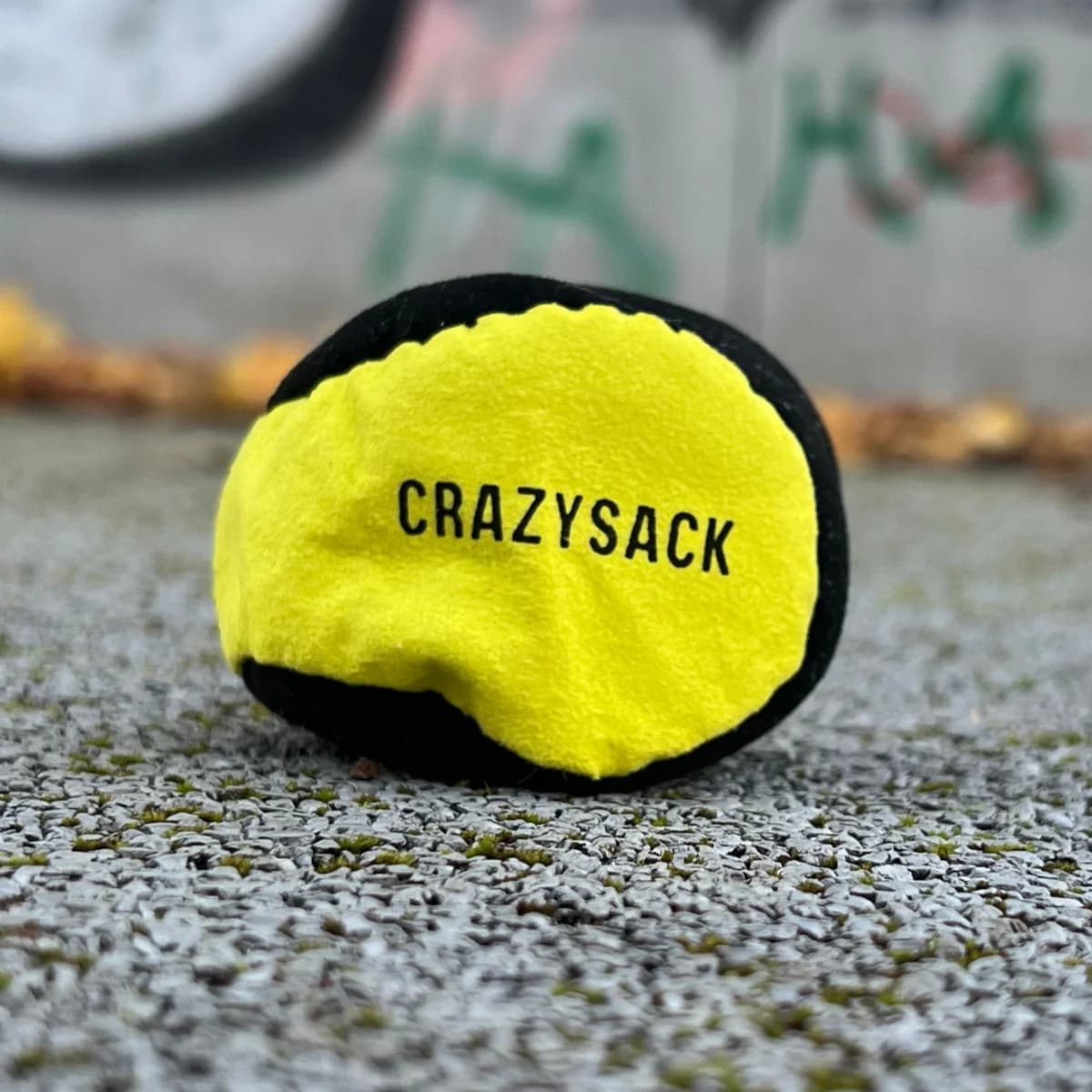
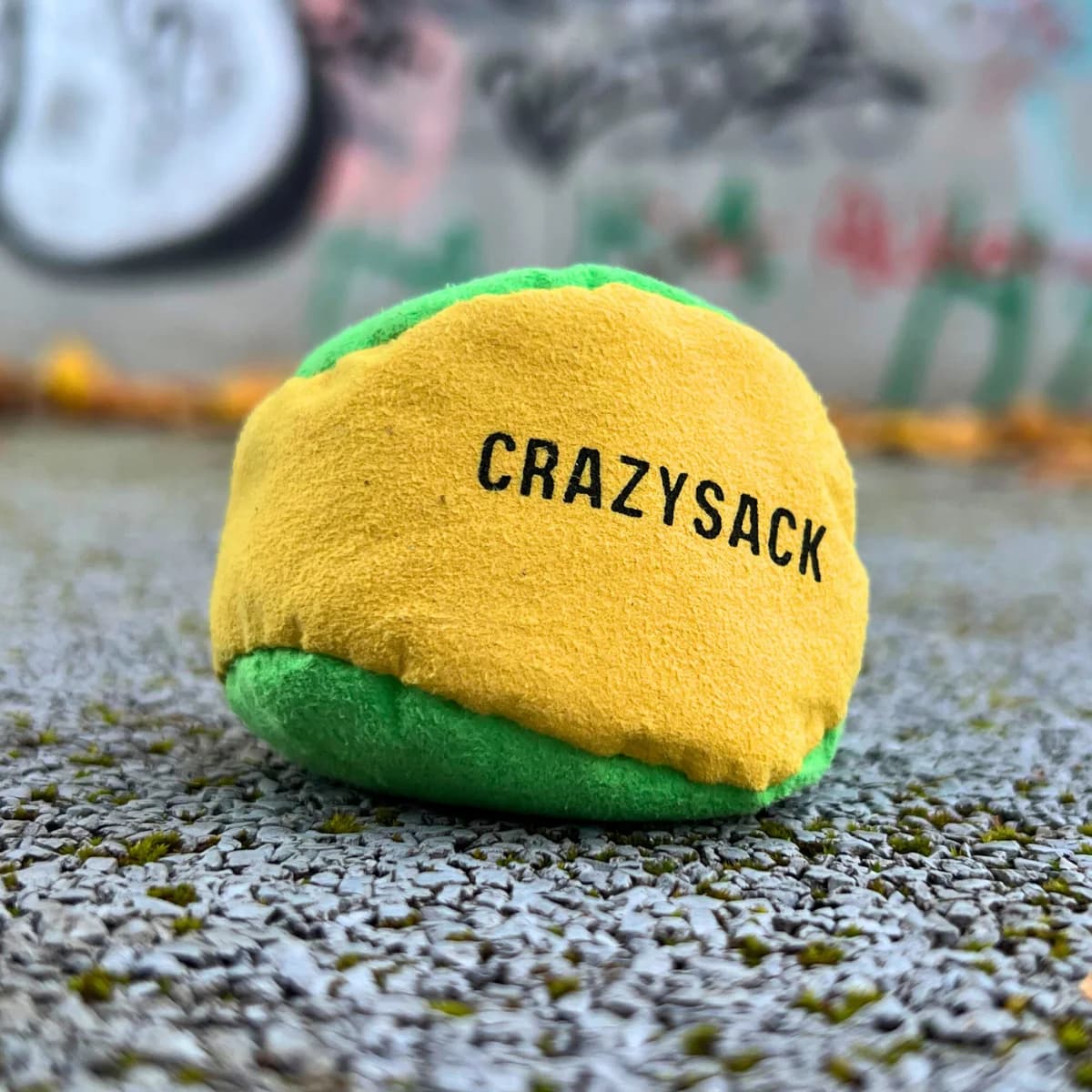
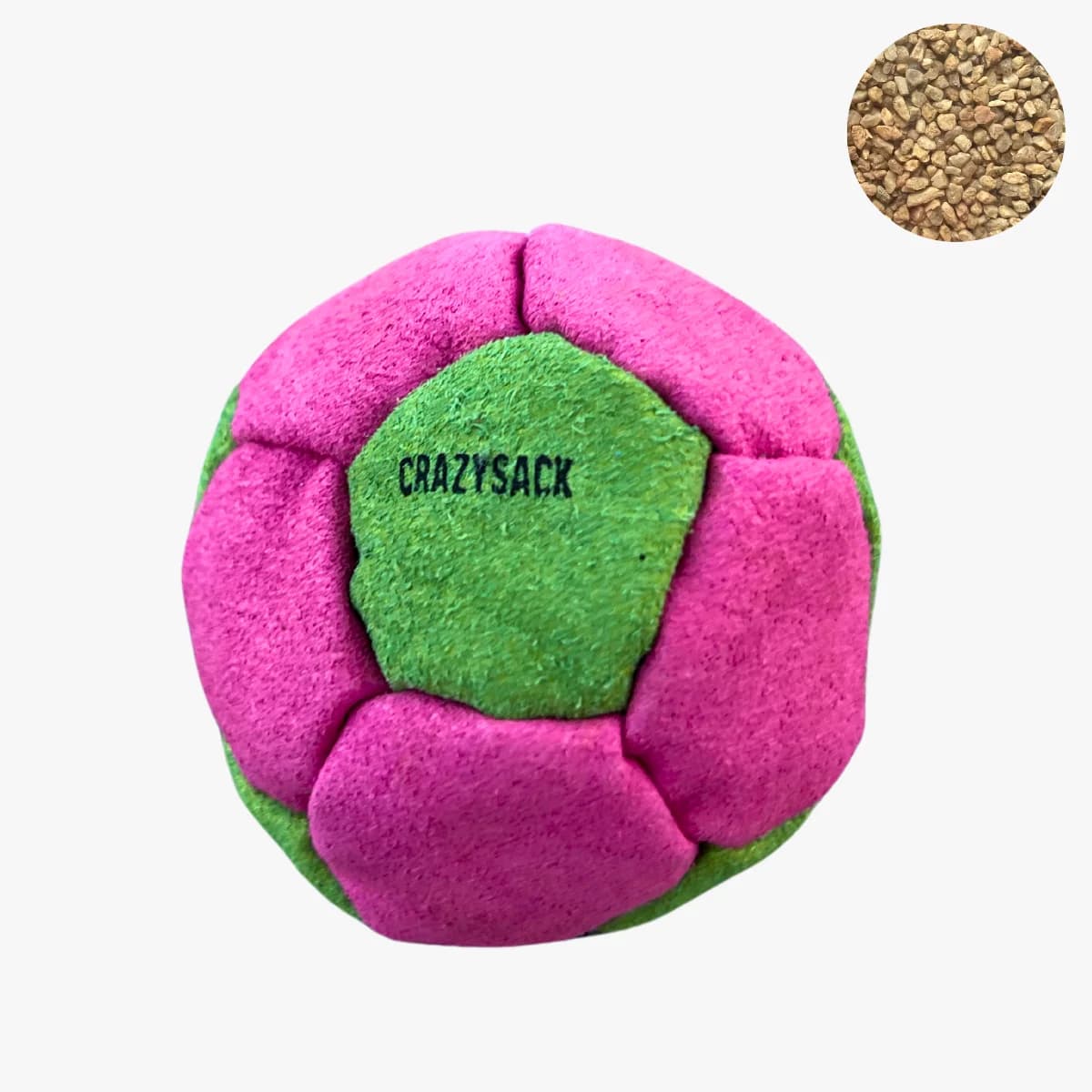
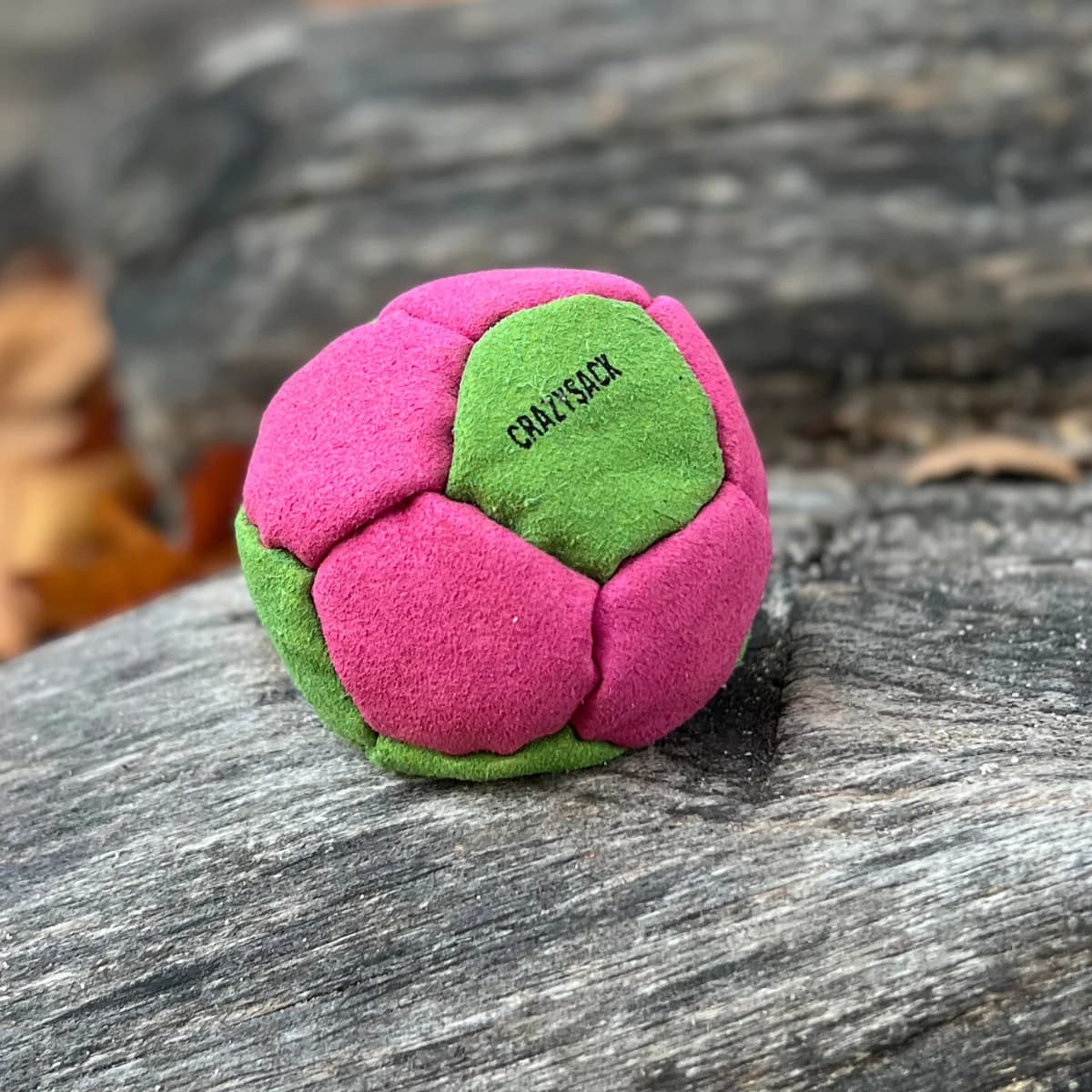
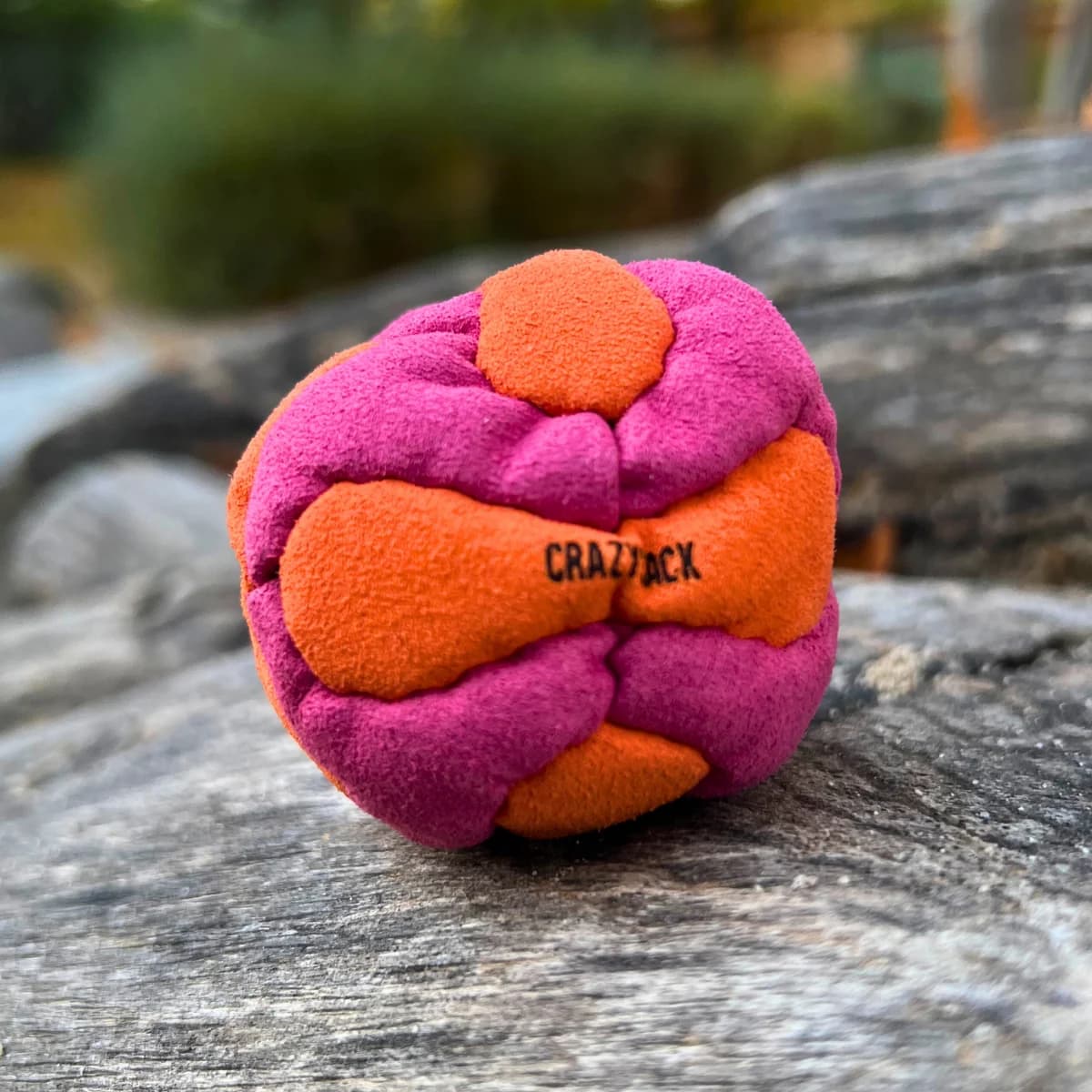
Matching footbags from our shop
Hand-stitched in Germany, ready to ship.


You might also like
Why Footbags Make Sense as Eco-Friendly Toys
Sustainable materials, long life, zero e-waste — how footbags fit conscious play for kids, schools, and everyday movement.
3 min read
Footbags in Your Daily Fitness Routine
Coordination, light cardio, muscle tone, and mental reset — why a footbag earns a spot in everyday training.
2 min read
How Hacky Sacks Make Your Evening Wind-Down Calmer
Turn after-work stress into light play: how a footbag helps you switch off, move gently, and reclaim your evenings.
3 min read