
What is footbag?
A short history
Footbag took shape in the 1970s in the US when John Stalberger and Mike Marshall built a game to strengthen legs and improve coordination and balance. “Hacky Sack” became a trademark; the wider sport became footbag, with organised clubs, disciplines, and world contests. Groups like the IFPA (International Footbag Players’ Association) give the scene structure and recognition.
What the bag is
A small round ball made for the feet — usually soft textile with plastic pellets or sand. Typical builds:
- Freestyle bags: Softer, often sand-filled and slightly deformable — control and tricks
- Net bags: Firmer, pellet-filled — bounce and durability for net play
Diameter is roughly 3–5 cm; weight often 40–70 g. Grip and consistency decide how clean advanced moves feel.
Disciplines: freestyle and net
Freestyle
Keep the bag aloft with tricks — no hands — with style and creativity scoring as much as raw difficulty.
- Moves like toe stall, clipper, around the world, butterfly
- Fluid combinations, often to music
- Solo or group formats
Contests score difficulty, variety, technique, originality, and presentation. Athletes train new combos for international stages.
Footbag net
Singles or doubles over a net about 1.5 m high — volleyball energy, feet only. Rules feel closer to badminton/tennis than circle keep-up.
- Feet and legs only
- Point when the opponent fails a legal return
- Games often to 11 or 15 depending on format
Agility, timing, stamina, and placement strategy decide matches.
Training and technique
Beginner foundations
Patience and consistency beat flashy early attempts.
- Toe stall: Catch and hold on the top of the foot
- Inside stall: Stop on the inside of the foot
- Kicks: Repeatable lifts with the forefoot or inside
Barefoot or specialised flat shoes can sharpen early feel.
Advanced moves
Spins, jumps, and linked stalls define freestyle progression.
- Around the world: Circle the foot around the bag before the catch
- Clipper delay: Outside catch behind the standing leg
- Pixie / fairy-style tricks: Extended footwork with a jump
Reps, video review, and side work (dance, yoga, coordination drills) all help mobility and control.
Contests and tournaments
Formats and judging
IFPA-backed events include annual World Championships in rotating host countries.
- Technique: Clean control
- Variety: Range of tricks and links
- Choreography: Artistic shape in freestyle
- Presentation: Presence, music, crowd connection
Net uses sporting metrics: scoring, fair play, teamwork — pools, knockouts, finals.
Notable events
- Footbag World Championships
- European Footbag Championships (EFC) — strong fields from Germany, Poland, Czechia and beyond
- US Open — North America’s historic major
Many countries run nationals that feed the international calendar.
Lifestyle and community
From hobby to passion
Parks and beaches become jams, tutorials, and workshops. Open sessions, online tips, and beginner nights keep the scene welcoming — travel to tournaments is part of the lifestyle for many.
DIY and sustainability
Players sew their own bags, recycle materials, and customise performance. DIY workshops at events turn craft into community.
Closing
Footbag sits between sport, art, and social play. Freestyle asks for creativity and finesse; net asks for athletic duel and teamwork. Entry cost is low: one bag, comfortable clothes, a bit of space. From there the path runs through tricks, friendships, and events. Ready for a first competition-ready feel? Start in our shop.
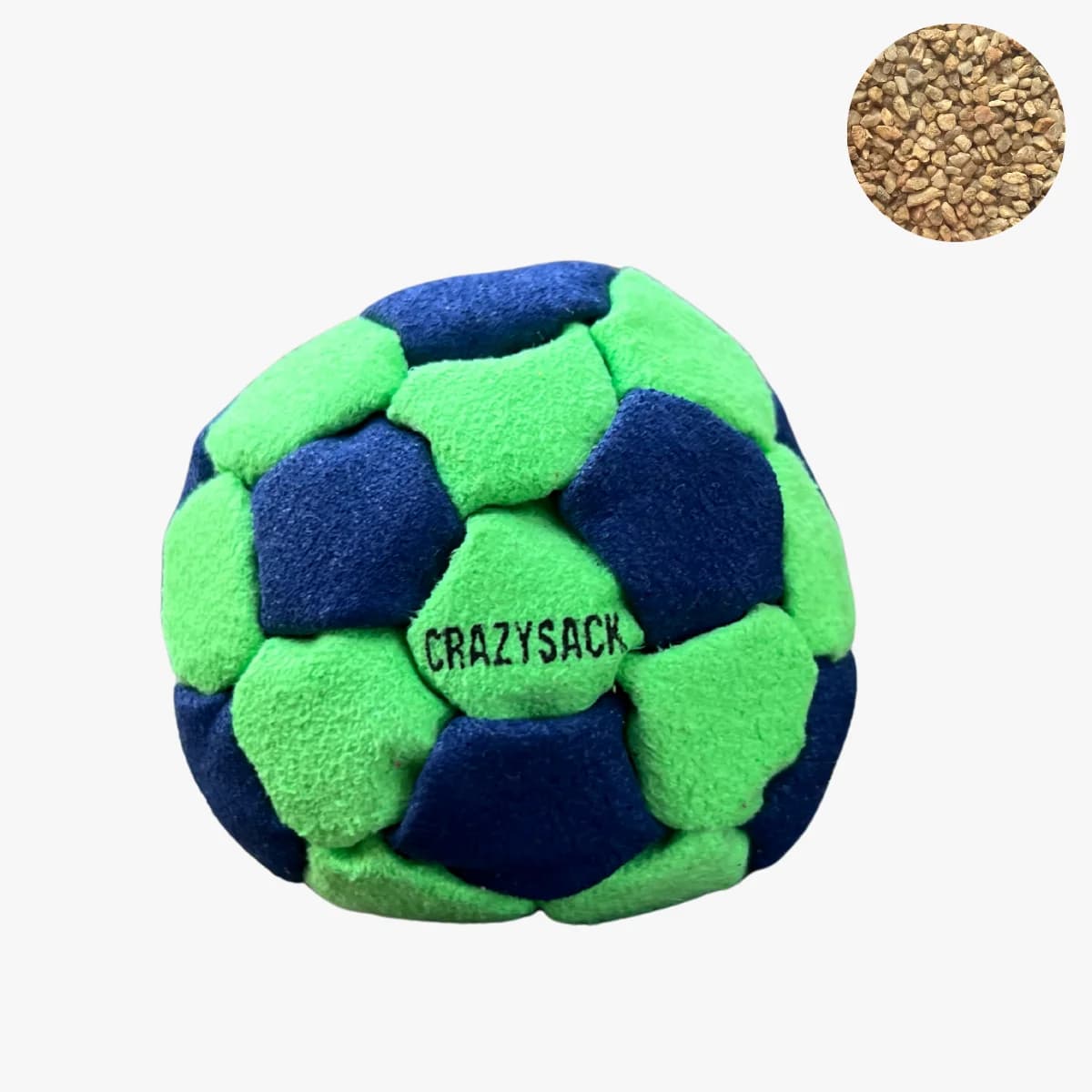
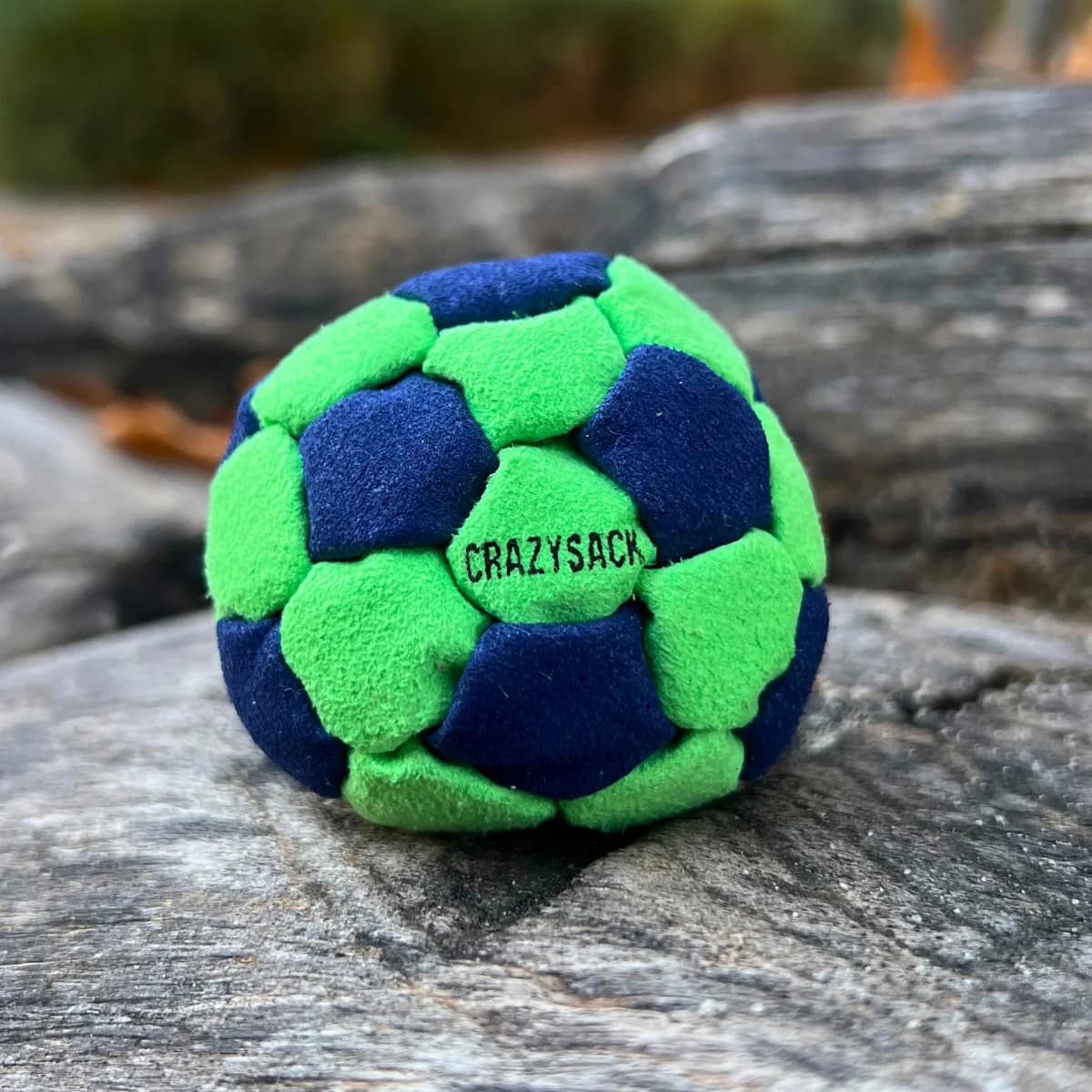
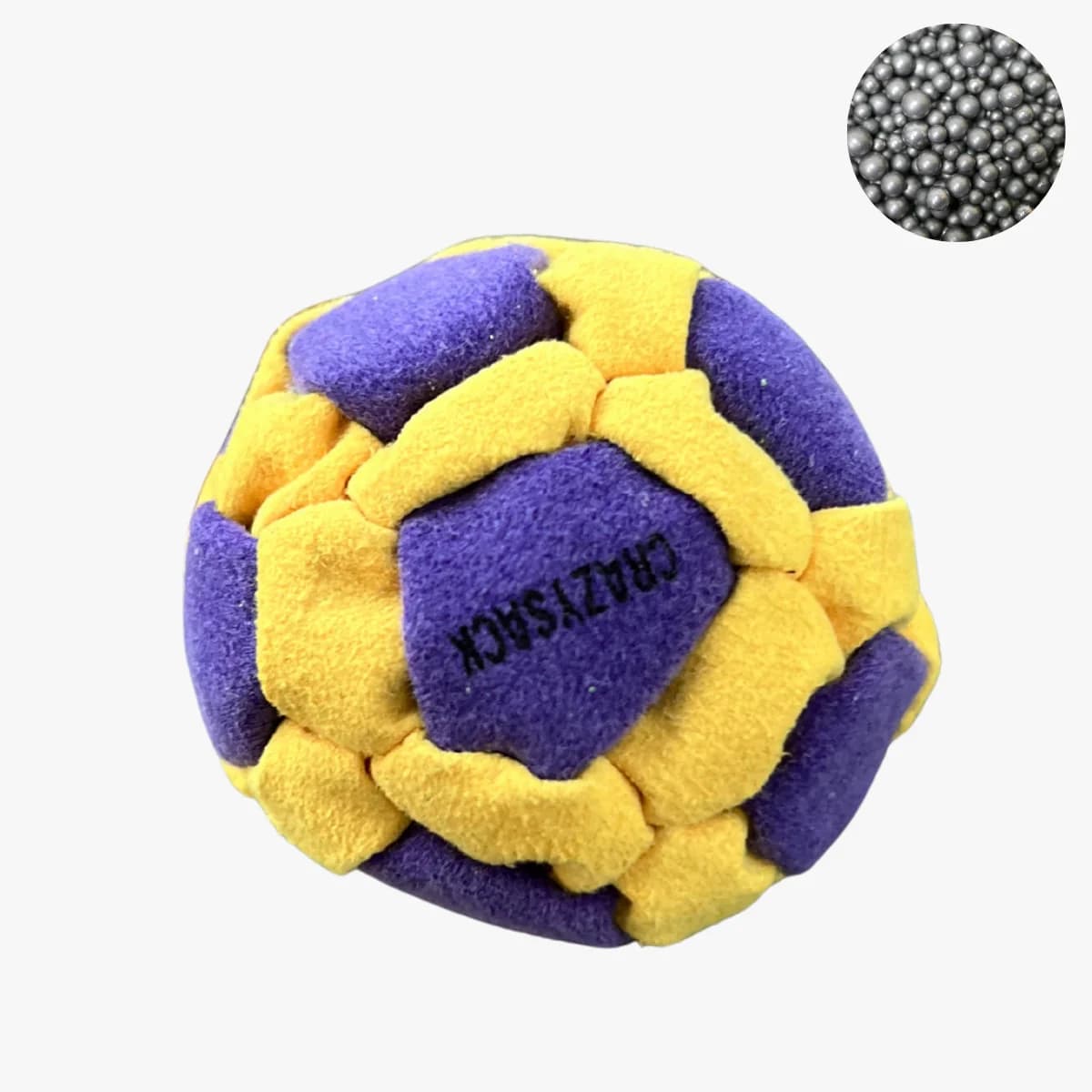
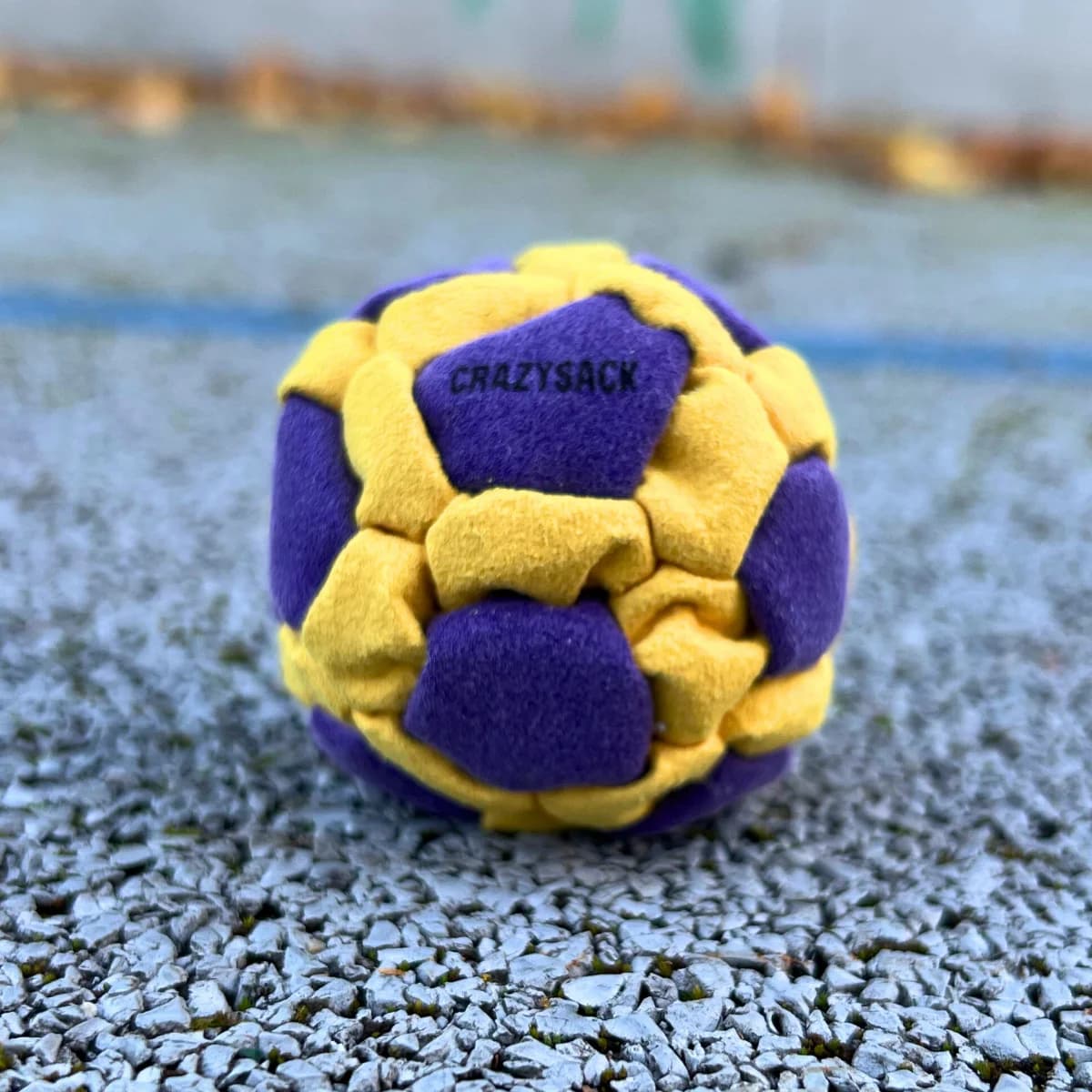
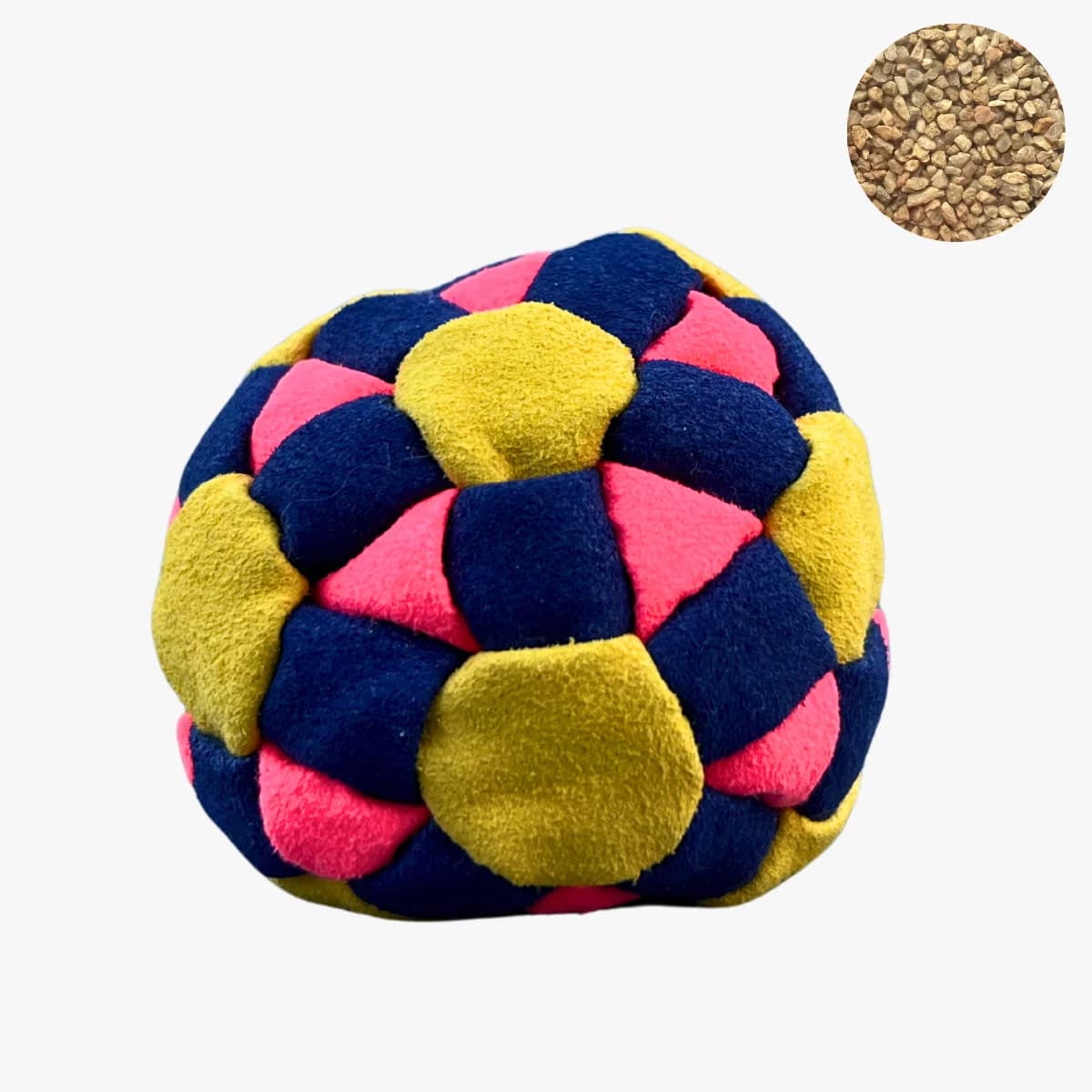
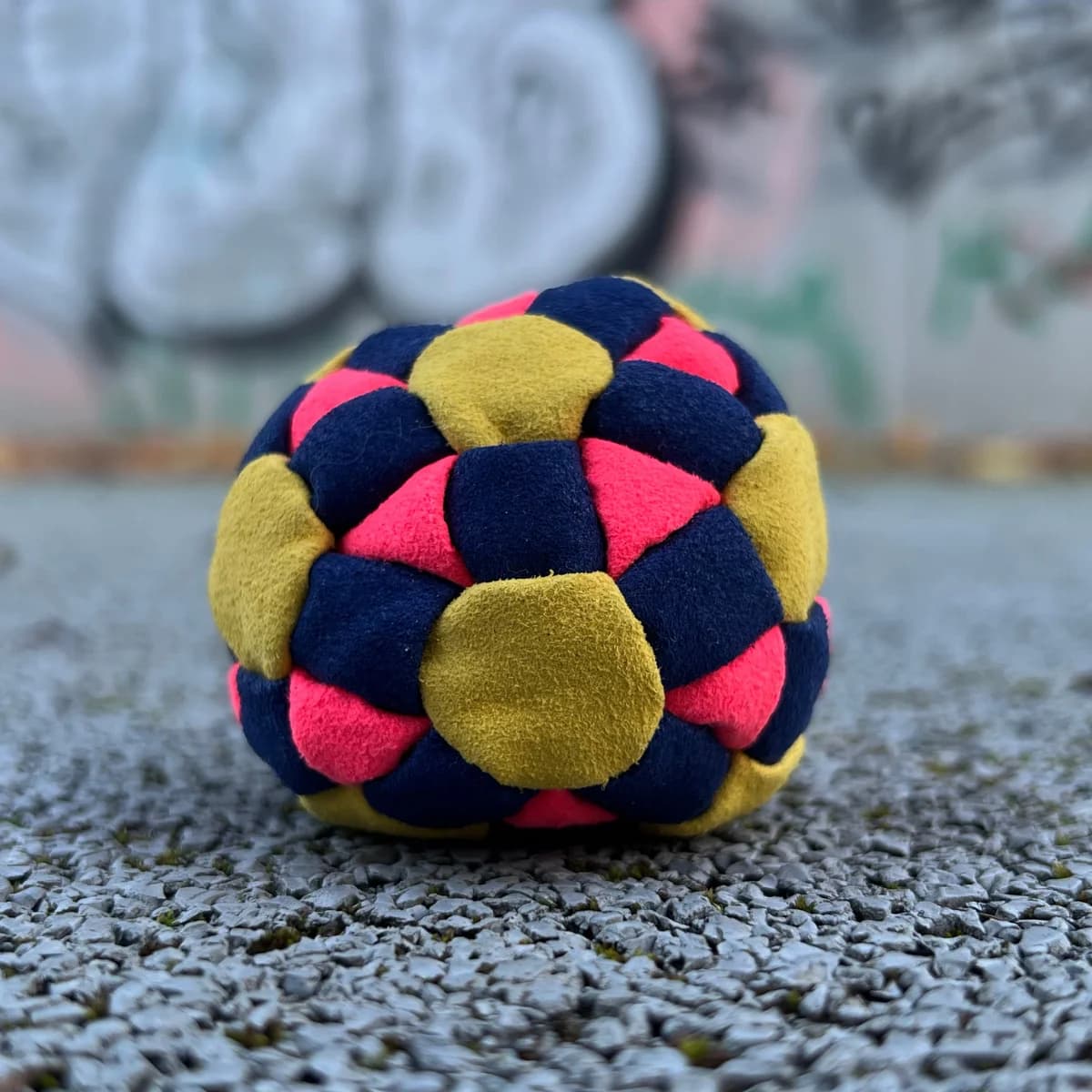
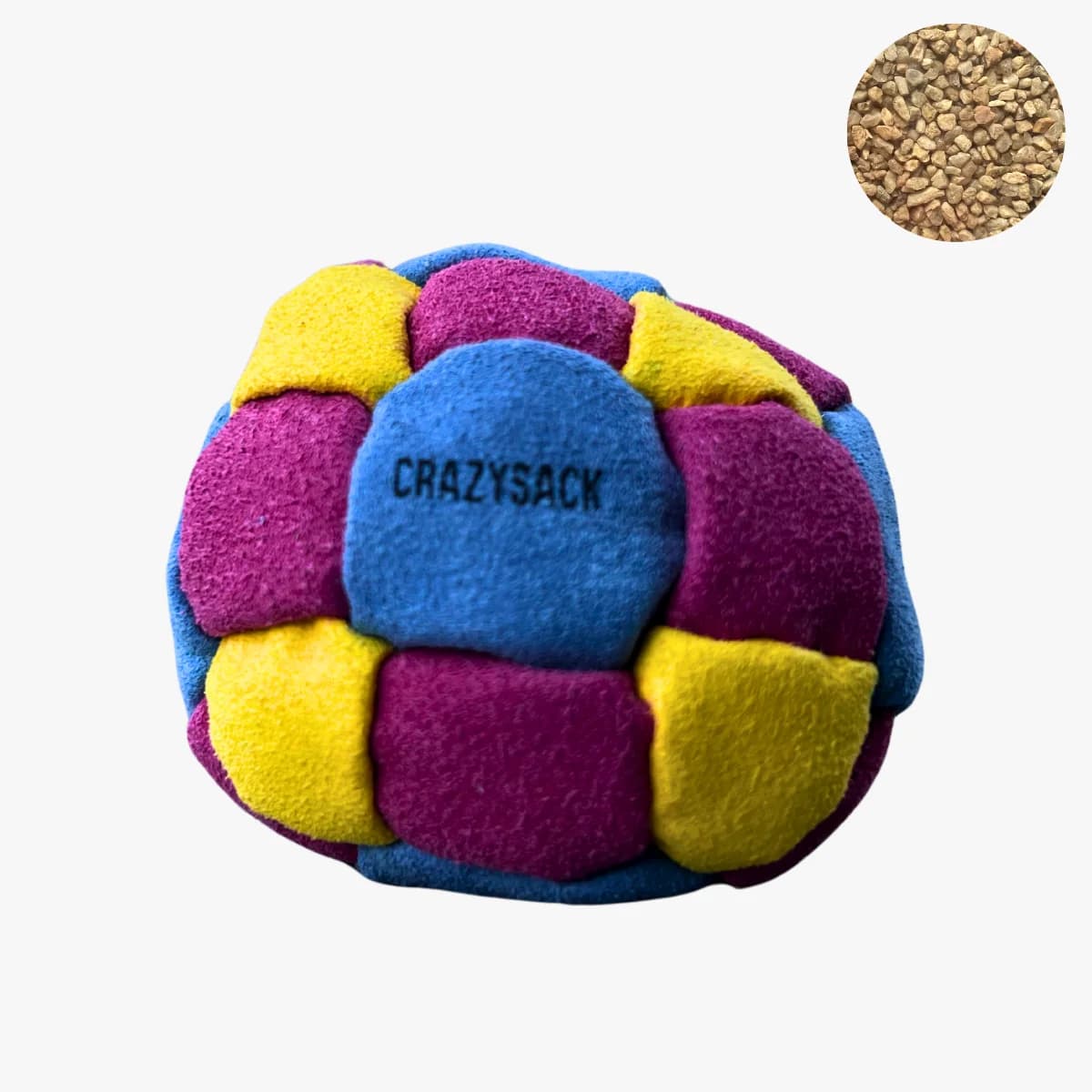
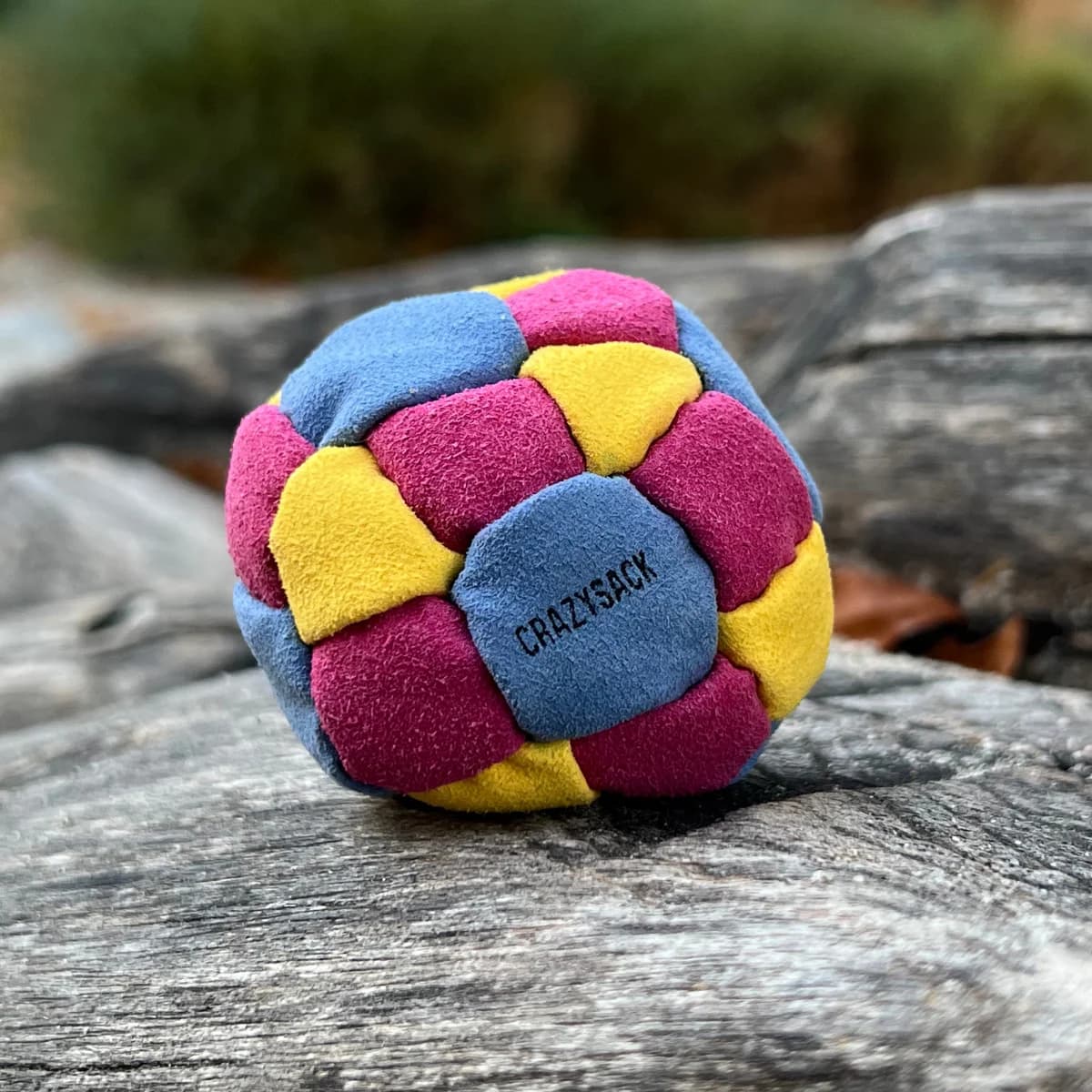
Matching footbags from our shop
Hand-stitched in Germany, ready to ship.
You might also like
Hacky Sack Freestyle: Everything You Need to Know
Hacky sack freestyle explained — origins, gear, beginner stalls, advanced combos, training methods, community contests, and how to stay motivated.
3 min read
Footbags for Kids and Teens: A Fun Introduction
A playful intro to footbags for children and teens — coordination benefits, bag types, learning steps, school use, safety, and tips for parents.
2 min read
Best Training Methods for Footbag Freestyle Tricks
Structured footbag freestyle training — posture, control drills, warm-ups, trick progression, common mistakes, and mental habits that keep you improving.
2 min read