A fun introduction
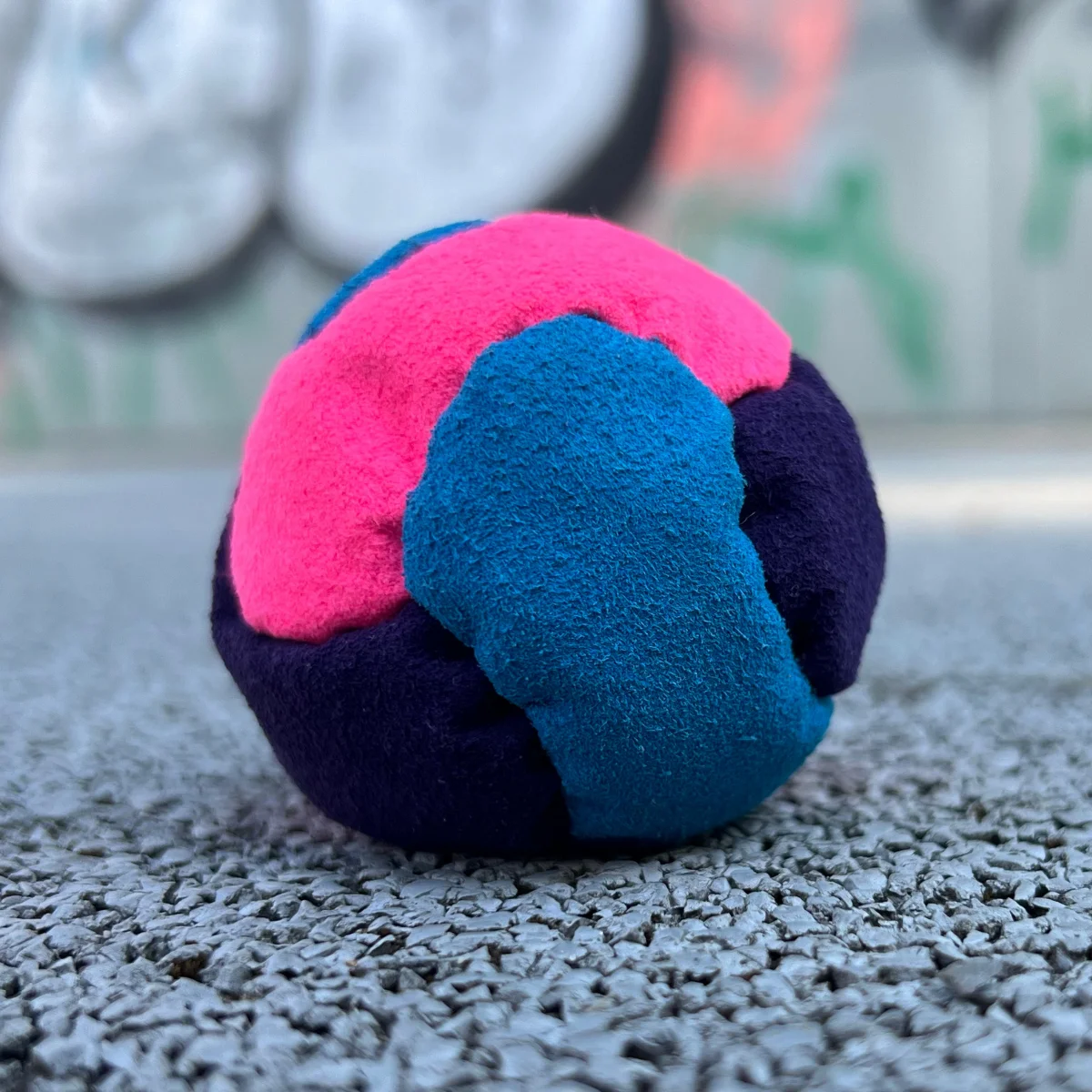
What is a footbag?
A footbag (hacky sack) is a small pouch filled with plastic pellets or sand, juggled mainly with the feet. It works indoors or out. Roots sit in North America; kids and teens worldwide now use it as easy active play. Goal: keep it up without hands — feet, legs, ankles, sometimes shoulders. Solo or group, low cost, no big kit list.
Why it suits kids and teens
In a screen-heavy day, a bag that fits in a backpack is a simple reset — movement, motor skill, and social play without heavy performance pressure.
- Motor skill and coordination: Fine control and timing improve with each contact
- Balance and body awareness: One-foot work teaches control
- Social skills: Circles reward teamwork, consideration, and talk
- Confidence: Small wins stack into real self-belief
Everyone progresses at their own pace. Children who bounce off soccer or gymnastics often find a home here.
Types of bags
- Sand-filled: Soft and forgiving — best for beginners
- Pellet-filled: Firmer and quicker — better later
- Freestyle bags: Smaller/lighter for tricks
- Net-style bags: Tougher for outdoor speed play
Parents: prioritise kid-safe, durable builds. Younger children often do better with slightly larger, softer bags. Soft starters live in our shop.
How kids learn
Keep fun first. No advanced sport background required.
- Simple keep-ups: one or two kicks, catch, repeat
- Standing-leg drills: balance on one foot while the other kicks
- Partner passes: cooperation plus laughs
- Early tricks: toe stall (stop on the top of the foot)
Adults can coach short games and praise effort after drops — encouragement beats lectures.
Schools and youth centres
Footbag fits PE, clubs, camps, and free play.
- Tiny storage footprint
- Low cost vs many sports
- Easy group formats and mini-contests
- Fast success for less “sporty” kids
Teachers often see peer coaching and strong self-motivation once bags appear.
Safety and health
Relatively gentle, but still:
- Clear sharp objects and trip hazards
- Space for group circles
- Suitable shoes, or barefoot on soft ground
- Light warm-up before longer sessions
Payoffs: stronger legs, better endurance, improved posture — useful for kids who move little elsewhere.
Tips for parents: keep it interesting
- Play together regularly — adults allowed
- Tiny family contests with friends
- Watch short tutorials and copy one move
- Keep a “trick diary” of new skills
Personalising a bag (paint, patches) builds ownership.
Closing
More than a toy: movement, skill, and social practice at home, school, or club. Cheap to start, easy to pack, strong counterweight to all-day screens. Alone, with friends, or as a family — footbag earns a place in the play bag.
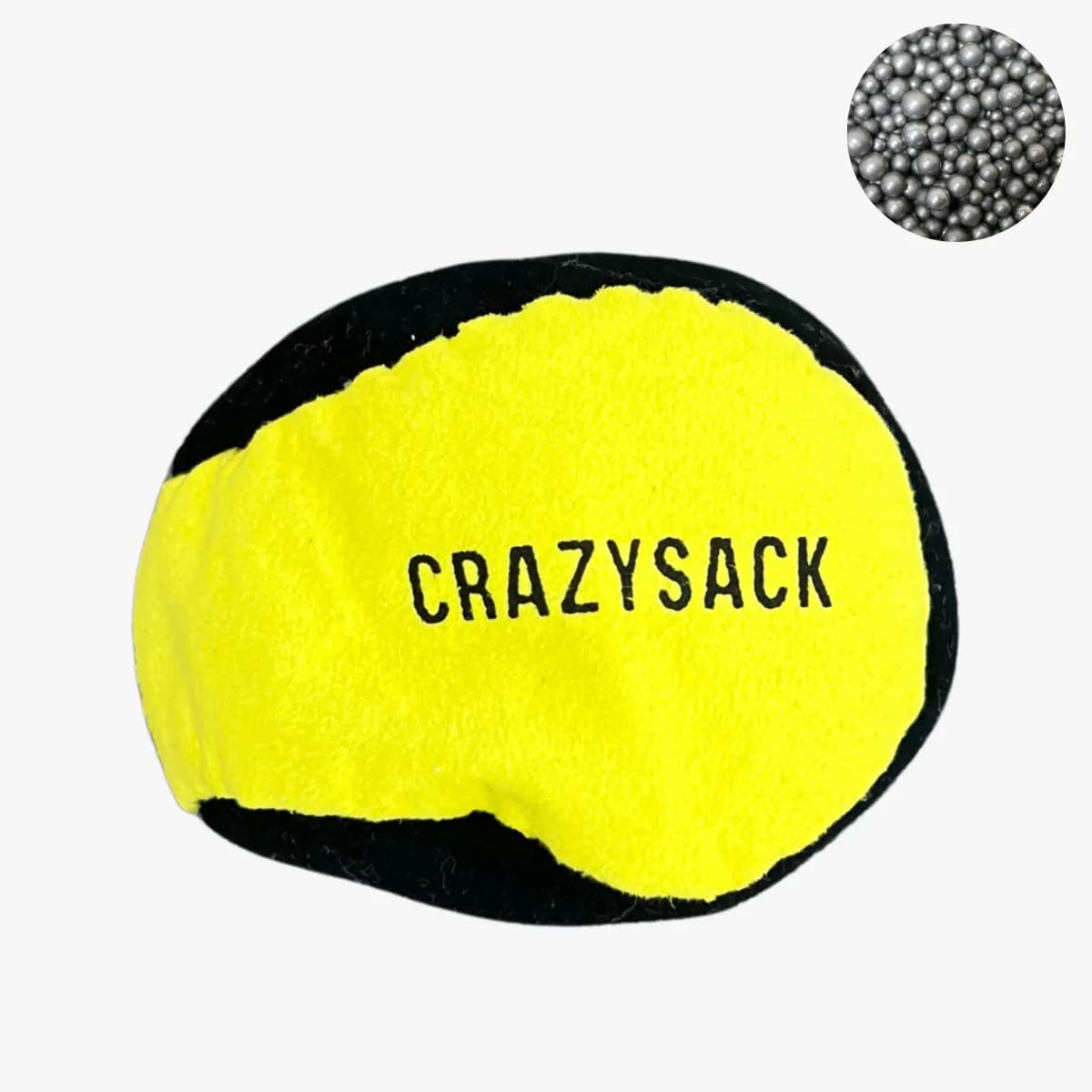
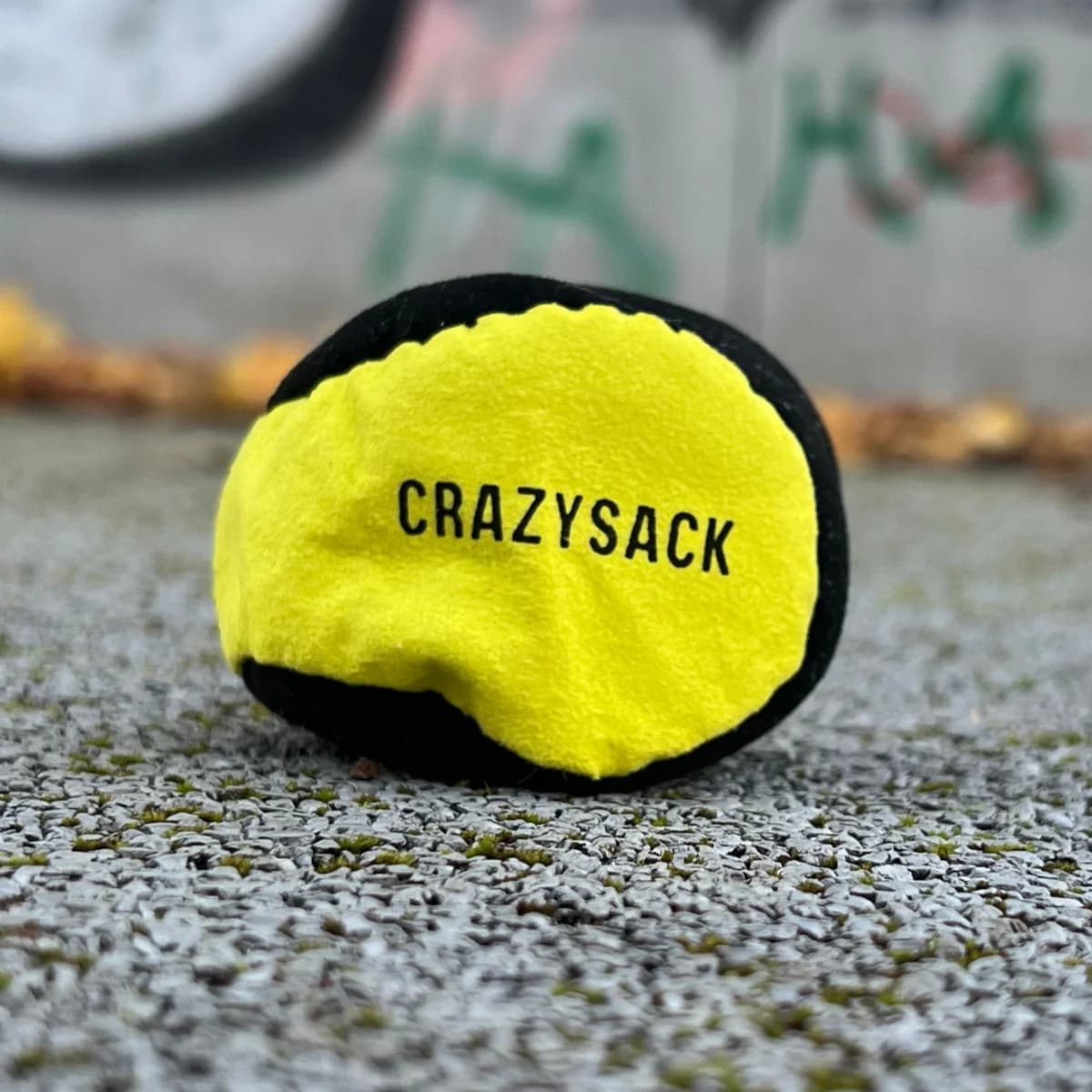
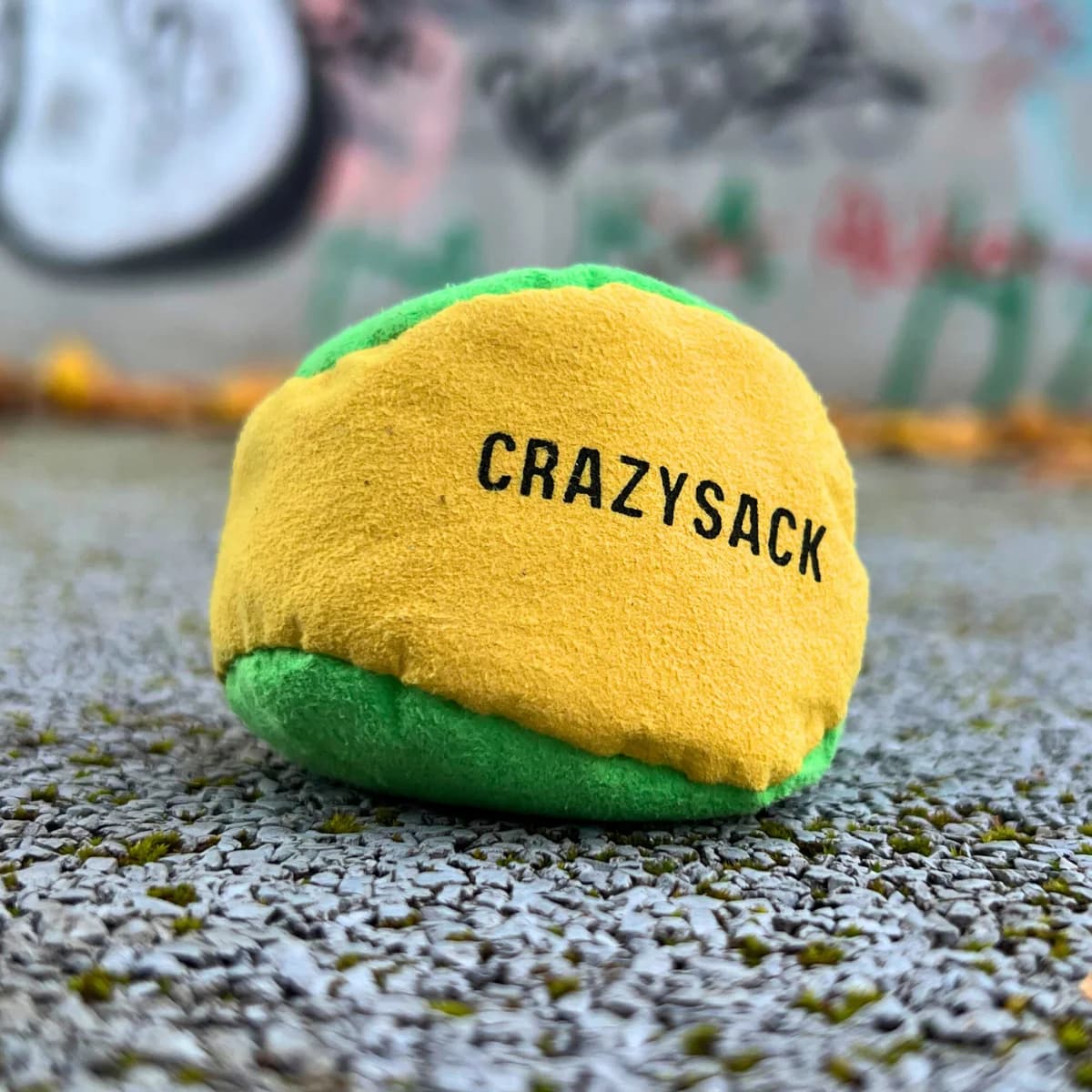
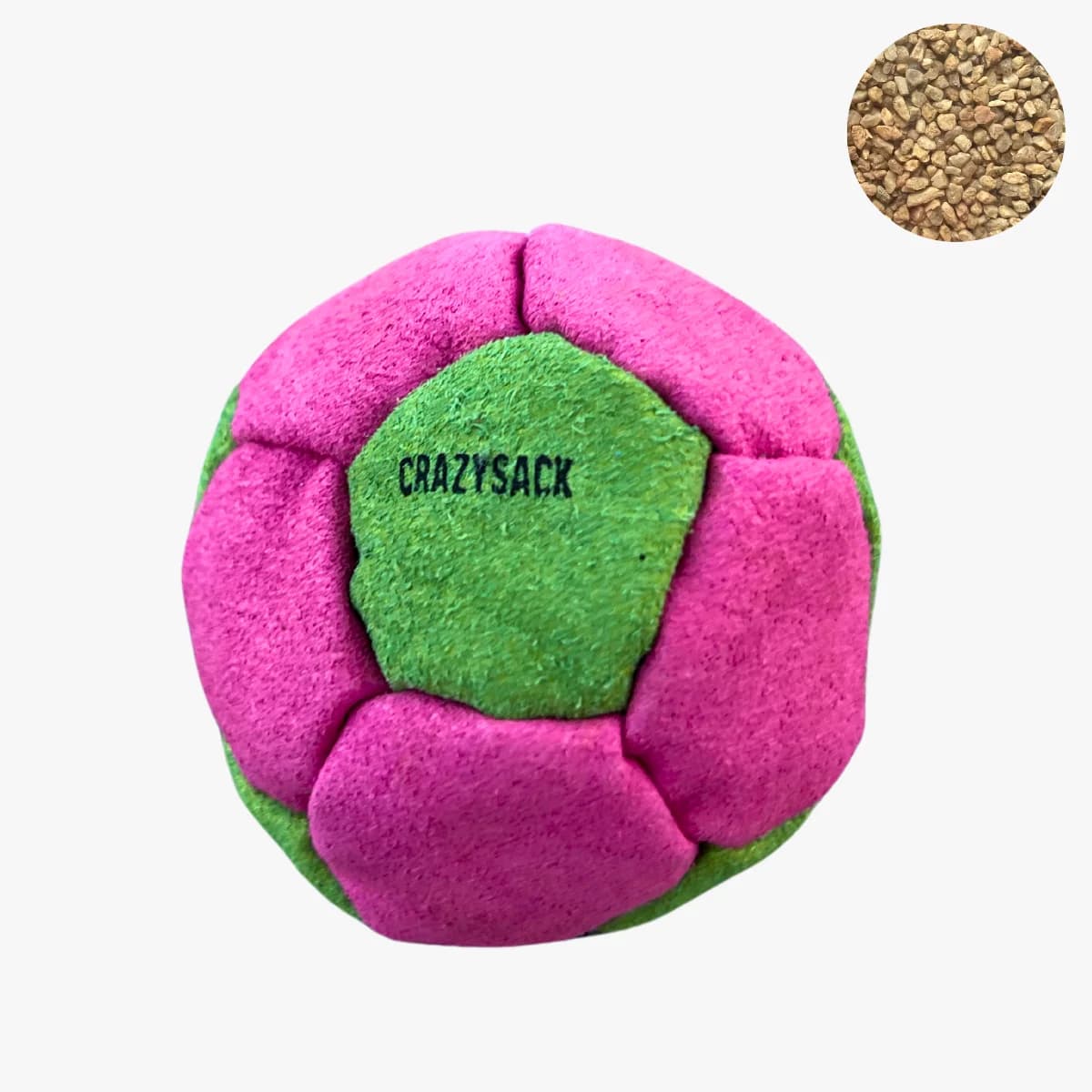
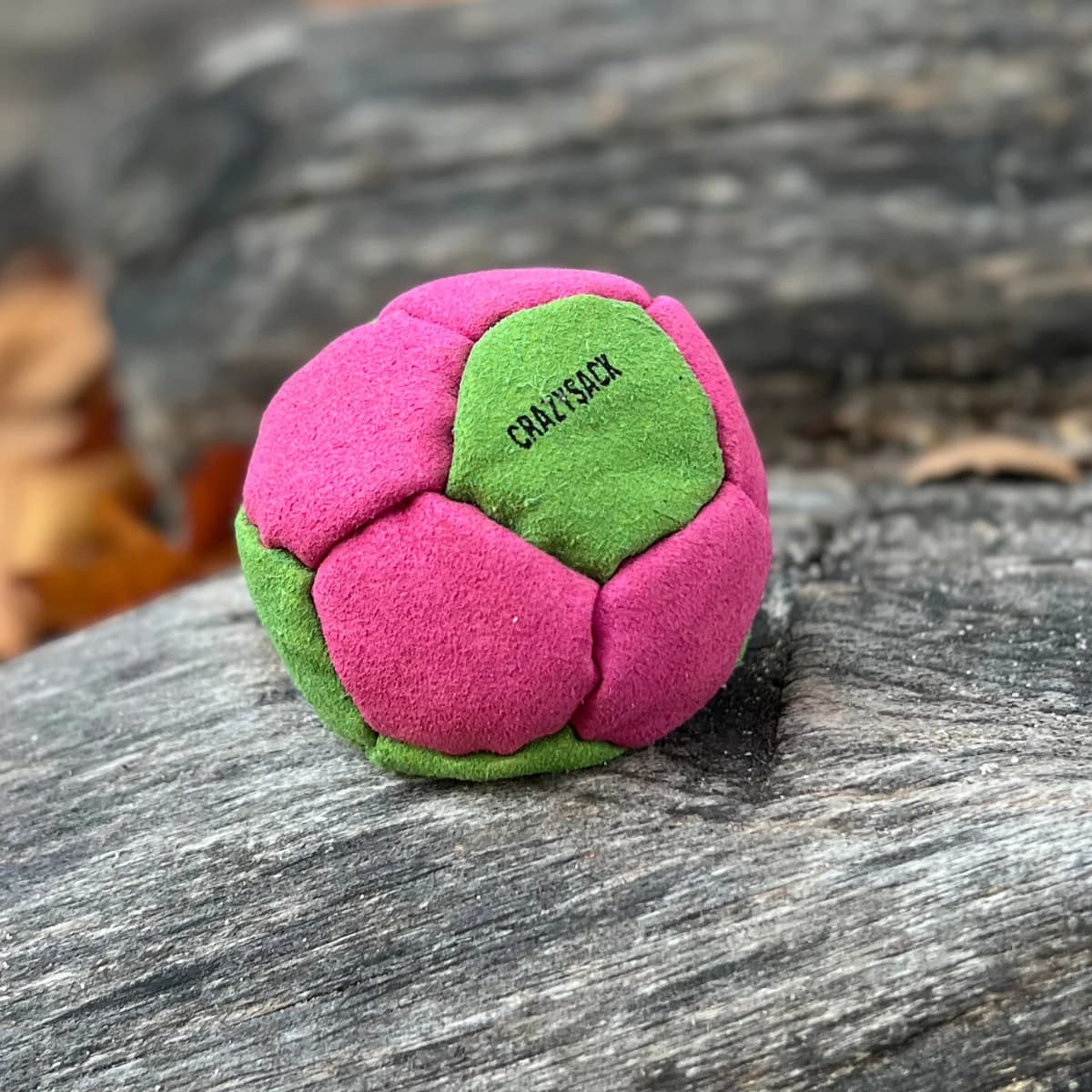
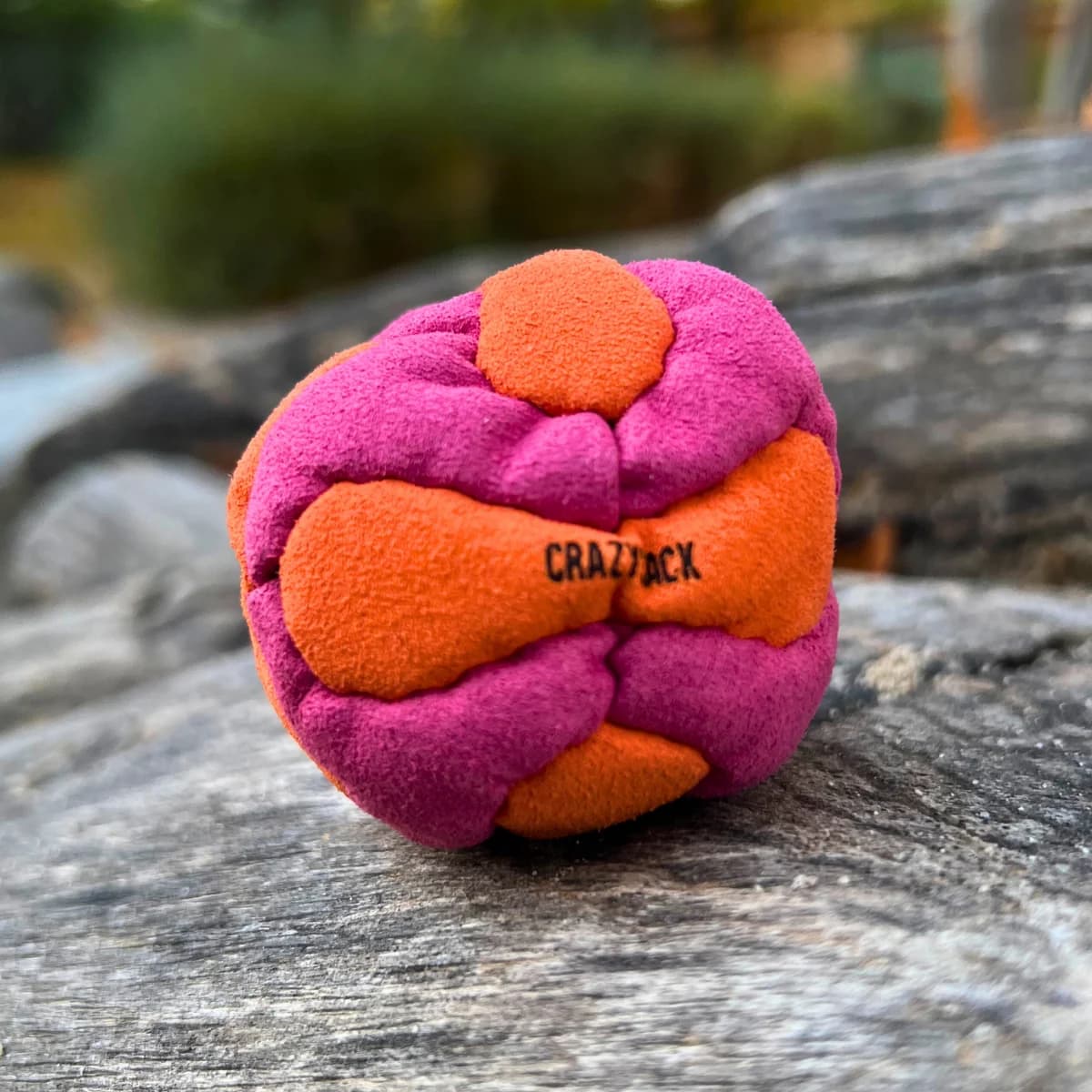
Matching footbags from our shop
Hand-stitched in Germany, ready to ship.


You might also like
Footbag as a Sport: Freestyle and Competition Intro
An introduction to footbag as sport — freestyle tricks, net competition, training basics, major tournaments, and the community around the bag.
3 min read
Hacky Sacks for Kids: Playful Movement That Actually Sticks
How hacky sacks help kids build coordination, focus, and active play — simple games, the right bag size, and tips parents can use at home or school.
2 min read
Why Footbags Are Ideal Activities for Children
Footbags as a screen-break for kids — motor skills, balance, social play, and easy ways to use them at school and at home.
1 min read