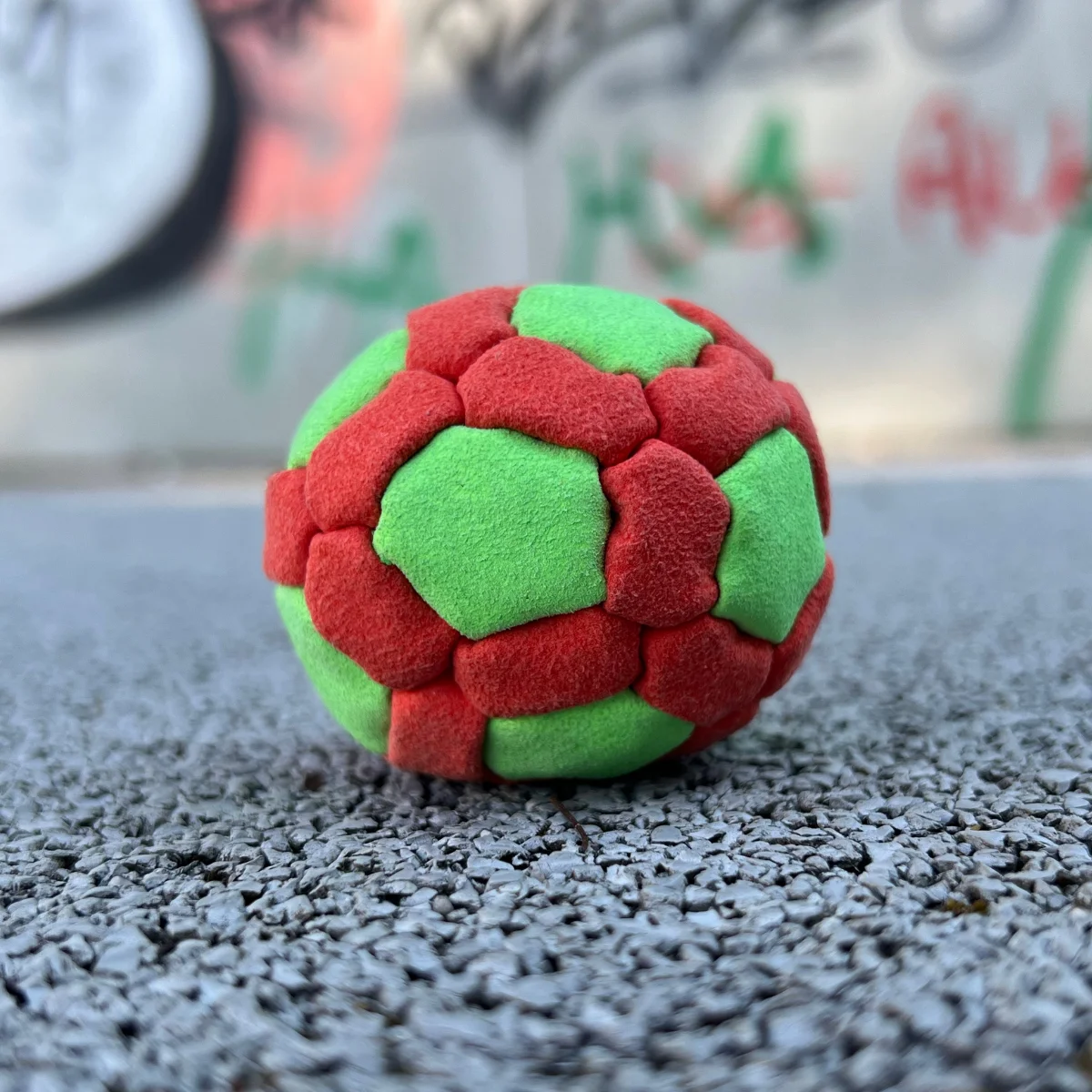
Footbag improves fitness, coordination, and focus — and the first sessions can feel awkward. With the right bag, a few core techniques, and short consistent practice, progress comes quickly. This guide covers what beginners need: model choice, basic skills, training habits, and how to join the community.
What a footbag is — and why people stick with it
A footbag (hacky sack) is a small pouch filled with pellets, sand, or similar material. The modern game spread from 1970s America into casual play and contests worldwide. You can train alone or circle with friends; gear cost stays low and almost any flat patch works.
Side effects beginners notice: finer motor control, better endurance, more mobility — and a bag that fits in a backpack for spontaneous sessions.
Common types
- Sand-filled: Less bounce, easier control — ideal starters
- Plastic-pellet: Livelier flight — better for tricks later
- Leather: Durable and precise once you want tighter control
Start sand-heavy if you are new; upgrade when your feet ask for more speed.
Choosing your first bag
- Shell: Soft leather or fabric grips better than slick toys
- Fill: Sand for control; pellets when you want more rebound
- Size/weight: Slightly forgiving mid-size beats tiny ultra-light bags for learning
Avoid sharp seams. A decent quality bag lasts longer and feels fairer underfoot — see beginner-friendly options in our shop.
Core beginner techniques
- Stall: Stop and balance the bag on the foot — foundation for most tricks
- Kick: Soft, controlled lifts without hands
- Lift: Scoop the bag off the ground with the foot when it drops
Master calm contacts before named combos. Confidence follows clean reps.
Practice tips
- Flat, grippy shoes (not thick cushioned lifestyle soles)
- Clear, level surface
- Solo basics before circle chaos
- 10–15 focused minutes a day beats occasional marathon frustration
Small improvements compound. Technique plus repetition is the whole game early on.
Mistakes that slow you down
- Expecting pro-level keep-ups in week one
- Fighting a bad bag or wrong shoes
- Skipping foundations to chase flashy clips
- Practising only when “inspired” instead of on a light schedule
Know the traps and you keep the fun.
Community
Local circles accelerate learning — motivation, tips from stronger players, and more laughs. No local jam? YouTube and forums still shorten the learning curve.
Closing
Pick a forgiving bag, lock in stall and soft kick, train short and often, and borrow eyes from other players when you can. That is a clean start into footbag — not a perfect start, a repeatable one.
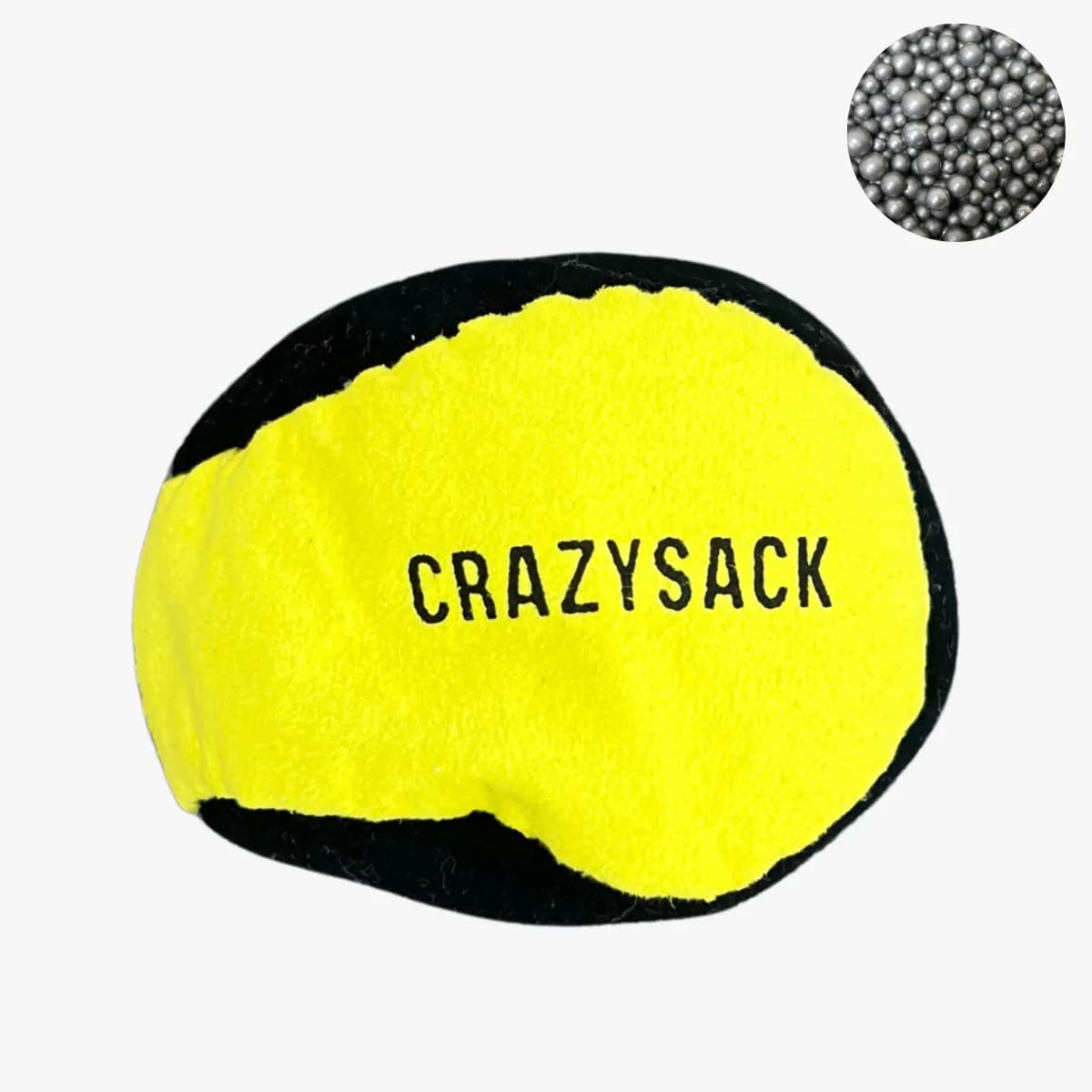
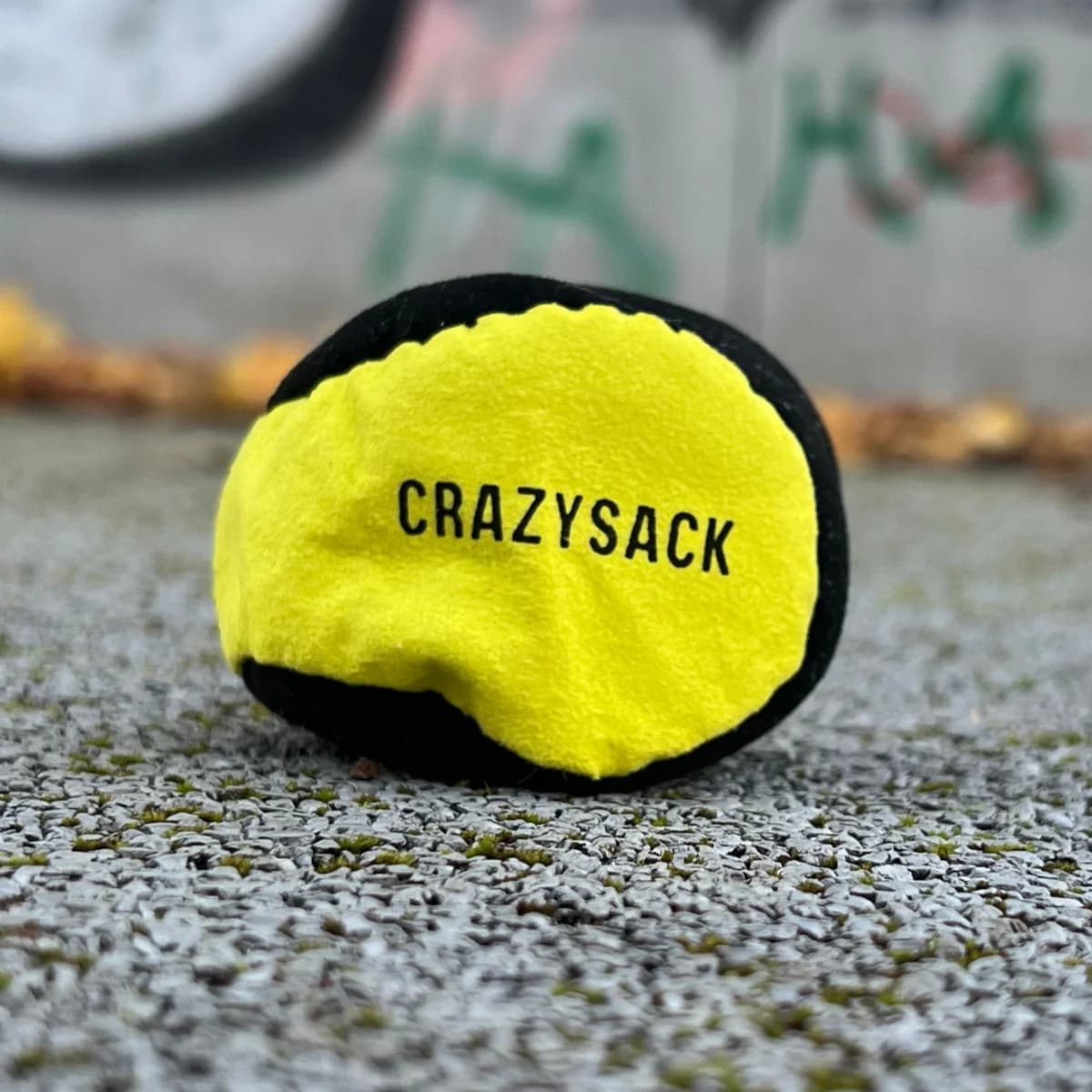
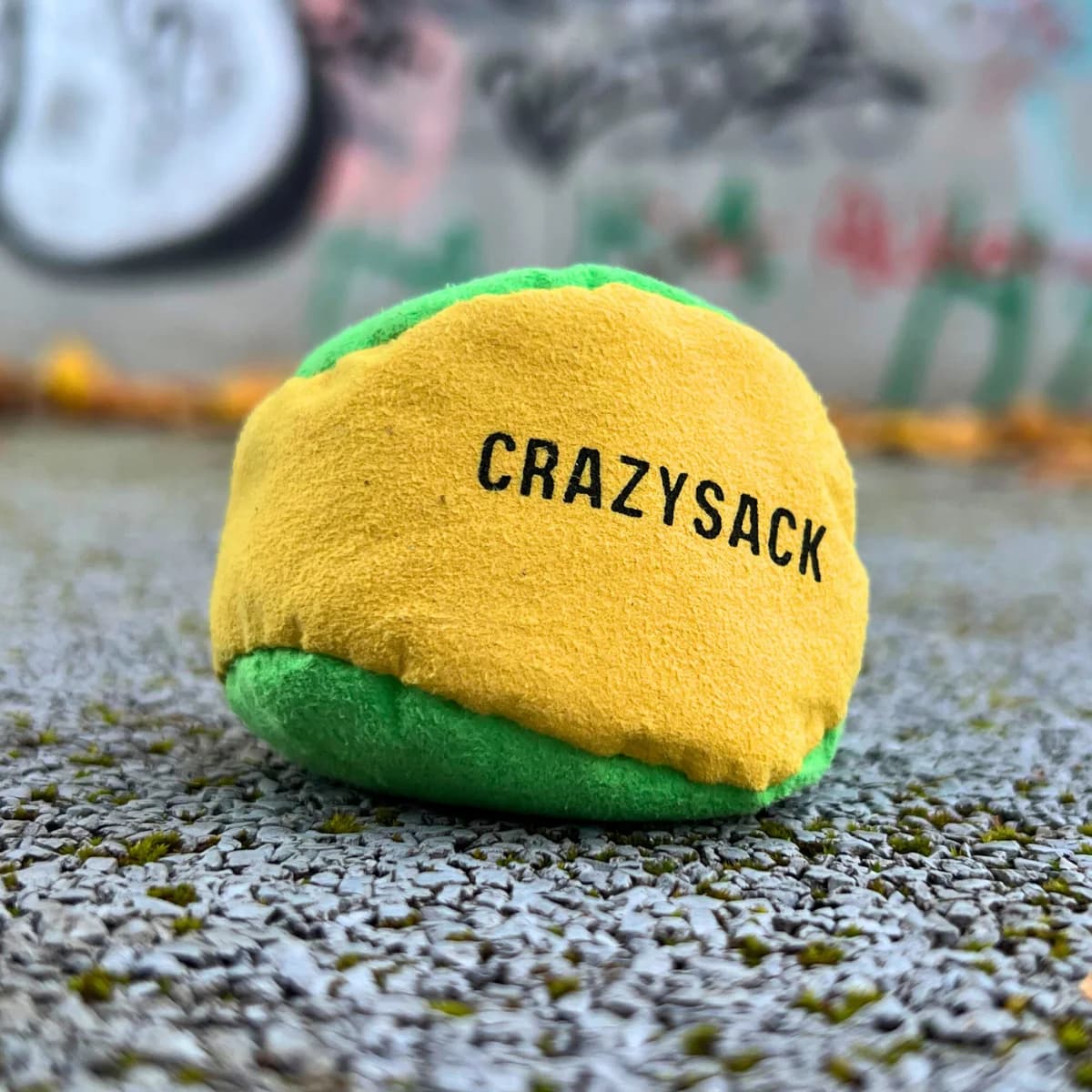
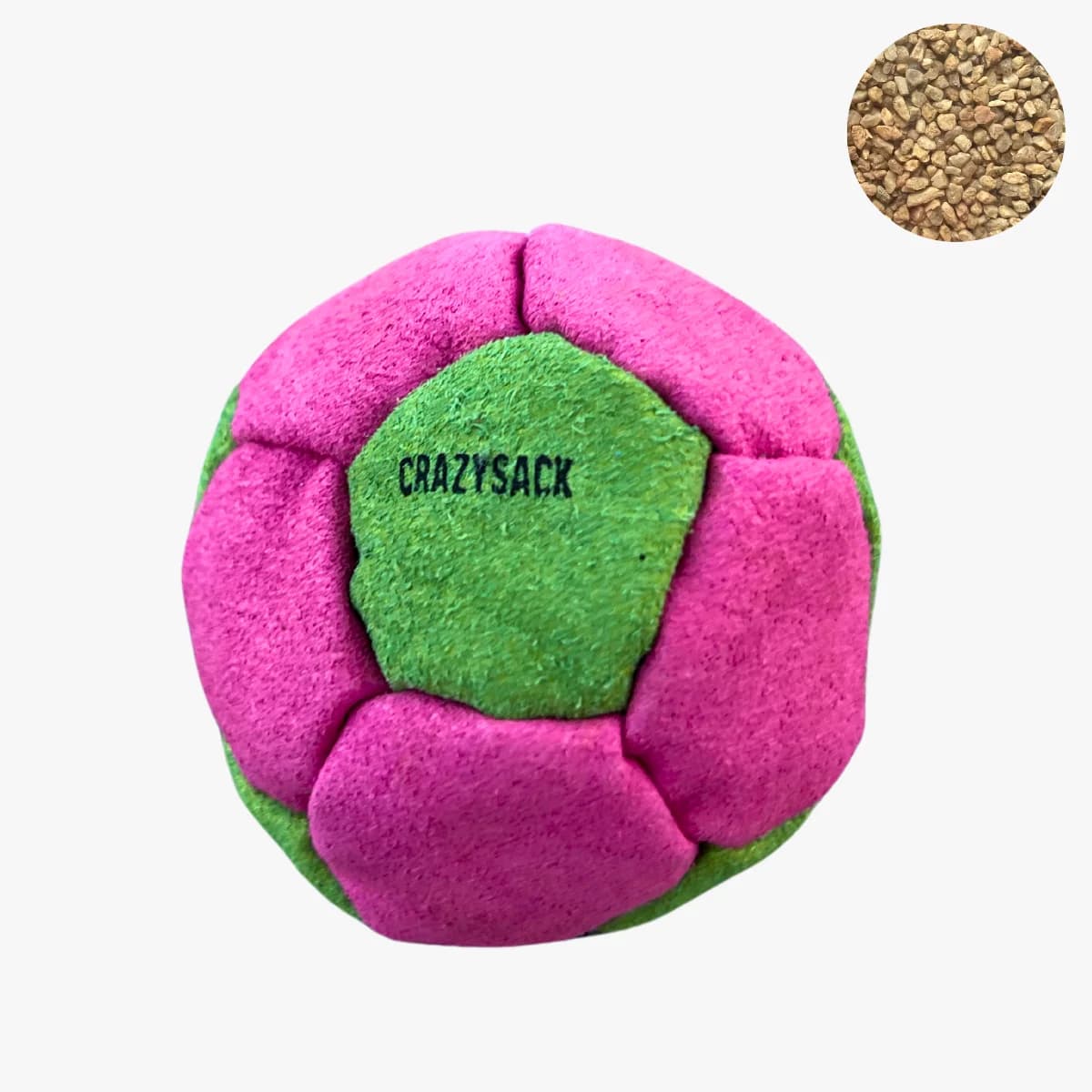
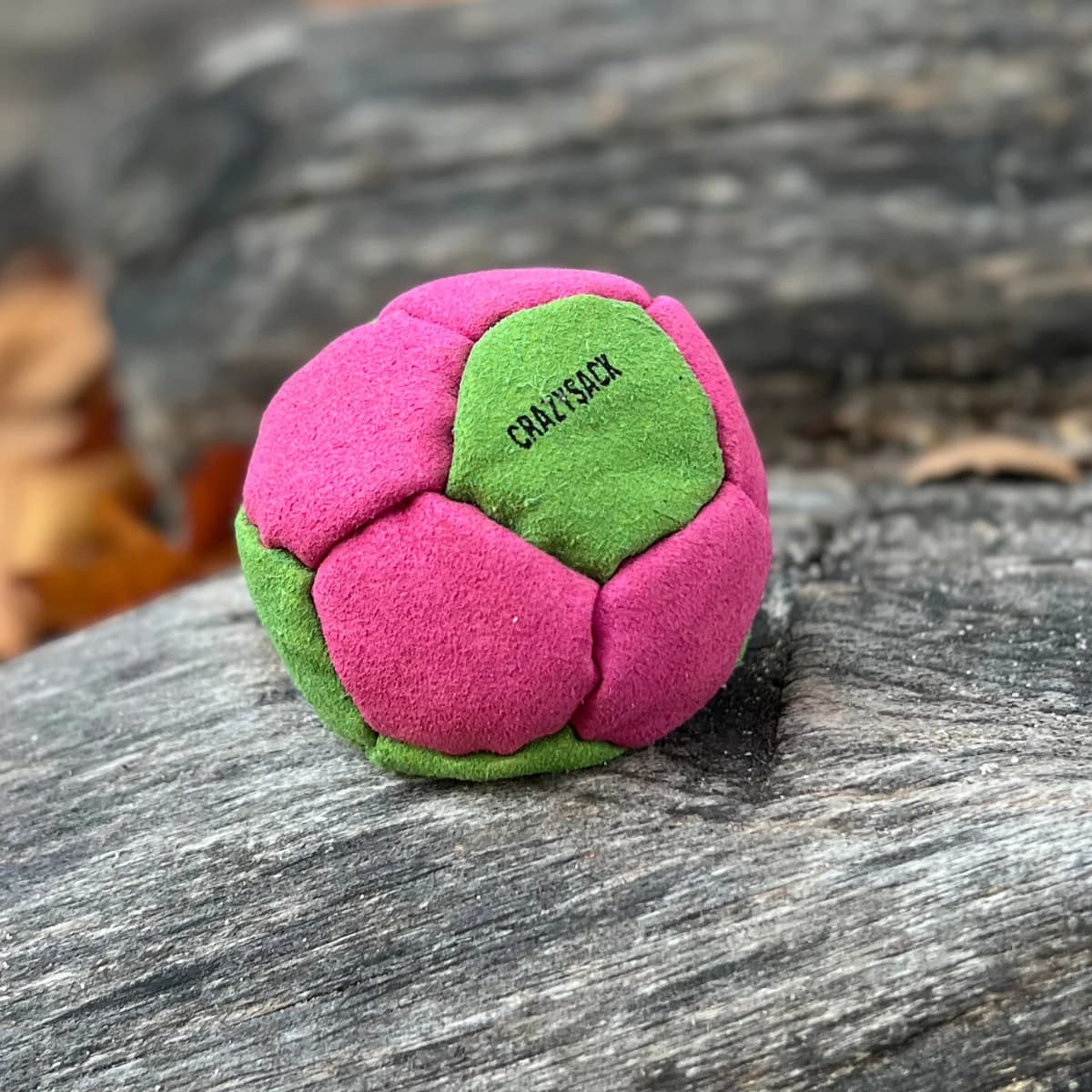
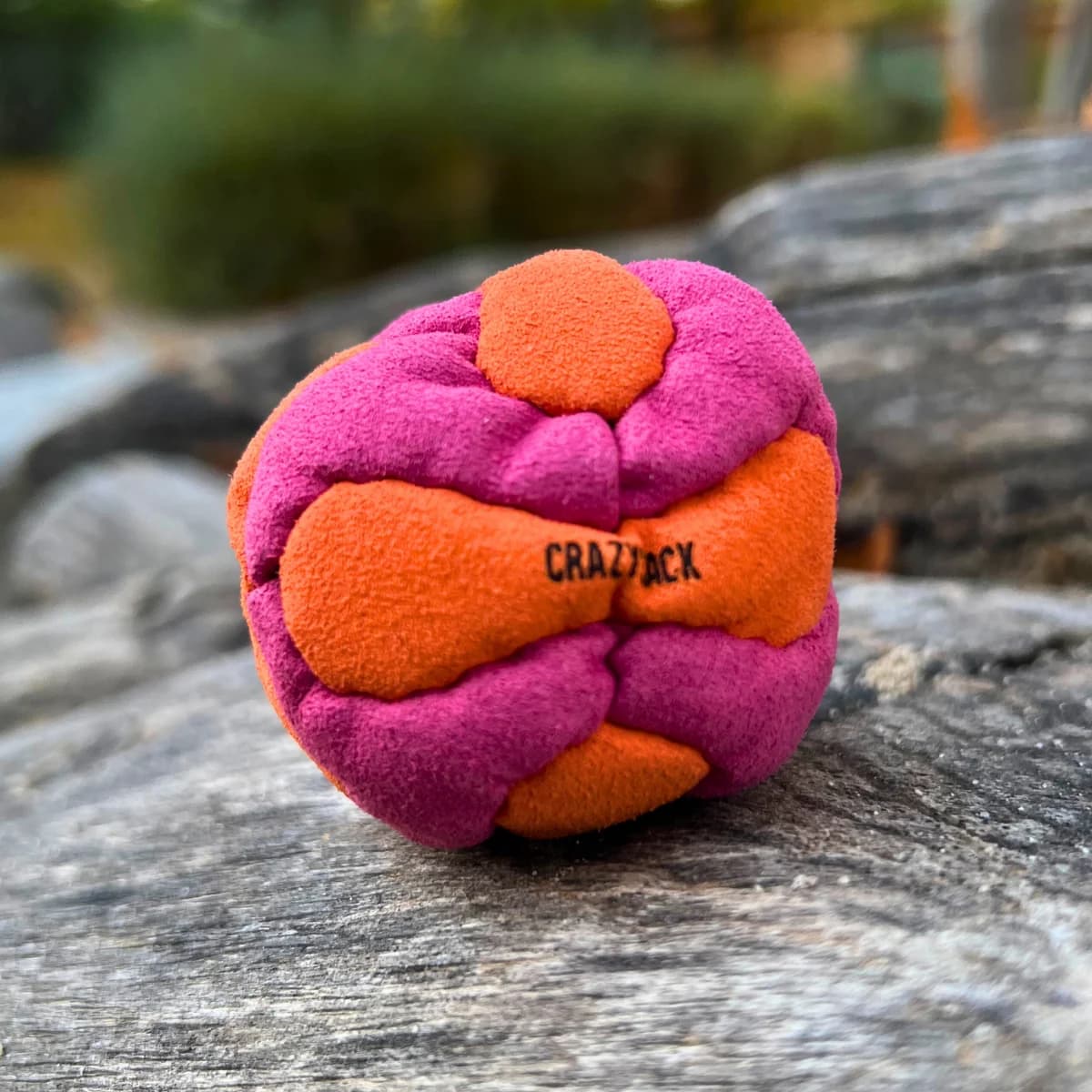
Matching footbags from our shop
Hand-stitched in Germany, ready to ship.


You might also like
How to Start Your Own Hacky Sack Event
Plan a footbag meetup or tournament — venue, permits, gear, schedule, promotion, budget, and community follow-up so your event actually happens.
2 min read
Footbag Tricks for Beginners: A Simple How-To
Learn beginner footbag tricks step by step — gear, stance, inside kick, toe stall, and foot delay — so your first moves feel clean, not chaotic.
3 min read
How to Patch and Repair Your Hacky Sack
Fix holes, restitch seams, and refill your footbag so a favorite ball stays in play instead of in the bin.
2 min read